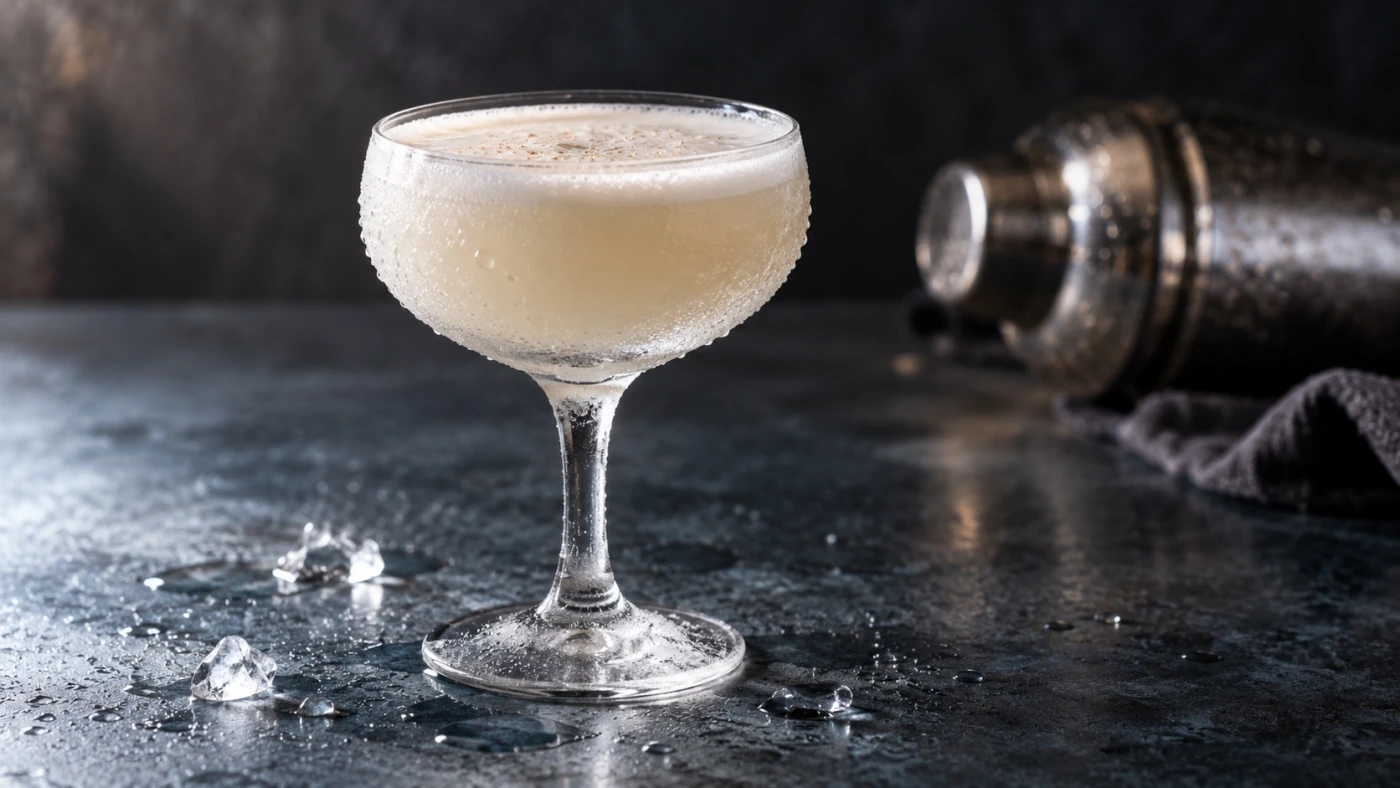

How Shaking Time Changes Vodka Cocktail Chill and Dilution
Shaking is the technique of rapidly moving a cocktail with ice inside a sealed shaker. It performs four jobs at once: mixing, chilling, dilution, and…
- It performs four jobs at once: mixing, chilling, dilution, and aeration.
- The clock is useful, but it is not the final judge.
- A firm 8–12-second shake is a practical starting range for one cold cocktail made with a generous load of hard ice.
- Ice chills a cocktail partly by melting.
- The change from solid ice to liquid water absorbs heat, so cooling and dilution are linked rather than separate processes.
Shaking is the technique of rapidly moving a cocktail with ice inside a sealed shaker. It performs four jobs at once: mixing, chilling, dilution, and aeration. Shaking time matters most in vodka drinks containing citrus, fruit, dairy, egg white, syrups, liqueurs, or other ingredients that do not combine readily with gentle stirring.
The clock is useful, but it is not the final judge. A firm 8–12-second shake is a practical starting range for one cold cocktail made with a generous load of hard ice. From there, adjust for the drink, the ice, and the result in the glass.
Why chilling and dilution happen together
Ice chills a cocktail partly by melting. The change from solid ice to liquid water absorbs heat, so cooling and dilution are linked rather than separate processes. During the first part of a vigorous shake, warm liquid transfers heat to the ice quickly. As the drink and ice become colder, that transfer slows.
This means twice the shaking time does not necessarily produce twice the chilling or twice the dilution. Once the mixture approaches thermal balance, additional shaking generally has a smaller cooling effect. It can still break or erode the ice and add water, however, especially when the cubes are small, wet, or fragile. The exact result varies with equipment and conditions, so treat timing as repeatable guidance rather than a universal physical constant.
How to shake a vodka cocktail consistently
- Measure every liquid ingredient. An inconsistent build makes it impossible to learn what the shaking time changed.
- Add enough hard ice to fill roughly two-thirds to three-quarters of the shaker. A nearly empty shaker provides less cold mass and lets the ice collide and fracture more aggressively.
- Seal the shaker securely. Hold both parts of a two-piece shaker before moving it away from the work surface.
- Shake firmly for 8–12 seconds. Use a full, controlled movement that sends the ice through the liquid rather than merely rocking it in place.
- Strain immediately. Leaving the finished drink sitting on ice continues the heat exchange and makes timing less meaningful.
For comparison, keep the recipe, ice source, ice quantity, shaker, and shaking effort as consistent as possible. Change only the time—for example, compare an 8-second shake with a 12-second shake on separate occasions. This isolates the variable without requiring specialist equipment.
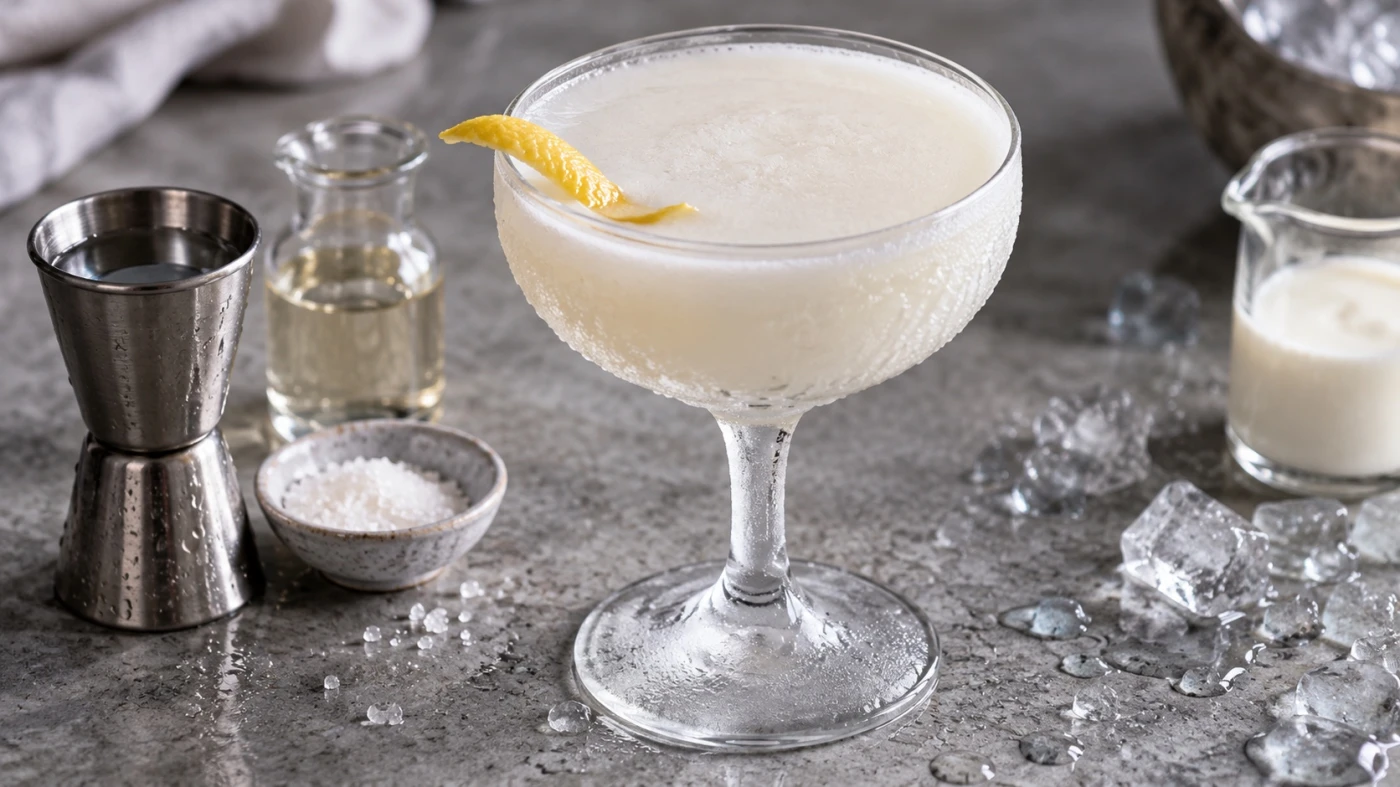
Adjust the time to the style of drink
Citrus-forward vodka drinks: Use a vigorous shake near the middle or upper end of the starting range. The goal is a cold, integrated drink with light aeration and enough dilution to soften concentrated citrus and sugar.
Spirit-forward vodka drinks: If you choose to shake a Martini-style drink, begin near the shorter end. More shaking introduces additional aeration and ice fragments, which can make the drink look cloudy at first and feel lighter. Stirring remains the better fit when clarity and a dense, silky texture are the priorities.
Drinks served over fresh ice: Avoid chasing all the desired dilution in the shaker. The cocktail will continue changing in the glass, particularly with small cubes or a warm serving environment.
Rich or foaming drinks: Recipes containing egg white, cream, thick fruit, or viscous syrup may need vigorous movement for texture and integration. Here, shaking has a structural job as well as a thermal one, so the shortest possible shake is not necessarily the best choice.
The variables that can outweigh the clock
| Variable | Likely effect | Practical adjustment |
|---|---|---|
| Hard, dry ice | More predictable chilling and slower surface melt | Use the normal 8–12-second starting range |
| Wet or tempered ice | Surface water enters the drink immediately | Drain the ice and consider a shorter shake |
| Small or cracked ice | Greater surface area and faster dilution | Shake briefly and strain promptly |
| Chilled ingredients | Less heat must be removed | Use the shorter end when texture permits |
| Room-temperature ingredients | More heat must be removed | Use a full, vigorous shake with plenty of ice |
| Weak shaking motion | Slower mixing and less efficient contact with ice | Improve the motion before extending the time |
| Large cocktail batch in one shaker | More liquid relative to the available ice and space | Split it into smaller shaker loads |
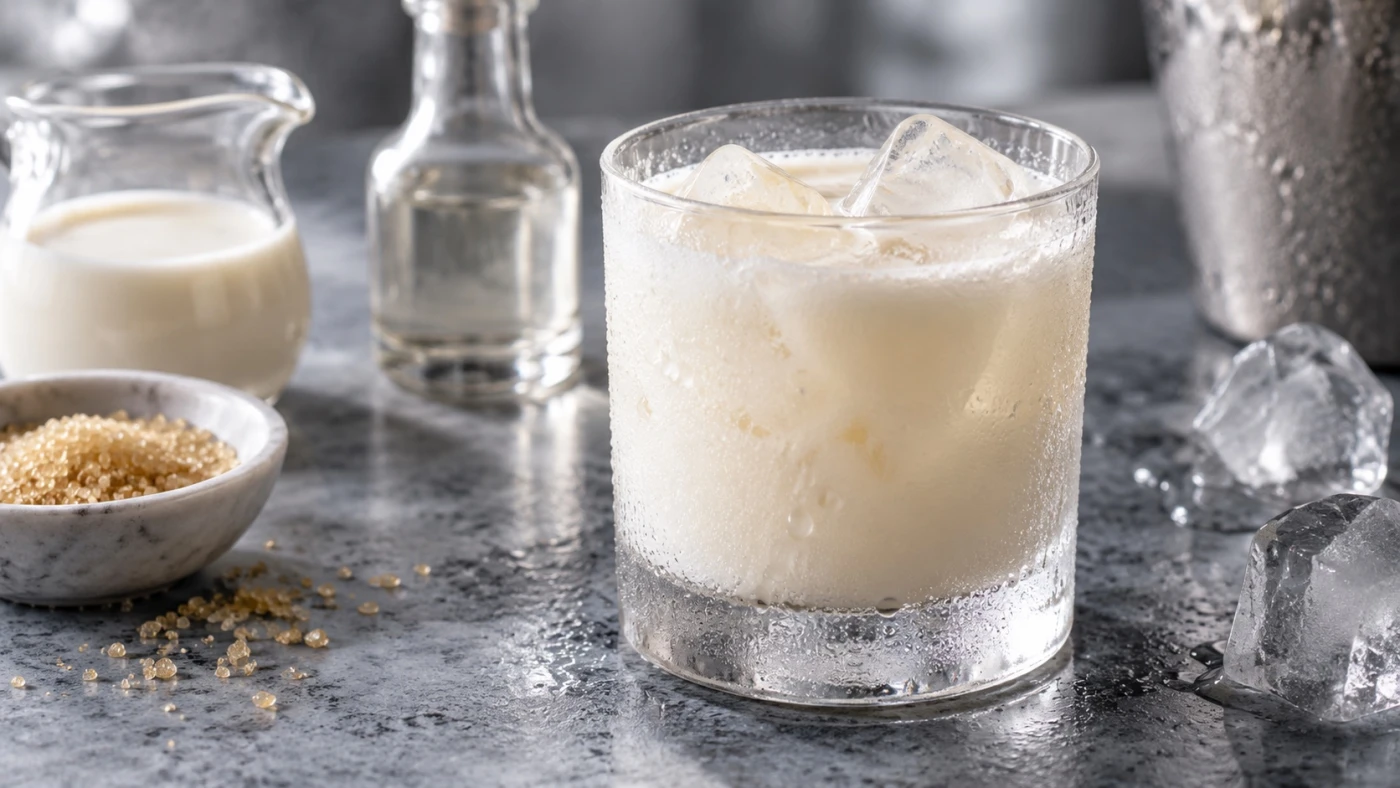
How to tell when the shake worked
Judge success after straining, not only by how frosty the shaker looks. A properly shaken vodka cocktail should taste integrated: the vodka should not feel hot or disconnected, sharp citrus should be controlled rather than abrasive, and sweetness should not seem thick or sticky. The texture should suit the style—lively for citrus drinks, creamy or foamy where intended, and not needlessly thin.
If you want a more objective comparison, weigh the finished drink. Weigh the empty serving glass, then weigh it again after straining. When the original measured liquid build is unchanged, a higher finished mass generally indicates that more water entered from the ice. This kitchen-scale method is more useful for comparing your own shakes than for pursuing a supposedly universal dilution target.
Diagnosing common shaking failures
The drink is cold but watery: The ice may have been wet or heavily fractured, the shake may have been unnecessarily long, or the recipe may be too weak before dilution. Start with hard ice and shorten the shake by two seconds.
The drink tastes strong and disjointed: It may be under-diluted or insufficiently mixed. Shake more vigorously before adding time; if the motion is already strong, add two seconds on the next attempt.
The drink is not cold enough: Too little ice, warm equipment, an oversized batch, or a hesitant shake may be responsible. Add more ice or divide the drink into smaller loads rather than automatically shaking for much longer.
The texture is flat: Confirm that the shaker has enough empty space for the liquid and ice to travel. A completely packed vessel may chill the drink but limit the movement needed for aeration.
Results change every time: Standardize the measured build, cube size, ice quantity, ingredient temperature, effort, and time. Repeatability is the transferable skill: once those variables are controlled, you can tune almost any new vodka cocktail by taste in small two-second steps.
A simple rule for unfamiliar cocktails
When approaching a new vodka cocktail, ask what the shake must accomplish. If the drink contains citrus, fruit, dairy, egg white, or thick sweeteners, prioritize vigorous mixing and texture. If it is mostly vodka and other clear alcoholic ingredients, prioritize controlled dilution and the intended mouthfeel.
Begin with hard ice and an 8–12-second shake, strain immediately, and assess temperature, integration, strength, and texture. On the next preparation, change the time by only two seconds. That small, controlled adjustment turns shaking from guesswork into a technique you can transfer from one drink to another.
Ask AI about this article
Pick a prompt, copy it, or open ChatGPT with this article preloaded.
Frequently Asked Questions
Why does my cocktail taste watery after only a short shake?
The likely causes include wet ice, too little ice, small fragments, warm ingredients, or an underbuilt recipe. Fill the shaker generously with hard ice, drain surface water from stored ice, and confirm that the ingredient measurements are accurate before changing the shaking time.
Should a vodka Martini be shaken for the same time as a citrus cocktail?
Not automatically. A spirit-forward Martini-style drink may need less aeration and less added water, while a citrus or egg-white drink benefits more from vigorous mixing and texture. Start within the same 8–12-second working range, then adjust for the recipe and the result you want.
Comments 0
Login to Post comments