How to Choose Tonic Water for Vodka Drinks
How do you choose a tonic water that complements vodka instead of covering it up? The useful answer is not simply to buy the most expensive bottle or the…
- You need to understand how bitterness, sweetness, acidity, carbonation, and aroma interact with the vodka in the glass.
- After reading this guide, you will be able to assess a tonic label, taste the mixer intelligently, and choose a style for either a clean, vodka-forward drink or a more aromatic long drink.
- Acidity adds brightness and can make the drink feel drier.
- Added flavourings can introduce citrus, floral, herbal, or spicy notes.
- Vodka is often described as neutral, but neutral does not mean flavourless.
How do you choose a tonic water that complements vodka instead of covering it up? The useful answer is not simply to buy the most expensive bottle or the tonic with the strongest quinine claim. You need to understand how bitterness, sweetness, acidity, carbonation, and aroma interact with the vodka in the glass.
After reading this guide, you will be able to assess a tonic label, taste the mixer intelligently, and choose a style for either a clean, vodka-forward drink or a more aromatic long drink.
What tonic water contributes to a vodka drink
Tonic water is a carbonated soft drink distinguished by bitterness from quinine or quinine-containing flavouring. Most versions balance that bitterness with sugar or another sweetener, acidity, and sometimes citrus, herbs, flowers, or spices.
That makes tonic an active flavour component rather than neutral sparkling water. It changes five parts of the drink at once:
- Bitterness creates the characteristic tonic finish.
- Sweetness rounds the bitterness and softens the impression of alcohol.
- Acidity adds brightness and can make the drink feel drier.
- Carbonation changes texture and carries aroma from the glass.
- Added flavourings can introduce citrus, floral, herbal, or spicy notes.
Vodka is often described as neutral, but neutral does not mean flavourless. Different vodkas can show differences in texture, perceived sweetness, alcohol warmth, and subtle grain, fruit, mineral, or creamy notes. A forceful tonic can obscure those distinctions; a restrained tonic can leave them visible.
The five characteristics to compare
1. Bitterness
Quinine gives tonic its defining bitterness, but intensity varies among products. A firmly bitter tonic can give a clean or robust vodka a long, crisp finish. With a delicate vodka, however, the same tonic may become the only flavour you notice.
Do not judge bitterness in isolation. A tonic with substantial sugar may initially seem gentle even though its finish is quite bitter. Taste through the swallow and pay attention to what remains afterward.
2. Sweetness and sweetener character
Sweeter tonic can soften alcohol heat and make a drink seem fuller. It can also conceal the vodka and become tiring over a long serve. Drier tonic exposes more of the spirit, but it may taste sharp if its bitterness and acidity are not well balanced.
Regular, reduced-sugar, and low-calorie tonics may use different sweetening systems. The practical issue is not whether one category is universally superior; it is whether you enjoy the sweetener's taste and finish. Check the ingredient and nutrition information because terms and formulations vary between US and UK products.
3. Carbonation
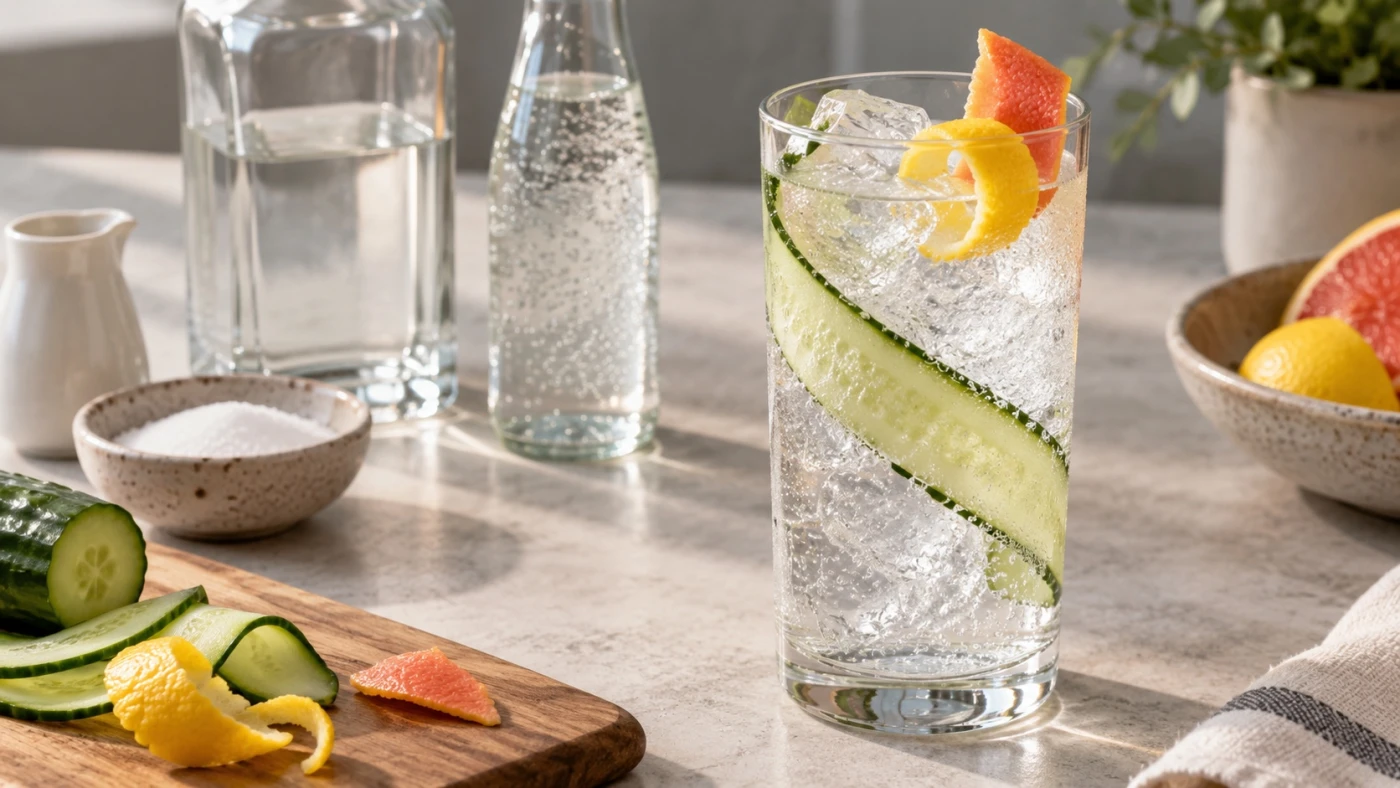
Strong carbonation makes a vodka drink feel brisk and can lift citrus or botanical aromas. Softer carbonation produces a rounder, quieter drink. Neither is inherently better, but flat tonic makes almost any combination seem heavy and sweeter than intended.
Container choice matters when buying. If you usually prepare one drink at a time, a small can or bottle may be more practical than a large container that will be opened repeatedly. Pour gently, avoid unnecessary stirring, and add the tonic close to serving so fewer bubbles are lost.
4. Acidity
Acidity helps tonic taste fresh and can counter sweetness, but a highly acidic mixer combined with a generous squeeze of lemon or lime may become pointed. If citrus is central to the serve, choose a tonic whose acidity leaves room for it. If the garnish supplies aroma rather than juice, a brighter tonic may provide the required lift by itself.
5. Aromatic profile
Some tonics stay close to a classic bitter-citrus profile; others foreground elderflower, Mediterranean herbs, cucumber, pepper, or other botanicals. These flavours should be treated as part of the drink's design.
An aromatic tonic is useful when you deliberately want a flavoured long drink. It is less suitable when the purpose is to compare vodkas or preserve a subtle spirit. Read the label for declared flavour cues, but treat evocative product names as a starting point rather than proof of how the tonic will taste.
Match the tonic to the vodka and the drink
Start with the feature you want to preserve. If the vodka is light, soft, or texturally delicate, look first for restrained bitterness, moderate sweetness, and no dominant botanical flavour. This keeps the mixer from erasing the spirit.
A richer or more assertive vodka can stand up to firmer bitterness and stronger carbonation. Vodka with a faint grain-like or peppery impression may work well with a crisp citrus-led tonic. A round, creamy-feeling vodka may benefit from a drier tonic that prevents the finished drink from seeming overly sweet.
Flavoured vodka requires an additional check: the tonic and vodka should share or complement an aromatic direction. Citrus vodka is generally easier to combine with classic or citrus-led tonic than with an unrelated floral mixer. Berry, vanilla, or other sweet-seeming flavours can become cloying beside a sugary tonic, so begin with a drier, less aromatic option.
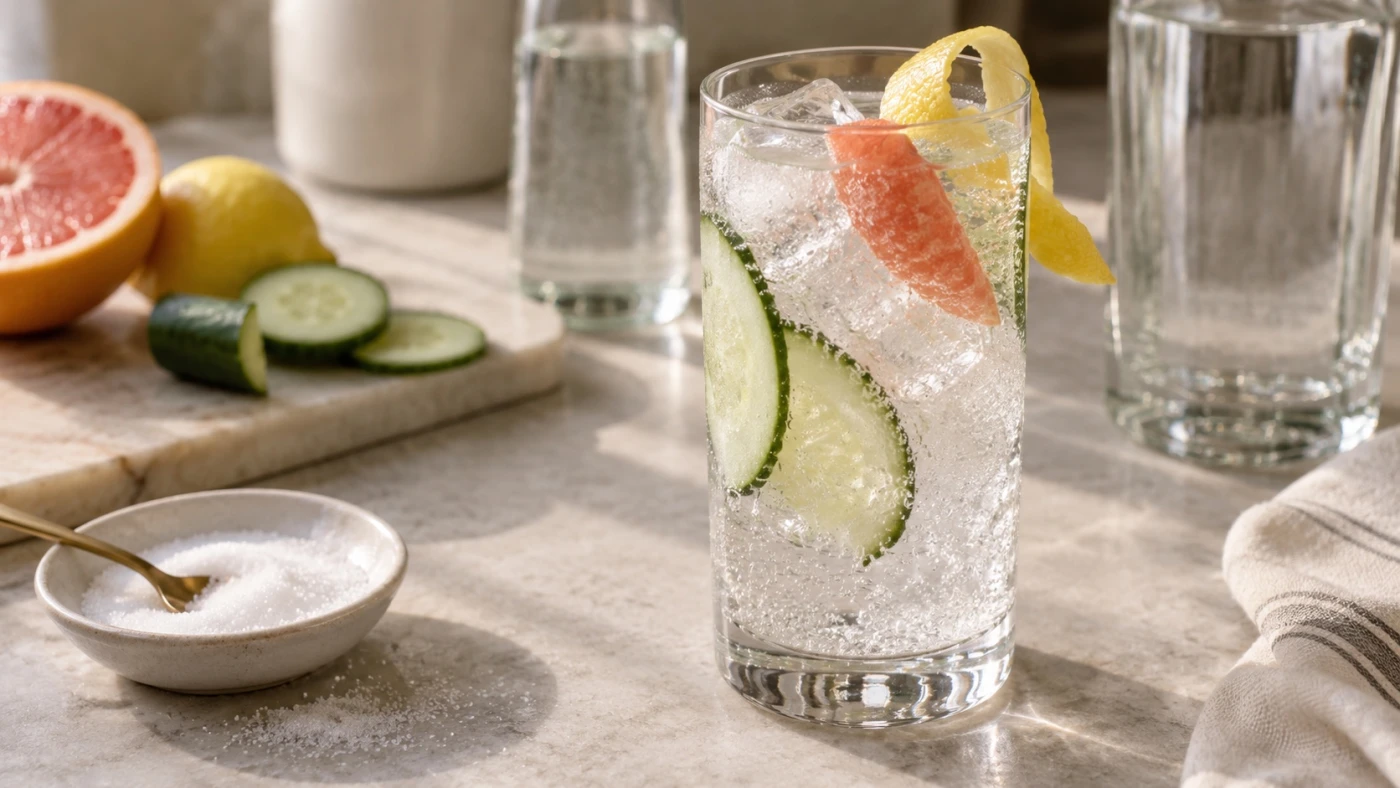
The garnish completes the system. Lemon peel reinforces bright citrus; grapefruit can add both aroma and bitterness; cucumber pulls the drink toward a cool vegetal profile. When the tonic already has a pronounced flavour, keep the garnish simple rather than stacking several competing aromas.
A practical way to choose before buying more
Use the label to narrow the field, then let a controlled comparison make the decision. Choose two tonics that differ in one obvious way, such as classic versus low-sugar or neutral versus floral. Taste each chilled on its own and note the first impression, mid-palate sweetness, bitterness after swallowing, aroma, and persistence of the bubbles.
Next, compare them with the same vodka, ice, glass style, and amount of mixer. Change only the tonic. The better option is the one that achieves your intended result—not necessarily the one with the boldest standalone flavour.
If the drink is too bitter, reduce the tonic's dominance or choose a softer style. If it is sticky or heavy, try a drier tonic rather than automatically adding more citrus. If the vodka disappears, use less tonic or select one with fewer added botanicals. If the drink feels dull, fresher carbonation may solve the problem more effectively than extra garnish.
This comparison is also why universal brand rankings are of limited value. Formulations and availability can differ by market, while preferences for bitterness and sweetness are personal. Evaluate the product sold where you live and the vodka you actually pour.
Common misconceptions
“Vodka is neutral, so any tonic will work.” Tonic usually occupies much of the glass and strongly influences its taste and texture. Even subtle differences become obvious in a simple two-component drink.
“More quinine means higher quality.” Bitterness is a style choice, not a quality score. Its value depends on balance with sweetness, acidity, vodka, dilution, and garnish.
“Light tonic is just regular tonic with less sugar.” Some products also change the sweetener system, and that can alter body, bitterness, and finish. Compare the actual ingredient and nutrition information rather than relying on the category name.
“Premium tonic is always more refined.” A costly tonic may use distinctive flavourings or packaging, but that does not guarantee compatibility. A simpler mixer may be the better choice when you want the vodka to remain identifiable.
“A large citrus squeeze fixes an unbalanced tonic.” Citrus juice changes acidity and dilution and can add bitterness from seeds or pith. It may disguise the problem rather than correct it. First decide whether the tonic itself is too sweet, bitter, aromatic, or flat.
The simplest decision rule
Choose tonic according to the role you want it to play. For a vodka-forward drink, favour restrained flavour, moderate sweetness, and lively carbonation. For a tonic-forward long drink, stronger bitterness or deliberate botanical character can be appropriate. For flavoured vodka, check that the tonic supports rather than duplicates or clashes with the main aroma.
When uncertain, begin with the least intrusive option. You can add character through garnish or select a bolder tonic next time, but you cannot recover a subtle vodka once the mixer has overwhelmed it.
Ask AI about this article
Pick a prompt, copy it, or open ChatGPT with this article preloaded.
Frequently Asked Questions
Does premium tonic water make a better vodka drink?
Not automatically. Price does not tell you whether a tonic's sweetness, bitterness, carbonation, or botanical profile will suit your vodka. Compatibility and freshness matter more than prestige.
Why does my vodka tonic taste too bitter?
The tonic may be particularly quinine-forward, the drink may contain too much tonic for your preference, or a bitter garnish such as a large strip of citrus pith may be reinforcing it. Try less tonic, a softer style, or a cleaner garnish.
Should tonic water be tasted on its own first?
Yes. Sampling it alone makes sweetness, bitterness, acidity, aroma, and bubble texture easier to identify. Then taste it with your usual vodka, because dilution and alcohol can change which features seem most prominent.
Comments 0
Login to Post comments