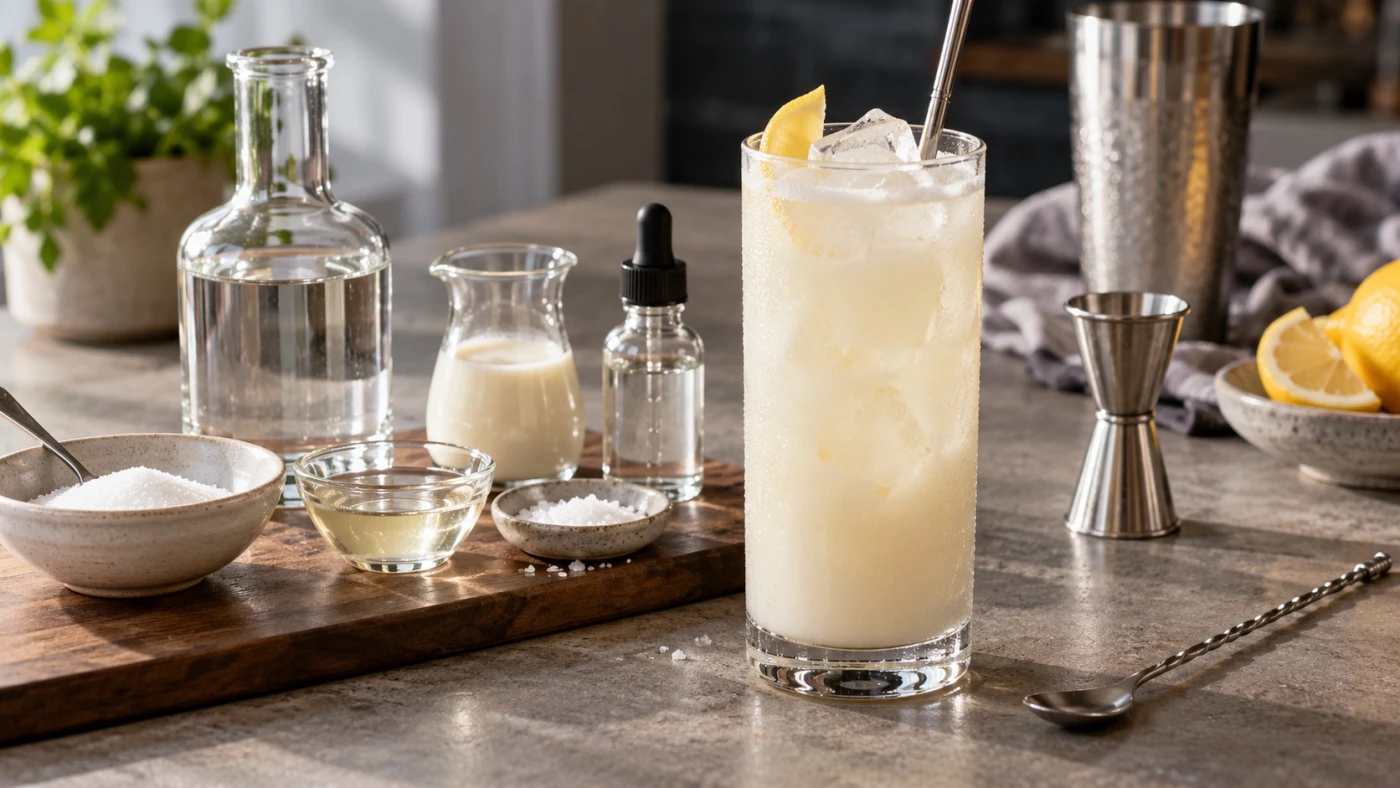

How to Taste and Adjust a Vodka Cocktail Before Serving
The useful question is not merely whether a vodka cocktail tastes “good.” It is: what is out of balance, and which adjustment will correct it without…
- After reading this guide, you should be able to taste a mixed drink systematically, identify whether it needs sweetness, acidity, dilution, concentration or aroma, and make one controlled correction before serving.
- Tasting and adjusting is a feedback loop: bring the cocktail close to its finished state, take a small sample, identify the dominant imbalance, make a modest change, mix thoroughly and taste again.
- That does not make vodka irrelevant: its alcohol level, texture and character still affect the finished drink.
- The goal is not to erase every contrast.
- Temperature, water and carbonation can all affect how aroma, sweetness, acidity and alcohol intensity are perceived.
The useful question is not merely whether a vodka cocktail tastes “good.” It is: what is out of balance, and which adjustment will correct it without creating a different problem? After reading this guide, you should be able to taste a mixed drink systematically, identify whether it needs sweetness, acidity, dilution, concentration or aroma, and make one controlled correction before serving.
What tasting and adjusting actually means
Tasting and adjusting is a feedback loop: bring the cocktail close to its finished state, take a small sample, identify the dominant imbalance, make a modest change, mix thoroughly and taste again.
This matters especially in vodka cocktails because vodka often leaves the drink's modifiers clearly exposed. The sweetness of a liqueur, the acidity of citrus, the bitterness of tonic or the seasoning from saline may be more noticeable when the base spirit contributes relatively little aroma. That does not make vodka irrelevant: its alcohol level, texture and character still affect the finished drink.
The goal is not to erase every contrast. A Martini-style drink may intentionally be dry and spirit-forward; a fruit-led highball may be light and refreshing. Balance means that the components support the intended style, not that sweetness and acidity must seem equal.
Judge the drink in its intended serving state
A room-temperature mixture does not give the same impression as a chilled, diluted cocktail. Temperature, water and carbonation can all affect how aroma, sweetness, acidity and alcohol intensity are perceived. The exact effect depends on the recipe and the drinker, so treat early tasting as provisional.
For a shaken or stirred drink, perform the decisive taste after the normal chilling and dilution step. For a built drink, add the intended ice and carbonated mixer first, then mix gently before sampling. If you are preparing several servings together, taste the combined batch rather than assuming each measured ingredient behaved exactly as expected.
Use a clean spoon, pipette or straw to remove a small sample. Do not return a used tasting utensil to the shared drink. Keep samples small: repeated tastes still count as alcohol consumption and can make later judgments less reliable.
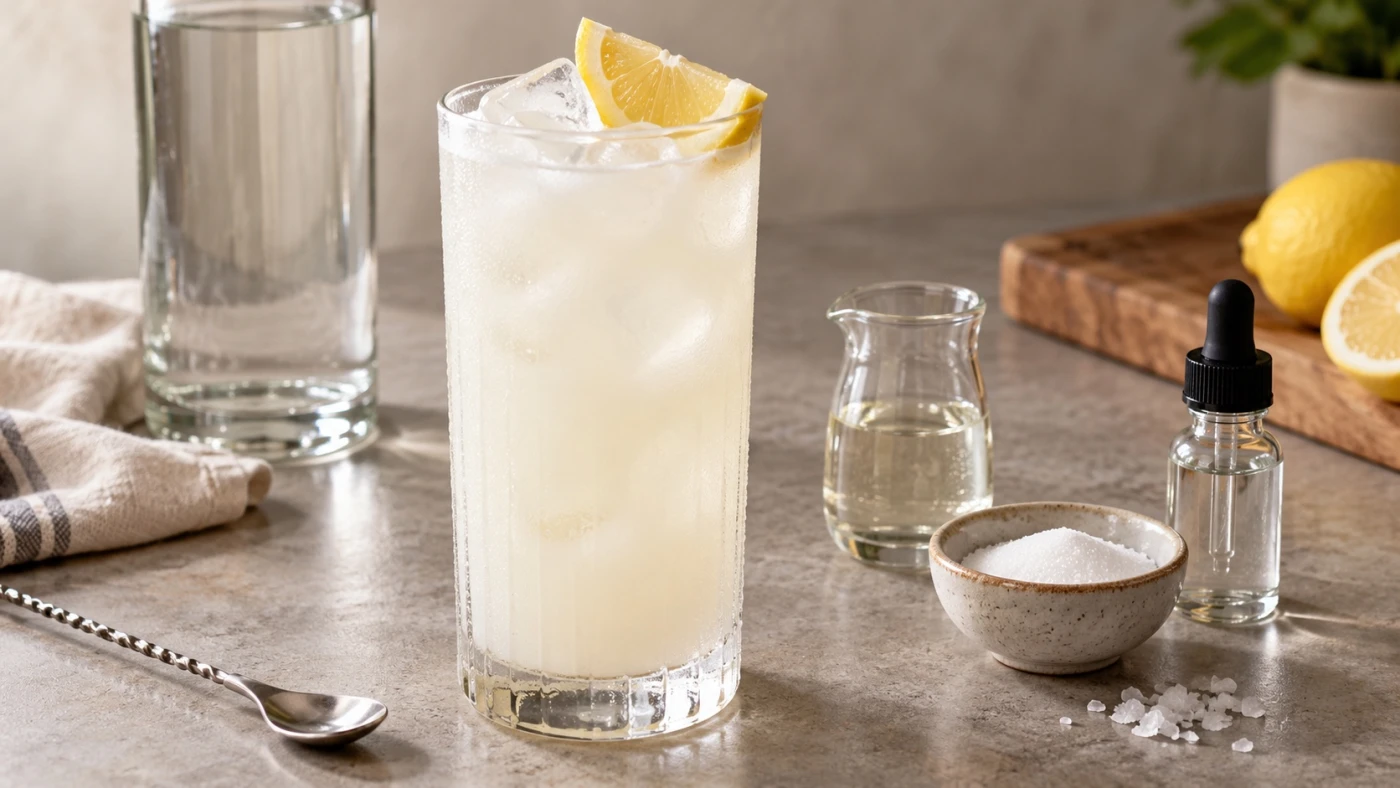
A five-part diagnostic
Instead of asking only “Do I like it?”, examine five dimensions:
- Sweetness: Does sugar soften the drink, or does it linger and hide other flavors?
- Acidity: Does the drink feel lively and defined, or sharply sour? In citrus drinks, acidity can vary from one piece of fruit to another.
- Alcohol intensity: Does the vodka provide welcome structure, or does heat dominate the finish?
- Dilution and concentration: Is the cocktail integrated and easy to drink, or watery, dense or disjointed?
- Aroma and flavor definition: Can you identify the drink's intended character, or does it seem muted despite having enough sweetness and acidity?
These dimensions interact. Sugar can soften the perception of acidity and alcohol; water can reduce intensity across the drink; aromatic garnishes can make a cocktail seem more vivid without changing its basic liquid balance. That is why diagnosis must come before correction.
How to make a controlled adjustment
Change one variable at a time. For a single cocktail, begin with a few drops or a small spoon measure rather than a free pour. For a larger batch, remove a small representative portion and trial the correction there before scaling it across the entire container.
| What you perceive | Likely issue to investigate | First adjustment to trial |
|---|---|---|
| Cloying or sticky | Too much sweetness or insufficient contrast | Add a very small amount of the recipe's acidic or bitter component, if appropriate to the drink |
| Thin and sharply sour | Insufficient sweetness or body | Add a small amount of the existing sweetener |
| Hot or disjointed | Insufficient dilution | Add a small amount of water, mix and retaste |
| Watery and vague | Excess dilution | Strengthen with the drink's existing concentrated components rather than adding more ice |
| Sweet enough but dull | Weak acidity, aroma or flavor definition | Trial a little acidity or refresh the intended aromatic garnish |
| Too bitter or heavily seasoned | Excess modifier | Rebalance with the drink's other components; dilution alone may only make the whole drink thinner |
After each adjustment, mix completely. A teaspoon of syrup at the bottom of a pitcher tells you nothing about the balance of the whole batch. Retaste, then stop when the original fault is corrected. Continuing to “improve” a balanced drink often sends it past the target.
Apply the method to common vodka cocktail styles
A citrus-forward vodka sour: If it is piercing and thin, trial a little more of its existing sweetener. If it is heavy and candy-like, a small amount of fresh citrus may restore definition. If alcohol heat is the only fault, first test added water rather than automatically adding both citrus and sugar.
A vodka Martini-style drink: Judge the intended dryness before making changes. Excess vermouth cannot be corrected simply by adding water, and excess dilution cannot be removed. If the drink is merely too warm or insufficiently integrated, additional stirring with ice may help, but it also adds water; taste frequently rather than stirring indefinitely.
A vodka highball: Check it only after the mixer and intended ice are present. If it tastes weak, determine whether the cause is too much mixer, melting ice or a timid flavor component. Adding vodka will increase alcohol as well as flavor intensity, so it is not automatically the best correction.
A tomato-based vodka cocktail: Taste for seasoning as well as strength. Salt, heat, acidity and savory ingredients can accumulate quickly, and one cannot reliably compensate for every excess. Trial corrections in a separate sample when the full batch would be difficult to recover.
Buying and mixing implications
A more expensive vodka does not automatically solve a balance problem. For drinks with assertive citrus, tomato, ginger or bitters, careful control of modifiers and dilution may matter more than subtle differences between bottles. In a sparse, spirit-forward drink, the vodka's texture and aroma are more exposed, so comparing suitable bottles can have a clearer effect.
When buying, consider the style you actually mix. A neutral vodka can leave delicate modifiers unobstructed; a vodka with more grain, fruit or creamy character may remain more noticeable in a simple cocktail. Neither category is universally superior. The practical test is whether the spirit supports the intended drink without requiring other ingredients to conceal it.
Common misconceptions
- “If it tastes strong, add sugar.” Sweetness can mask some alcohol intensity, but it can also make the cocktail cloying. Trial dilution first when the drink seems hot or poorly integrated.
- “If it tastes flat, add more vodka.” Flatness may come from weak acidity, lost aroma, excessive dilution or stale carbonation. More vodka raises alcoholic strength without necessarily restoring definition.
- “Exact measurements make tasting unnecessary.” Measurement controls the formula; tasting evaluates the result. Ingredient variation, ice and temperature can still alter the final balance.
- “More shaking or stirring only makes a drink colder.” Contact with ice also changes dilution. Once the drink is adequately chilled, continued mixing may move it away from the intended concentration.
- “Balanced means mild.” A cocktail can be intentionally tart, bitter, dry or spirit-forward and still be coherent. Adjust toward the drink's purpose, not toward a generic middle point.
The one-decision rule
Before serving, name the single most obvious problem in plain language: “too sweet,” “too sharp,” “too hot,” “too diluted” or “aroma is missing.” Choose the smallest adjustment that directly addresses that diagnosis, mix and retaste. If you cannot identify a clear fault, serve the drink rather than changing it at random.
This is the central skill: not memorising a universal correction, but learning to connect a sensory observation to one controlled decision.
Ask AI about this article
Pick a prompt, copy it, or open ChatGPT with this article preloaded.
Frequently Asked Questions
Should I taste a vodka cocktail before or after chilling it?
Taste it after it has been chilled and diluted in the way you intend to serve it. You can check the mixture earlier, but that preliminary taste may seem sweeter, sharper or more alcoholic than the finished drink.
How can I fix a vodka cocktail that tastes too strong?
First decide whether the problem is actual concentration or simply prominent alcohol heat. Add a small amount of water, stir, and retaste before reaching for more syrup or juice. If dilution makes the drink thin, the recipe may instead need more of its non-alcoholic flavor components.
Why does my vodka cocktail taste flat even though it is sweet enough?
Flatness is not always a lack of sugar. The drink may need a small increase in acidity, fresher aroma, less dilution or a more expressive modifier. Change only one of those variables at a time so you can identify what helped.
Comments 0
Login to Post comments