

Making Peace in the War on Vodka: Neutrality Is a Tool
Why has vodka become a fault line in cocktail culture, and does choosing it mean sacrificing flavor? The useful answer lies between unquestioning loyalty…
- The “war” is not a formal movement.
- It is shorthand for a recurring argument about the value of vodka in serious cocktails.
- On one side, critics favor spirits whose identity is immediately apparent: juniper in gin, agave character in tequila, sugar-cane notes in rum or fermentation and barrel influence in whiskey.
- From that perspective, a highly neutral vodka can appear to remove rather than add information.
- A spirit does not need to dominate a drink to perform a function.
Why has vodka become a fault line in cocktail culture, and does choosing it mean sacrificing flavor? The useful answer lies between unquestioning loyalty and automatic dismissal. By the end of this article, you should be able to explain what vodka's relative neutrality does in a mixed drink and decide whether a restrained or more characterful bottle better serves the cocktail in front of you.
What is the “war on vodka”?
The “war” is not a formal movement. It is shorthand for a recurring argument about the value of vodka in serious cocktails.
On one side, critics favor spirits whose identity is immediately apparent: juniper in gin, agave character in tequila, sugar-cane notes in rum or fermentation and barrel influence in whiskey. From that perspective, a highly neutral vodka can appear to remove rather than add information.
On the other side, vodka drinkers and mixers value precisely that restraint. A spirit does not need to dominate a drink to perform a function. Vodka can contribute alcoholic structure, weight and a clean framework while leaving quieter ingredients legible.
Both positions contain a valid observation. A neutral base can expose thoughtful ingredient combinations, but it can also expose the absence of an idea. The quality of the result depends on how neutrality is used.
Neutral does not mean nonexistent
Calling vodka “neutral” is comparative. It means that its recognizable aroma and flavor are generally less assertive than those of many other spirit categories. It does not mean every vodka is sensorially identical or that the liquid contributes nothing.
Differences may appear as faint cereal, mineral, citrus-like, sweet-seeming or peppery impressions. Texture can seem lean, creamy, oily or firm, while the finish may feel soft or sharply alcoholic. Some of these impressions may relate to raw materials and production choices, but it is unsafe to infer a particular ingredient or method from taste alone. Producer documentation is the appropriate source for specific production claims.
Serving conditions also affect perception. Strong chilling tends to suppress aroma and can make differences harder to notice. As a drink warms, both alcohol and subtler aromatic details may become more apparent. Dilution changes the balance again. These are practical sensory observations, not a promise that every drinker will perceive the same notes.
What vodka contributes to a cocktail
A cocktail has a flavor hierarchy: some elements lead, some connect, and others provide structure. Vodka is most persuasive when the intended lead flavor comes from somewhere else.
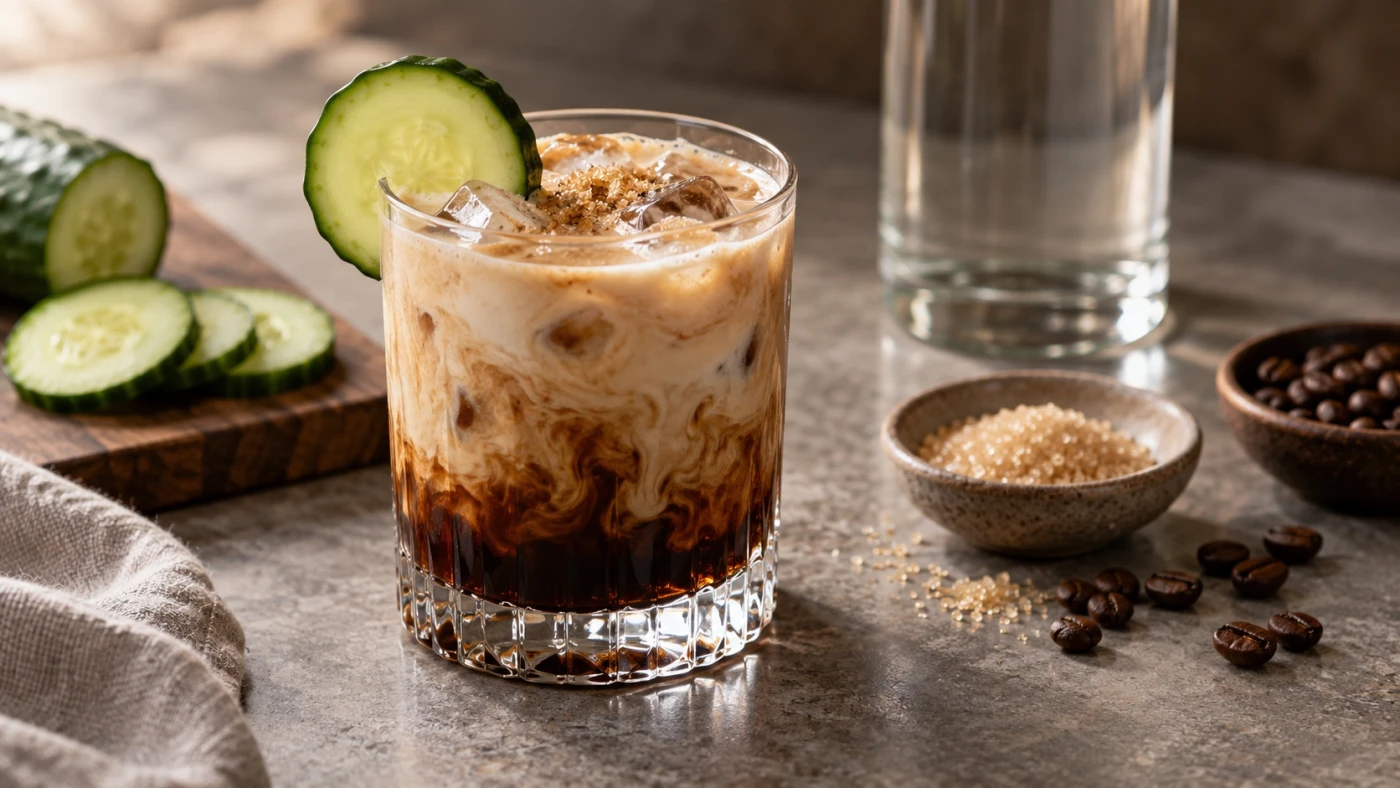
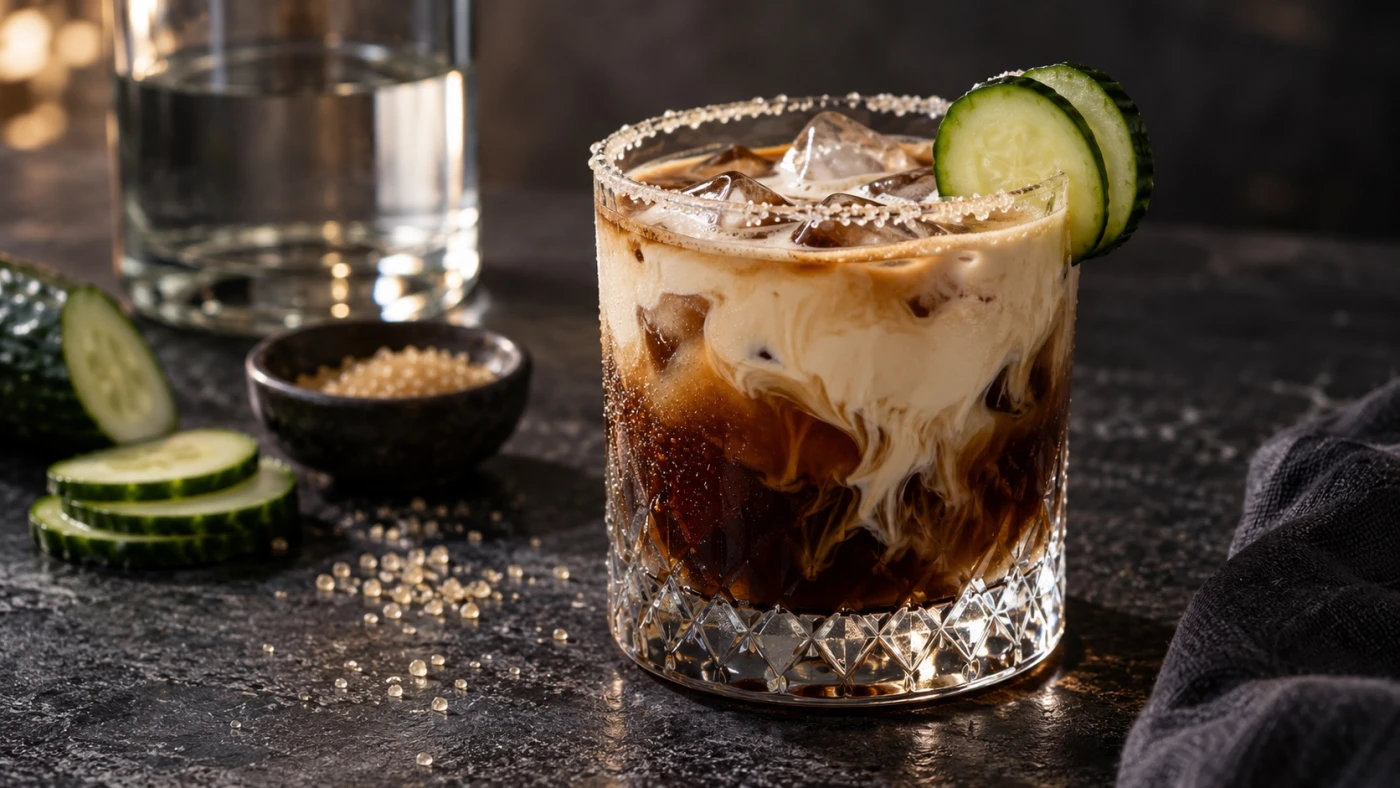
Consider a drink built around delicate tea, cucumber, soft herbs or a subtle fortified wine. Gin may add welcome botanicals, but it may also turn those ingredients into supporting players. Whiskey would introduce an entirely different set of grain and, where applicable, maturation flavors. Vodka allows the mixer to decide that the infusion, produce or modifier—not the base spirit—should occupy the foreground.
This does not make vodka an invisible source of alcohol. Alcohol changes how a drink feels and how aromas are delivered, while the vodka's own texture and finish remain part of the result. The contribution is structural and sensory even when it is not loudly aromatic.
That distinction explains why substituting another spirit is not automatically an improvement. More flavor is not the same as better balance. A substitution can produce a good drink, but it produces a different hierarchy.
How to apply the idea when buying vodka
Begin with the intended drink rather than a universal ranking. If vodka will share the glass with assertive citrus, ginger, coffee or tomato, minute differences between bottles may be difficult to distinguish. A sound, cleanly presented bottle at a comfortable price may be the rational purchase.
If the vodka will be prominent—served with little modification or paired with restrained ingredients—pay closer attention to aroma, texture, alcohol integration and finish. In that setting, the difference between a lean, crisp expression and a rounder one can influence the whole drink.
Labels and producer materials can help establish declared raw materials, location and production details, but descriptive language such as “smooth” is not a standardized tasting guarantee. For US products, the Alcohol and Tobacco Tax and Trade Bureau is the relevant authority for federal labeling and identity standards. Treat prestige, packaging and filtration claims as information to evaluate, not substitutes for deciding whether the bottle suits your use.
How to apply the idea when mixing
Before reaching for vodka, ask one question: What should lead this drink?
- If the base spirit should lead: choose an expressive vodka whose texture or subtle character remains perceptible, or consider whether another spirit better fits the goal.
- If another ingredient should lead: choose a restrained vodka and avoid adding spirit character merely for the sake of complexity.
- If the drink tastes hollow: do not assume a more expensive vodka will repair it. The missing element may be acidity, aroma, bitterness, dilution or contrast.
- If the drink tastes crowded: replacing an assertive base with vodka may clarify the ingredients already present.
This decision rule is the practical peace treaty: evaluate vodka by the role it performs, not by whether it wins a contest for the strongest standalone personality.
Misconceptions that keep the argument going
“Vodka has no flavor”
Vodka generally has less overt character than many spirits, but relative neutrality is not sensory absence. Aroma, texture, finish and alcohol presentation still matter.
“Neutral spirits are only for hiding alcohol”
Vodka can certainly be buried under sweet or strongly flavored mixers. It can also be used deliberately to preserve fragile flavors that a more assertive base would cover. The design of the drink—not the category name—determines which is happening.
“More distillation or filtration must mean better vodka”
Process counts are easy to market but difficult to translate into a universal quality scale. Equipment, cut decisions, starting material, proofing water and the intended style all matter. Without detailed producer evidence, a large number alone cannot establish how a bottle will taste or perform.
“A more flavorful spirit always makes a better cocktail”
An assertive spirit supplies more of its own identity, but it can also compete with the intended focal ingredient. Complexity is useful only when its parts remain coherent.
Where the evidence has limits
Vodka production varies widely, and a label rarely supplies enough information to reconstruct every production decision. Sensory language is also partly subjective: two people can agree that bottles differ while describing those differences in different words.
For that reason, production details should be attributed to regulators or producers, while tasting descriptions should be treated as observations rather than laboratory conclusions. The central recommendation here is editorial and practical: match the intensity of the base spirit to the flavor hierarchy you want.
The war on vodka becomes unnecessary once neutrality is understood as a capability with trade-offs. It can create space, reveal delicate ingredients and simplify a crowded drink; it cannot replace balance or rescue an incoherent idea. Choose vodka when restraint has a purpose, and choose something else when the base spirit needs to speak more loudly.
Ask AI about this article
Pick a prompt, copy it, or open ChatGPT with this article preloaded.
Frequently Asked Questions
Why do some cocktail enthusiasts dislike vodka?
Much of the criticism comes from valuing spirits with immediately recognizable raw-material, fermentation or maturation character. Vodka can also be associated with drinks that use sweetness or strong mixers to conceal poor balance. Those criticisms identify possible weaknesses in a drink, but they do not show that neu.
When is a more neutral vodka the better choice?
It is often the better choice when delicate ingredients should remain at the front of the drink, such as subtle citrus, tea, herbs or lightly flavored fortified wines. A restrained base can supply structure without adding a competing botanical, grain or barrel signature.
Does replacing vodka with gin always improve a cocktail?
No. Gin introduces botanicals that can add complexity, but those botanicals can also overwhelm or redirect the drink. The substitution is worthwhile only when that added flavor supports the intended result.
Comments 0
Login to Post comments