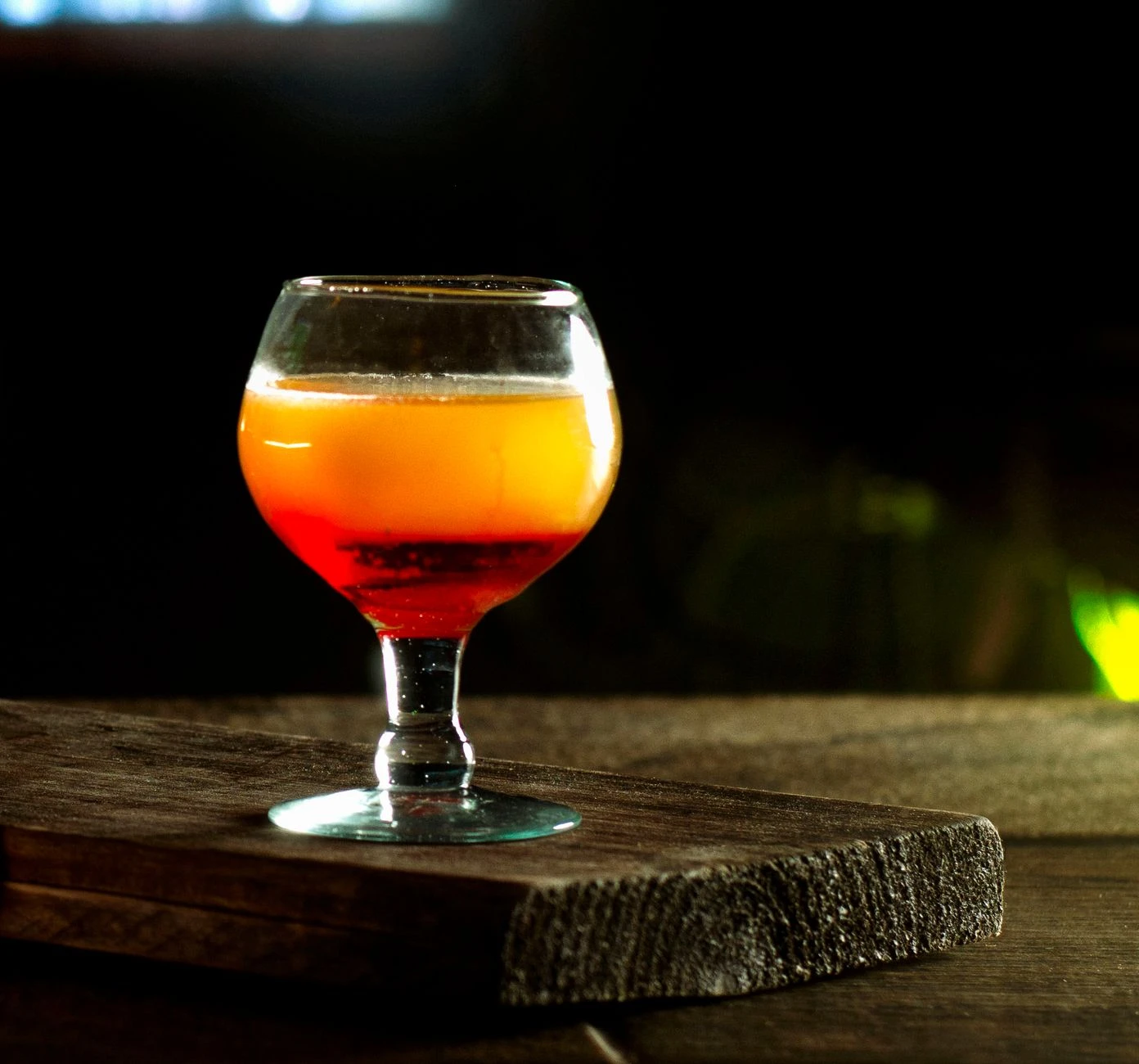
Neal Bodenheimer’s Porron Cocktail Guide
A bright, low-proof Porron Cocktail guide with Pineau des Charentes, gin, orange bitters, US/UK measures, variations, and home-bar tips. Neal Bodenheimer’s Porron Cocktail is.
Neal Bodenheimer’s Porron Cocktail is the kind of drink that makes you pause after the first sip and ask, “Why don’t more aperitif cocktails taste like this?” It is bright, wine-led, lightly herbal, and lower in alcohol than a classic Martini, which makes it useful before dinner, at brunch, or when you want elegance without a knockout pour.
Here’s the thing: the name sounds niche, but the build is friendly. Pineau des Charentes brings fruit and body. Gin brings snap. Orange bitters tie the room together. If you already enjoy low-lift drinks like the ones in 11 Low Alcohol Cocktail Recipes, this belongs on your home bar shortlist.
What Neal Bodenheimer’s Porron Cocktail Is
Neal Bodenheimer’s Porron Cocktail is best understood as a modern aperitif cocktail with a Martini-like brain and a wine-bar soul. It is built around Pineau des Charentes, a fortified French wine made by combining grape must with Cognac eau-de-vie, then aging it until it tastes round, fruity, lightly nutty, and gently warming.
The “porron” part points to the Spanish glass wine pitcher designed for communal, stream-from-a-distance pouring. At home, you do not need to perform the full party trick. You can serve the drink in a chilled coupe, small white wine glass, or Nick & Nora and still get the point: brisk, social, unfussy refreshment.
Neal Bodenheimer is strongly associated with New Orleans cocktail culture, especially Cure and Cane & Table. That matters because this drink feels New Orleans in the best way. It is polished, but not stiff. It borrows from European aperitif traditions, then makes them feel relaxed enough for a humid Saturday afternoon.
Let’s be honest: many “low-proof” cocktails taste like diluted wine with a garnish. This is different. In my experience, the gin gives enough backbone to keep the drink cocktail-like, while the Pineau keeps it from becoming sharp or boozy. If you enjoy the structure of classics from 15 Classic Cocktails Every Home Bartender Should Know, but want something softer, this is easily one of the best modern options to learn.
Ingredients For Neal Bodenheimer’s Porron Cocktail
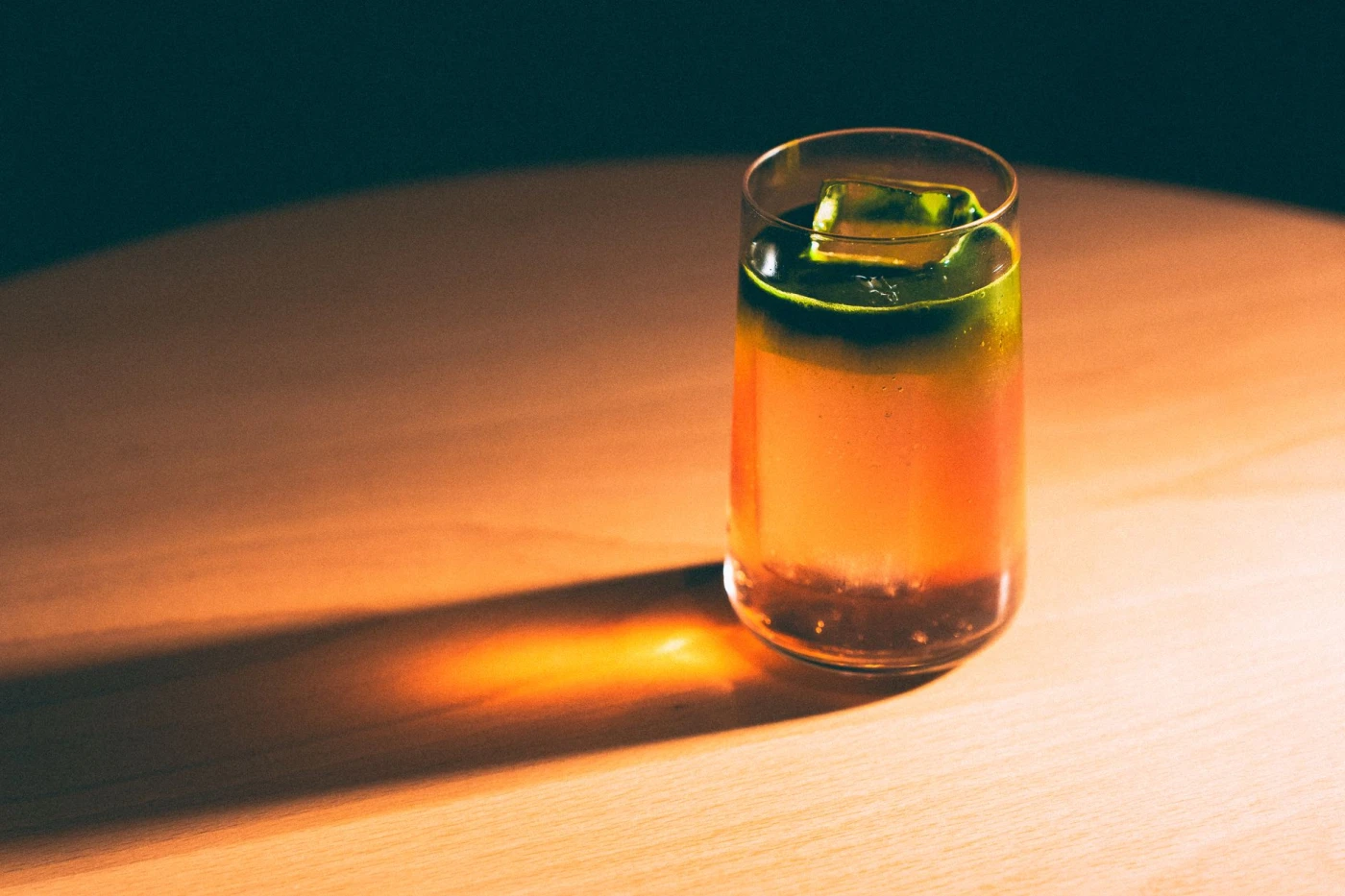
The ingredient list is short, so quality matters. You are not hiding behind cola, cranberry, ginger beer, or heavy syrup. For Neal Bodenheimer’s Porron Cocktail, freshness and temperature do most of the work.
Ingredients for one drink:
- 2 oz (60 ml) Pineau des Charentes, preferably white Pineau, chilled
- 1 oz (30 ml) dry gin, chilled if possible
- 2 dashes orange bitters, about 1/8 tsp (0.6 ml)
- 1 wide orange twist, expressed over the drink
- Ice, enough to fill a mixing glass two-thirds full
For Pineau, look for brands such as Château de Beaulon, Navarre, Prunier, or Paul-Marie & Fils. In the US, a 750 ml bottle often runs about $25 to $45. In the UK, expect roughly £18 to £35, depending on region and retailer. White Pineau usually sits near 17% ABV, though you should always check the bottle label. The TTB is a useful reference point for US alcohol labeling standards.
For gin, I like Beefeater 40% ABV, Tanqueray 43.1% ABV in the UK or 47.3% ABV in many US markets, Plymouth 41.2% ABV, Sipsmith 41.6% ABV, or Ford’s 45% ABV. After testing sweeter and softer gins, I would skip anything too perfumed. You need citrus, dryness, and lift.
If your home bar leans vodka, keep this drink in the same mental folder as clean, fast builds from 10 Vodka Cocktails You Can Make In Under 5 Minutes. It is simple, but it still rewards care.
How To Make Neal Bodenheimer’s Porron Cocktail
The technique for Neal Bodenheimer’s Porron Cocktail is closer to a Martini than a sour. No shaking. No foam. No citrus juice. You stir because you want clarity, chill, and a silkier texture.
- Put your glass in the freezer for 10 minutes, or fill it with ice water while you build the drink.
- Add 2 oz (60 ml) chilled Pineau des Charentes to a mixing glass.
- Add 1 oz (30 ml) dry gin.
- Add 2 dashes orange bitters.
- Fill the mixing glass two-thirds full with hard, cold ice.
- Stir for 20 to 25 seconds, aiming for very cold liquid without watery softness.
- Discard the ice water from your serving glass if using it.
- Strain into the chilled glass or carefully pour into a clean porron.
- Express an orange twist over the surface, then drop it in or discard it for a cleaner look.
Serve at about 28°F to 34°F (-2°C to 1°C) if you can. That sounds fussy, but temperature is the hidden ingredient. A warm pour makes the Pineau taste loose and sweet. A very cold pour makes the acidity and gin botanicals snap into place.
In my experience, smaller servings are better. A 3 oz (90 ml) pre-dilution build feels refined and drinkable. A giant glass loses the charm. If you are making a tray for friends before dinner, batch the Pineau and gin in a bottle, chill it hard, then stir individual portions with ice and bitters. For more make-ahead logic, see 10 Best Portable Picnic Drinks That You Can Make Ahead Or In Minutes.
Pro Tips For A Cleaner Porron Cocktail
Here’s the thing with Neal Bodenheimer’s Porron Cocktail: it looks simple enough to wing, but the details show up fast. I have made versions that tasted sharp, versions that tasted flabby, and a few that felt perfectly locked in. The difference was rarely the recipe. It was handling.
Chill everything. Pineau goes in the fridge after opening, just like vermouth. Use it within four to six weeks for the cleanest flavor. If it starts tasting tired, cooked, or flat, save it for cooking and open a new bottle.
Use fresh bitters. Orange bitters seem immortal, but they fade. Angostura Orange, Regans’ Orange Bitters No. 6, and Fee Brothers West Indian Orange all work, though each changes the drink. Angostura is round. Regans’ is drier. Fee Brothers is sweeter and more confectionery.
Measure the gin. Do not free-pour this one unless your jigger work is genuinely reliable. Too much gin drags the drink toward a Martini and buries the Pineau. Too little gin makes it taste like cold fortified wine.
After testing orange twists against lemon twists, I prefer orange. Lemon is brighter, yes, but it can make the Pineau seem thinner. Orange oil adds width. If you want a sharper winter version, use a tiny strip of grapefruit peel instead.
This drink also teaches a useful home-bartending lesson: low-proof does not mean low-detail. The best aperitif cocktails are built with the same discipline you would bring to drinks in Best Whiskey Cocktails For Beginners, just with lighter ingredients.
Choosing Pineau And Storing It Well
Because Pineau des Charentes carries most of the flavor in Neal Bodenheimer’s Porron Cocktail, it deserves the same attention you would give vermouth in a Martini. Buy from a shop with decent turnover, check that the bottle has not been sitting in a sunny window, and avoid anything that looks dusty, leaking, or heat-damaged. A fresh bottle should smell like ripe grapes, honeyed orchard fruit, flowers, and a little Cognac warmth, not stale raisins or flat cooking wine.
White Pineau is the easiest choice for this recipe because it keeps the drink pale, brisk, and citrus-friendly. Red Pineau can work, but it brings berry, tannin, and more obvious sweetness, so the cocktail starts moving toward sangria territory. If red Pineau is all you have, try 1 1/2 oz (45 ml) red Pineau, 1 oz (30 ml) gin, and 1/2 oz (15 ml) dry vermouth to tighten the finish.
Once opened, recap the bottle, refrigerate it, and write the opening date on a small piece of tape. That one boring habit prevents a lot of disappointing drinks. If the Pineau still tastes lively after a month, keep using it. If it tastes dull, use it in a pan sauce for chicken, pork, or mushrooms and start the cocktail with a fresher bottle.
Variations On Neal Bodenheimer’s Porron Cocktail
Once you understand the original balance, Neal Bodenheimer’s Porron Cocktail becomes easy to bend. Keep the formula in your head: fortified wine body, botanical edge, citrus bitters, cold service. Then change one part at a time.
Spritz-Style Porron
- 2 oz (60 ml) Pineau des Charentes
- 1/2 oz (15 ml) dry gin
- 2 oz (60 ml) chilled soda water
- 1 dash orange bitters
Build over ice in a wine glass. This is my pick for hot July afternoons, garden lunches, and anyone who wants a longer drink.
Fino Porron
- 1 1/2 oz (45 ml) Pineau des Charentes
- 1/2 oz (15 ml) fino sherry
- 1 oz (30 ml) dry gin
- 2 dashes orange bitters
Stir and strain. Fino adds salt, almond, and dryness. It is brilliant with olives.
Vodka Porron
- 2 oz (60 ml) Pineau des Charentes
- 1 oz (30 ml) quality vodka
- 2 dashes orange bitters
- Orange twist
Tito’s Handmade Vodka at 40% ABV gives a softer, cleaner version for readers who do not love juniper. It is less complex, but still useful. For a related citrus-friendly home pour, see the Madras Cocktail.
Holiday Sparkling Porron
- 1 1/2 oz (45 ml) Pineau des Charentes
- 1/2 oz (15 ml) gin
- 2 oz (60 ml) dry sparkling wine
- 1 dash orange bitters
Use cava, crémant, or a dry English sparkling wine. This one belongs at Christmas parties and New Year’s Eve, especially when Martinis feel too serious.
Common Mistakes With Neal Bodenheimer’s Porron Cocktail
The biggest mistake with Neal Bodenheimer’s Porron Cocktail is treating it like a vague wine spritz. It is not hard, but it is precise. Small errors show up because there are only a few ingredients.
Mistake one: using warm Pineau. Room-temperature Pineau tastes heavier and sweeter. Keep the bottle in the fridge once opened and chill your glass. If your kitchen is 75°F (24°C), you will taste the difference immediately.
Mistake two: choosing the wrong gin. A navy-strength gin at 57% ABV can be fun in other cocktails, but it often overpowers this drink. A heavily floral gin can also clash. Choose dry, clean, citrus-friendly bottles in the 40% to 45% ABV range.
Mistake three: over-stirring. You want cold and lightly diluted, not thin. Start with 20 seconds. Taste once. If it is too hot or tight, stir five seconds more.
Mistake four: adding too much bitters. Two dashes are enough. Four dashes can make the drink taste like orange peel medicine. That sounds dramatic. It happens.
Mistake five: expecting a sweet cocktail. Pineau has sweetness, but the finished drink should feel balanced and aperitif-like. If you want a fruitier 1990s-style profile, browse 90S Drinks Where Are They Now. This drink is more restrained.
Finally, do not pour huge servings. A small, cold glass keeps the drink elegant from first sip to last. Large pours warm up, flatten out, and lose the very thing that makes the recipe memorable.
Pairings And Occasions That Make It Shine
Neal Bodenheimer’s Porron Cocktail is a pre-dinner drink first. That is where it makes the most sense. It wakes up your palate without covering your mouth in sugar, smoke, cream, or oak.
For food, go salty and bright. Marcona almonds, green olives, anchovy toast, crisps, kettle chips, smoked trout, goat cheese, aged cheddar, and prosciutto all work. In the UK, I would put it next to cheese straws, grilled prawns, or a sharp Lancashire cheese. In the US, it is excellent with deviled eggs, fried oysters, or a simple charcuterie board.
Seasonally, this drink is more flexible than it first appears. Spring loves it because of the floral grape notes. Summer loves it because it stays light. Autumn works if you use grapefruit peel or a fino sherry variation. Winter works when you serve the sparkling version before a roast dinner.
Occasion-wise, think brunch, aperitif hour, first drink at a dinner party, picnic bottle, wedding welcome drink, or low-key New Orleans-themed night. It also works when your group is split between wine drinkers and cocktail drinkers. Nobody feels ignored.
Would I serve it after dessert? Usually no. I would switch to coffee, amaro, Cognac, or something darker. But before seafood, roast chicken, salads, tapas, or snacks, this is easily one of the best quiet crowd-pleasers. For more category-crossing ideas, keep classic cocktail templates nearby and think about structure, not just ingredients.
How Strong Is Neal Bodenheimer’s Porron Cocktail?
Neal Bodenheimer’s Porron Cocktail is lower in alcohol than many stirred classics, but it is still a real drink. A standard Martini made with 2 1/2 oz (75 ml) gin and vermouth can land much stronger in the glass. This recipe uses more fortified wine than spirit, which changes the pace.
Here is a useful estimate. If your Pineau is 17% ABV and your gin is 40% ABV, the undiluted mix contains about 1.06 oz of pure alcohol across a 3 oz build. Stirring adds water, often around 20% to 30% dilution. In the finished glass, that usually places the drink around 14% to 18% ABV, depending on ice, stir time, and glass temperature.
That makes it comparable to a strong glass of wine or a light cocktail, not a soft drink. Pace matters. The NIAAA provides US alcohol health research, and Drinkaware offers UK guidance. Serve water, offer food, and practice responsible drinking.
If you want it lighter, use the spritz variation with soda water. If you want it drier, add 1/2 oz (15 ml) fino sherry and reduce Pineau slightly. If you want it stronger, I would be careful. Adding more gin quickly turns the drink into a different cocktail. In my experience, restraint is the charm here.
Quick Reference Cheat Sheet
Use this table when you are making Neal Bodenheimer’s Porron Cocktail without rereading the whole recipe. It is especially helpful if you move between US ounces and UK millilitres, or if you are batching for two, four, or six people.
| Element | US Measure | UK Metric | Notes |
|---|---|---|---|
| Pineau des Charentes | 2 oz | 60 ml | Use white Pineau, chilled |
| Dry gin | 1 oz | 30 ml | Choose 40% to 45% ABV gin |
| Orange bitters | 2 dashes | About 0.6 ml | Do not overdo it |
| Stir time | 20 to 25 seconds | 20 to 25 seconds | Use hard, cold ice |
| Serving temperature | 28°F to 34°F | -2°C to 1°C | Glass should be freezer-cold |
| Garnish | 1 orange twist | 1 orange twist | Express oils over the top |
For two drinks, double everything. For four drinks, combine 8 oz (240 ml) Pineau and 4 oz (120 ml) gin in a chilled bottle, then stir each portion with ice and bitters as guests arrive. Bitters are easier to control per glass than in a batch.
Shopping list? Pineau, gin, bitters, oranges, and plenty of ice. If you are building your broader setup, the home bar starter checklist will help you avoid buying tools you will rarely use.
Final Thoughts On Neal Bodenheimer’s Porron Cocktail
Neal Bodenheimer’s Porron Cocktail earns a place in your rotation because it solves a real hosting problem. You want something more interesting than wine, lighter than a Martini, and more grown-up than a sugary spritz. This drink lands right in that useful middle.
It also teaches good habits. Chill your ingredients. Measure carefully. Taste before changing the recipe. Pick a gin for structure, not ego. Store fortified wine correctly. Those small choices make your cocktails better across the board, whether you are pouring vodka, whiskey, wine-based aperitifs, or beer cocktails.
My preferred home version is 2 oz (60 ml) white Pineau, 1 oz (30 ml) Beefeater or Plymouth gin, 2 dashes Regans’ orange bitters, stirred very cold and finished with orange oil. I would serve it before grilled fish in June, with olives in September, or as a first glass before a New Orleans-style dinner.
Keep the mood easy. The drink is polished, but it should not feel precious. Make one well, hand it to someone who usually says they “do not like strong cocktails,” and watch what happens.
Ask AI about this article
Pick a prompt, copy it, or open ChatGPT with this article preloaded.
Frequently Asked Questions
What is Neal Bodenheimer’s Porron Cocktail?
Neal Bodenheimer’s Porron Cocktail is a light aperitif-style cocktail associated with bartender Neal Bodenheimer of New Orleans. The drink is commonly understood as a low-proof Martini-adjacent serve built with Pineau des Charentes, gin, and orange bitters, then presented with a playful porron influence. It is crisp, g.
How do you make Neal Bodenheimer’s Porron Cocktail at home?
Stir chilled Pineau des Charentes, gin, orange bitters, and ice for about 20 to 25 seconds, then strain into a cold small wine glass, Nick & Nora, coupe, or porron if you own one. Garnish with a thin orange twist. The key is balance: keep the Pineau prominent, use dry gin carefully, and avoid overdiluting the drink.
What ingredients do you need for Neal Bodenheimer’s Porron Cocktail?
You need Pineau des Charentes, dry gin, orange bitters, ice, and an orange twist. Optional ingredients include dry vermouth, fino sherry, sparkling water, tonic, or sparkling wine for variations. Pineau des Charentes matters most because it brings grape sweetness, Cognac warmth, acidity, and orchard-fruit depth that pl.
What gin is best for Neal Bodenheimer’s Porron Cocktail?
A clean London Dry or citrus-forward gin is usually best. Beefeater, Tanqueray, Sipsmith, Plymouth, and Ford’s all work well in the US and UK. I would skip intensely floral or barrel-aged gins because they can fight the Pineau. The gin should sharpen the drink, not take over the glass.
What can replace Pineau des Charentes?
There is no perfect one-for-one substitute, but blanc vermouth plus a small splash of Cognac or brandy can get close in structure. Lillet Blanc is lighter and more citrusy, while fino sherry is drier and nuttier. If substituting, start with the same volume, taste, and adjust sweetness with a tiny amount of simple syrup.
When should I serve Neal Bodenheimer’s Porron Cocktail?
Serve it before dinner, at brunch, during warm-weather gatherings, or with salty snacks. It works especially well in spring and summer because it is aromatic without being heavy. For Thanksgiving, Christmas, or New Year’s Eve, it can also be a smart welcome drink because it feels special while staying lighter than whis.
Comments 0
Login to Post comments