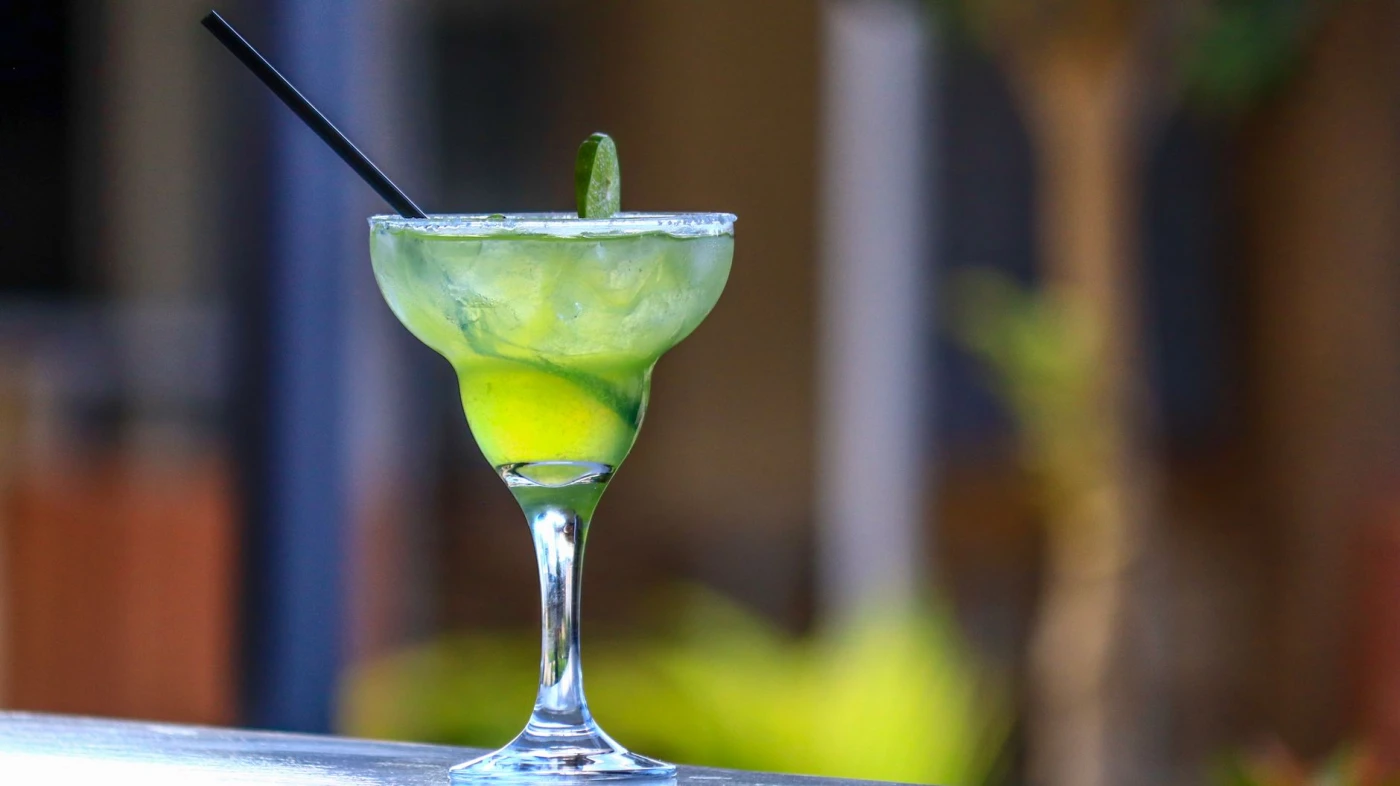

Phil Ward’s Margarita: A Smarter Classic
Phil Ward’s Margarita is a crisp, modern tequila cocktail built for home bartenders who want balance, not syrupy sweetness. Phil Ward’s Margarita is the kind of tequila drink.
Phil Ward’s Margarita is the kind of tequila drink that reminds you how good a Margarita can be when every detail is handled properly. No fluorescent mix. No tired pub sourness. Just blanco tequila, orange liqueur, lime, salt, cold ice, and enough discipline to stop before the drink gets muddy.
Here’s the thing: a Margarita is simple, which means it exposes shortcuts immediately. If you already know the classics from 15 classic cocktails every home bartender should know, this is a useful next step. It is familiar, but more exacting. You will taste the tequila. You will notice the lime. You will care about the rim.
What Is Phil Ward’s Margarita?
Phil Ward’s Margarita is best understood as a bartender’s Margarita: lean, cold, bright, and built with good tequila rather than buried under sugar. Phil Ward became known in modern cocktail circles for precise, agave-forward drinks, and this style fits that reputation. It respects the classic sour template: spirit, citrus, sweetener, and balance.
Let’s be honest. The Margarita has been abused for decades. In the US, you still see huge 16 oz frozen versions with neon mix and a salt crust that could season a steak. In the UK, you may find a sharper pub version made with bottled lime cordial. Both can be fun, but neither is the point here.
This drink sits closer to the speakeasy cocktail world: smaller, stronger, cleaner. Think 3 to 4 oz total liquid before shaking, usually around 25-28% ABV after dilution. That is why quality matters. A 40% ABV blanco tequila brings pepper, citrus peel, cooked agave, and a little mineral snap.
For context, tequila labeling and alcohol standards in the US sit under the Alcohol and Tobacco Tax and Trade Bureau, so it is worth knowing the basics from TTB when you are comparing bottles. This is easily one of the best ways to learn whether your home bar technique is actually improving, because the recipe leaves nowhere to hide.
Why This Margarita Works
The reason Phil Ward’s Margarita feels smarter than many standard Margaritas is not because the formula is complicated. It works because the ratio gives every ingredient a job. Tequila supplies structure and earthy agave flavor. Cointreau adds orange aroma, alcohol, and controlled sweetness. Lime gives the drink its snap. Salt sharpens the edges and makes the citrus seem brighter.
A good Margarita should not taste like limeade with a burn at the end. It should move in stages. First comes cold citrus and salt. Then orange peel. Then the peppery, green, mineral side of tequila. The finish should be clean enough that you want another sip, but not so sweet that you drink it without noticing the alcohol.
That is also why this recipe is a useful test of your setup. If the drink tastes dull, your limes may be old or your ice may be weak. If it tastes harsh, you may need a tiny measure of agave syrup or a slightly shorter shake. If it tastes like orange candy, the Cointreau pour may have crept too high. A drink this direct gives fast feedback.
For home bartenders, that feedback is valuable. You learn how citrus changes by season, how different tequila brands behave, and how dilution changes texture. After two or three careful rounds on different evenings, you will understand more about shaken cocktails than you would from making a dozen sugary party drinks.
Phil Ward’s Margarita Ingredients You Need
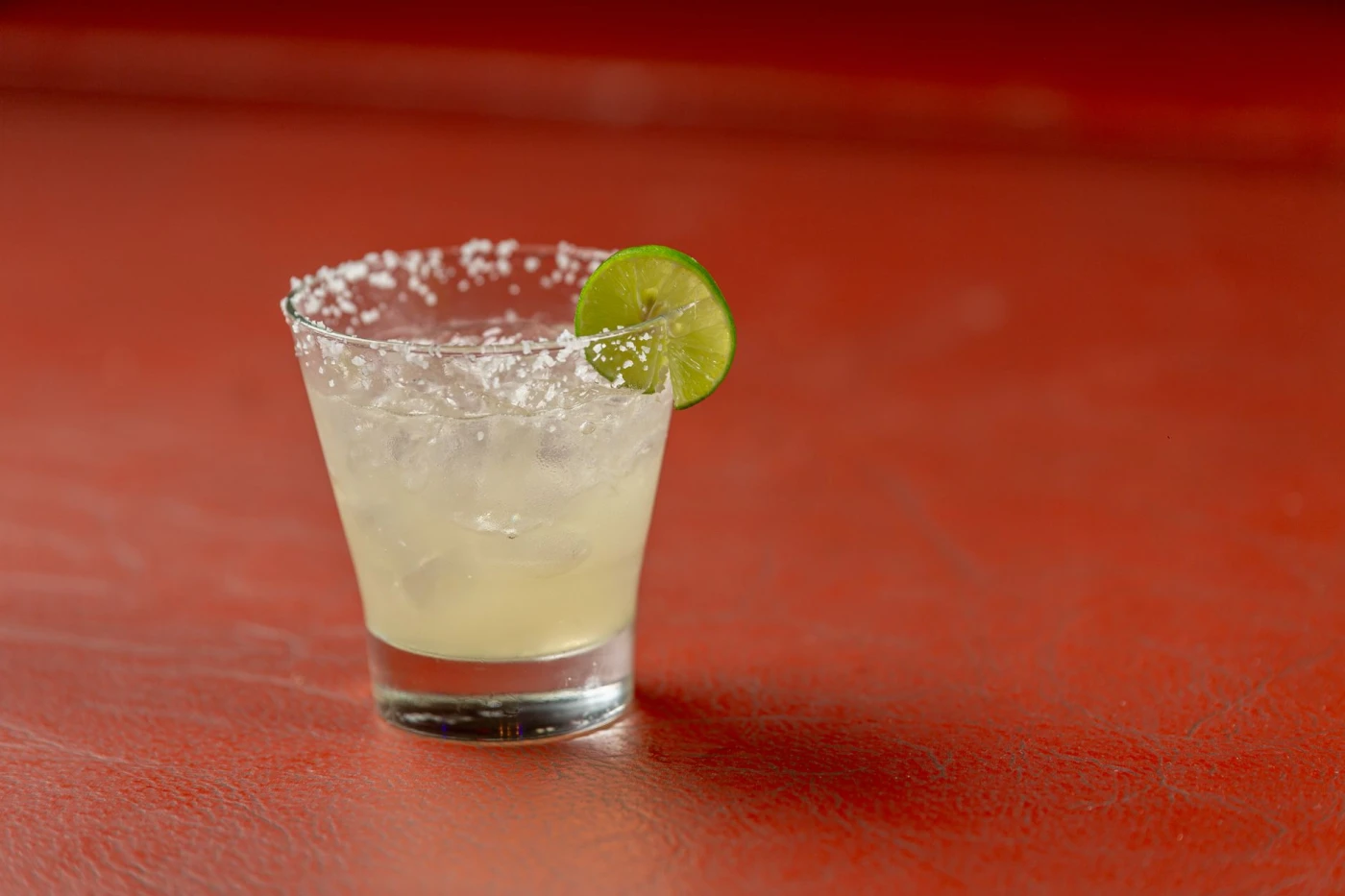
The ingredient list is short, so buy with intention. You do not need the most expensive bottle on the shelf, but you do need 100% agave tequila. In my experience, the best price-to-quality zone is usually $25-$45 in the US or £25-£45 in the UK. Espolon Blanco, Olmeca Altos Plata, Tapatio Blanco, Tequila Ocho Plata, and Siete Leguas Blanco are all useful references.
Cointreau matters because it is dry, orange-led, and 40% ABV. Grand Marnier can work, but it brings brandy weight. Cheap triple sec often brings sugar and little else. Fresh lime is non-negotiable. Bottled lime juice tastes flat because the aroma fades and the acid feels blunt.
Single drink ingredients:
- 2 oz (60 ml) 100% agave blanco tequila, ideally 40% ABV / 80 proof
- 1 oz (30 ml) Cointreau or quality dry orange liqueur
- 1 oz (30 ml) fresh lime juice, strained if pulpy
- 0.25 oz (7.5 ml) agave syrup, optional for softer balance
- 1 small lime wedge for the rim and garnish
- 1 tsp fine sea salt or kosher salt for a half rim
- Ice: enough hard cubes to fill the shaker two-thirds full
If you enjoy fast mixed drinks, compare this build with 10 vodka cocktails you can make in under 5 minutes. The difference is texture. Vodka often disappears into mixers. Tequila does not. That is exactly why Phil Ward’s Margarita rewards careful choices.
How To Make Phil Ward’s Margarita
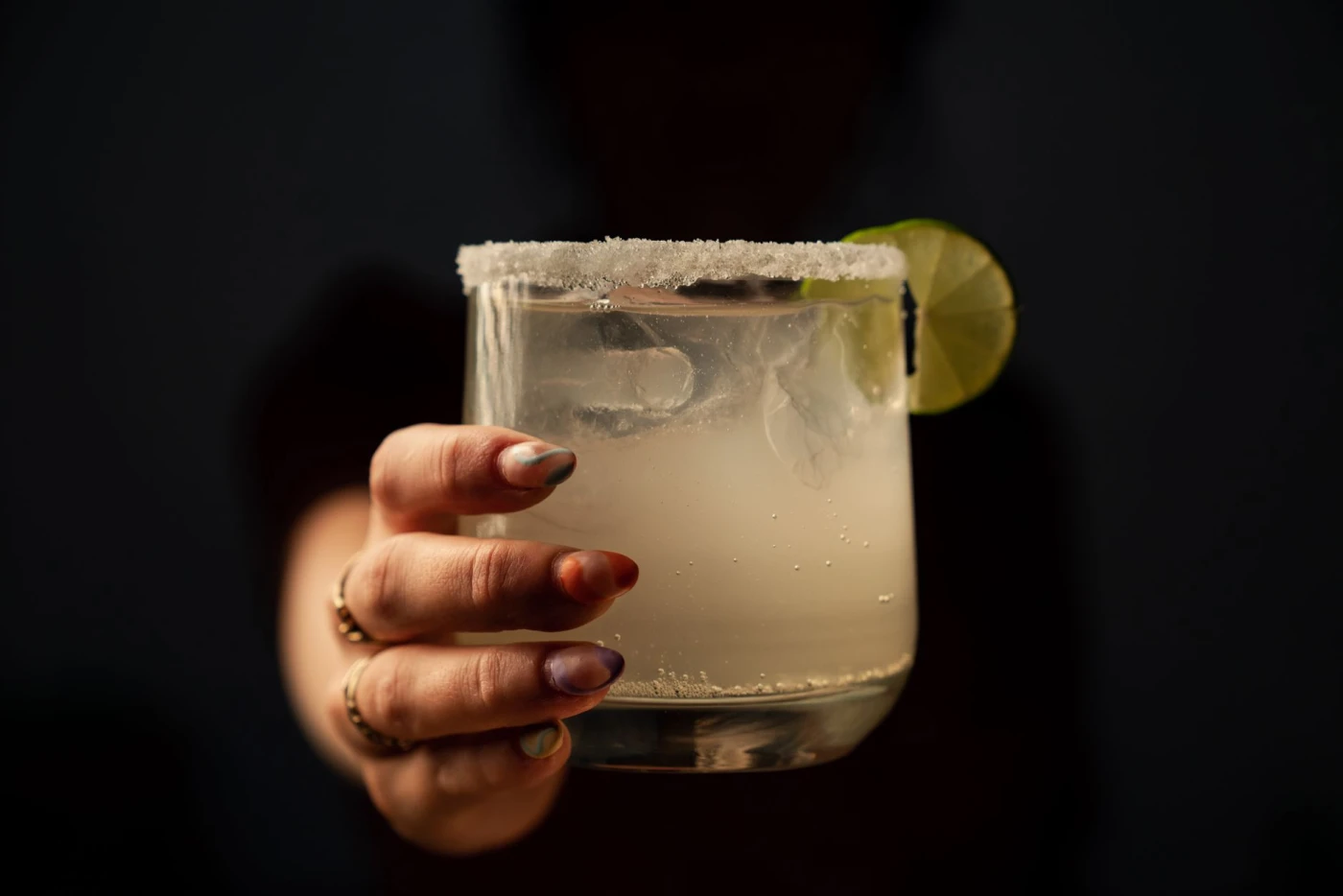
Start colder than you think. A Margarita should feel electric for the first three sips, not lukewarm and heavy. Put your rocks glass in the freezer for 10 minutes, or fill it with ice water while you prep. If your kitchen is warm in July or you are making drinks during a barbecue, this step is not fussy. It is practical.
- Run a lime wedge around half the rim of a chilled rocks glass.
- Dip only that half into fine sea salt or kosher salt.
- Add 2 oz (60 ml) blanco tequila to a shaker.
- Add 1 oz (30 ml) Cointreau.
- Add 1 oz (30 ml) fresh lime juice.
- Add 0.25 oz (7.5 ml) agave syrup if your limes are very sharp.
- Fill the shaker two-thirds full with hard ice cubes.
- Shake hard for 10-12 seconds until the tin feels frosty.
- Strain over fresh ice in the salted rocks glass.
- Garnish with a small lime wedge or a thin lime wheel.
After testing different shake times, I prefer 10 seconds with dense freezer ice and 12 seconds with smaller supermarket ice. More than that can push the drink watery. Less than that can leave it hot and spiky.
Want a softer drink? Add the agave syrup. Want a drier bar-style drink? Skip it. The recipe is a conversation with your lime, not a prison sentence.
Dialing In The Balance
Balance is the real skill in Phil Ward’s Margarita. The written recipe is the starting point, but the best version depends on the exact lime, tequila, orange liqueur, ice, and glass you are using. That sounds dramatic until you taste two limes side by side. One may be fragrant and juicy. Another may be dry, bitter, and aggressively acidic.
If the first sip tastes too sharp, do not panic and pour in a large slug of syrup. Add only 0.25 oz (7.5 ml) agave syrup, shake briefly with a few fresh cubes, and taste again. If it tastes flat or heavy, add a small squeeze of lime. If the tequila disappears, reduce the Cointreau slightly on the next round rather than increasing the spirit.
Glassware changes the experience too. A rocks glass over fresh ice is forgiving because the drink evolves as it sits. The first sip is tight and bracing; five minutes later it is rounder and calmer. A coupe makes the same build feel sharper because there is no fresh ice to continue softening the edges. Neither is wrong, but the rocks serve is easier for most home bartenders and better for relaxed hosting.
Salt should be treated like seasoning at the stove. A half rim is usually best because it lets each person decide how much salt to pull into a sip. For a cleaner look, rub the lime only on the outside edge of the glass instead of wetting the top lip. That keeps loose salt from falling into the drink and making the last inch taste briny.
Pro Tips For Phil Ward’s Margarita
The biggest professional trick is restraint. Do not oversalt the glass. A full thick rim looks dramatic, but it hijacks the first half of the drink. I use a half rim because you can choose salted or unsalted sips. That tiny control makes the drink feel more grown-up.
In my experience, lime temperature matters too. Room-temperature limes juice easily, but the drink tastes best when the finished cocktail is ice-cold. Juice the limes 10 minutes before serving, then keep the juice in the fridge if you are batching. Fresh juice holds its snap for a short window, not all afternoon.
Use a jigger. I know. It feels slower. But with this drink, a casual extra half ounce of Cointreau turns the whole thing into orange candy. A missing quarter ounce of lime makes it flabby. Home bartending gets better when your hand learns exact measures first, then improvises later.
I would skip reposado tequila for your first Phil Ward’s Margarita unless you specifically want vanilla and oak. Blanco keeps the profile clean. If you like whiskey cocktails and barrel notes, you may enjoy comparing that choice with best whiskey cocktails for beginners, but this recipe shines when agave stays in front.
Finally, taste before you serve a second round. Limes vary wildly. One lime can feel sweet and perfumed; another can taste like battery acid. Adjust with 0.25 oz (7.5 ml) agave syrup only when the drink needs it.
Phil Ward’s Margarita Variations
Once you understand the standard Phil Ward’s Margarita, variations become useful rather than random. Change one thing at a time. That is the rule. If you swap tequila, orange liqueur, sweetener, and garnish all at once, you are no longer learning what each ingredient does.
Smoky Mezcal Ward
- 1.5 oz (45 ml) blanco tequila
- 0.5 oz (15 ml) joven mezcal, around 40-45% ABV
- 1 oz (30 ml) Cointreau
- 1 oz (30 ml) fresh lime juice
- 0.25 oz (7.5 ml) agave syrup
This is excellent for autumn dinners, grilled corn, or bonfire-night snacks in the UK. Keep the mezcal modest so smoke supports rather than dominates.
Spicy Jalapeño Margarita
- 2 oz (60 ml) blanco tequila
- 1 oz (30 ml) Cointreau
- 1 oz (30 ml) lime juice
- 2 thin jalapeño slices, shaken and strained
Remove seeds if you want warmth instead of pain. Let’s be honest: macho heat ruins more Margaritas than bad tequila.
Lower-Alcohol Long Margarita
- 1.5 oz (45 ml) tequila
- 0.5 oz (15 ml) Cointreau
- 1 oz (30 ml) lime juice
- 2 oz (60 ml) chilled soda water after shaking
For lighter hosting ideas, see 11 low alcohol cocktail recipes.
Picnic Citrus Margarita
- 2 oz (60 ml) tequila
- 0.75 oz (22 ml) Cointreau
- 0.75 oz (22 ml) lime juice
- 0.25 oz (7.5 ml) grapefruit juice
This version travels well in a chilled flask for parks, beaches, and race-day tailgates. For more portable serves, use portable picnic drinks you can make ahead.
Batching And Hosting Notes
Phil Ward’s Margarita can work for guests, but it is not the kind of drink I would leave in a warm pitcher for hours. Citrus is alive. Once lime juice is squeezed, it slowly loses its lifted aroma and can turn dull or slightly bitter. For the best batch, squeeze limes shortly before people arrive, keep everything cold, and shake smaller portions to order.
For four drinks, combine 8 oz (240 ml) blanco tequila, 4 oz (120 ml) Cointreau, and 4 oz (120 ml) fresh lime juice in a clean bottle or jug. Chill it hard. When serving, pour 3 oz (90 ml) of the mixture into a shaker with ice, add 0.25 oz (7.5 ml) agave syrup only if needed, shake, and strain over fresh ice. That approach keeps the texture lively.
If you need a no-shake option for a casual garden table, add 2.5 to 3 oz (75 to 90 ml) cold filtered water to the four-drink batch, stir well, and keep it in the fridge. Serve over ice in half-salted glasses. It will not have quite the same aerated snap as a shaken Margarita, but it will be much better than trying to shake drinks while food is getting cold.
Hosting also benefits from limits. Put water on the table, offer salty food, and make the second round smaller or longer with soda water. Responsible drinking does not make the cocktail less enjoyable; it keeps the evening comfortable and lets people actually taste what you made.
Common Mistakes With Phil Ward’s Margarita
The first mistake is using sour mix. It saves two minutes and costs the drink its soul. Most commercial mixes taste cooked, sweet, and vaguely lime-flavoured rather than alive. Fresh lime juice gives you volatile aroma, clean acid, and that sharp edge that makes tequila taste taller.
The second mistake is buying the wrong tequila. Avoid bottles that do not clearly say 100% agave. Mixto tequila can include other sugars and often tastes rougher in a simple shaken drink. You do not need a $90 bottle, but I would rather use a $30 bottle properly than hide a cheap one under extra liqueur.
The third mistake is bad ice. Wet, hollow ice melts quickly and gives you a thin drink. Use hard cubes from a freezer set around 0°F / -18°C. If your ice smells like frozen peas, your Margarita will too. Clean the tray.
The fourth mistake is treating salt as decoration. Salt is seasoning. Use fine sea salt, kosher salt, or a small pinch of flaky salt crushed between your fingers. Avoid novelty coloured salts unless the flavour genuinely works.
The fifth mistake is skipping dilution. A drink that is too strong is not automatically better. Shaking adds water, chills the cocktail, and binds citrus with alcohol. For alcohol health and harm-reduction context, both NIAAA and Drinkaware publish useful guidance; enjoy Phil Ward’s Margarita responsibly and pace your pours.
Best Pairings And Occasions
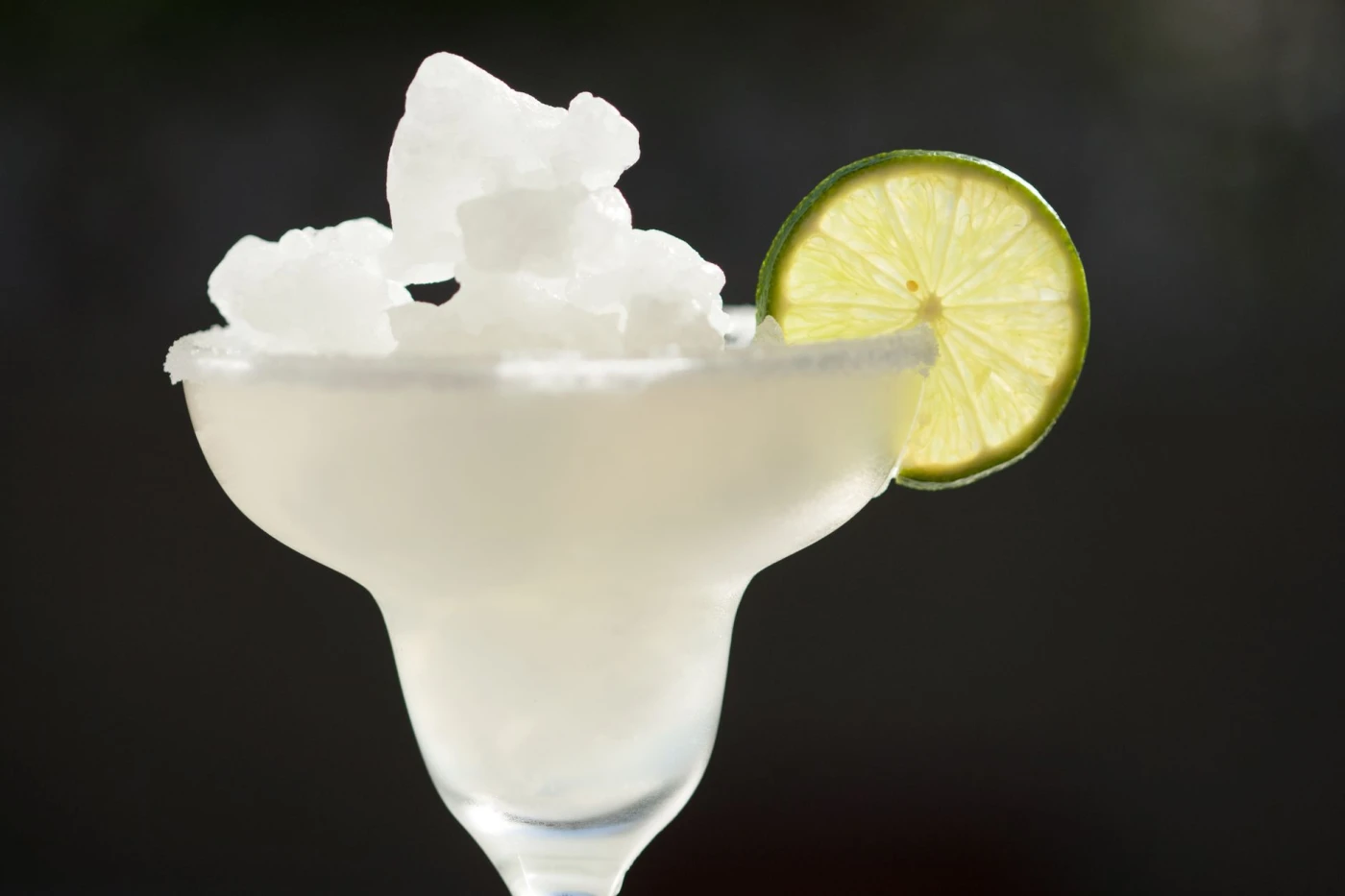
Phil Ward’s Margarita is built for food. The drink has acid, salt, alcohol, and citrus oil, which means it cuts through fat and wakes up spice. Fish tacos are the obvious move, but do not stop there. Try grilled prawns, chicken tinga, pork carnitas, roast cauliflower, elote, guacamole, or a sharp tomato salsa.
In the UK, I like it with fish and chips more than I expected. The lime behaves like malt vinegar’s brighter cousin, and the salt rim echoes the chips. In the US, it is nearly perfect with a Super Bowl nacho tray or a Memorial Day cookout. Summer loves this drink. So does January, honestly, when you need a little citrus drama.
For cheese, choose salty and lively: cotija, feta, aged cheddar, or grilled halloumi. For snacks, go crisp rather than sweet. Tortilla chips, spiced nuts, chilli-lime popcorn, and pickled vegetables all work.
If you are building a broader drinks menu, pair this with a clean vodka highball from the Madras cocktail guide or something nostalgic from 90s drinks where are they now. That gives guests options without making you shake complicated drinks for two hours.
One more practical note: serve Margaritas early in the evening, not after dessert. Citrus and salt are appetite starters. After chocolate cake, the drink can taste too sharp.
Phil Ward’s Margarita Cheat Sheet
Use this quick reference when you do not want to reread the whole recipe with a shaker in your hand. The classic structure is easy to remember: two parts tequila, one part orange liqueur, one part lime. The optional agave is your balance control. Use it when limes are harsh, when guests prefer a softer drink, or when your tequila is especially peppery.
| Component | US Measure | UK Metric | Practical Note |
|---|---|---|---|
| Blanco tequila | 2 oz | 60 ml | 100% agave, 40% ABV / 80 proof |
| Cointreau | 1 oz | 30 ml | Dry orange liqueur keeps it crisp |
| Fresh lime juice | 1 oz | 30 ml | Juice within 10-20 minutes if possible |
| Agave syrup | 0.25 oz | 7.5 ml | Optional; add only if needed |
| Shake time | 10-12 seconds | 10-12 seconds | Stop when the tin turns frosty |
| Serving glass | Rocks glass | Rocks glass | Chill first; serve over fresh ice |
| Salt | 1 tsp | 5 ml spoon | Half rim for better control |
After testing this against sweeter restaurant-style ratios, I keep coming back to the drier version. It tastes more adult, more refreshing, and more like tequila. If you want an easy rule, make the first drink exactly as written. Then adjust drink two by no more than 0.25 oz (7.5 ml). Small moves win.
Final Serving Advice
The best final check is simple: smell the drink before you serve it. You should get lime oil, clean orange, and a definite tequila note. If all you smell is salt, the rim is too heavy. If all you smell is orange, the liqueur is running the show. If you smell almost nothing, the drink may be too warm or the citrus may be tired.
Serve it with a napkin, because salted glasses can sweat. Use a sturdy rocks glass rather than a fragile novelty Margarita bowl if people are standing, cooking, or moving between rooms. Small practical choices make the drink feel considered without making the host look like they are performing a laboratory procedure.
Phil Ward’s Margarita also scales your confidence. Once you can make this well, the same instincts apply to Daiquiris, Sidecars, Whiskey Sours, and countless modern sours. Measure carefully, chill properly, taste honestly, and change one variable at a time. That is the quiet discipline behind a drink that seems effortless.
Phil Ward’s Margarita belongs in your home rotation because it teaches balance without making the process precious. Buy decent blanco tequila, squeeze the lime, measure the Cointreau, and respect the ice. That is the whole game.
If you are stocking up for your first proper cocktail shelf, use the free home bar starter checklist before you buy another random bottle. Your Margaritas, Martinis, highballs, and weekend experiments will all get better from the same smart setup.
Ask AI about this article
Pick a prompt, copy it, or open ChatGPT with this article preloaded.
Frequently Asked Questions
What is Phil Ward’s Margarita?
Phil Ward’s Margarita is a sharp, modern take on the classic Margarita associated with bartender Phil Ward. It keeps the familiar tequila, orange liqueur, lime, and salt structure, but the appeal is precision: fresh citrus, good blanco tequila, controlled dilution, and a clean salt rim. It is not a frozen party drink.
How do you make Phil Ward’s Margarita at home?
Add blanco tequila, Cointreau, fresh lime juice, and optional agave syrup to a shaker with ice. Shake for 10-12 seconds, then strain into a chilled rocks glass over fresh ice with a half-salted rim. Use 2 oz tequila, 1 oz Cointreau, and 1 oz lime as a strong starting point, then adjust sweetness slightly.
What tequila is best for Phil Ward’s Margarita?
A 100% agave blanco tequila is the best choice because it keeps the drink bright, peppery, and clean. Siete Leguas Blanco, Tequila Ocho Plata, Tapatio Blanco, and Fortaleza Blanco all work well if your budget allows. For a more affordable US or UK shelf pick, Espolon Blanco and Olmeca Altos Plata are dependable.
How strong is Phil Ward’s Margarita?
Using 2 oz of 40% ABV tequila and 1 oz of 40% ABV Cointreau, the drink is strong before shaking. After lime juice and ice dilution, it usually lands around 25-28% ABV in the glass. That is stronger than wine and most beer, so pace it like a proper spirit-forward cocktail.
What food goes with Phil Ward’s Margarita?
The drink loves salt, citrus, heat, and fat. Try fish tacos, grilled prawns, nachos with sharp cheddar, guacamole, ceviche, roast chicken, or halloumi skewers. In the UK, it works surprisingly well with fish and chips because the lime cuts through the batter and the salt rim mirrors the seasoning.
Comments 0
Login to Post comments