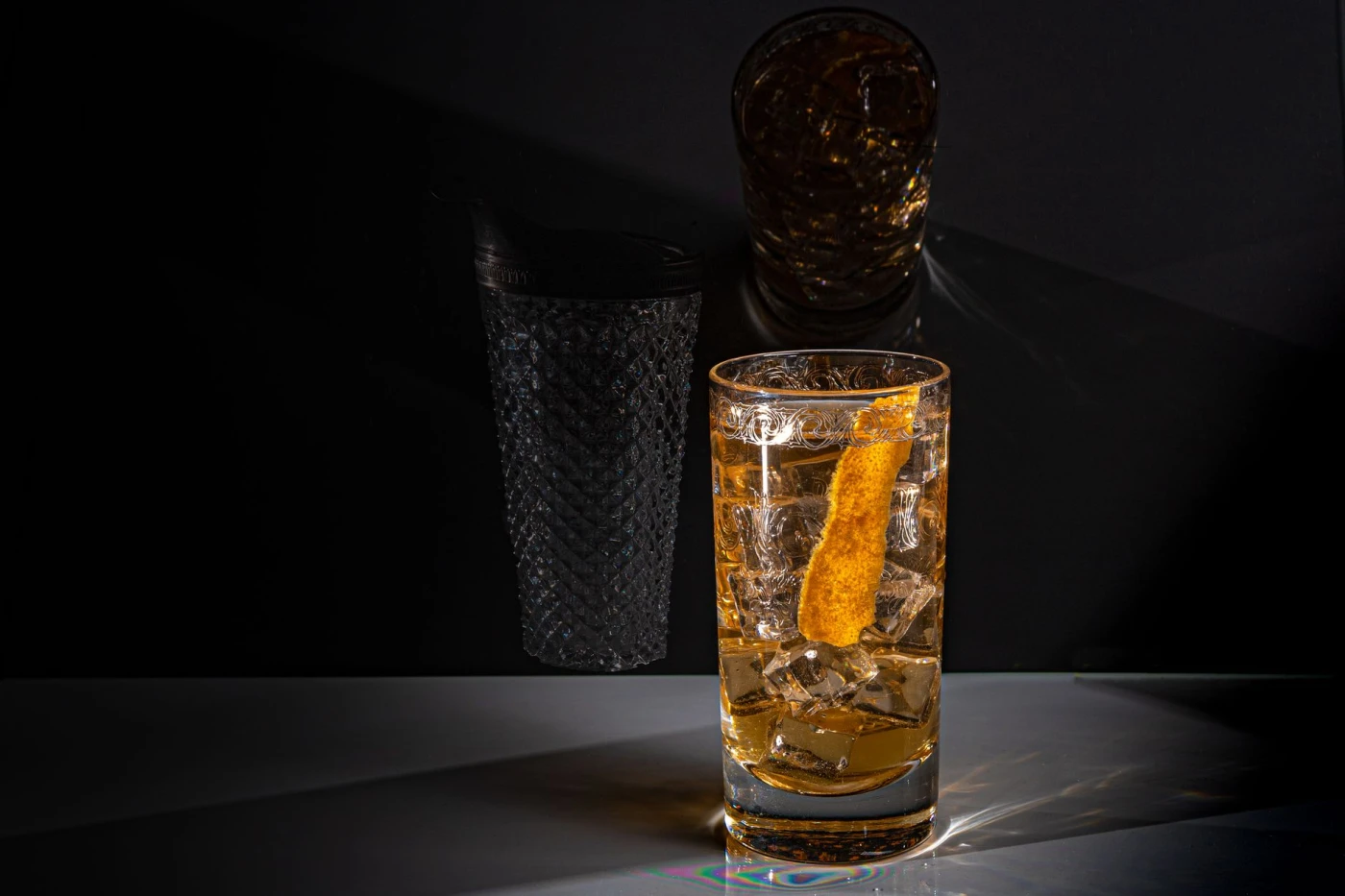

The Grey Wolf Cocktail: Smoky, Savory, Sharp
The Grey Wolf is a whisky-led cocktail with plum vinegar, bitters, and a cold, silky Old Fashioned feel. The Grey Wolf is the kind of cocktail that makes you pause after the first.
The Grey Wolf is the kind of cocktail that makes you pause after the first sip: whisky warmth, plum-vinegar snap, quiet sweetness, and a cold, serious finish. It sits near an Old Fashioned, but it has a sharper spine and a more savory attitude.
Here's the thing. If you like spirit-forward drinks but want something less predictable than bourbon, sugar, and bitters, this is worth learning. Think late autumn, winter dinner parties, steak nights, or a quiet Friday after work. For broader context, compare it with the core builds in 15 classic cocktails every home bartender should know.
What The Grey Wolf Is, And Why It Works
The Grey Wolf is best understood as a savory whisky cocktail, not a sweet whisky sour and not a vodka drink with a moody name. The basic idea is simple: whisky provides body, bitters give aroma, a measured sweetener rounds the edges, and plum vinegar adds a salty-tart lift that makes the drink feel alert.
There is no centuries-old origin story to dress up here. The Grey Wolf belongs to the modern cocktail bar world, where bartenders borrow from Japanese pantry ingredients, classic American templates, and precise dilution technique. That is part of its charm. It feels familiar, then it turns.
In my experience, the best version drinks like a lean Old Fashioned with a culinary accent. You notice oak and grain first, then plum skin, salt, and a light acid prickle. The finish should be dry enough that you want another sip, not syrupy enough that you start thinking about dessert.
For whisky, look around 40-43% ABV, or 80-86 proof. Suntory Toki is usually $35-45 in the US and about £30-38 in the UK. Hibiki Harmony is silkier, but at $90-110 or £70-85, I would save it for a special round. Want a beginner bridge into stirred whisky drinks? Read best whiskey cocktails for beginners before you start experimenting.
Ingredients You Need For The Grey Wolf
The Grey Wolf rewards measuring. Free-pouring is where this drink falls apart, because plum vinegar can jump from intriguing to aggressive in a quarter ounce. Use a jigger, a mixing glass, hard freezer ice, and a chilled rocks glass if you can.
For one drink:
- 2 oz (60 ml) Japanese whisky, bourbon, or blended whisky, 40-43% ABV
- 0.25 oz (7.5 ml) plum vinegar, ume vinegar, or a mild drinking vinegar
- 0.25 oz (7.5 ml) rich simple syrup, 2:1 sugar to water
- 2 dashes aromatic bitters
- 1 dash orange bitters
- 1 large ice cube for serving, plus 1 cup (240 ml) hard ice for stirring
- Garnish: expressed lemon peel, orange peel, or one thin pickled plum slice
Let's be honest: the vinegar is the make-or-break ingredient. Eden Ume Plum Vinegar, Clearspring Organic Japanese Ume Su, and similar bottles are easy to find online or in larger health-food shops. Prices vary, but $6-12 or £4-8 is normal for a small bottle.
If your vinegar is very salty, drop the measure to 1 bar spoon, about 0.16 oz (5 ml). If it is gentle and fruity, the full 0.25 oz (7.5 ml) works. This same precision mindset helps with vodka builds too; the quick recipes in 10 vodka cocktails you can make in under 5 minutes show how much small ratios matter.
How To Make The Grey Wolf Step By Step

Making The Grey Wolf is not difficult. The discipline is in temperature, dilution, and restraint. You are building a spirit-led cocktail, so every rough edge is obvious.
- Chill a rocks glass in the freezer for 10 minutes, or fill it with ice water while you mix.
- Add 2 oz (60 ml) whisky to a mixing glass.
- Add 0.25 oz (7.5 ml) plum vinegar and 0.25 oz (7.5 ml) rich simple syrup.
- Add 2 dashes aromatic bitters and 1 dash orange bitters.
- Fill the mixing glass with hard ice, ideally straight from a freezer at 0°F (-18°C).
- Stir for 20-30 seconds until the outside of the glass feels properly cold.
- Discard ice water from the serving glass, then add one large cube.
- Strain the cocktail over the cube.
- Express lemon or orange peel over the top, wipe the rim lightly, and drop it in or discard it.
After testing this with both refrigerator ice and hard freezer ice, I strongly prefer hard ice. Soft ice over-dilutes fast, especially in warm kitchens during July barbecues or Christmas party prep when people keep opening the freezer.
The final drink should be cold, glossy, and slightly viscous. If it tastes hot, stir longer. If it tastes watery, use better ice and a colder glass. For a lower-strength night, you may prefer something from 11 low alcohol cocktail recipes.
How The Grey Wolf Should Taste
A good Grey Wolf should not taste like vinegar with whisky behind it. The first impression should be cold whisky: grain, light oak, vanilla, citrus oil, and a little alcohol warmth. The plum vinegar should arrive next, almost like seasoning on food. It should make the drink brighter and more precise, not sour in the way lemon juice makes a sour cocktail sour.
The middle of the sip is where balance becomes obvious. If the whisky is too soft, the vinegar feels loud and salty. If the syrup is too heavy, the whole drink gets sticky and the finish loses its clean edge. When the drink is right, the sweetener simply connects the whisky and vinegar, giving the cocktail a polished Old Fashioned texture without turning it into a dessert drink.
The finish should be dry, savory, and gently aromatic. Bitters should add clove, orange peel, cinnamon, or gentian depending on the bottles you use. The citrus garnish should sit above the drink as aroma, not dominate the flavor. If someone tastes it and says, "That's interesting, but I want another sip," you are in the right zone.
Use taste cues while adjusting. Too sharp means reduce the vinegar by 1 teaspoon next time or add a few drops of syrup. Too sweet means add 2 or 3 drops of vinegar, not another full bar spoon. Too boozy means stir longer with colder ice. Too thin means your ice melted too fast, or the serving glass was warm.
Pro Tips For A Better Grey Wolf
In my experience, The Grey Wolf is easily one of the best savory whisky drinks for home bartenders because it feels advanced without needing ten ingredients. But you need to treat it like cooking. Taste. Adjust. Then commit.
First, choose the whisky by weight, not prestige. Hibiki Harmony is beautiful, soft, floral, and expensive. Suntory Toki is brighter and cheaper, which often makes it better for mixing. Nikka Days is rounded and friendly. Maker's Mark, at 45% ABV and usually $25-35 or £25-32, gives a warmer bourbon version.
Second, control sweetness. A 2:1 rich simple syrup gives body without adding too much water. Honey syrup works, but it pushes the drink toward floral and breakfast-toast notes. Maple syrup is excellent in November and December, though I would use only 1 bar spoon, about 0.16 oz (5 ml), because it can take over.
Third, garnish with intention. Lemon peel sharpens the vinegar. Orange peel softens the whisky. A pickled plum garnish looks dramatic but can make the aroma salty, so use it only when the drink is going with food.
For standards and terminology around alcohol labeling, the US Alcohol and Tobacco Tax and Trade Bureau is a useful reference: TTB.gov. For home technique, this is closer to a classic stirred drink than a party pitcher, so the fundamentals in classic cocktail builds matter.
Choosing Plum Vinegar, Bitters, And Syrup
Plum vinegar is not always standardized, so treat the bottle like an ingredient that needs tasting before it goes into the mixing glass. Some ume vinegar is bracingly salty and sharp. Some drinking vinegars are rounder, fruitier, and sweeter. Dip a clean spoon in the bottle and taste a drop before you build the drink. If your first thought is salt, use 5 ml. If your first thought is tart fruit, use 7.5 ml.
Do not replace plum vinegar with plain white vinegar. It will technically add acid, but it will miss the fruit, salt, and floral character that make The Grey Wolf work. Apple cider vinegar is a passable emergency substitute if you add a tiny pinch of salt and use a softer whisky, but the cocktail becomes more rustic. Rice vinegar is gentler, though it needs a little extra salt or bitters to avoid tasting flat.
Bitters matter more than they appear to. Angostura-style aromatic bitters give the drink spice and depth. Orange bitters help connect the citrus peel to the whisky. Chocolate bitters can work with bourbon, especially in winter, but use only one dash because they can make the drink taste heavier. Celery bitters are interesting with food, yet they push the drink into a more culinary lane that not every guest will enjoy.
For syrup, rich simple syrup is the most dependable choice. Make it by dissolving 2 parts white sugar into 1 part hot water by weight or volume, then cooling it before use. It keeps the drink clear, lets the whisky show, and adds texture without extra flavor. Demerara syrup gives more caramel and molasses. Honey syrup gives aroma. Maple gives seasonal warmth. All of them can work, but each one changes the center of gravity.
The Grey Wolf Variations Worth Trying
Once you understand the base drink, The Grey Wolf becomes flexible. Keep the structure: spirit, acid-salt note, light sweetness, bitters, cold dilution. Change one thing at a time.
Smoky Grey Wolf
- 1.75 oz (52.5 ml) blended whisky
- 0.25 oz (7.5 ml) lightly peated Scotch
- 0.2 oz (6 ml) plum vinegar
- 0.25 oz (7.5 ml) honey syrup
- 2 dashes aromatic bitters
This version is excellent by a fire pit, but do not use a heavy peat monster unless you want the vinegar to disappear.
Vodka Grey Wolf
- 2 oz (60 ml) Tito's, Grey Goose, or Absolut Elyx vodka
- 0.16 oz (5 ml) plum vinegar
- 0.25 oz (7.5 ml) simple syrup
- 1 dash orange bitters
- 1 tiny pinch sea salt
It is cleaner and more direct. Fans of vodka highballs may also like the cranberry-citrus balance in the Madras Cocktail.
Autumn Maple Grey Wolf
- 2 oz (60 ml) bourbon
- 0.16 oz (5 ml) plum vinegar
- 0.16 oz (5 ml) maple syrup
- 2 dashes Angostura bitters
This is the Thanksgiving table version. Rich, short, and very good with roasted vegetables.
Picnic Batch Grey Wolf
- 8 oz (240 ml) whisky
- 1 oz (30 ml) plum vinegar
- 1 oz (30 ml) rich syrup
- 8 dashes bitters
- 2 oz (60 ml) chilled water
Bottle it cold and serve over ice. For more make-ahead ideas, use portable picnic drinks.
Common Mistakes With The Grey Wolf
The biggest mistake is using too much plum vinegar. More does not make The Grey Wolf more sophisticated. It makes it taste like someone stirred whisky into salad dressing. Start with 0.16 oz (5 ml) if your bottle smells intensely salty, then climb from there.
The second mistake is choosing the wrong whisky. A very smoky Islay Scotch can bulldoze the drink. A cheap, thin blend can make it taste hollow. You want middle weight: enough oak and grain to stand up, but not so much barrel heat that the vinegar turns metallic.
The third mistake is weak chilling. A spirit-forward drink served lukewarm tastes boozy and flat. Stir with plenty of ice, use a cold glass, and serve immediately. The ideal serving temperature is roughly 28-34°F (-2 to 1°C) after stirring, even though your room will warm it quickly.
Another common issue is adding too many bitters. Bitters are seasoning, not a base ingredient. Two aromatic dashes plus one orange dash is enough. If your dash bottle pours heavily, test it into a spoon first.
Finally, do not bury The Grey Wolf under garnish theatre. A clean citrus peel does more than a tower of herbs, smoke, and dehydrated fruit. Let's be honest: home bars often get better when they get simpler. The same lesson shows up in older drink trends too, which you can see in 90s drinks and where they are now.
Pairings And Occasions For The Grey Wolf
The Grey Wolf is a food-friendly cocktail because the vinegar brings lift. It loves fat, salt, char, and umami. Serve it with seared steak, mushroom toast, aged cheddar, smoked almonds, pork belly bites, or grilled aubergine with miso.
For US home bartenders, it makes sense before a steakhouse-style dinner or during a winter holiday drinks hour. In the UK, I like it with Sunday roast leftovers, strong cheese, or a late autumn Bonfire Night spread. It is too intense for a poolside pitcher. It is perfect for a two-drink conversation.
After testing it with snacks, I would skip very sweet desserts. Sticky toffee pudding, pecan pie, and milk chocolate make the vinegar seem sharper. Better choices include dark chocolate around 70%, roasted nuts, blue cheese, or salted caramel in small portions.
It also works as a speakeasy-style serve because it looks understated. No neon colour. No crushed ice mountain. Just a cold amber drink with a controlled edge. If that mood appeals to you, you may enjoy building a small menu around beginner whiskey cocktails and a few fast vodka options from quick vodka cocktails.
Because The Grey Wolf is strong, serve water alongside it and keep portions measured. For health and harm-reduction information, use NIAAA in the US and Drinkaware in the UK. Responsible drinking belongs in good hospitality.
Serving The Grey Wolf For Guests
The Grey Wolf works best when guests know they are getting a short, strong cocktail. I would not hand it to someone expecting a spritz, mule, or Collins. Serve it after lighter welcome drinks, or offer it as the main cocktail with snacks already on the table. It is especially good when the food has char, salt, mushrooms, soy, aged cheese, or roasted meat.
If you are hosting, pre-chill the glasses and set out one large cube per drink before people arrive. Measure the whisky, syrup, vinegar, and bitters into a small bottle, then keep it in the fridge. When it is time to serve, pour one serving into a mixing glass with ice, stir, and strain. This gives you batch speed without losing the polished texture of a freshly stirred drink.
For a four-person round, combine 8 oz (240 ml) whisky, 1 oz (30 ml) rich syrup, 0.75-1 oz (22.5-30 ml) plum vinegar, and 8 dashes aromatic bitters in a clean bottle. Add 2 oz (60 ml) chilled water if you want a ready-to-pour version. If you plan to stir each serving with ice, skip the added water or use only half as much.
Keep the garnish simple when serving a group. Cut citrus peels in advance and store them under a barely damp paper towel in the refrigerator. Express each peel over the glass right before serving. That small fresh oil aroma does more for the finished drink than complicated garnish work that slows you down.
The Grey Wolf Quick Reference Cheat Sheet
Use this table when you are mixing quickly or scaling for guests. The Grey Wolf is small, strong, and exact, so a written reference keeps your pour honest. I keep this style of chart beside the bottles when making more than two drinks.
| Element | US Measure | UK / Metric Measure | Notes |
|---|---|---|---|
| Whisky | 2 oz | 60 ml | Japanese whisky, bourbon, or balanced blend |
| Plum vinegar | 0.25 oz | 7.5 ml | Reduce to 5 ml if very salty |
| Rich simple syrup | 0.25 oz | 7.5 ml | Use 2:1 sugar syrup for texture |
| Aromatic bitters | 2 dashes | 2 dashes | Angostura-style bitters work well |
| Orange bitters | 1 dash | 1 dash | Adds lift without sweetness |
| Stir time | 20-30 seconds | 20-30 seconds | Use hard ice and a cold glass |
| Serving ice | 1 large cube | 1 large cube | Slows dilution |
| Approx strength | 27-31% ABV | 27-31% ABV | Varies with dilution and whisky proof |
Need to scale? Multiply everything by four for a small dinner party, then add about 2 oz (60 ml) chilled water to the batch before refrigerating. That water matters. It replaces the dilution you would normally get from stirring each drink.
If you are building a wider home bar, include The Grey Wolf beside a Martini, Negroni, Old Fashioned, highball, and sour. Those categories cover most guest preferences without buying half the liquor shop. The checklist near the end will help you decide what is actually worth stocking.
Final Thoughts On The Grey Wolf
The Grey Wolf is not for every drinker, and that is exactly why it is useful. It gives you a serious, savory option when the usual sour, spritz, mule, or highball feels too easy. Short drink. Big character.
In my experience, the sweet spot is Suntory Toki, 0.2 oz (6 ml) plum vinegar, 0.25 oz (7.5 ml) rich syrup, and lemon peel. That version is bright enough for spring, deep enough for winter, and affordable enough that you can make it more than once without wincing.
If you want a full home setup that supports The Grey Wolf and dozens of other drinks, use the free home bar starter checklist. It will help you buy the right glassware, tools, spirits, mixers, and garnishes without filling your shelves with bottles you only touch once.
Ask AI about this article
Pick a prompt, copy it, or open ChatGPT with this article preloaded.
Frequently Asked Questions
What is The Grey Wolf cocktail?
The Grey Wolf is a whisky-forward cocktail built in the Old Fashioned family, usually with Japanese whisky, plum vinegar, bitters, and a small amount of sweetener. It is not a fruity long drink. The appeal is balance: soft grain, gentle oak, savory acidity, light sweetness, and a cold, polished texture.
How strong is The Grey Wolf?
With 2 oz (60 ml) of 43% ABV whisky, The Grey Wolf starts strong before dilution. After stirring with ice, it usually lands around 27-31% ABV in the glass, depending on ice and stir time. Serve it slowly, ideally with food, and do not treat it like a tall mixed drink.
What whisky works best in The Grey Wolf?
A balanced Japanese whisky such as Suntory Toki, Hibiki Harmony, or Nikka Days works best because it gives grain sweetness, light oak, and enough structure without burying the plum vinegar. Bourbon can work too, especially Maker's Mark or Woodford Reserve, but it makes the drink rounder and sweeter.
What does plum vinegar taste like in a cocktail?
Plum vinegar tastes tart, salty, fruity, and slightly floral. In The Grey Wolf, it acts like a controlled acid source rather than a normal juice. Use it carefully. Too much makes the drink taste like dressing, while a small measured amount gives snap and makes the whisky feel more vivid.
Should The Grey Wolf be shaken or stirred?
Stir The Grey Wolf. Shaking adds too much air and can make the drink cloudy, thin, and harsh. A stirred build keeps the texture dense and elegant, which suits whisky, bitters, and vinegar. Aim for 20-30 seconds with hard ice, then strain over one large cube.
What glass should I use for The Grey Wolf?
Use a chilled rocks glass if you want the most practical home version. A small cocktail glass also works, but the drink warms faster. For guests, I prefer a heavy rocks glass with one large clear cube because it keeps The Grey Wolf cold without rushing dilution.
Comments 0
Login to Post comments