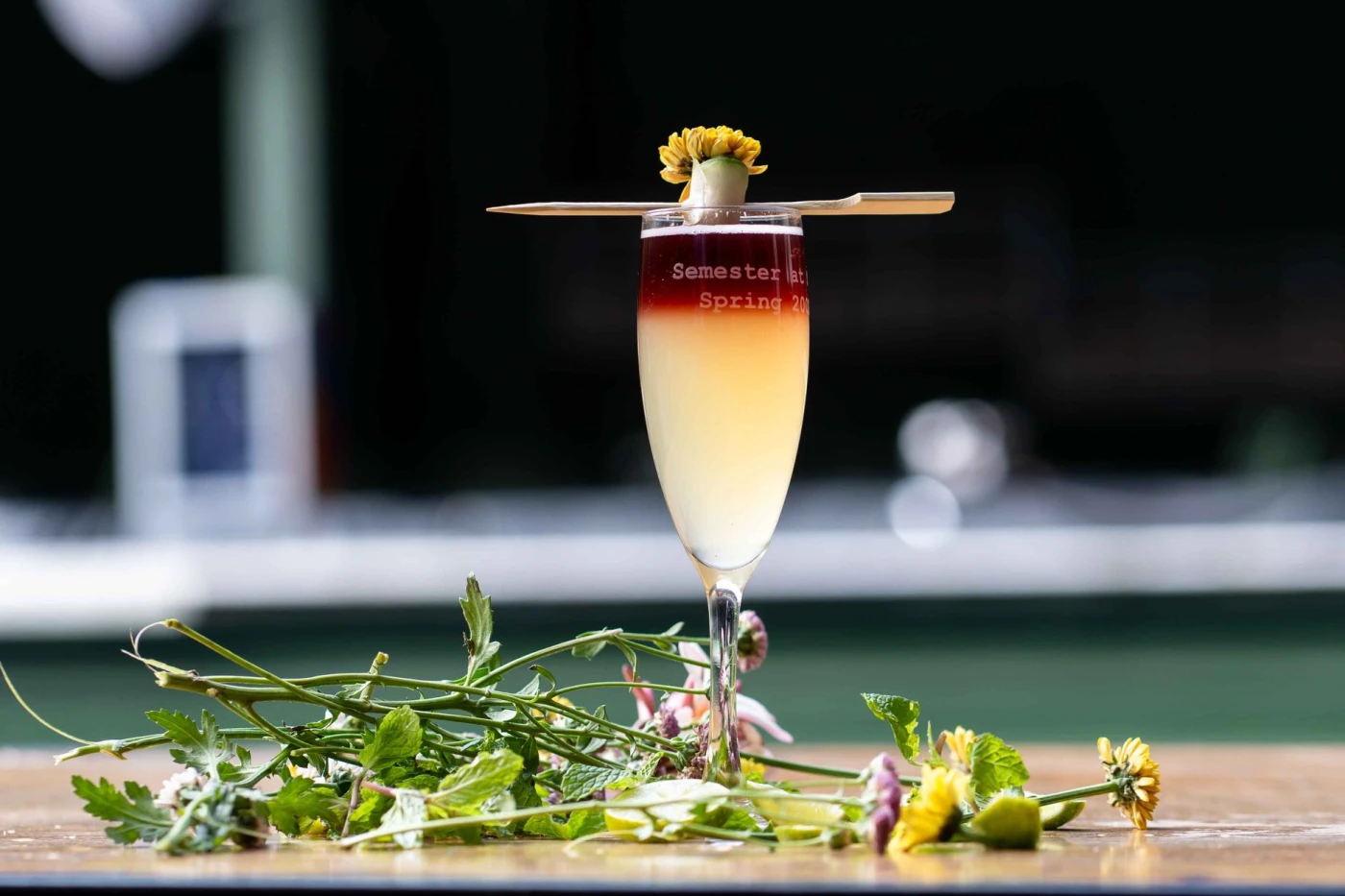
Second Line Season: A New Orleans Apple Brandy Cocktail
Second Line Season is a chilled apple brandy cocktail with lemon, amaro, maraschino, bitters, sugar, apple, and nutmeg. Second Line Season is the apple brandy cocktail you make whe.
Second Line Season is the apple brandy cocktail you make when you want New Orleans energy without turning your kitchen into a carnival float. It is cold, sharp, aromatic, a little bitter, and dressed with apple and nutmeg in a way that feels right for Mardi Gras, autumn dinners, Christmas hosting, and warm-weather garden drinks alike.
Here is the thing: this is not a lazy sweet apple drink. It is closer to the smart, spirit-forward family you see in classic cocktails every home bartender should know, with enough citrus and crushed ice to make it friendly. You get orchard fruit, lemon brightness, soft amaro, and a final spice note that makes people ask what you did differently.
What Is Second Line Season?
Second Line Season is a modern New Orleans-style cocktail built on apple brandy, lemon juice, Amaro Montenegro, maraschino liqueur, bitters, pebble ice, apple slices, sugar, and freshly grated nutmeg. It has the bones of a sour, the perfume of an autumn drink, and the celebratory feel of a parade-season serve. Short drink? Kind of. Crushed-ice cooler? Also kind of. That is why it is interesting.
The name points toward the second line tradition associated with New Orleans brass bands, street processions, and public celebration. I would be careful about calling the drink an old historic recipe, because the known cocktail is modern and bar-led. The smarter way to describe it is this: a contemporary apple brandy cocktail that borrows New Orleans rhythm, elegance, and garnish drama.
In my experience, the best version tastes dry first, then fruity. The lemon should wake it up. The amaro should hum underneath. The maraschino should act like seasoning, not cherry syrup. If you like the tidy logic of beginner whiskey cocktails, this will make sense quickly, even though the base spirit is apple brandy rather than bourbon.
For label accuracy and spirit categories in the US, the TTB is the right authority to consult. For your bar cart, think practically: a 40% ABV Calvados or American apple brandy in the $25-$55 range is enough. Save the rare bottle for sipping.
Second Line Season Ingredients You Need
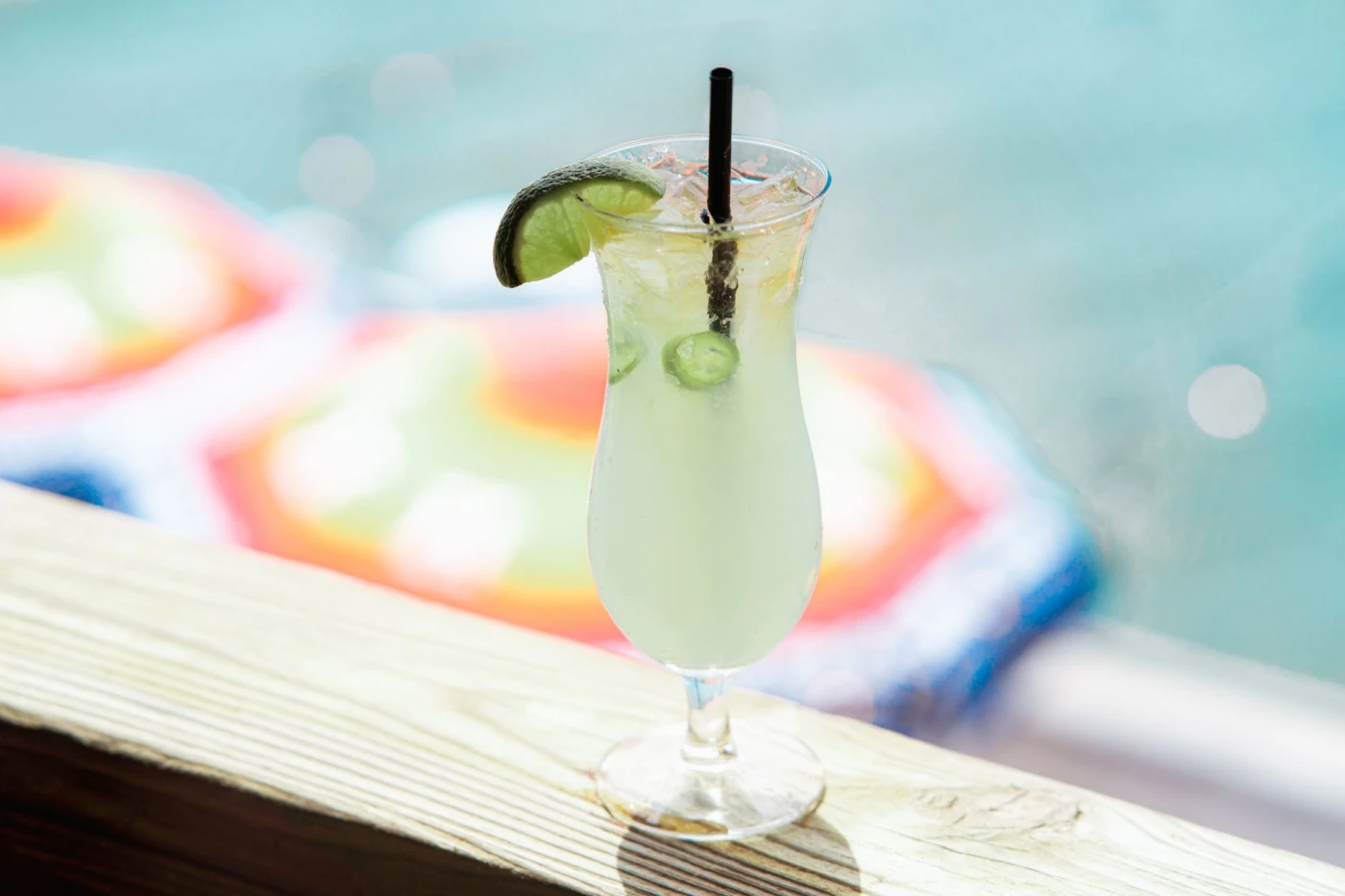
The ingredient list is short, but it is not casual. Each bottle has a job. Apple brandy brings structure, lemon adds lift, Amaro Montenegro gives orange-herbal bitterness, maraschino adds a dry cherry-almond edge, and bitters tighten the whole thing. Use cold ingredients if you can. A bottle pulled from a 4°C fridge behaves better than one sitting beside a warm oven.
For one drink, gather:
- 2 oz (60 ml) apple brandy or Calvados, ideally 40% ABV
- 1/2 oz (15 ml) fresh lemon juice
- 2 teaspoons (10 ml) Amaro Montenegro, about 23% ABV
- 1 teaspoon (5 ml) maraschino liqueur, such as Luxardo, about 32% ABV
- 2 dashes Boker's-style bitters or aromatic bitters
- 1 lemon wedge for moistening the rim
- 1 teaspoon (4 g) fine white sugar for a half rim
- 3 to 4 dried apple slices, or 2 thin fresh apple slices
- 1 cup (120 g) pebble or crushed ice
- Fresh nutmeg, grated over the finished drink
After testing this with both Calvados and American apple brandy, I prefer a drier bottle. Lemorton Calvados Reserve is beautiful but often $45-$65 in the US and more in the UK. Laird's Straight Apple Brandy, usually around $25-$35, is a useful workhorse. If your shop has Boulard Calvados at 40% ABV, that is a strong middle ground.
Do not use bottled lemon if you can avoid it. The drink loses its snap. If you want easier party cocktails, keep this recipe for the first round and use quick vodka cocktails for the second.
Buying Notes For Apple Brandy
Apple brandy is the decision that shapes the whole drink, so it is worth reading the label before you buy. Calvados usually comes from Normandy and can taste like fresh apple skin, baked apple, pear, vanilla, hay, oak, and warm spice depending on the producer and age. American apple brandy can be lean and punchy or round and barrel-driven. Both can work. What you do not want is a low-proof apple liqueur pretending to be brandy.
If the bottle is 35-45% ABV and the label clearly says apple brandy, applejack, or Calvados, you are in the right area. If it is 15-25% ABV, very sweet, and marketed mainly as a flavored shot, skip it for this recipe. Second Line Season needs enough spirit backbone to stand up to lemon, amaro, ice, and garnish. A sugary apple spirit will make the drink taste like diluted candy once the pebble ice starts melting.
For a first bottle, choose value and clarity over prestige. You need 2 oz (60 ml) per drink, so a 750 ml bottle makes about twelve cocktails with a little room for testing. If you are hosting eight people, one bottle is enough for a welcome round. If you plan to make variations, buy extra lemons before you buy extra liqueur. Fresh citrus will disappear faster than the amaro or maraschino.
Store apple brandy like other spirits: closed tightly, away from sunlight, and at normal room temperature. You can chill the bottle for an hour before service if the room is warm, but do not freeze it. Very cold spirits can shake differently, and you still want controlled dilution from the ice. The aim is a cold finished cocktail, not an undiluted blast of chilled alcohol.
How To Make Second Line Season
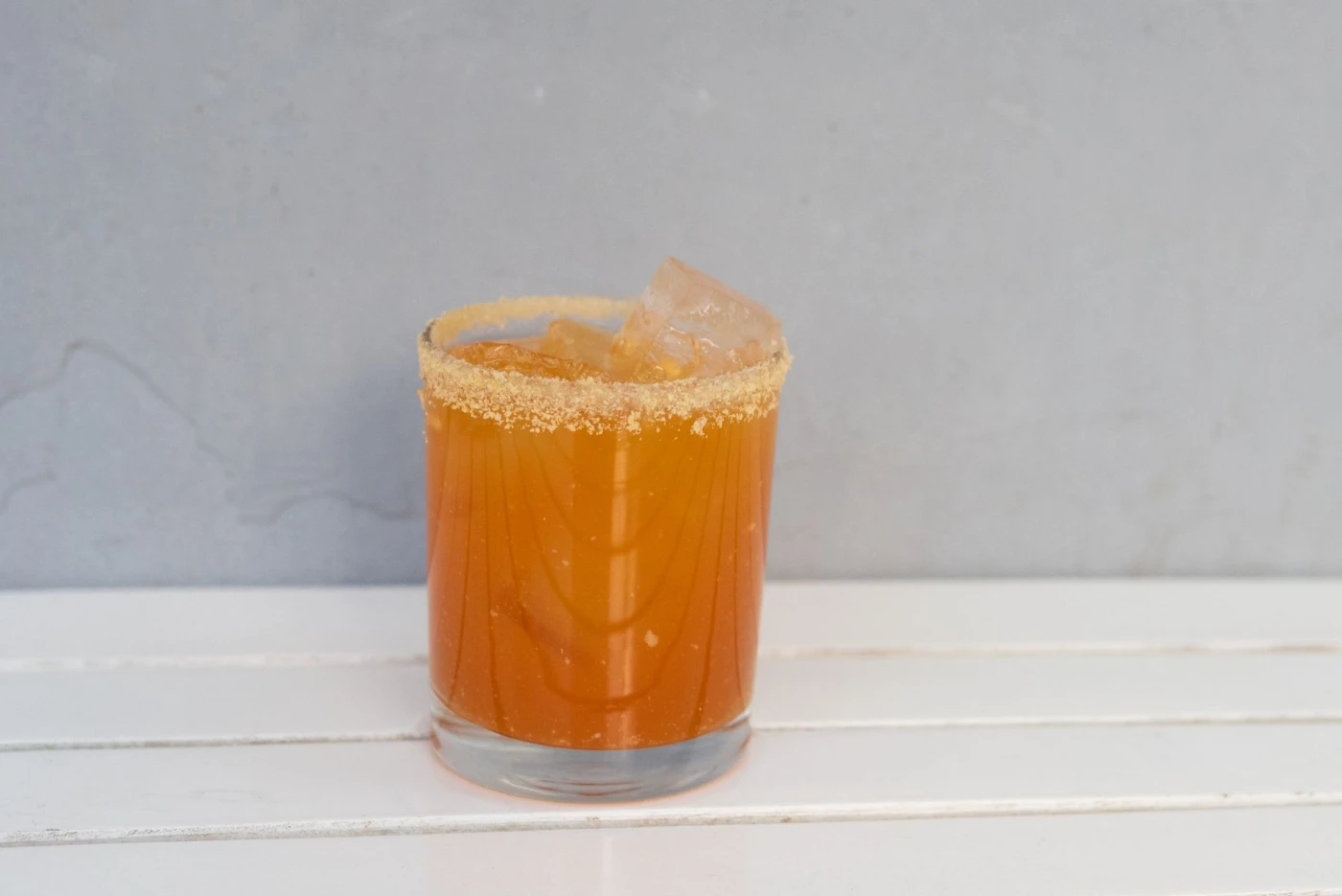
Build the glass first. That matters. If the drink is shaken before the garnish is ready, it sits around warming up, and the whole point of the serve is icy brightness. A freezer-cold wine glass is ideal, but a 10-minute chill in the fridge is still worth doing.
- Chill a stemmed wine glass to around 4°C / 39°F if you have time.
- Run a lemon wedge around half the outside rim. Keep the other half clean so the drinker can choose sweetness.
- Dip the moistened half rim into fine sugar. Tap off loose crystals.
- Fill the glass with pebble ice or well-crushed ice.
- Slide 3 to 4 dried apple slices against the inside of the glass, using the ice to hold them in place.
- Add 2 oz (60 ml) apple brandy, 1/2 oz (15 ml) lemon juice, 2 teaspoons (10 ml) Amaro Montenegro, 1 teaspoon (5 ml) maraschino liqueur, and 2 dashes bitters to a shaker.
- Add hard ice and shake for 10 to 12 seconds, until the tin feels frosty.
- Strain into the prepared glass over the pebble ice.
- Microplane fresh nutmeg over the top. Serve immediately.
Let's be honest: the half rim sounds fussy until you taste the difference. A full sugar rim makes every sip sweet. A half rim lets you move between tart, aromatic, and sweet sips, which keeps Second Line Season lively to the end.
If you have made a Madras or another juice-led drink from this Madras cocktail guide, expect a different rhythm here. This cocktail is stronger, drier, and more about aroma than juice.
How The Drink Should Taste
A good Second Line Season should open with apple and lemon, not sugar. The first sip should feel brisk, almost like a cold apple sour with more depth. Then the amaro should show up as orange peel, herbs, and a soft bitter finish. The maraschino should be difficult to identify by name unless you already know it is there. It is a background note, not a headline.
If the drink tastes thin, the likely problem is weak apple brandy or too much dilution before serving. Shake with firm ice, strain promptly, and serve over fresh pebble ice rather than watery freezer fragments. If the drink tastes hot, shake a little longer or add 1 teaspoon (5 ml) cold water to the tin. If the drink tastes sweet, check the rim first. A heavy sugar rim can make the liquid seem unbalanced even when the measured recipe is correct.
The finish should be aromatic. When the glass reaches your nose, you should catch apple, nutmeg, and citrus oil before you taste the drink. That is why the garnish is not optional. Cocktail aroma is part of flavor, especially with brandy drinks. A plain glass with no apple and no nutmeg may still be drinkable, but it will not feel like Second Line Season.
Pro Tips For Second Line Season
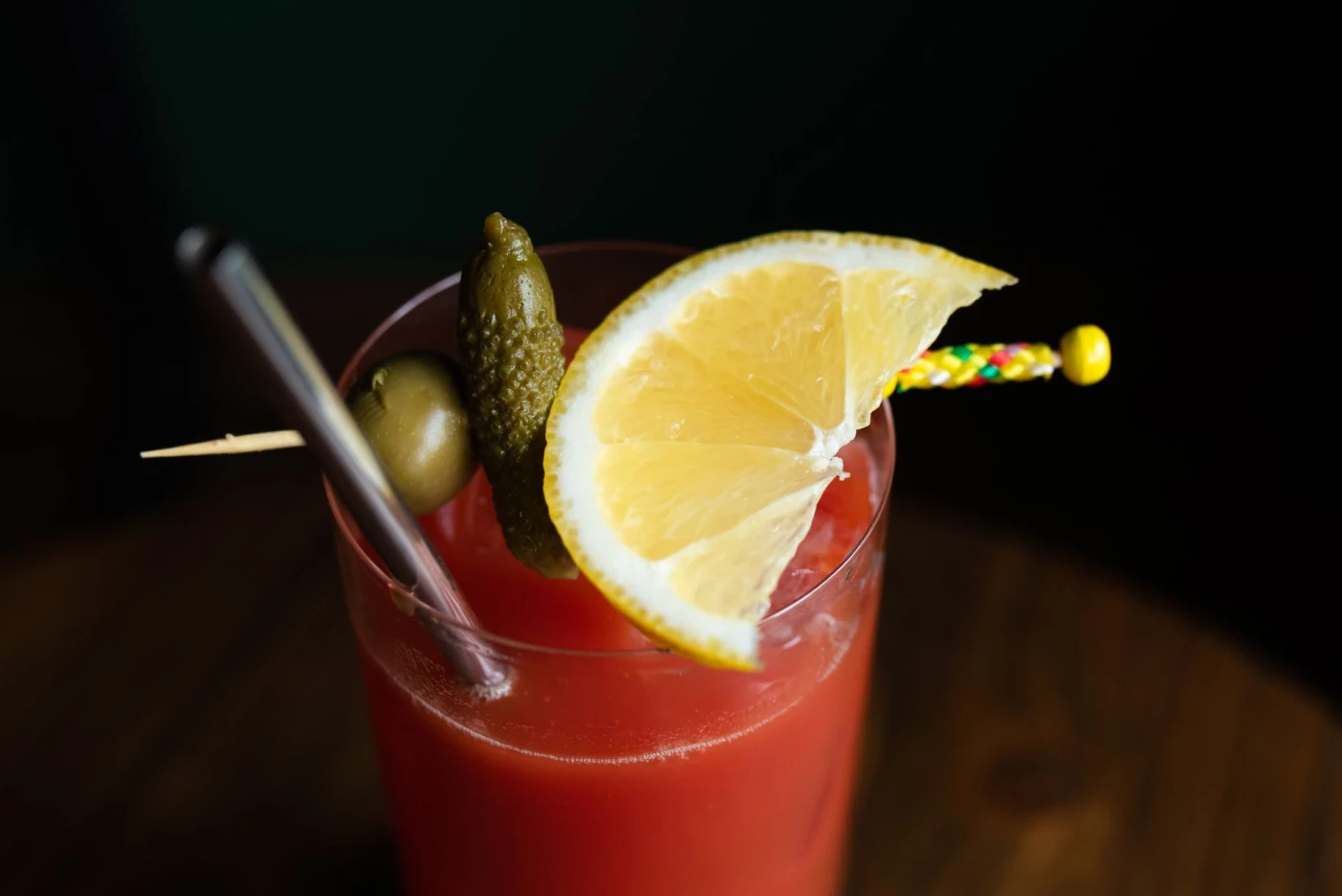
In my experience, the biggest upgrade is ice texture. Pebble ice chills fast, dilutes gradually, and makes the apple garnish sit neatly against the glass. If you do not own a pebble ice machine, wrap freezer ice in a clean tea towel and crack it with a rolling pin. You want small, uneven pieces, not snow.
Second, measure the maraschino. Please. One teaspoon (5 ml) looks tiny, but Luxardo is powerful and usually 32% ABV. Too much turns the cocktail waxy and cherry-heavy. This is easily one of the best uses for maraschino precisely because it is restrained.
After testing fresh apple, dried apple, and dehydrated apple chips, dried apple wins for parties. It looks better for 20 minutes, does not brown as quickly, and releases a gentle baked-apple aroma as the drink chills. Fresh apple is fine for one drink at home, especially if you slice it just before serving.
Fresh nutmeg is non-negotiable for me. Pre-ground nutmeg smells flat in a cocktail this delicate. Buy a whole nutmeg jar for $4-$7 in the US or about £2-£4 in the UK, then grate only a few strokes over the glass. Too much tastes dusty.
For a softer version, shake 8 seconds instead of 12 and add a splash, about 1/4 oz (7.5 ml), of cold water. For a sharper one, increase lemon by 1 teaspoon (5 ml). If you prefer lighter serves, compare it with low alcohol cocktail recipes before deciding what fits your night.
Batching And Party Service
Second Line Season can work for a party, but it should not be fully mixed and left in a jug with citrus and ice. The better method is to make a spirit batch, chill it, then shake each drink with fresh lemon. That keeps the texture lively and lets you control dilution. It also makes the drink feel prepared rather than poured from a tired pitcher.
For six cocktails, combine 12 oz (360 ml) apple brandy, 4 oz (120 ml) Amaro Montenegro, 2 oz (60 ml) maraschino liqueur, and 12 dashes bitters in a clean bottle. This is intentionally a little more amaro and maraschino than the one-drink math would suggest, because measuring tiny spoon quantities for a crowd is awkward. Chill the bottle for at least two hours. At service, shake 3 oz (90 ml) of the batch with 1/2 oz (15 ml) fresh lemon juice, then strain into each prepared glass.
Set up the glasses before guests arrive. Rim half of each glass with sugar, add dried apple, and keep the glasses dry and cool. Do not add pebble ice until the drink is about to be served. Crushed ice melts quickly, and a glass packed too early will turn into a puddle before the first round is finished. If you are outdoors, keep the ice in an insulated bucket and use a scoop.
For a lower-stress version, serve Second Line Season as the first drink only. Make six or eight properly, then switch to wine, beer, cider, spritzes, or a simpler highball. This is not a bottomless punch. It is a composed cocktail, and it is at its best when people receive it cold, fragrant, and freshly finished.
Second Line Season Variations Worth Trying
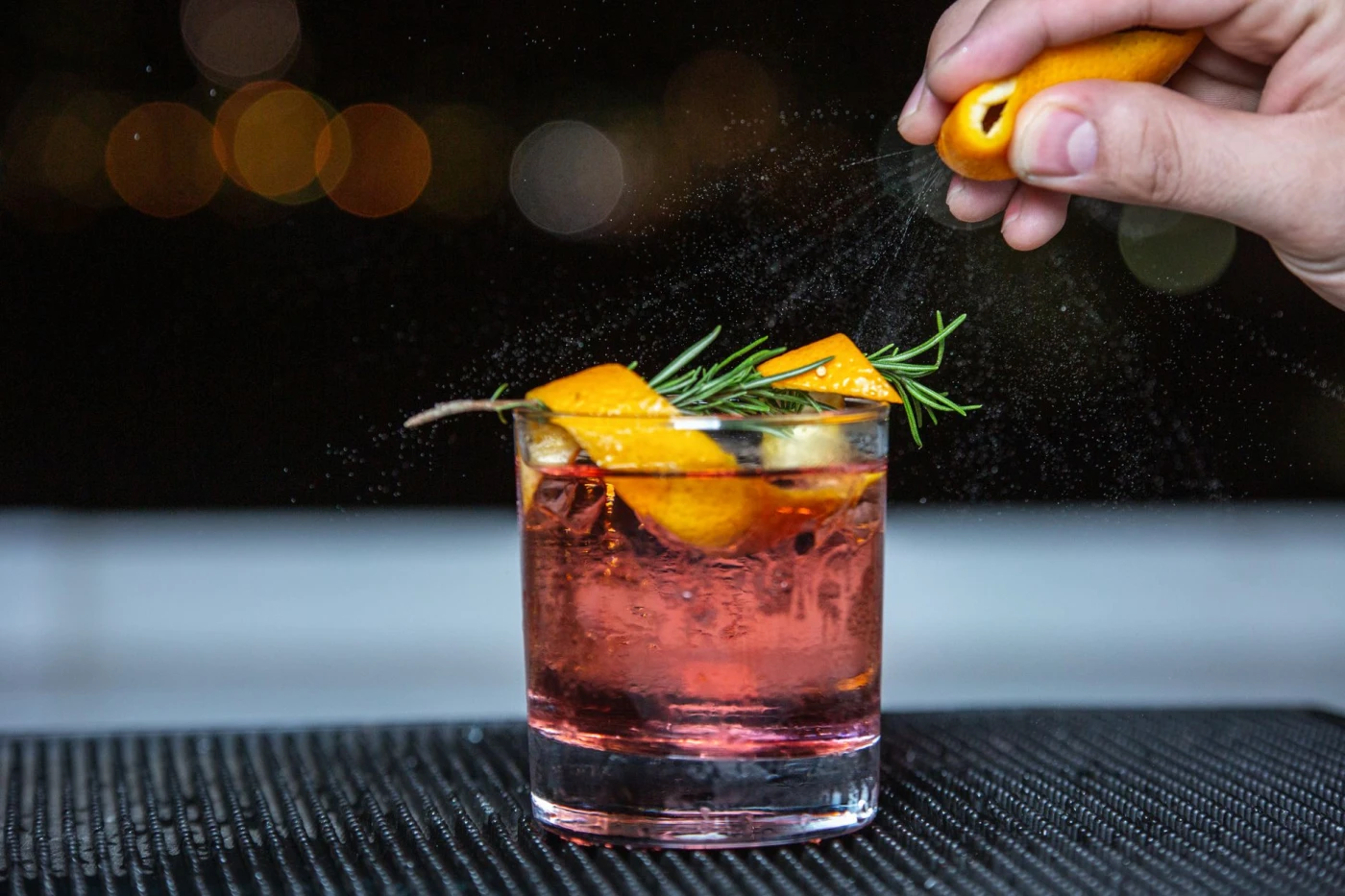
Once you understand the template, variations become easy. Keep the same logic: a dry base, a tart element, a bitter or herbal accent, a tiny sweet modifier, and an aromatic garnish. Do not throw five new liqueurs at it. The drink works because it is edited.
Vodka Orchard Season
- 1 1/2 oz (45 ml) Tito's Handmade Vodka
- 1/2 oz (15 ml) cloudy apple juice
- 1/2 oz (15 ml) lemon juice
- 2 teaspoons (10 ml) Amaro Montenegro
- 1 teaspoon (5 ml) maraschino liqueur
This is cleaner and lighter. I would serve it to someone who normally orders vodka sours, not to someone expecting Calvados depth.
Whiskey Second Line
- 1 1/2 oz (45 ml) rye whiskey, 45-50% ABV
- 1/2 oz (15 ml) apple brandy
- 1/2 oz (15 ml) lemon juice
- 2 teaspoons (10 ml) amaro
- 1 teaspoon (5 ml) rich simple syrup
This version leans spicy and feels right for Bonfire Night, Thanksgiving, or a cold January dinner.
Low-Proof Parade Cup
- 1 oz (30 ml) apple brandy
- 1 oz (30 ml) chilled sparkling wine
- 1/2 oz (15 ml) lemon juice
- 2 teaspoons (10 ml) Amaro Montenegro
- 1 teaspoon (5 ml) honey syrup
Add the sparkling wine after shaking. It is brighter, longer, and easier with brunch.
Beer-Garden Apple Highball
- 1 oz (30 ml) apple brandy
- 1/2 oz (15 ml) lemon juice
- 1 teaspoon (5 ml) maraschino liqueur
- 3 oz (90 ml) cold dry cider or lager
Top gently and skip the sugar rim. It is less elegant, but very drinkable at a barbecue.
Common Second Line Season Mistakes
The first mistake is choosing a sweet, dull apple spirit. Some apple-flavoured bottles taste more like sweets than brandy. You want fermented, distilled apple character: peel, skin, cellar, baked apple, and a little wood. Check the label, ABV, and price. A 40% ABV bottle from a reputable producer usually behaves better than a bargain liqueur at 20% ABV.
The second mistake is overdoing the sugar rim. A thick crust looks good in photos but ruins the balance. Use fine sugar, coat only half the rim, and tap the glass lightly. You should see sparkle, not a doughnut.
The third mistake is under-shaking. Because Second Line Season lands over pebble ice, some people give it a lazy shake and assume the glass ice will fix everything. It will not. Shake hard for 10 to 12 seconds so the lemon, amaro, liqueur, and brandy integrate before they hit the glass.
The fourth mistake is treating garnish as decoration only. Apple slices and nutmeg change the nose. If you skip both, the drink becomes flatter, even if the liquid specs are correct. At the same time, do not bury the glass in garnish. Three dried apple slices are enough.
Finally, do not batch with lemon hours ahead. Citrus turns tired and bitter. If you enjoy make-ahead hosting, use the logic in portable picnic drinks: batch stable ingredients, then add fresh juice and ice at service.
Pairings And Occasions For Second Line Season
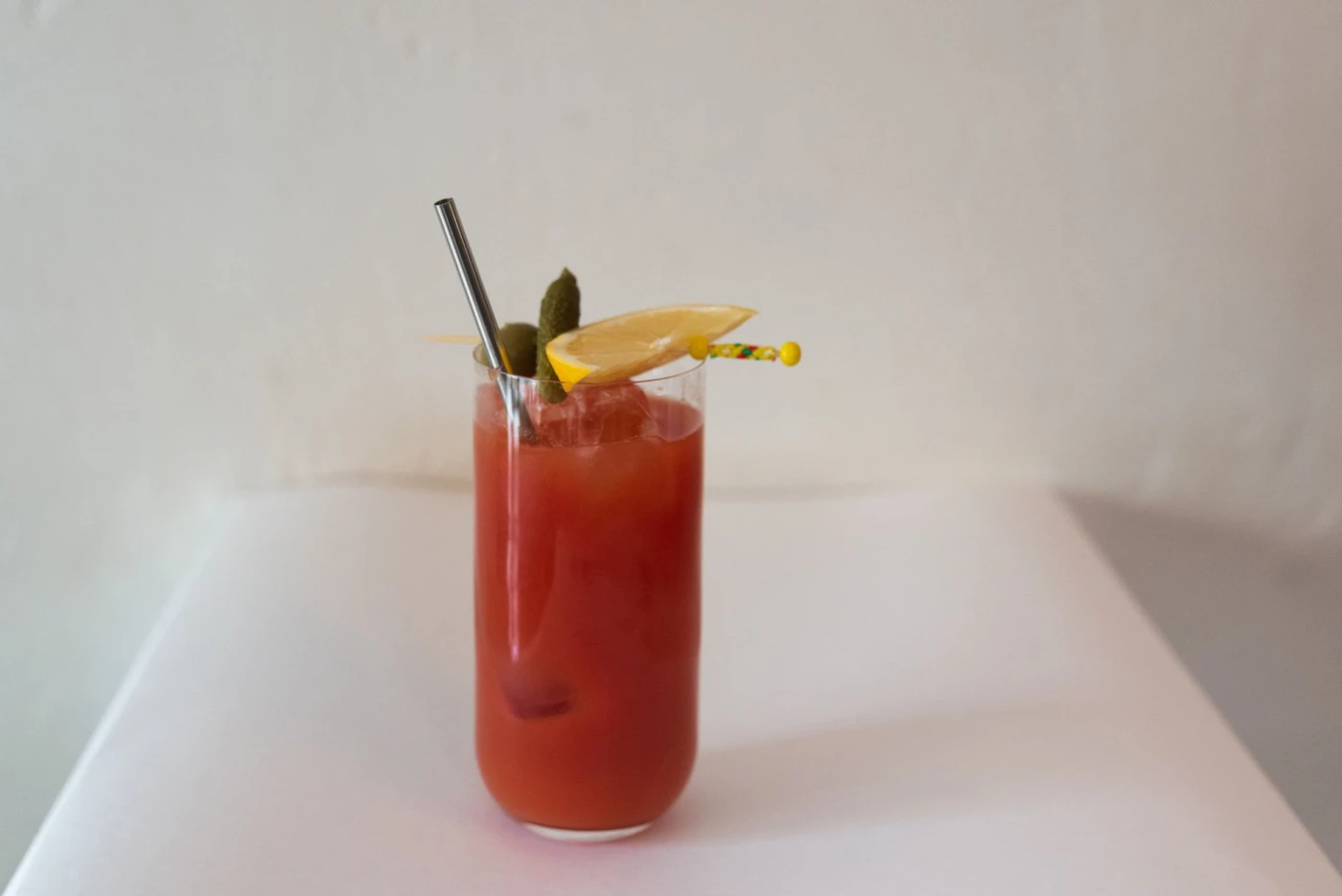
Second Line Season loves food with salt, fat, and a little smoke. Think roast pork, grilled sausages, ham biscuits, fried chicken, smoked almonds, mature cheddar, baked Camembert, or a British pork pie with sharp pickle. The lemon cuts richness. The apple brandy echoes pork and pastry. The nutmeg makes the whole table feel warmer.
For seafood, I would keep it simple: crab cakes, shrimp toast, smoked trout, or oysters with a restrained mignonette. Heavy chilli heat can fight the amaro, so if you are serving wings, choose a honey-lemon glaze over a fire sauce. You want the cocktail to refresh, not compete.
Seasonally, this drink is more flexible than it looks. It is excellent in Mardi Gras season, obviously, but it also fits autumn apple picking, Thanksgiving, Christmas Eve, Burns Night snacks, and spring garden parties where you want something more grown-up than a spritz. Serve it between 0°C and 4°C over crushed ice and it feels bright even in July.
For parties, I like it as the opening cocktail, then I move guests toward lighter drinks, beer, or wine. That pacing matters. The NIAAA and Drinkaware both publish useful alcohol guidance, and this is a good moment to say it plainly: drink responsibly.
If your guests enjoy retro drinks, point them toward 90s drinks and where they are now after this. It is a fun contrast: loud nostalgia versus polished orchard spice.
Second Line Season Quick Reference Cheat Sheet
Use this table when you are actually standing at the counter with a jigger in one hand and a half-cut lemon in the other. Second Line Season is not difficult, but the tiny measures matter. Two teaspoons of amaro and one teaspoon of maraschino sound almost too precise. They are not. That small difference is where the drink moves from muddy to elegant.
| Part | US Measure | UK/Metric Measure | Why It Matters |
|---|---|---|---|
| Apple brandy or Calvados | 2 oz | 60 ml | Main structure, apple aroma, warmth |
| Fresh lemon juice | 1/2 oz | 15 ml | Acidity and lift |
| Amaro Montenegro | 2 tsp | 10 ml | Orange-herbal bitterness |
| Maraschino liqueur | 1 tsp | 5 ml | Dry cherry-almond accent |
| Bitters | 2 dashes | 2 dashes | Spice and finish |
| Fine sugar | 1 tsp | 4 g | Half rim only |
| Pebble ice | 1 cup | 120 g | Chill, dilution, texture |
| Dried apple | 3-4 slices | 3-4 slices | Aroma and presentation |
One more practical note: if your apple brandy is above 45% ABV, shake slightly longer or add 1 teaspoon (5 ml) cold water before shaking. If it is very soft and fruity, keep the recipe as written. For a dinner party, pre-rim the glasses no more than 20 minutes before serving, then keep them somewhere dry.
Second Line Season works because it is specific. Cold glass. Measured modifiers. Fresh lemon. Fresh nutmeg. Do those things and you will make a drink that feels like a proper bar cocktail, not a vague apple sour.
Building out your setup? Keep the free home bar starter checklist open while you stock the basics, then come back to this recipe when you have a shaker, jigger, strainer, citrus press, and one good bottle of apple brandy.
Ask AI about this article
Pick a prompt, copy it, or open ChatGPT with this article preloaded.
Frequently Asked Questions
What is Second Line Season?
Second Line Season is a New Orleans-inspired apple brandy cocktail built with lemon juice, Amaro Montenegro, maraschino liqueur, bitters, sugar, apple slices, pebble ice, and fresh nutmeg. It drinks like a bright sour with orchard depth and a lightly bitter finish. The name nods to second line parade culture, though th.
How do you make Second Line Season at home?
Shake 2 oz (60 ml) apple brandy, 1/2 oz (15 ml) lemon juice, 2 tsp (10 ml) Amaro Montenegro, 1 tsp (5 ml) maraschino liqueur, and 2 dashes bitters with ice. Prepare a wine glass with a half sugar rim, pebble ice, and dried apple slices. Strain the drink over the ice, then finish with freshly grated nutmeg.
What is the best apple brandy for Second Line Season?
A dry, expressive apple brandy works best. Lemorton Calvados Reserve is a classic high-end choice at about 40% ABV, but Laird's Straight Apple Brandy is easier to find in many US shops and often costs less. In the UK, look for Pays d'Auge Calvados from producers such as Boulard or Dupont if you want a rounded, orchard.
How strong is Second Line Season?
With 2 oz (60 ml) of 40% ABV apple brandy plus small amounts of liqueur and amaro, Second Line Season is a full-strength cocktail, roughly in the 20-24% ABV range after shaking dilution. That is similar to many shaken sours. Serve it over plenty of pebble ice, sip slowly, and pair it with food rather than treating it l.
What glass should I use for Second Line Season?
A stemmed wine glass is ideal because it gives room for pebble ice, apple slices, aromatics, and the half sugar rim. A large coupe can look elegant but warms quickly and loses the crushed-ice feel. A double old fashioned glass works in a pinch. Chill the glass for 10 minutes if your kitchen or garden party is warm.
What are the common mistakes with Second Line Season?
The biggest mistakes are using stale lemon juice, over-sugaring the rim, skipping dilution, and choosing an apple brandy that tastes flat or overly sweet. Do not grate nutmeg hours ahead, either. It loses perfume quickly. The drink should feel cold, aromatic, tart, and gently bitter, not syrupy. Taste before serving an.
Comments 0
Login to Post comments