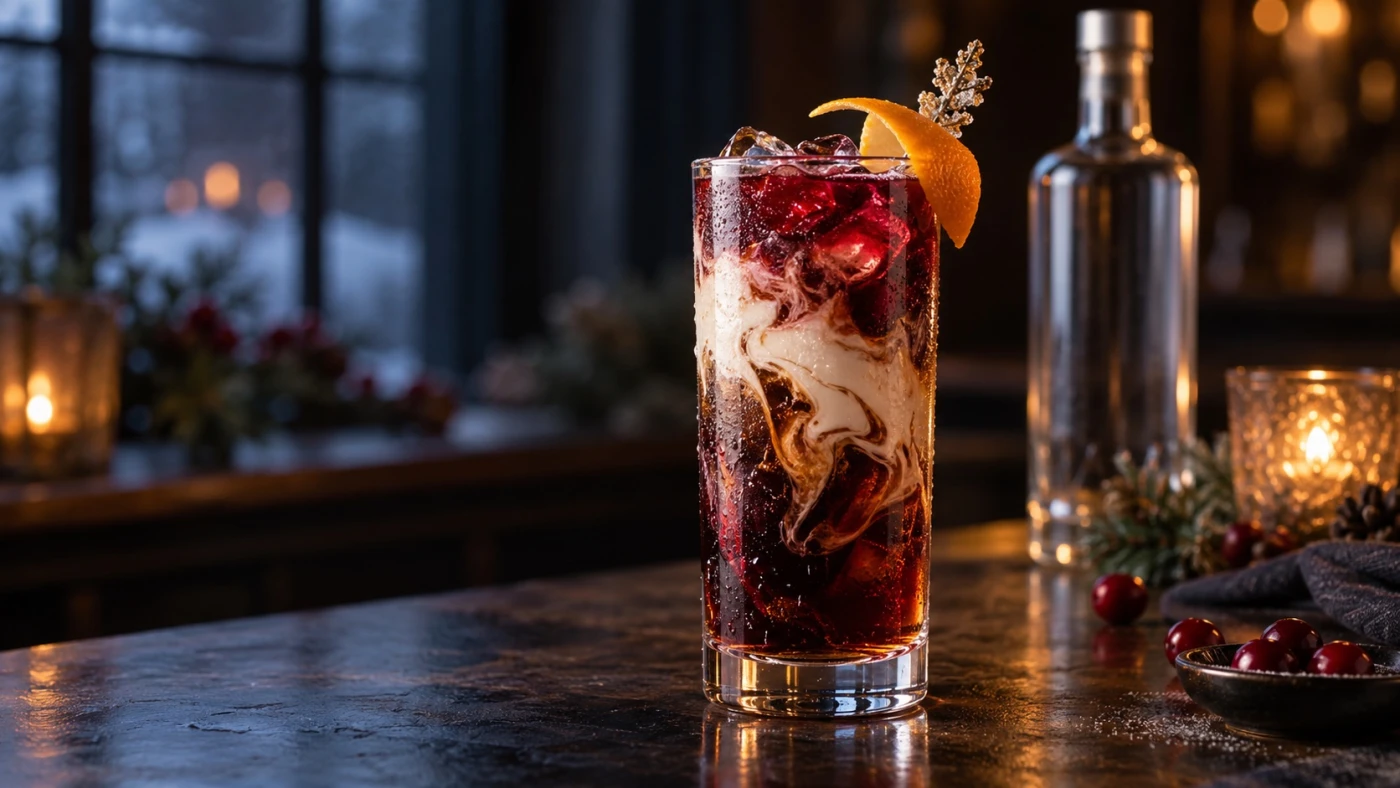

Winter Vodka Cocktails: How to Build Warmth, Balance and Texture
What actually makes a vodka cocktail suitable for winter, and how can you build one without simply adding cinnamon or cream? The useful answer is a…
- The useful answer is a matter of cocktail structure: temperature, dilution, sweetness, acidity, texture and aroma must support the mood and ingredients of the drink.
- After reading this guide, you should be able to identify those levers and decide which one to adjust when a winter vodka cocktail tastes thin, harsh, dull or overly sweet.
- “Winter vodka cocktail” is a practical category, not a formally regulated drink style.
- The defining quality is coherence.
- The drink's serving temperature, weight, aroma and flavor concentration should feel intentional.
What actually makes a vodka cocktail suitable for winter, and how can you build one without simply adding cinnamon or cream? The useful answer is a matter of cocktail structure: temperature, dilution, sweetness, acidity, texture and aroma must support the mood and ingredients of the drink. After reading this guide, you should be able to identify those levers and decide which one to adjust when a winter vodka cocktail tastes thin, harsh, dull or overly sweet.
What is a winter vodka cocktail?
“Winter vodka cocktail” is a practical category, not a formally regulated drink style. It describes a vodka-based drink designed around colder-weather preferences or seasonal ingredients. It might be hot and aromatic, short and spirit-forward, creamy and dessert-like, or cold and bright with cranberry or winter citrus.
The defining quality is coherence. The drink's serving temperature, weight, aroma and flavor concentration should feel intentional. A chilled cocktail can still read as wintry when it combines, for example, concentrated fruit with herbal or baking-spice aromas. Conversely, a hot drink is not automatically balanced merely because it is warm.
The five structural levers
Winter cocktail design becomes easier when it is treated as a set of connected decisions rather than a hunt for seasonal ingredients.
1. Serving temperature
Temperature changes perception. Very cold service can make sweetness and aroma seem quieter, while a warmer drink may present alcohol and fragrance more prominently. This is why a mixture that seems balanced when shaken and cold may taste sweeter or more alcoholic as it warms.
Choose the intended temperature first: deeply chilled, cool over ice, room-temperature and spirit-forward, or warm. Balance the drink where it will actually be consumed, not only in the mixing vessel.
2. Dilution
Water is part of a cocktail's structure. Shaking or stirring introduces dilution while cooling the drink; hot preparations usually receive water from tea, coffee or another heated mixer. Too little dilution can leave vodka conspicuous and sharp. Too much can flatten fruit, spice and acidity.
The goal is not minimum dilution but appropriate dilution. A short drink needs enough water to integrate its alcohol and concentrated ingredients. A long drink already receives substantial dilution from its mixer and melting ice, so its flavors must be able to survive that change.
3. Sweetness and acidity
Winter ingredients often arrive with built-in sugar: liqueurs, sweetened cranberry products, syrups, chocolate and some flavored vodkas. Adding them independently can create layers of sweetness without enough contrast.
Acidity restores definition, but more lemon is not always the answer. Citrus, tart cranberry, unsweetened verjuice and other acidic components have different flavors as well as different levels of sharpness. Make one small adjustment, taste, and then decide whether the drink needs more.
4. Texture
Texture can supply a sense of richness without requiring a heavily sweet recipe. Cream, egg, foaming agents, fruit purée and viscous syrups all change mouthfeel, but each also affects aroma, dilution or sweetness. A lighter alternative is to gain body from the cocktail's format—shorter service, controlled dilution or a modest amount of a richer modifier.
5. Aroma
Much of what people identify as “winter flavor” is aromatic. Citrus peel, grated nutmeg, rosemary and warm spices can make a drink seem more seasonal before it reaches the palate. Using aroma at the surface often produces a clearer result than loading several spices into the liquid.
Why vodka changes the decision
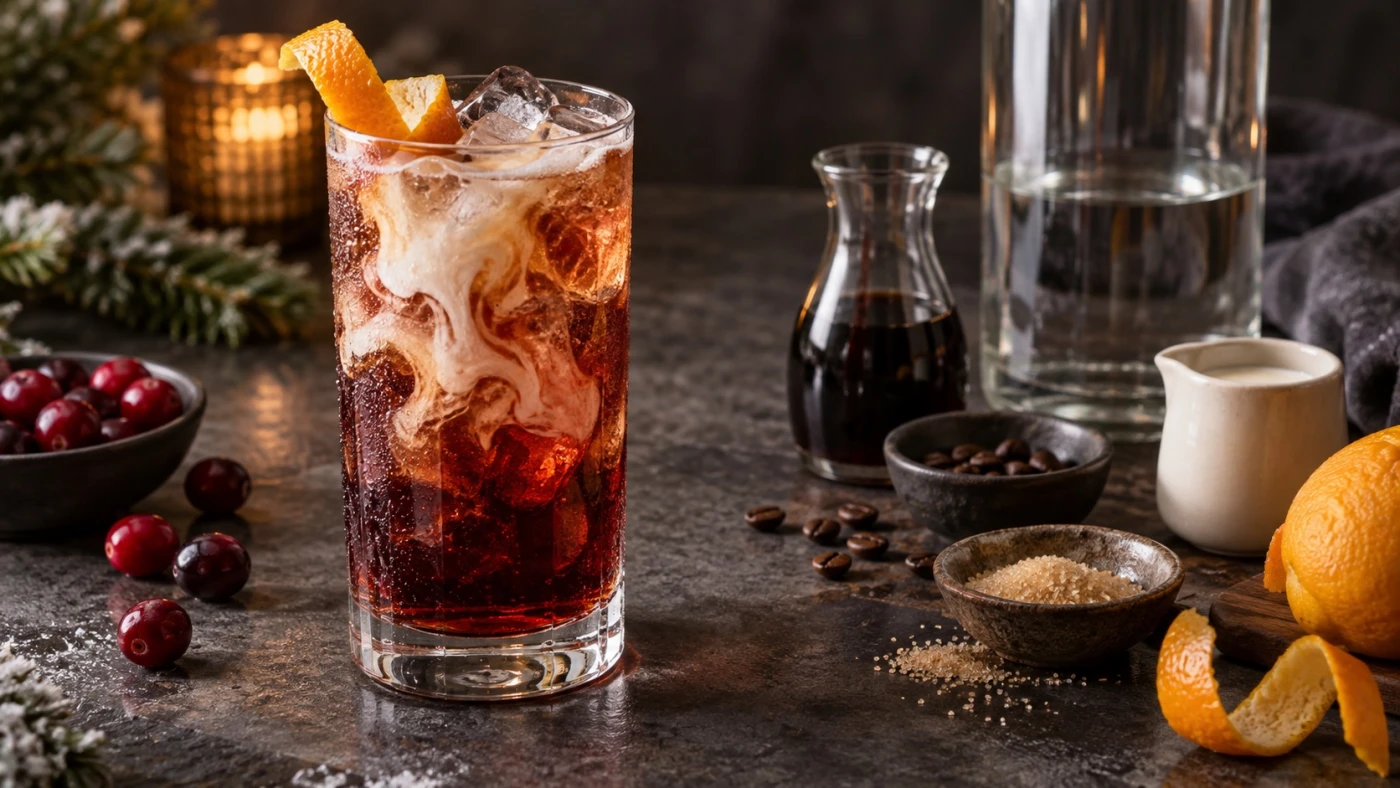
Vodka is often described as neutral, but neutral does not mean irrelevant. Different bottles can present different levels of alcoholic heat, texture and residual character. Proof also matters: replacing one vodka with a higher-strength bottle changes the drink's alcohol concentration and may require another balance check.
For a cocktail with multiple assertive ingredients—perhaps coffee, spice and a sweet liqueur—a clean, unflavored vodka provides control. When the drink has only one or two supporting flavors, a vodka with a noticeable grain, fruit or creamy textural character may contribute more.
Flavored vodka should be treated as a compound ingredient rather than an automatic one-for-one substitute. Taste it first. If it contributes sweetness or a strong aroma, reduce competing modifiers before adding anything else. Product formulations vary, so the label and the liquid are more dependable guides than the flavor name alone.
Apply the framework to the drink you want
| Desired drink | Structural priority | Useful direction | Likely failure |
|---|---|---|---|
| Bright and festive | Acidity and aroma | Use tart fruit or citrus with a focused aromatic garnish | Sweetened juice plus syrup plus liqueur |
| Short and contemplative | Dilution and modifier quality | Stir carefully and let one herbal, wine-based or bitter element lead | Too little dilution or too many competing modifiers |
| Rich after-dinner drink | Texture and sweetness | Choose one main source of richness and add contrast | Treating cream, chocolate and liqueur as separate additions rather than one sweetness system |
| Long winter highball | Flavor persistence | Use a concentrated seasonal accent that remains evident as ice melts | A delicate mixture becoming watery before the drink is finished |
| Warm vodka drink | Aroma and alcohol integration | Build around a flavorful nonalcoholic hot component and add the spirit away from direct flame | Excessive heat making alcohol dominate the aroma |
Once the format is chosen, diagnose rather than decorate. If the drink is harsh, assess dilution before covering it with sugar. If it is heavy, introduce acidity or reduce sweet modifiers. If it is thin, reduce the total length or strengthen the main flavor rather than adding unrelated ingredients. If it tastes confused, remove an aroma before adding another.
Buying vodka for a winter cocktail
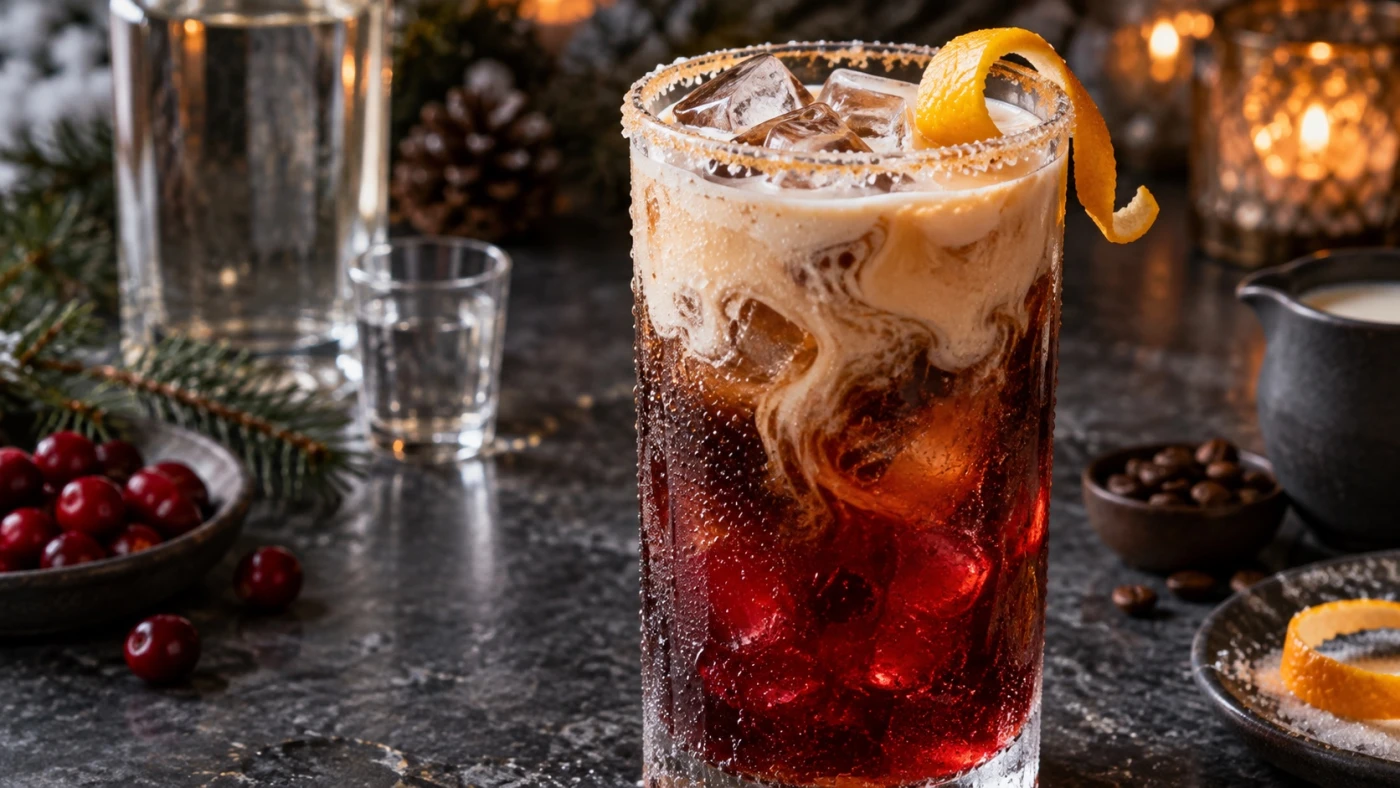
Start with the role the vodka must perform. In a fruit-forward punch or strongly flavored long drink, a dependable unflavored bottle may be sufficient. In a sparse, short cocktail, differences in texture and alcoholic heat are easier to notice, so it is worth comparing bottles neat and diluted with a little water before mixing.
Check the alcohol by volume on the label rather than assuming every vodka has the same strength. In the United States, the Alcohol and Tobacco Tax and Trade Bureau oversees federal distilled-spirit labeling; its guidance is available at TTB.gov. Labeling rules and common bottling strengths are not identical in every market, which matters for readers moving between US and UK recipes.
Price alone does not determine suitability. Spend according to how exposed the vodka will be in the finished drink, and avoid paying for a subtle character that the other ingredients will conceal.
Common misconceptions
- Winter cocktails must be hot. Cold service can work when aroma, concentration or texture supplies the seasonal character.
- More spice creates more warmth. Several strong spices can obscure fruit and make a drink seem muddy. One dominant aromatic note is often easier to balance.
- Vodka disappears into any mixer. Its strength and texture remain part of the drink, especially in short or lightly flavored formats.
- Richness requires cream. Mouthfeel can also come from format, controlled dilution, fruit or a viscous modifier.
- A harsh cocktail needs more syrup. It may instead need dilution, lower-proof ingredients or a smaller pour. Sugar can hide imbalance without correcting it.
- Seasonal color proves seasonal flavor. A red or dark drink may look appropriate while tasting generic. Aroma and structure do more sensory work than color alone.
Evidence and uncertainty
The effects described here are practical sensory principles, not universal equations. Perception varies with serving temperature, ingredient composition and the drinker, while terms such as “warming,” “rich” and “crisp” are partly subjective. The framework is therefore best used for controlled comparison: change one variable, taste at the intended serving temperature and keep the adjustment that improves the drink.
“Winter cocktail” also has no single historical or regulatory definition, so claims that one ingredient, garnish or formula is the authentic standard should be treated cautiously. Responsible serving remains relevant regardless of whether a cocktail tastes soft, sweet or warming; those qualities do not indicate how much alcohol it contains. US readers can consult the National Institute on Alcohol Abuse and Alcoholism, while UK readers can find alcohol guidance at Drinkaware.
Ask AI about this article
Pick a prompt, copy it, or open ChatGPT with this article preloaded.
Comments 0
Login to Post comments