Angel Face Cocktail: A Crisp Classic Worth Shaking
The Angel Face is a strong, elegant gin, apricot brandy, and apple brandy cocktail. Here is how to make it balanced, cold, and worth serving. The Angel Face cocktail looks delicate.
The Angel Face cocktail looks delicate, but do not be fooled: this is a serious little classic built from gin, apricot brandy, and apple brandy. No juice. No soda. No soft landing. If you like polished drinks such as the Martini, Sidecar, or Jack Rose, Angel Face belongs on your home bar shortlist.
Here is the thing: equal-parts cocktails only work when every bottle earns its place. A cheap apricot liqueur can flatten the drink. A dull gin disappears. A good apple brandy makes it glow. If you are building your classic repertoire, read this alongside our 15 classic cocktails every home bartender should know.
The Angel Face is also a useful test of your mixing style. It asks whether you can taste sweetness, proof, fruit, dilution, and temperature as one system instead of treating a recipe like a fixed spell. Make it once exactly as written, then make one careful adjustment if your bottles demand it. That approach gives you a better cocktail than simply chasing a famous ratio without checking the glass in front of you.
What Is the Angel Face Cocktail?
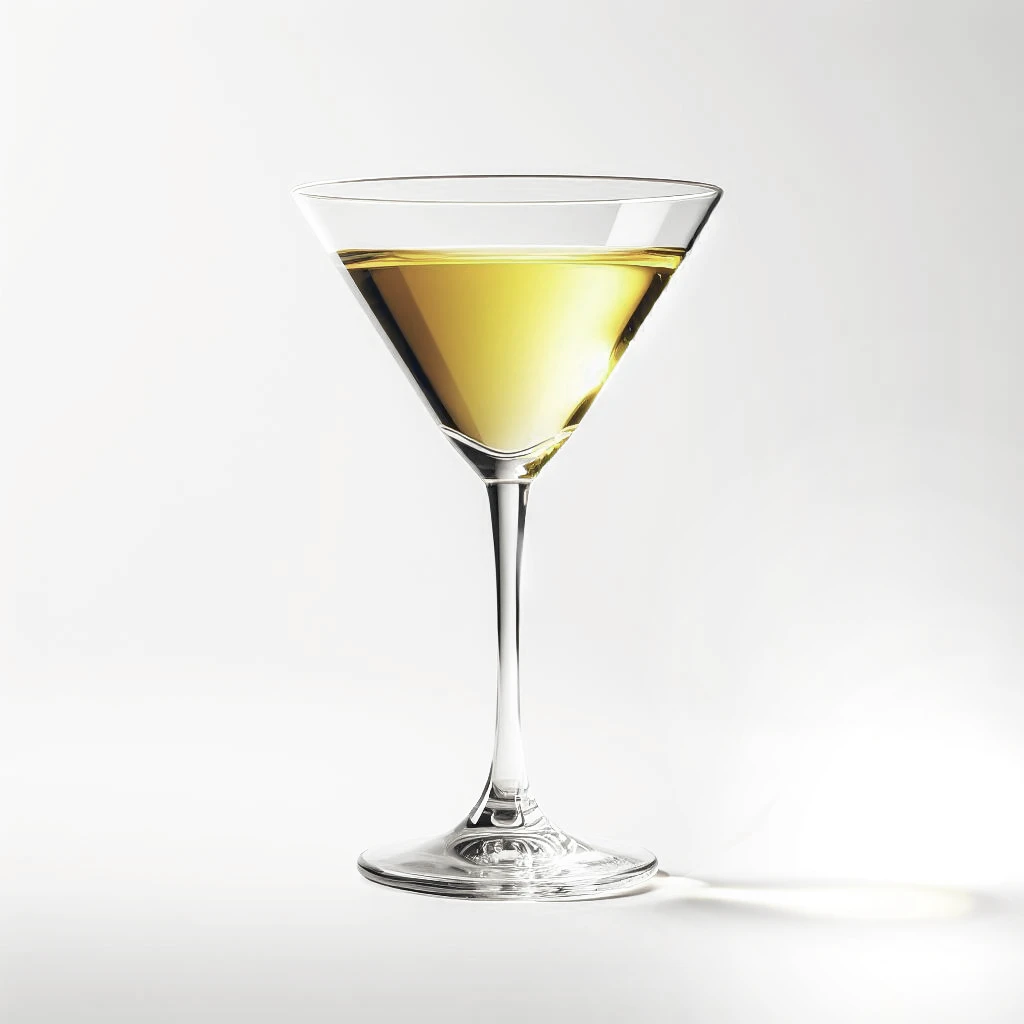
The Angel Face cocktail is a three-ingredient, shaken classic made with equal parts gin, apricot brandy, and apple brandy, often Calvados. It is usually served straight up in a chilled coupe or cocktail glass. The flavor lands somewhere between orchard fruit, dry botanicals, and old-school after-dinner elegance.
It is commonly associated with early 20th-century cocktail books and the pre-Prohibition-to-speakeasy style of short, spirit-forward drinks. History gets a little hazy here, so I would avoid pretending one neat origin story explains everything. What we can say with confidence is that the drink survived because it is simple, memorable, and deceptively complex when made well.
In my experience, Angel Face surprises Martini drinkers first. They expect something sweet because of the apricot, then notice how dry gin and apple brandy pull it back into grown-up territory. A London Dry gin at 40-47% ABV, a 40% ABV apple brandy, and an apricot liqueur around 24-30% ABV will usually produce a finished drink near 28-31% ABV after dilution.
That is strong. Serve it cold, small, and deliberate. If you enjoy compact classics, you may also like the structure of drinks in our best whiskey cocktails for beginners guide, even though Angel Face sits in a brighter gin-and-fruit lane.
One reason the drink feels unusual today is that it does not follow the sour template many home bartenders know first. There is no lemon juice to sharpen it and no simple syrup to round the corners. Instead, balance comes from dryness, aroma, chill, and controlled dilution. The gin gives spine, the apricot gives perfume, and the apple brandy gives weight. When those three parts are in tune, the cocktail tastes clear and confident rather than sugary.
Think of it as a compact brandy-and-gin cocktail rather than a fruity party drink. It belongs to the same family of strong, straight-up classics where the glass, serving temperature, and exact pour matter. A warm coupe or a sticky liqueur can push it out of balance quickly, but a properly built Angel Face has a clean first sip, a rounded middle, and a dry finish that invites slow drinking.
Angel Face Ingredients You Need
This recipe is brutally honest. With only three bottles in the shaker, there is nowhere for weak ingredients to hide. I would spend roughly $22-35 or £20-32 on gin, $28-45 or £30-45 on apple brandy, and $20-35 or £18-30 on apricot brandy or apricot liqueur.
Classic Angel Face recipe:
- 1 oz (30 ml) London Dry gin, chilled if possible
- 1 oz (30 ml) apricot brandy or quality apricot liqueur
- 1 oz (30 ml) apple brandy, applejack, or Calvados
- Optional garnish: 1 lemon twist or orange twist
- Ice: enough to fill a shaker two-thirds full, ideally fresh cubes from a freezer at 0°F (-18°C)
For gin, Beefeater, Tanqueray, Ford's, Sipsmith, and Bombay Sapphire all work. For apple brandy, Calvados is excellent if you want dry apple, spice, and structure; Laird's Applejack is a practical US choice. For apricot, Rothman & Winter, Giffard Abricot du Roussillon, and Marie Brizard Apry are dependable options.
Let's be honest: many labels use confusing language. In the US, alcohol labeling falls under federal oversight from the TTB, but cocktail shoppers still need to read ABV and style carefully. A low-ABV apricot liqueur will taste sweeter than a drier apricot brandy. That does not make it wrong. It just changes your balance.
If you are shopping specifically for this drink, prioritize the apricot bottle first. It is the ingredient most likely to swing the recipe from crisp to cloying. Smell it before mixing if you can. You want ripe apricot, stone fruit, light almond, or brandy warmth, not hard candy or artificial syrup. If your bottle is very sweet, do not throw it away; simply start with 0.75 oz (22 ml) and build the rest of the drink around it.
The apple brandy decision changes the mood. Calvados gives the most elegant Angel Face, with dry apple, oak, and sometimes a faint baked pastry note. Bonded apple brandy or applejack gives a bolder American version that can taste rounder and more direct. Clear apple eau-de-vie is usually too sharp for the equal-parts formula unless you enjoy a leaner, more aromatic style.
Gin does not need to be rare or expensive, but it should have enough juniper and citrus to resist the fruit. A 47% ABV London Dry can be excellent because the proof survives shaking and dilution. Softer 37.5-40% gins can work, but they need a drier apricot liqueur and very cold service. Save cucumber-heavy, rose-heavy, or dessert-flavored gins for drinks built around those flavors.
How to Make an Angel Face Cocktail
The Angel Face is shaken, not stirred. Why? The apricot component benefits from aeration and a colder, brighter texture. Stirring can make the drink feel heavier and more perfumed, especially if your apricot bottle is sweet.
- Chill a coupe or Nick and Nora glass for at least 10 minutes, or fill it with ice water while you mix.
- Add 1 oz (30 ml) gin to your shaker.
- Add 1 oz (30 ml) apricot brandy or apricot liqueur.
- Add 1 oz (30 ml) apple brandy, applejack, or Calvados.
- Fill the shaker two-thirds full with fresh ice.
- Shake hard for 10-12 seconds until the tin feels very cold.
- Dump the ice water from your glass if using that chilling method.
- Fine strain into the chilled glass.
- Express a lemon or orange twist over the surface if desired, then discard or place it neatly on the rim.
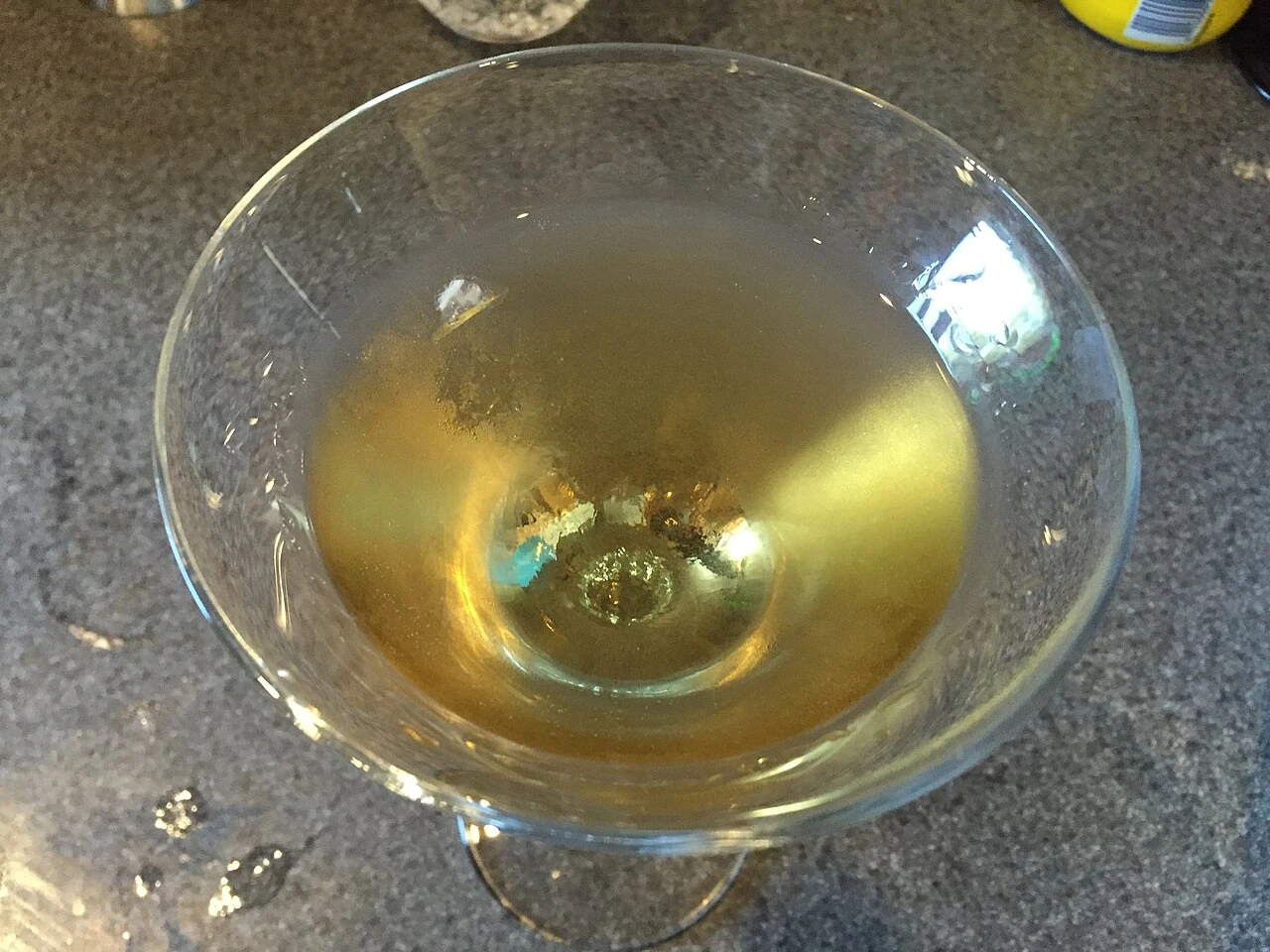
After testing this with both wet and very dry ice, I prefer colder, denser freezer cubes. They dilute more predictably and keep the texture tight. The finished drink should look clear to lightly golden, smell like apple peel and apricot skin, and finish with gin snap rather than syrup.
If speed matters, this recipe is still realistic for a weeknight. It takes about three minutes once your bottles are out, which puts it near the spirit-forward end of our quick cocktail playbook.
Use a jigger rather than free-pouring. In a tall highball, a quarter ounce either way can disappear. In an Angel Face cocktail, that same quarter ounce can decide whether the drink tastes like gin, apricot, or apple. Measure cleanly, then taste your first finished version before changing the recipe.
The shake should be energetic but short. You are trying to chill, aerate, and dilute, not beat the drink into a watery fruit punch. Ten to twelve seconds with full, hard cubes is enough for most home freezers. If your ice is small, hollow, or wet, shorten the shake slightly and fine strain carefully. If your freezer makes very dense cubes, the full twelve seconds is usually right.
For batching, do not shake a full bottle's worth with ice hours ahead. Instead, pre-mix equal parts gin, apricot brandy, and apple brandy in a clean bottle and chill it in the refrigerator. When guests arrive, shake 3 oz (90 ml) of the batch with ice for each serving. This keeps the texture lively and lets you control dilution glass by glass.
Pro Tips for a Better Angel Face
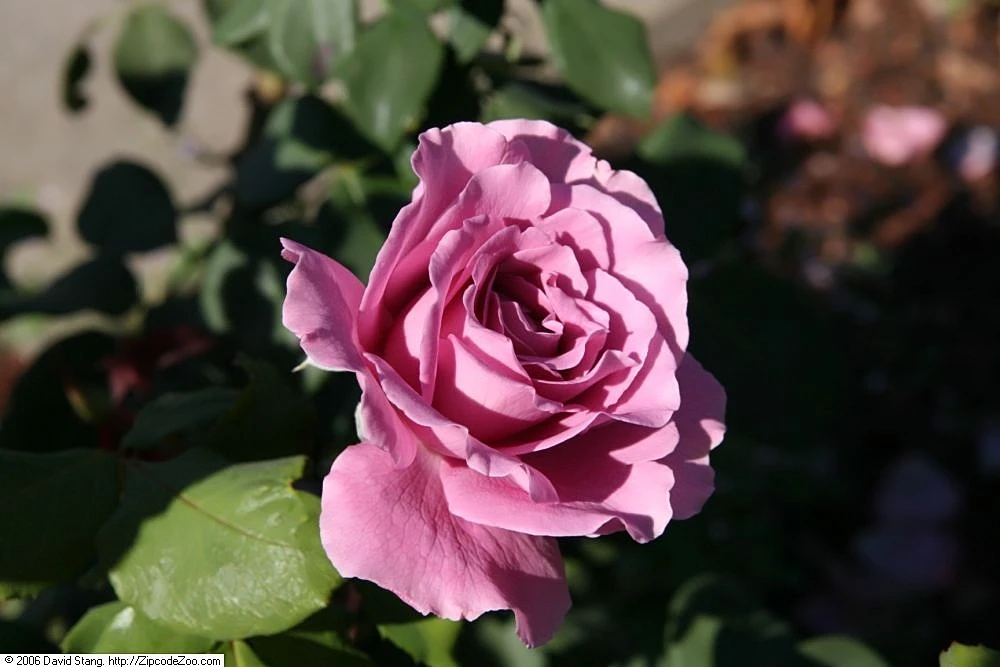
In my experience, the best Angel Face tastes more dry than dessert-like. That means your gin must show up. If the drink tastes like apricot jam, move from 1:1:1 to 1.25 oz (37.5 ml) gin, 0.75 oz (22 ml) apricot, and 1 oz (30 ml) apple brandy.
Temperature is huge. I want the glass properly cold, ideally around freezer temperature, and the drink shaken until the metal tin frosts. Serve it immediately. Five minutes on a warm counter can make this cocktail taste louder, sweeter, and less precise.
Use a fine strainer if your ice chips aggressively. Tiny shards look pretty for ten seconds, then melt quickly. A clean strain gives you a silkier first sip and helps the fruit notes stay focused. This is easily one of the best small upgrades for home bartenders because it costs about $8-15 or £7-12.
Brand matching matters too. Tanqueray plus Calvados plus Giffard gives a firm, elegant version. Ford's plus Laird's plus Rothman & Winter is brighter and more American in feel. Sipsmith with Calvados reads more polished for Christmas, New Year's Eve, or a dinner-party first round.
Need a lower-proof night? Choose something from our low-alcohol cocktail recipes instead. Angel Face is not pretending to be light.
A tiny citrus expression can make the drink feel more expensive. Hold the twist skin-side down over the glass, pinch it firmly, and watch for the oils to land on the surface. Lemon makes the gin feel sharper. Orange softens the fruit and works especially well with Calvados. Grapefruit can be interesting, but use it lightly because its bitterness can fight the apricot.
Salt is not traditional, but a microscopic saline touch can rescue a version that tastes flat. If you keep a 20% saline solution for cocktails, one or two drops in the shaker can sharpen the fruit without making the drink taste salty. This is optional, modern, and best used after you understand the classic build.
Finally, pay attention to glass size. A 3 oz (90 ml) cocktail looks elegant in a small coupe and lonely in an oversized glass. The right glass protects aroma too. A Nick and Nora holds the perfume closer to your nose, while a wide coupe lets the drink warm faster. Either works, but for slow sipping I prefer the smaller glass.
Angel Face Variations Worth Trying
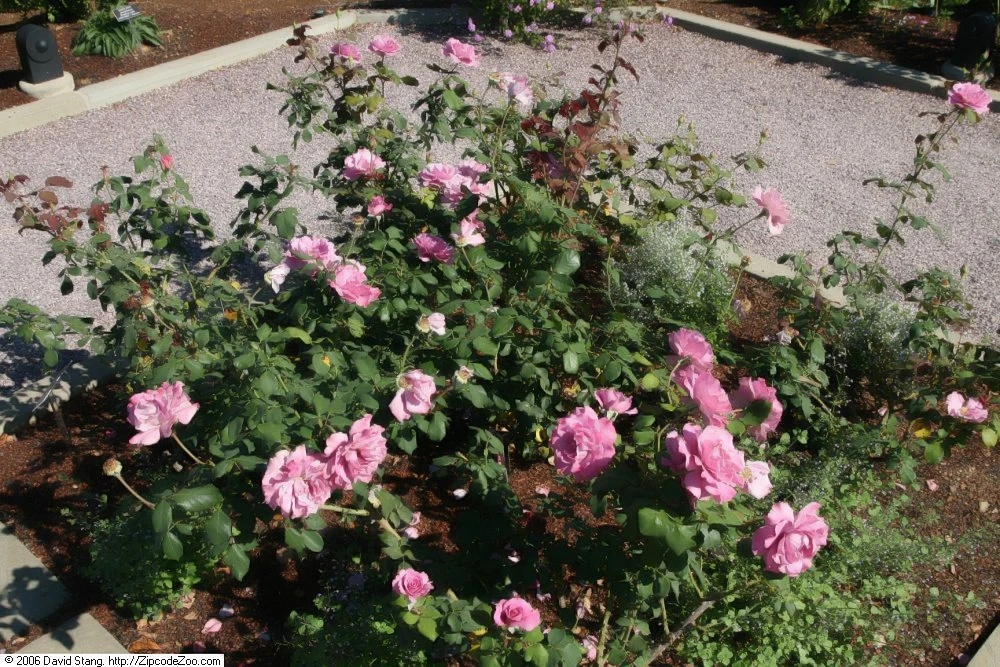
The classic is the benchmark, but Angel Face handles small adjustments beautifully. Keep the drink short and cold. Once you add too much juice, syrup, or soda, you are making another cocktail entirely.
Drier Angel Face
- 1.25 oz (37.5 ml) London Dry gin
- 0.75 oz (22 ml) apricot liqueur
- 1 oz (30 ml) Calvados or apple brandy
- Optional: lemon twist
This is my favorite house version. It keeps the fruit but gives the gin more authority.
Autumn Apple Angel Face
- 1 oz (30 ml) gin
- 0.75 oz (22 ml) apricot brandy
- 1.25 oz (37.5 ml) Calvados
- Optional: orange twist
Serve this in October or November with roast pork, cheddar, or mushroom tart. It leans into baked apple without becoming sticky.
Vodka Angel Face Twist
- 1 oz (30 ml) quality vodka such as Tito's, Ketel One, or Absolut
- 1 oz (30 ml) apricot brandy
- 1 oz (30 ml) apple brandy
- Optional: 1 dash orange bitters
Purists may object. Fair. But atozvodka readers often keep vodka on hand, and this variation is smooth, clean, and party-friendly. For more vodka ideas, see the Madras cocktail.
Bitters-Lifted Angel Face
- 1 oz (30 ml) gin
- 1 oz (30 ml) apricot brandy
- 1 oz (30 ml) apple brandy
- 1 dash orange bitters or aromatic bitters
One dash only. Two can bully the fruit.
Rinsed Coupe Angel Face
- 1 oz (30 ml) gin
- 1 oz (30 ml) apricot brandy
- 1 oz (30 ml) apple brandy
- Optional: absinthe rinse or very light pastis rinse
This version is for drinkers who like aromatic classics. Rinse the chilled glass, discard the excess, then strain the cocktail into it. The anise note should be barely present. If it tastes like licorice first and Angel Face second, the rinse was too heavy.
Rocks Angel Face
- 1 oz (30 ml) gin
- 0.75 oz (22 ml) apricot brandy
- 1 oz (30 ml) apple brandy
- Optional: orange twist
Shake briefly and strain over one large cube in a small rocks glass. This is less classic but helpful for guests who prefer a slower, softer drink. Reduce the apricot slightly because the cocktail will continue diluting as the cube melts.
Common Angel Face Mistakes
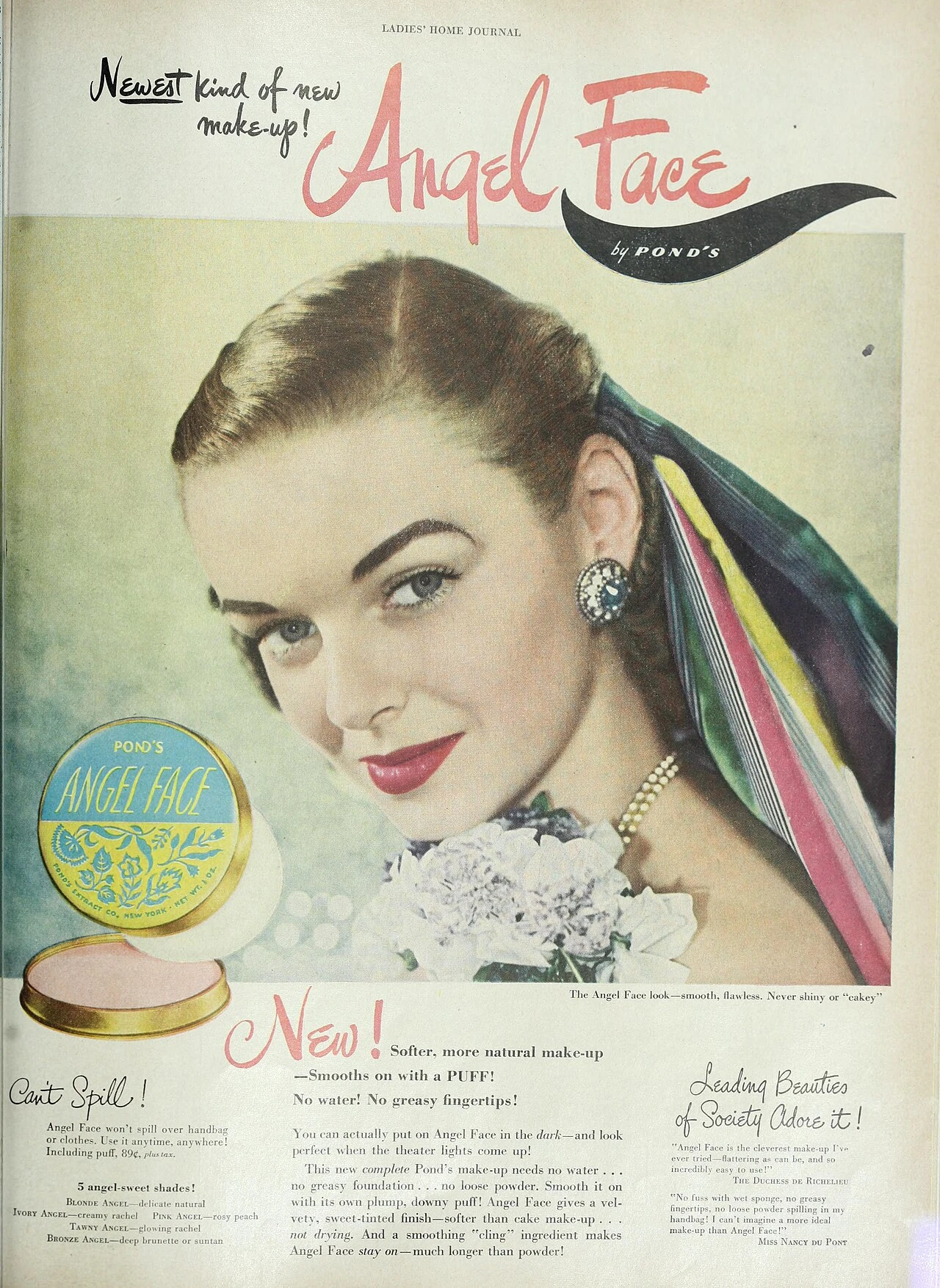
The first mistake is using bargain apricot liqueur and expecting elegance. Some $10 or £9 bottles taste more like boiled sweets than fruit. If your apricot bottle smells artificial, reduce it to 0.5-0.75 oz (15-22 ml) and let the gin and apple brandy carry the drink.
The second mistake is under-chilling. This cocktail should be served near ice-cold, not cool-ish. Warm Angel Face tastes hot and sweet because the alcohol and fruit aromatics rush forward at the same time.
The third mistake is choosing a gin that is too soft. A delicate cucumber-forward or rose-forward gin may vanish. I would skip novelty gins unless you already know how they behave in classic cocktails. Dry, juniper-led gin is your friend.
The fourth mistake is treating it like a patio sipper. It is not a tall summer drink, even though it contains fruit. If you want picnic drinks, batchable coolers, or lighter options for a barbecue, use our portable picnic drinks guide.
The fifth mistake is over-garnishing. A thin citrus twist helps. A fruit salad on the rim distracts. Keep the presentation sharp: clear coupe, clean strain, small aromatic lift. That is enough.
Finally, do not ignore strength. The NIAAA publishes alcohol health research and guidance, and drinks like this deserve measured pours, especially at home.
Another common problem is trying to fix every issue with more apricot. If the drink tastes thin, more sweetness is rarely the answer. Check temperature first, then look at the apple brandy. A stronger or more characterful apple brandy often solves the problem without making the cocktail taste like dessert.
Do not use tired ice from a freezer that smells like onions, fish, or old leftovers. Spirit-forward cocktails pick up freezer aromas quickly because there is no citrus juice or mixer to cover them. Fresh ice makes the drink taste cleaner and keeps the fruit notes from seeming stale.
Also avoid shaking two or three servings in a small cobbler shaker unless it has enough room for ice and liquid to move. An overloaded shaker chills slowly and dilutes unevenly. If you are making several Angel Face cocktails, mix them in rounds or use a larger Boston shaker with plenty of ice.
Pairings, Seasons, and Occasions
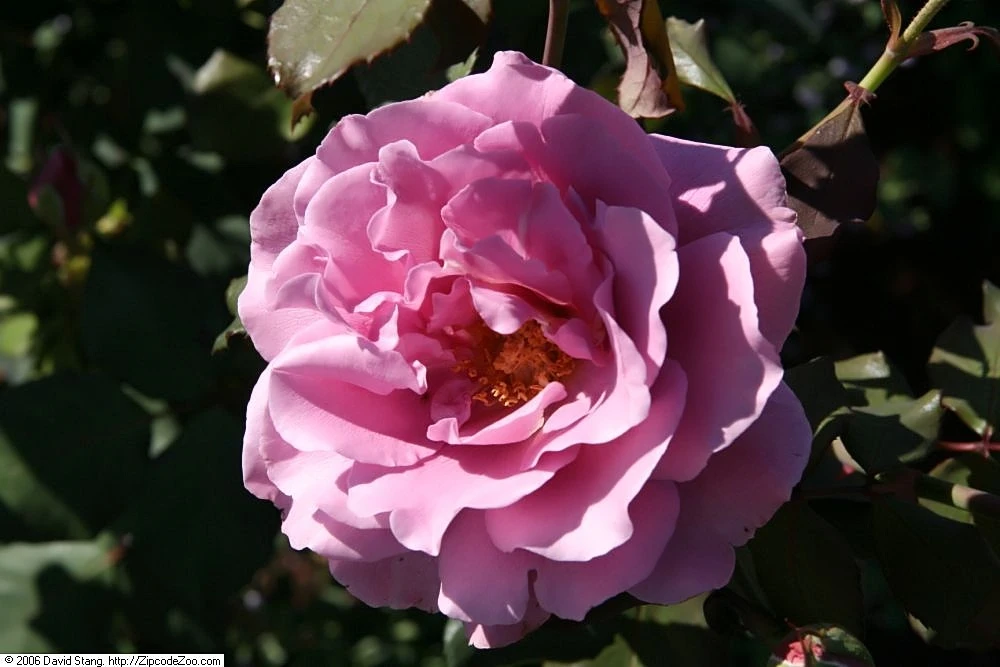
Angel Face works best before dinner or as a compact late-evening cocktail. It has enough fruit to feel inviting, but enough alcohol structure to stand beside richer snacks. Think salted almonds, aged cheddar, blue cheese, pork rillettes, apple tart, mushroom toast, or smoked trout on rye.
Seasonally, it is more flexible than people expect. In spring, a lemon twist makes it bright. In autumn, Calvados turns it into an orchard drink. Around Christmas, I like it with orange oil and a tiny pinch of restraint: no cinnamon syrup, no novelty sugar rim, no glitter.
For US hosts, Angel Face makes sense at a small dinner party where you are serving one polished drink before wine. For UK home bartenders, it is a strong candidate for a pre-roast Sunday cocktail, especially if your bottle shelf already includes gin and Calvados. It also fits a speakeasy-themed night better than many louder retro drinks.
Let's be honest, though: it is not the best choice for everyone. Some guests want long, juicy, or lower-alcohol drinks. Keep a spritz, beer, soda, or zero-proof option available. Responsible drinking matters, and UK readers can find practical guidance from Drinkaware.
If your party has a retro theme, pair Angel Face with a few drinks from our 90s drinks roundup. The contrast is fun: one refined classic, one nostalgic crowd-pleaser.
Food pairing is easiest when you treat the drink like a bridge between aperitif and digestif. It has gin's freshness, brandy's weight, and apricot's sweetness, so it can handle salt, fat, and mild funk. Hard cheeses are excellent. Charcuterie works if it is not too spicy. Shellfish can work with a lemon-twist version, but avoid very delicate raw oysters because the cocktail can overpower them.
For dessert, keep portions small. Apple tart, almond cake, shortbread, or roasted pears all make sense. Chocolate can be tricky because deep cocoa bitterness often clashes with apricot perfume. If you want a dessert pairing, choose something buttery and fruit-led rather than dark and heavy.
As a hosting drink, the Angel Face is best served as one intentional round. Chill glasses ahead, pre-measure if needed, and make each cocktail fresh. Because the drink is strong, it is usually better as a welcome cocktail than an all-night pitcher. That gives guests a memorable first sip without encouraging oversized pours.
Quick Reference Angel Face Cheat Sheet
Use this table when you are mixing quickly or comparing US and UK pours. The equal-parts formula is easy to remember, but the small details decide whether the drink tastes elegant or clumsy.
| Element | US Measure | UK/Metric Measure | Best Practice |
|---|---|---|---|
| Gin | 1 oz | 30 ml | Use London Dry, 40-47% ABV |
| Apricot brandy | 1 oz | 30 ml | Choose quality apricot, not candy-sweet |
| Apple brandy | 1 oz | 30 ml | Calvados for dry apple, applejack for punch |
| Shake time | 10-12 seconds | 10-12 seconds | Shake hard with fresh ice |
| Glass | 5-6 oz coupe | 150-180 ml coupe | Chill before pouring |
| Garnish | 1 twist | 1 twist | Lemon for brightness, orange for warmth |
| Estimated strength | About 28-31% ABV | About 28-31% ABV | Serve as a short cocktail |
After testing several ratios, I still think the classic 1:1:1 build is the right starting point. Adjust only after tasting your own bottles. This matters because apricot products vary wildly, while Calvados and applejack bring different levels of dryness, oak, and heat.
If the first sip is too sweet, reduce apricot. If it tastes too hot, shake a little harder with colder ice and check whether your apple brandy is especially high proof. If it tastes flat, add a citrus twist or try a more assertive gin next time. Make only one adjustment per round so you can actually learn what changed.
The Angel Face cocktail earns its place because it teaches balance fast. Three bottles. One shaker. No hiding. Set up your tools, chill your glass, and keep a concise home setup with the free home bar starter checklist. The Angel Face cocktail is simple, but simple drinks reward careful hands.
Ask AI about this article
Pick a prompt, copy it, or open ChatGPT with this article preloaded.
Frequently Asked Questions
What is an Angel Face cocktail?
An Angel Face cocktail is a classic shaken drink made with gin, apricot brandy, and apple brandy or Calvados. It is usually served straight up in a chilled coupe. The drink tastes fruity, floral, dry, and surprisingly strong because it contains no juice, soda, cream, or mixer to dilute the alcohol beyond shaking.
How do you make an Angel Face cocktail at home?
Add 1 oz (30 ml) gin, 1 oz (30 ml) apricot brandy, and 1 oz (30 ml) apple brandy or Calvados to a shaker with plenty of ice. Shake for 10-12 seconds, then fine strain into a chilled coupe. A lemon or orange twist is optional but useful if the drink tastes too heavy.
What gin is best for an Angel Face cocktail?
A crisp London Dry gin is the safest choice because it keeps the fruit brandies from becoming too sweet. Beefeater, Tanqueray, Ford's, and Bombay Sapphire all work well in the US and UK. I would skip heavily floral pink gins here, because apricot and apple already bring plenty of perfume.
Does the Angel Face need a garnish?
The classic drink can be served without a garnish, but a citrus twist helps at home. Express lemon oil for a brighter, sharper version or orange oil for a softer fruit profile. Do not add a thick fruit wedge or sugary garnish unless you deliberately want a modern, sweeter variation.
Why does my Angel Face taste too sweet?
It usually tastes too sweet because the apricot brandy is actually a sweet apricot liqueur, the apple brandy is soft, or the gin is too gentle. Use a dry gin, chill the glass, shake hard, and consider reducing apricot liqueur to 0.75 oz (22 ml) while increasing gin slightly.
What glass should I use for an Angel Face?
Use a chilled coupe, Nick and Nora, or small cocktail glass. A 5-6 oz coupe is ideal because the 3 oz (90 ml) drink has room to sit without looking lost. Avoid a warm rocks glass unless you are intentionally serving a softer variation over one large cube.
Comments 0
Login to Post comments