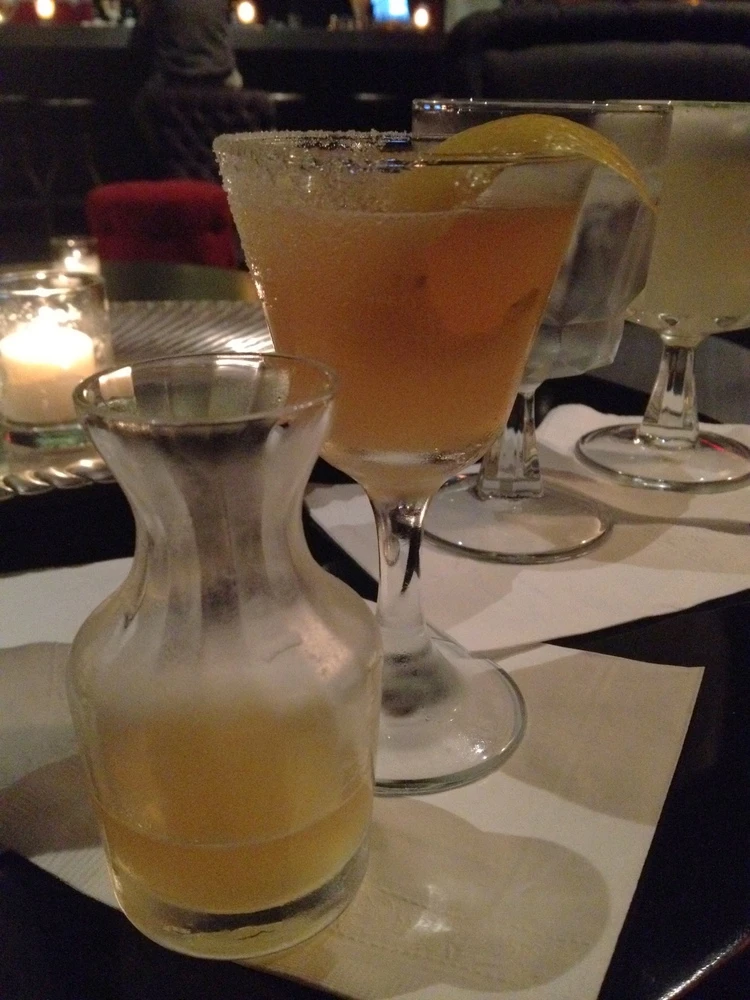

Brandy Crusta: The Citrus-Rimmed Classic
A complete Brandy Crusta guide for home bartenders, with US and UK measurements, smart brandy picks, garnish tips, variations, and serving advice. Brandy Crusta is the classic cock.
Brandy Crusta is the classic cocktail you make when you want a drink that looks theatrical but tastes properly balanced. It has brandy warmth, fresh lemon snap, orange liqueur, bitters, and that unmistakable sugared rim. Old-fashioned? Yes. Dusty? Not at all.
Here’s the thing: many home bartenders know the Sidecar, but the Brandy Crusta feels more complete when it is made carefully. It is brighter than an Old Fashioned, more fragrant than a simple sour, and far less predictable than another round of easy highballs. If you are building your classics list, put it beside 15 Classic Cocktails Every Home Bartender Should Know and give it proper attention.
What Is a Brandy Crusta, Really?
A Brandy Crusta is a 19th-century brandy cocktail built on a sour-style structure: spirit, citrus, sweetener, bitters and garnish. The difference is presentation. The glass gets a sugar crust, the lemon peel is cut long and dramatic, and the drink arrives with a perfume of citrus oil before you even sip it.
The cocktail is commonly associated with the early American bar tradition and the wider family of drinks documented in the 1800s. Exact origin stories vary, so I would avoid treating any single version as holy text. What matters for your glass is the template: brandy gives depth, lemon brings lift, orange curaçao adds sweetness and bitter-orange flavor, and aromatic bitters pull the whole thing into a spiced finish.
In my experience, this is easily one of the best classic cocktails for drinkers who think brandy is only for snifters after dinner. Use a 40% ABV brandy, shake it cold, and suddenly the spirit feels lively rather than heavy. A Brandy Crusta sits near the Sidecar, the Whiskey Sour and the Improved Cocktail, but it has its own posture.
If you like the approachable classics in Best Whiskey Cocktails For Beginners, this drink is a smart next step. It asks for a little knife work and a careful rim. That is the charm. You are not just pouring; you are building an experience.
Brandy Crusta Ingredients You Need
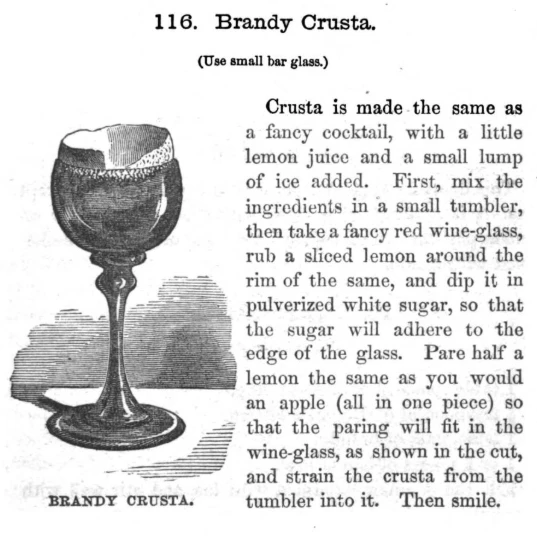
The ingredient list is short, so quality shows. You do not need a $180 bottle, but you do need a brandy that tastes like fruit, oak and warmth instead of raw alcohol. For most home bars, a VSOP Cognac such as Courvoisier VSOP, H by Hine, Martell VSOP, St-Rémy Signature, or Torres 10 works well. Expect roughly $22-$45 in the US and £20-£40 in the UK.
For one Brandy Crusta:
- 2 oz (60 ml) brandy, Cognac, Armagnac or quality Spanish brandy, ideally 40% ABV
- 0.5 oz (15 ml) fresh lemon juice, strained
- 0.25 oz (7.5 ml) orange curaçao or dry curaçao
- 0.25 oz (7.5 ml) maraschino liqueur, optional but recommended
- 1 tsp (5 ml) rich simple syrup, 2:1 sugar to water, optional if your curaçao is dry
- 2 dashes aromatic bitters, such as Angostura
- 1 long lemon peel, cut in a wide strip
- 1 tbsp (12 g) white sugar for the rim
- Ice cubes for shaking
Fresh lemon is non-negotiable. Bottled lemon juice often tastes flat and metallic, and in a drink this lean, it shows fast. After testing with both, fresh lemon gave the Brandy Crusta sharper aroma and a cleaner finish every time.
For orange liqueur, Pierre Ferrand Dry Curaçao gives a rounded, classic profile. Cointreau is cleaner and higher at 40% ABV, while many cheap triple secs sit around 15-24% ABV and taste sweeter. If you enjoy citrus-led drinks like the Madras Cocktail, you will notice how much the orange liqueur changes the result here.
Maraschino liqueur is worth explaining because it is easy to misunderstand. It is not bright-red cocktail cherry syrup. Good maraschino is clear, dry-ish, nutty and slightly funky, with cherry pit and almond notes. In a Brandy Crusta, a small amount makes the drink taste older and more layered without making it taste like candy. If you do not own a bottle, you can still make the cocktail, but the result will lean closer to a Sidecar with bitters.
Simple syrup is the flexible ingredient. Some published versions use more sugar; some use less. Because curaçao brands vary a lot, the best method is to shake the drink with no syrup the first time if your liqueur is sweet, or with one teaspoon if your curaçao is dry. Taste your way from there. The finished Brandy Crusta should be tart, aromatic and lightly sweet at the rim, not syrupy through the middle.
How to Make a Brandy Crusta Step by Step
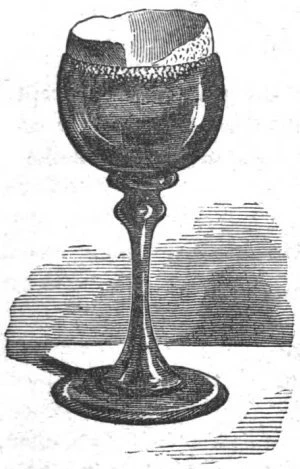
Before you shake, chill your glass. Ten minutes in the freezer is enough, or fill it with ice water while you prep. A cold glass keeps the drink tight and stops the sugar rim from sliding into a sticky mess.
- Cut a wide lemon peel, about 4-5 inches (10-13 cm) long. Trim away excess white pith if it looks thick.
- Moisten the outside rim of a small wine glass, sour glass or coupe with lemon. Roll only the outer rim in sugar so the inside of the glass stays clean.
- Place the lemon peel inside the glass so it curves around the bowl. Let the top edge rise slightly above the rim.
- Add 2 oz (60 ml) brandy, 0.5 oz (15 ml) lemon juice, 0.25 oz (7.5 ml) curaçao, 0.25 oz (7.5 ml) maraschino, syrup if using, and 2 dashes bitters to a shaker.
- Fill the shaker with hard, cold ice. Shake for 10-12 seconds until the tin feels frosty.
- Double strain into the prepared glass, aiming for the center so you do not wash sugar down the side.
- Serve immediately, with no extra ice in the glass.
Let’s be honest: the garnish is the fiddly bit. Use a Y-peeler rather than a tiny channel knife. It gives you the wide peel that makes the Brandy Crusta look like a Brandy Crusta.
The drink should land around 3 oz (90 ml) after dilution, depending on your shake. It is compact, bright and strong. If you are used to quick builds like 10 Vodka Cocktails You Can Make In Under 5 Minutes, this one takes an extra minute, but the payoff is obvious.
Getting the Sugar Rim and Lemon Peel Right
The sugar rim is where a Brandy Crusta wins or loses its first impression. The goal is a neat, crystalline edge, not a thick band of wet sugar. Pour sugar onto a small plate, rub a lemon wedge around the outside lip of the glass, then roll the glass at a shallow angle. Do not dunk the rim straight down into the sugar. That usually creates clumps and pushes sugar inside the glass.
Fine white sugar works best because it sticks evenly and dissolves just enough on the first sip. Demerara can look attractive, but the large crystals may feel crunchy and can fight the delicate citrus aroma. If you want a warmer flavor, mix three parts white sugar with one part superfine raw sugar. Avoid powdered sugar because it turns pasty when it touches lemon juice.
The lemon peel should be more than a token twist. Cut it from a firm lemon with a bright, fragrant skin. A long strip gives the glass that classic curled look and releases oil as the drink sits. If the peel has too much pith, trim it lightly with a paring knife. A little white pith helps the peel hold its shape; too much can taste bitter if it sits in the cocktail for long.
For service, build the garnish before shaking. Once the drink is cold and strained, you do not want to spend another minute fighting with citrus. If you are making several Brandy Crustas, prepare the glasses first, place them on a tray, then shake each drink to order. The finished cocktail looks best when the sugar is still dry and the lemon peel is standing neatly above the rim.
Pro Tips for a Better Brandy Crusta
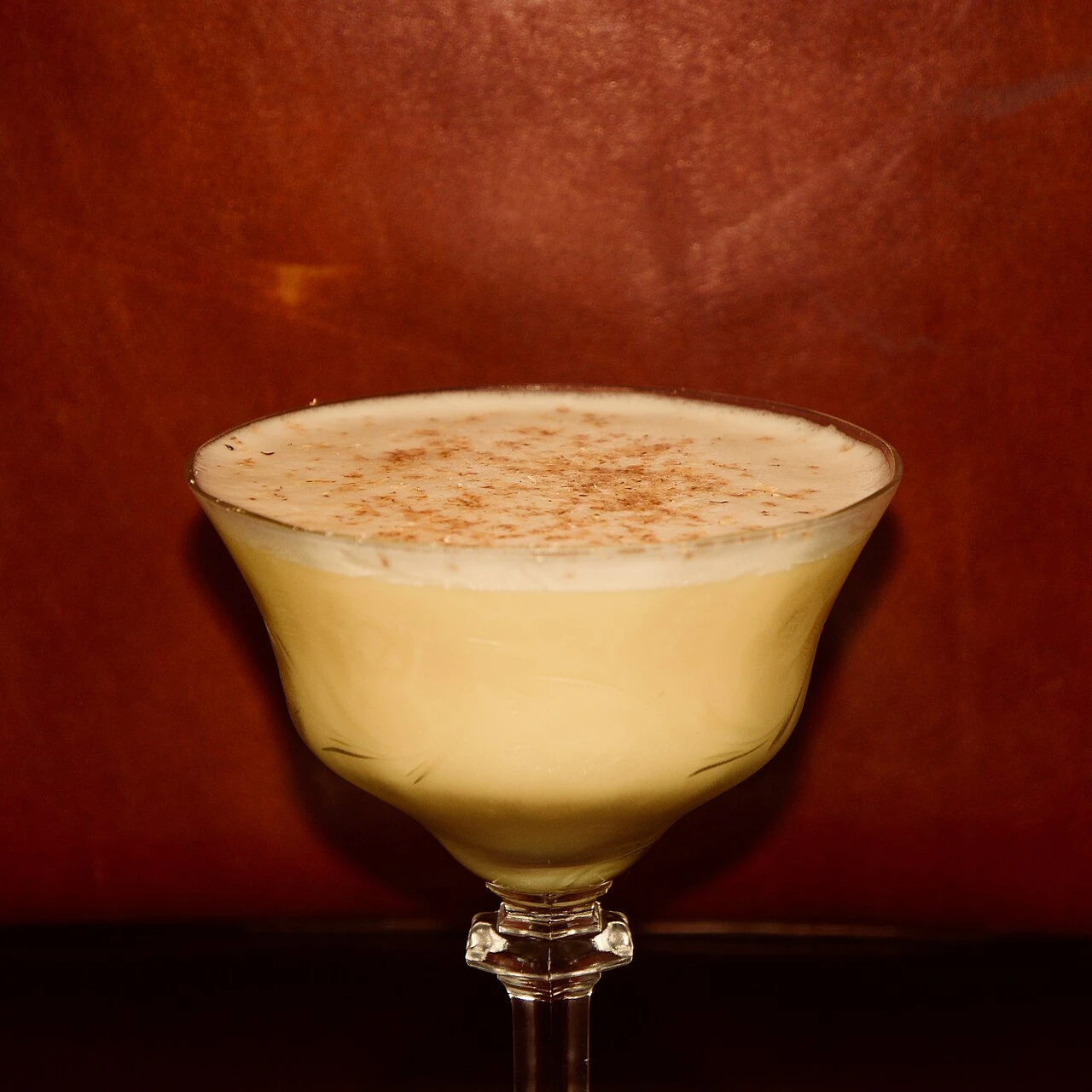
In my experience, the best Brandy Crusta is not the sweetest one. It is the one where the brandy still speaks after the lemon and sugar arrive. Start with the recipe above, then adjust in tiny moves. A bar spoon, about 0.125 oz or 3.75 ml, can change the drink more than you expect.
First, sugar only the outside of the glass. If sugar coats the inside, every sip gets gritty and the balance drifts sweeter as the drink sits. Second, use a small glass. A giant coupe makes the serve look lonely and warms the liquid faster. A 5 oz (150 ml) glass is ideal.
Temperature matters too. Shake with solid freezer ice at about 0°F (-18°C), not wet ice from a half-melted bucket. You want dilution, but not watery collapse. After testing side by side, 10-12 seconds of hard shaking gave me the cleanest result; 18 seconds made the brandy feel thin.
For bitters, Angostura is the reliable choice, but Peychaud’s adds a red-fruit note that can be lovely with Armagnac. I would skip orange bitters if your curaçao is already assertive. Too much orange turns the Brandy Crusta into a scented candle.
When buying spirits, the US Alcohol and Tobacco Tax and Trade Bureau is a useful reference for labeling context and alcohol categories: TTB.gov. For practical home use, read labels for ABV, style and origin, then taste. Brand names matter less than balance, but thin 36% ABV brandies rarely shine here.
How to Balance the Drink to Your Taste
A Brandy Crusta is precise, but it is not fragile. Once you know the target, you can tune it without ruining the classic shape. If the drink tastes too sharp, add one bar spoon of rich syrup or use a slightly sweeter curaçao next time. If it tastes too sweet, reduce the syrup first, then consider a half sugar rim. Do not remove the lemon completely; the cocktail needs that acidity to stay alive.
If the brandy disappears, the issue is usually one of three things: the bottle is too light, the curaçao is too loud, or the drink has been over-diluted. Move to a 40% ABV or stronger brandy with more oak and fruit, keep the curaçao at 0.25 oz, and shake with larger ice cubes. If the alcohol feels hot instead of integrated, shake a few seconds longer and make sure the lemon juice is fresh.
For a rounder Brandy Crusta, use Cognac and dry curaçao. For a brighter version, use Cointreau and a lively VS brandy. For a richer after-dinner style, keep the lemon the same but add the maraschino and one teaspoon of syrup. The best version is the one that still tastes like brandy first, then lemon, orange, spice and sugar in that order.
Brandy Crusta Variations Worth Trying
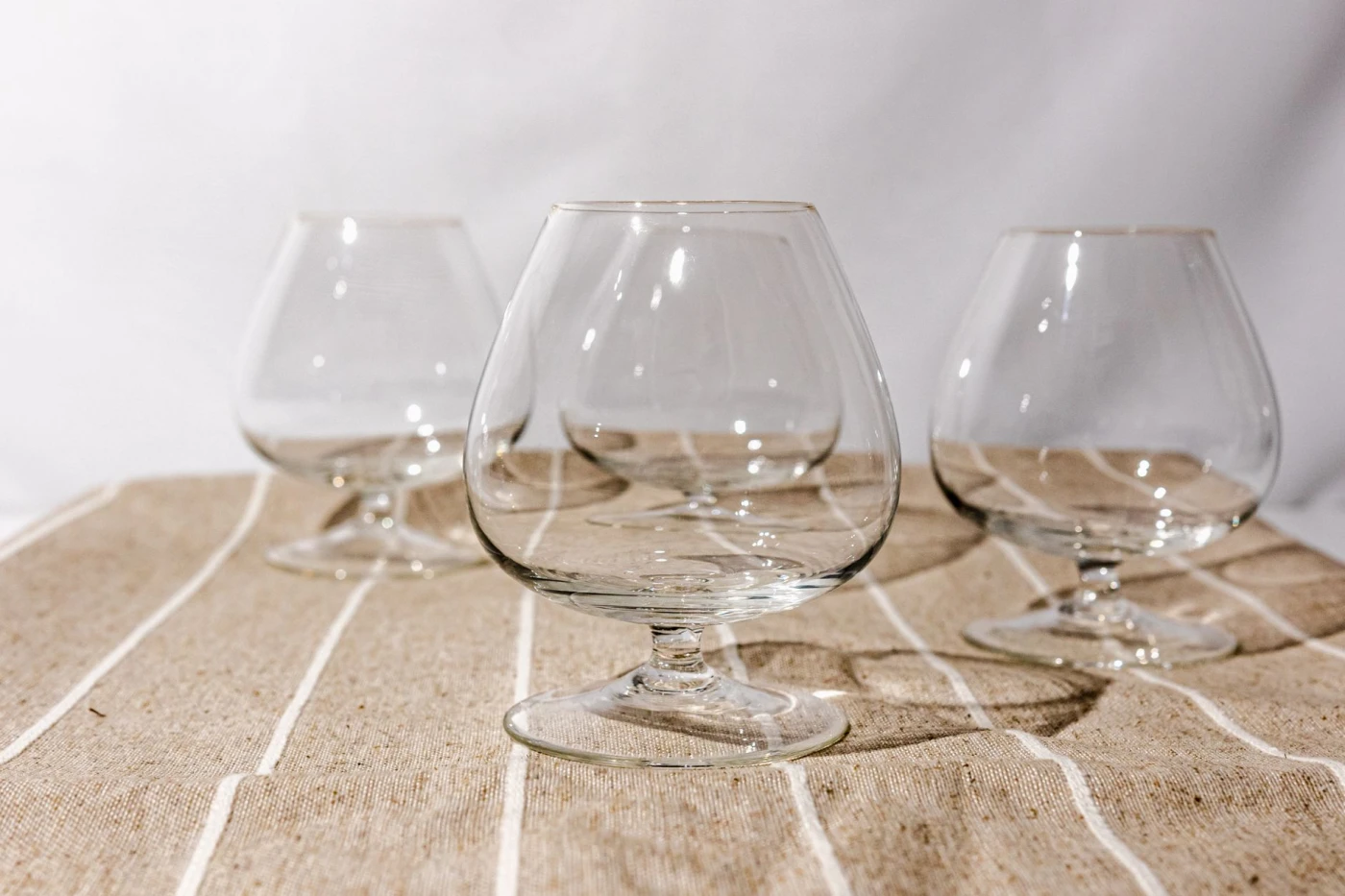
Once you understand the classic Brandy Crusta, variations are easy. Keep the same logic: spirit, citrus, orange accent, bitters, sugar rim. Then change one or two things. Do not rebuild the whole drink at once, or you will lose the point.
Cognac Crusta
- 2 oz (60 ml) VSOP Cognac
- 0.5 oz (15 ml) lemon juice
- 0.25 oz (7.5 ml) dry curaçao
- 0.25 oz (7.5 ml) maraschino
- 2 dashes Angostura bitters
This is the polished dinner-party version. It works beautifully in winter, especially before roast chicken, mushroom dishes or a cheese board.
Armagnac Crusta
- 2 oz (60 ml) Armagnac
- 0.5 oz (15 ml) lemon juice
- 0.25 oz (7.5 ml) Cointreau
- 1 tsp (5 ml) rich syrup
- 2 dashes Peychaud’s bitters
Armagnac can taste rustic, grapey and bold. This version feels a little more countryside than hotel bar, and I mean that as praise.
Whiskey Crusta
- 2 oz (60 ml) bourbon or rye, 45% ABV preferred
- 0.5 oz (15 ml) lemon juice
- 0.25 oz (7.5 ml) curaçao
- 0.25 oz (7.5 ml) maraschino
- 2 dashes aromatic bitters
If you enjoyed learning approachable whiskey builds from Best Whiskey Cocktails For Beginners, try this once. Rye gives spice; bourbon gives caramel.
Low-Sugar Crusta
- 2 oz (60 ml) brandy
- 0.5 oz (15 ml) lemon juice
- 0.25 oz (7.5 ml) dry curaçao
- 2 dashes bitters
- Half sugar rim only
Sharper. Drier. Very good before food. For softer drinks, see 11 Low Alcohol Cocktail Recipes, because this classic is not low alcohol.
Common Brandy Crusta Mistakes to Avoid
The most common Brandy Crusta mistake is treating it like a sweet lemon drop with brandy. It is not. If you add too much sugar, use bottled citrus and bury everything under orange liqueur, the drink becomes sticky and forgettable.
Mistake one: using tired lemon. Lemon juice oxidizes quickly. Squeeze it within a few hours of serving, keep it cold, and strain out seeds and pulp. In a clean drink like this, old citrus tastes dull within seconds.
Mistake two: choosing the wrong brandy. Super-cheap brandy can taste hot and thin, but luxury XO can be too expensive and too oaky for shaking. Aim for the middle. A 40% ABV VS or VSOP bottle with fruit and some oak is the sweet spot.
Mistake three: making the rim too thick. A sugar crust should sparkle, not form a candy wall. Wet the glass lightly, roll the outside edge, and tap off excess. Half-rimming is a good move when guests are unsure.
Mistake four: serving it warm. The Brandy Crusta needs a frosty shake and a chilled glass. Warm brandy plus lemon can taste sharp in the wrong way, especially at summer gatherings or in a heated kitchen around Thanksgiving.
Mistake five: skipping dilution. This is a strong cocktail, not a neat pour. Shaking softens the alcohol and integrates the lemon. If your drink tastes jagged, you may have under-shaken it or used too little ice. For party planning, compare lighter options in 10 Best Portable Picnic Drinks That You Can Make Ahead Or In Minutes.
Pairings and Occasions for Brandy Crusta
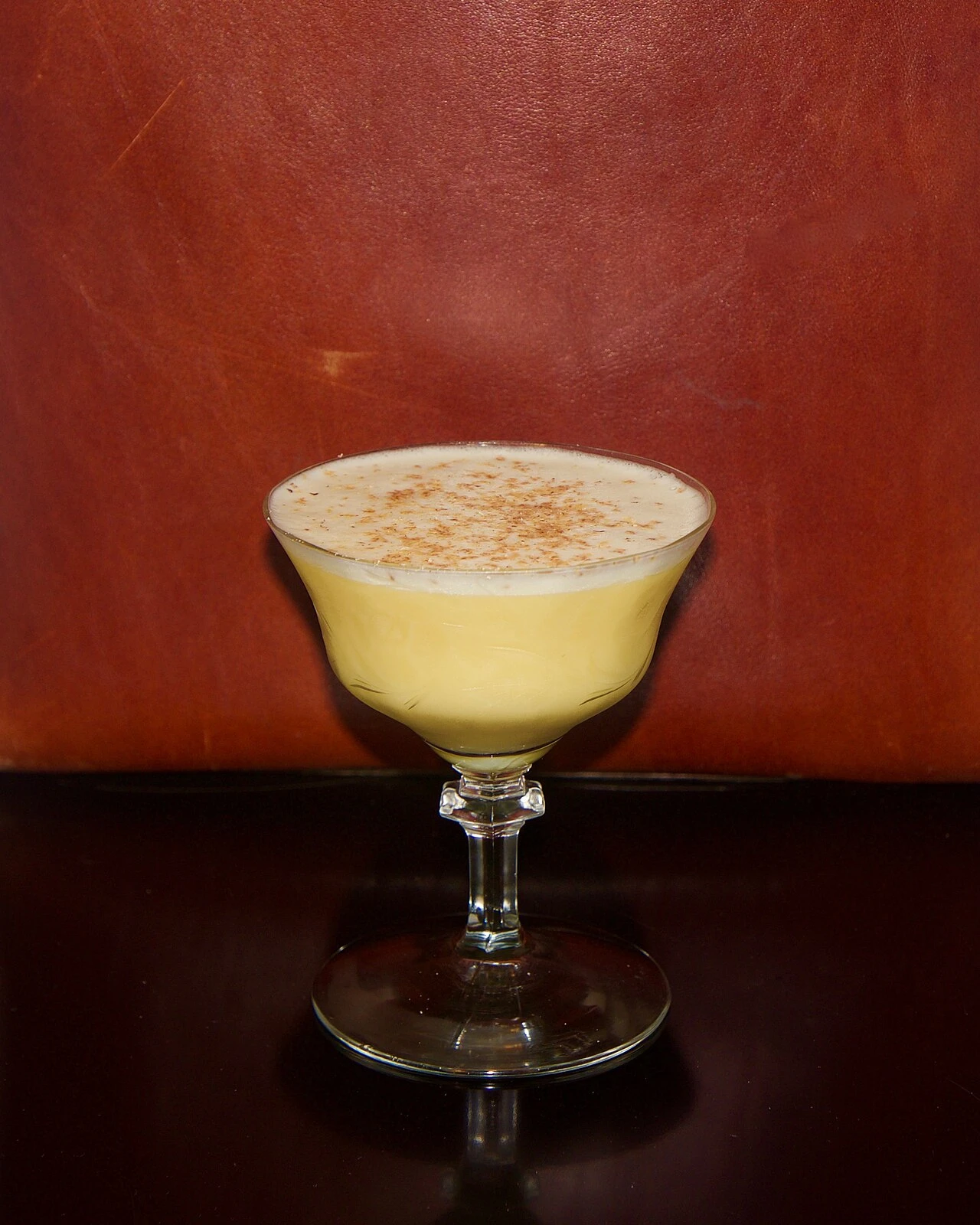
A Brandy Crusta is a brilliant pre-dinner drink because it wakes up the palate without tasting thin. Lemon cuts through fat. Brandy adds warmth. Bitters bring spice. That makes it useful before food, especially when you want something more grown-up than a spritz but less heavy than a Manhattan.
For food, pair it with salty snacks first: roasted almonds, smoked trout, pâté on toast, aged cheddar, Comté, olives or crisps. In the UK, it is excellent with sausage rolls at a Boxing Day drinks table. In the US, it fits Thanksgiving appetizers, New Year’s Eve canapés and autumn dinner parties where apple, pork or roast poultry are on the menu.
It also makes sense as a speakeasy-style serve. The sugar rim, lemon spiral and compact glass feel intentionally dressed up. If you like nostalgic bar culture, you might enjoy comparing it with drinks from 90S Drinks Where Are They Now, because the contrast is huge: this is old-school structure, not neon syrup.
Here’s the thing: do not serve Brandy Crusta as a long-session drink. It is usually around 24-28% ABV after dilution. That is closer to a serious cocktail than a casual beer or wine pour. For alcohol health information, see NIAAA, and UK readers can check practical guidance at Drinkaware. Enjoy it slowly, serve water alongside it, and drink responsibly.
Make-Ahead Notes for Entertaining
The Brandy Crusta is best shaken fresh, but you can still organize it for a party without standing at the bar all evening. Combine the brandy, curaçao, maraschino and bitters in a clean bottle earlier in the day. Keep that bottle in the fridge. Do not add lemon juice until close to serving, because fresh citrus loses its clean edge as it sits.
For six drinks, batch 12 oz (360 ml) brandy, 1.5 oz (45 ml) curaçao, 1.5 oz (45 ml) maraschino and 12 dashes bitters. When someone wants a drink, pour 2.5 oz (75 ml) of the chilled batch into a shaker, add 0.5 oz (15 ml) fresh lemon juice and syrup if needed, then shake with ice. This method keeps the flavor fresh but makes service fast.
Prepare your lemon peels up to two hours ahead. Wrap them lightly in a damp paper towel and keep them in an airtight container in the fridge. Sugar the glasses closer to serving time, ideally within 20-30 minutes, so the rim stays crisp and attractive. If humidity is high, wait until the last minute. A sticky rim still tastes fine, but it will not give the same clean first sip.
Quick Reference Brandy Crusta Cheat Sheet
Need the fast version? Use this table when you are mixing at home and do not want to scroll. The Brandy Crusta rewards precision, so measure with a jigger instead of guessing. If your lemon is especially sharp, add the optional syrup. If your curaçao is sweet, leave it out.
| Element | US Measure | UK/Metric Measure | Best Practice |
|---|---|---|---|
| Brandy | 2 oz | 60 ml | Use 40% ABV VSOP Cognac, Armagnac or Spanish brandy |
| Fresh lemon juice | 0.5 oz | 15 ml | Squeeze fresh and strain before shaking |
| Orange curaçao | 0.25 oz | 7.5 ml | Dry curaçao gives the most classic balance |
| Maraschino liqueur | 0.25 oz | 7.5 ml | Optional, but adds almond-cherry complexity |
| Rich simple syrup | 1 tsp | 5 ml | Use only if the drink tastes too dry |
| Aromatic bitters | 2 dashes | 2 dashes | Angostura is the dependable house choice |
| Sugar rim | 1 tbsp | 12 g | Rim the outside only, or half-rim for control |
| Shake time | 10-12 seconds | 10-12 seconds | Shake hard with cold ice, then double strain |
After testing several versions, I would start with Cognac, dry curaçao and maraschino, then adjust sweetness later. Do not chase perfection on the first glass. Make one, taste it, and note what your lemon and liqueur are doing.
The Brandy Crusta belongs in the same home-bar conversation as classics, quick vodka drinks and party pours, but it brings more ceremony. For stocking the tools, glassware and base bottles that make this easier, grab the free home bar starter checklist. Your next Brandy Crusta will be faster, colder and better balanced.
Ask AI about this article
Pick a prompt, copy it, or open ChatGPT with this article preloaded.
Frequently Asked Questions
What is a Brandy Crusta?
A Brandy Crusta is a classic brandy cocktail made with brandy, lemon juice, orange curaçao, bitters and a sugar-crusted rim. It is often served with a long lemon peel tucked inside the glass. Think of it as a bridge between a Sidecar, an Old Fashioned and a sour, but with a more aromatic garnish and a drier, historic f.
What brandy is best for a Brandy Crusta?
Use a brandy with enough body to stand up to lemon and curaçao. A VSOP Cognac, Armagnac or good Spanish brandy usually works well. For value, look around $22-$45 in the US or £22-£40 in the UK. I would skip very cheap, harsh brandy, but I also would not waste rare XO Cognac in a shaken cocktail.
How strong is a Brandy Crusta?
A typical Brandy Crusta lands around 24-28% ABV after shaking dilution, depending on your brandy and liqueur. That is stronger than wine and closer to many stirred cocktails, even though it tastes bright from lemon. Serve it in a smaller glass, sip slowly, and remember that the citrus does not make the alcohol disappea.
Do I need orange curaçao for Brandy Crusta?
Orange curaçao is the traditional choice because it brings bitter-orange depth, sweetness and structure. Dry curaçao is excellent. Triple sec can work if that is what you have, but choose a quality bottle rather than a syrupy bargain liqueur. Cointreau makes a cleaner, brighter drink; Pierre Ferrand Dry Curaçao gives a.
What glass should I use for a Brandy Crusta?
A small wine glass, Nick and Nora, sour glass or compact coupe works best. Aim for 4-6 oz or 120-180 ml capacity, not a huge modern martini glass. The drink should look full and cold. A smaller glass also helps the lemon peel sit properly and keeps the sugar rim close to the aroma of the cocktail.
Comments 0
Login to Post comments