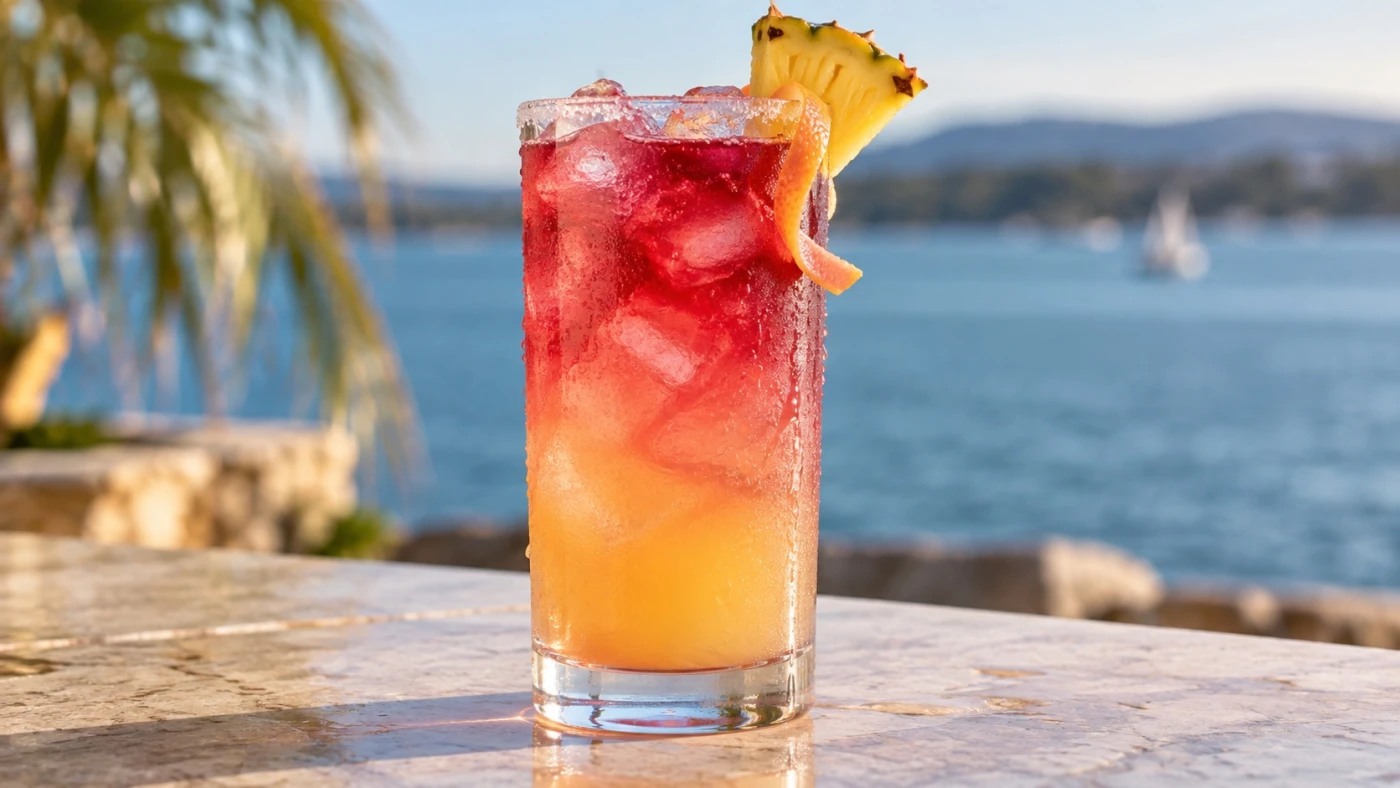

Bay Breeze Cocktail Explained: Balance, Ratios and Vodka Choice
What makes a Bay Breeze taste balanced rather than like vodka poured into mixed fruit juice? The answer lies in understanding the separate jobs performed…
- After reading this guide, you will be able to explain the drink's structure and make at least one informed decision about its vodka, juice products or proportions.
- A Bay Breeze is a vodka highball made with cranberry juice and pineapple juice, normally served over ice.
- Its identity comes from that three-part combination: vodka provides alcoholic structure, cranberry supplies tart red-fruit character, and pineapple brings tropical aroma, sweetness and body.
- The word breeze is useful because the drink belongs to a loose family of simple vodka-and-fruit highballs.
- A Bay Breeze contains pineapple, while the closely related Sea Breeze is associated with grapefruit.
What makes a Bay Breeze taste balanced rather than like vodka poured into mixed fruit juice? The answer lies in understanding the separate jobs performed by vodka, cranberry juice, pineapple juice and melting ice. After reading this guide, you will be able to explain the drink's structure and make at least one informed decision about its vodka, juice products or proportions.
What defines a Bay Breeze cocktail?
A Bay Breeze is a vodka highball made with cranberry juice and pineapple juice, normally served over ice. Its identity comes from that three-part combination: vodka provides alcoholic structure, cranberry supplies tart red-fruit character, and pineapple brings tropical aroma, sweetness and body.
The word breeze is useful because the drink belongs to a loose family of simple vodka-and-fruit highballs. The modifiers matter. A Bay Breeze contains pineapple, while the closely related Sea Breeze is associated with grapefruit. Substituting grapefruit therefore changes more than a minor flavor detail; it points to a different drink.
There is no single legally controlled Bay Breeze formula. Published and household proportions vary, so it is more useful to understand the drink's structure than to treat one ratio as the only authentic version.
The balance is a three-way interaction
Vodka may be relatively neutral, but it is not functionless. Alcohol carries aroma, adds warmth and changes the way sweetness and acidity are perceived. A larger vodka measure makes the drink drier and more spirit-forward even when the juice quantities remain unchanged.
Cranberry juice provides the counterweight. Its acidity and astringency can keep pineapple from becoming heavy, but the label matters: unsweetened cranberry juice is intensely tart, while cranberry juice cocktails and cranberry blends may contain added sugar or other juices. They are not interchangeable at the same volume without a change in balance.
Pineapple juice contributes more than sweetness. Its strong aroma gives the Bay Breeze its tropical direction, while suspended fruit solids can create a fuller texture. Some pineapple products separate in storage, so gently redistributing the contents before measuring can give more consistent results.
Ice supplies the fourth influence: water. Chilling softens alcohol heat, and gradual dilution opens the drink while reducing its apparent sweetness and intensity. Too little ice can melt rapidly and leave the drink warm and watery; a well-filled glass generally stays colder while the drink is consumed.
A practical reference build
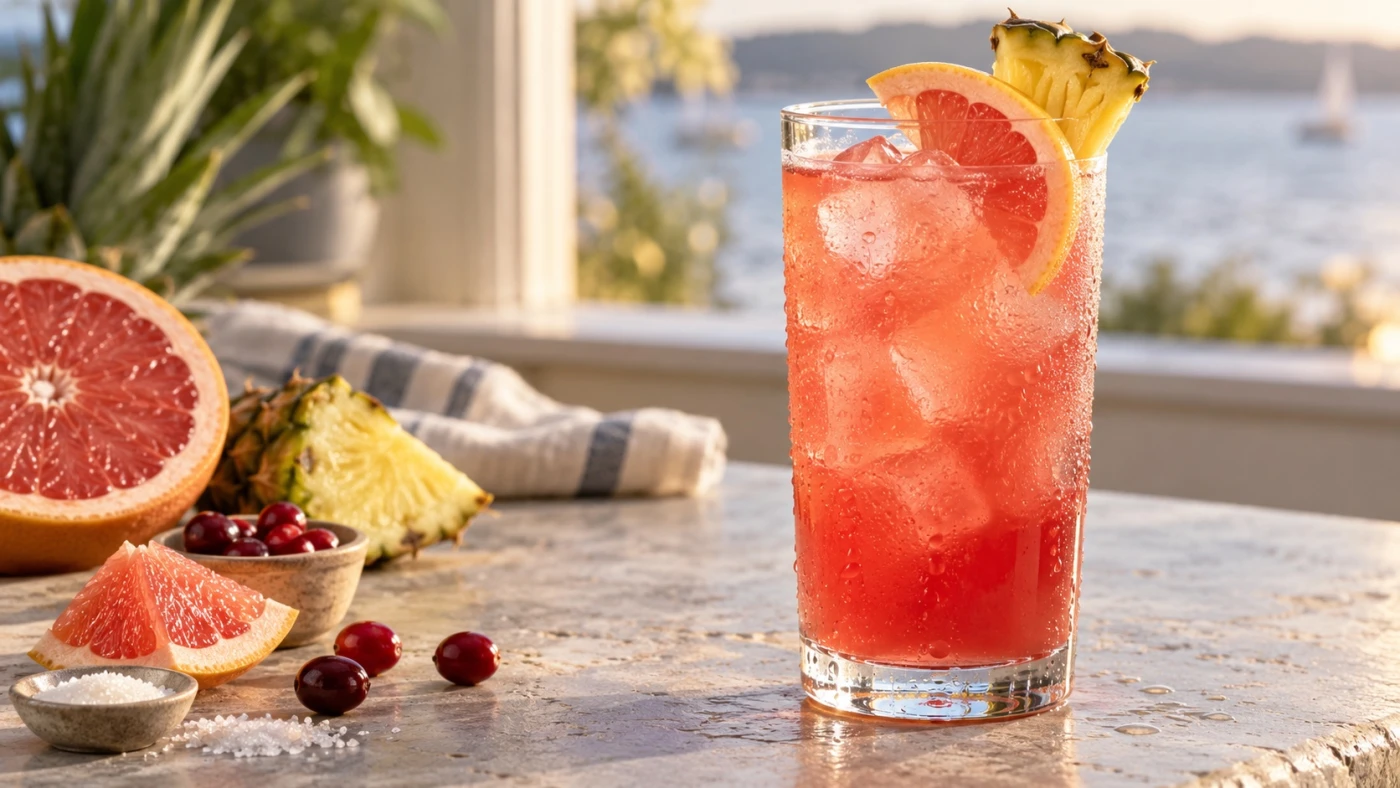
For one drink, a useful reference point is 1.5 US fl oz (45 ml) vodka, 2 US fl oz (60 ml) cranberry juice and 2 US fl oz (60 ml) pineapple juice. The liquid total is 5.5 US fl oz (165 ml) before ice dilution.
Add the three liquids to an ice-filled highball glass and stir until evenly combined and cold. This direct build avoids unnecessary aeration and lets dilution develop gradually in the serving glass. If the pineapple juice has separated, mix it in its container before measuring rather than trying to correct an uneven drink afterward.
This is an editorial starting point, not a claim of one mandatory formula. Taste the juice products before adjusting the build. If the result is too sweet, reducing the pineapple slightly will preserve more cranberry character; using a tarter cranberry product is another option. If it is too sharp, a modest increase in pineapple is more controlled than adding a separate sweetener.
How to choose the vodka and juices
For vodka, prioritize cleanliness over elaborate flavor claims. A strongly peppery or grain-forward bottling can remain noticeable, but much of a vodka's subtle character will sit behind the two assertive juices. This means that changing the cranberry or pineapple product may transform the finished drink more than moving between similarly clean vodkas.
Check the vodka's alcohol by volume rather than assuming every bottle has the same strength. Using the reference build with vodka at 40% ABV, the mixture contains 0.6 US fl oz of pure alcohol within 5.5 US fl oz of liquid. That gives a calculated strength of about 10.9% ABV before dilution. The equivalent metric calculation is 18 ml of pure alcohol in 165 ml. Melting ice lowers the concentration, but the exact finished strength depends on the amount of dilution and cannot be stated precisely without measuring it.
When buying cranberry juice, decide whether you want convenience or control. A sweetened cranberry drink usually produces the familiar easy-drinking style. Unsweetened cranberry juice offers more control over sweetness but can make the same proportions aggressively tart. For pineapple, choose a product whose aroma you enjoy on its own; the fruit is prominent enough that stale or muted juice will remain evident in the cocktail.
Use one-variable adjustments
The most reliable way to improve a Bay Breeze is to change one variable at a time. Begin with the reference proportions, then identify the actual problem:
- Too sweet or heavy: decrease pineapple slightly or use a less-sweet cranberry product.
- Too tart: increase pineapple modestly, especially when using unsweetened cranberry juice.
- Vodka disappears: increase it in a small increment rather than cutting both juices at once.
- Alcohol feels harsh: confirm that the drink is thoroughly chilled before changing the formula.
- Flavor becomes watery quickly: start with a cold, well-filled glass of sound ice and serve immediately.
This approach preserves cause and effect. If the vodka, both juices and ice are all changed together, it becomes difficult to know which decision improved—or damaged—the drink.
Common misconceptions
“Any red cranberry drink behaves the same.” Cranberry products vary in sweetness, acidity and juice composition. The front label and ingredient list provide useful context, but tasting the product is the quickest guide to how it will affect the cocktail.
“More pineapple makes a better Bay Breeze.” Pineapple is essential, but increasing it without restraint can bury both the cranberry's tartness and the vodka's structure. The goal is recognition of both fruits, not maximum tropical sweetness.
“Neutral vodka has no effect.” Even a clean vodka contributes alcohol, texture and dilution requirements. Its proof and serving temperature influence the finished drink whether or not it supplies an obvious flavor.
“Fruit juice makes the drink weak.” Juice can conceal alcohol warmth without removing alcohol. At the reference proportions, a 40% ABV vodka produces a pre-dilution mixture near 10.9% ABV. The drink may taste gentle, but that should not be confused with being alcohol-free or negligible in strength.
The decision that matters most
If you make only one deliberate decision, choose the cranberry product according to the sweetness you want. That choice establishes how much pineapple the drink can support before becoming cloying. Once the juices are balanced, select a clean vodka at a known strength, build the drink over ample ice and adjust only one component at a time.
The Bay Breeze is simple, but it is not random: vodka supplies structure, cranberry supplies tension, pineapple supplies sweetness and aroma, and ice makes the combination drinkable. Understanding those roles is more useful than memorizing a supposedly universal ratio.
Evidence and uncertainty notes
The reference proportions and adjustment guidance above are editorial recommendations rather than regulated standards. Historical origin stories and claims of a single inventor are omitted because no verified primary evidence was supplied for them. Alcohol-strength calculations use the labeled vodka strength and the measured pre-dilution liquid volume; actual strength in the glass changes as ice melts. US readers can consult the Alcohol and Tobacco Tax and Trade Bureau for federal information about distilled-spirit labeling and standards.
Ask AI about this article
Pick a prompt, copy it, or open ChatGPT with this article preloaded.
Frequently Asked Questions
Why does my Bay Breeze taste too sweet?
The likely cause is the juice combination rather than the vodka. Pineapple juice is naturally sweet, while cranberry juice products vary considerably in added sugar and tartness. Use a tarter cranberry product, reduce the pineapple portion slightly or choose unsweetened cranberry juice and adjust cautiously.
Does premium vodka make a major difference in a Bay Breeze?
It can improve texture or reduce a harsh alcoholic edge, but the juices dominate much of the aroma and flavor. A clean, properly stored vodka is generally more important than prestige pricing for this drink.
Comments 0
Login to Post comments