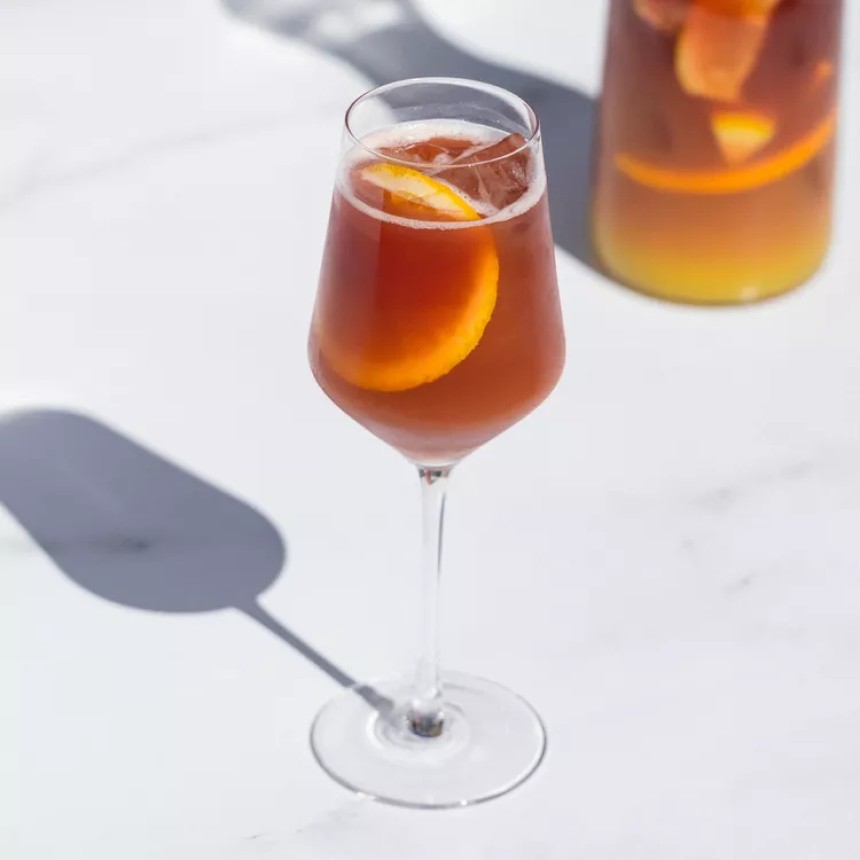

Classic Sangria
Sangria is the wine industry's great democratizer. This fruit-based punch has always been a drink where anything goes, despite the wine industry's long-standing reputation for bein.
Classic Sangria Recipe
Sangria, a delightful blend of wine, fruit, and other flavors, has been enjoyed since the Middle Ages, likely originating in Spain and Portugal. While traditionally made with red wine, you can also find refreshing variations using white or rosé. The beauty of Sangria lies in its versatility, allowing you to create a delicious drink tailored to your tastes.
Choosing the Right Wine
When making Sangria, the wine you choose is crucial. Here are some tips for selecting the perfect red wine:
- Dry Wine: A dry wine provides a balanced base, especially since Sangria includes added sugar and fruit, which naturally contains sugars.
- High-Acid Wine: Wines with higher acidity offer a tart, refreshing profile that helps balance the sweetness of the drink. This is essential for a well-rounded cocktail.
- Low-Tannin Wine: Tannins can create bitterness when mixed with other ingredients, so opt for red wines that have seen minimal oak aging.
- Bright Red Fruit Flavors: For a lighter, crowd-pleasing Sangria, choose wines that showcase fresh fruit notes like cherries, strawberries, and cranberries.
Recommended Red Wines
Here are some great options for your Sangria, ranging from lighter to more full-bodied:
- Gamay/Beaujolais: Tart, acidic, and fruit-forward.
- Pinot Noir: Light-bodied and easy to find at a good price.
- Zweigelt: Tart and fruity, often with cherry or cassis notes.
- Grenache/Garnacha: Medium-bodied with rounded fruit flavors; a classic choice for Spanish-style Sangria.
- Barbera: High acidity and lighter tannins, with strawberry and sour cherry notes.
- Tempranillo: A full-bodied Spanish grape with darker fruit and spice notes.
Classic Sangria Ingredients
- 2 tablespoons sugar
- 1 orange, cut into wedges
- 1 apple, cored and diced
- 1 lemon, cut into wedges
- ½ cup brandy
- ½ cup orange juice
- 1 bottle dry red wine
- Garnish: Orange wheel
Steps
- In a large pitcher, combine the sugar, orange wedges, apple, and lemon. Muddle gently for about 30 seconds to release the fruit's juices.
- Add the brandy and orange juice, and muddle again for another 30 seconds.
- Pour in the red wine and stir well to combine.
- Allow the Sangria to rest for at least two hours in the fridge. This resting period lets the flavors meld together beautifully.
- Serve in red wine glasses over ice garnished with an orange wheel.
Enjoy your refreshing Sangria, perfect for gatherings or warm summer days! Feel free to get creative with additional fruits or flavors as you please. Cheers!
What Classic Sangria actually teaches you
A useful guide turns confusion into a repeatable process. Classic Sangria should leave you with measurements, shopping rules, and a short practice plan — not vague inspiration.
Core concepts to lock in
- Balance: spirit, sugar, acid, dilution.
- Temperature: cold glassware and solid ice.
- Freshness: citrus, herbs, and vermouth age in real time.
- Seasoning: salt, bitters, and peels change aroma dramatically.
Practice plan for the next seven days
- Day 1–2: master one base recipe for Classic Sangria.
- Day 3–4: change only one variable at a time.
- Day 5: batch a small pitcher for guests.
- Day 6–7: write your house ratio on a card and stick it inside the bar cabinet.
Gear that matters (and gear that does not)
You need a jigger, shaker or mixing glass, strainer, and peeler. You do not need twelve obscure tinctures on day one. Spend on ice trays and fresh produce before collectible glassware.
Troubleshooting Classic Sangria
Too hot? Dilute longer or lower the proof. Too flat? Add citrus oils or a pinch of salt. Too sweet? Cut syrup and extend stir time. These micro-fixes keep Classic Sangria consistent across nights.
Keep learning with AtoZ Vodka
Revisit this guide after a dozen serves. Your palate will change, and so will your preferred ratio. That loop — taste, note, adjust — is the real skill behind every confident pour.
Shopping list for Classic Sangria
- Primary bottle for Classic Sangria
- Fresh citrus
- Simple syrup or quality liqueur
- Solid ice
- One reliable garnish
What makes Classic Sangria worth ordering
Exact ratios and measurements (US & UK)
Ingredient quality checklist
Step-by-step serve method
Common mistakes and easy fixes
When to serve it and what to pair
Ask AI about this article
Pick a prompt, copy it, or open ChatGPT with this article preloaded.
Frequently Asked Questions
What is the best way to make Classic Sangria at home?
Chill your glass, measure each component for Classic Sangria, use fresh modifiers, and taste before serving. Small half-barspoon adjustments beat rebuilding the drink.
Which ingredients matter most in Classic Sangria?
A clean base spirit, fresh citrus or quality vermouth/liqueur, solid ice, and an aromatic garnish. Weak ice and stale modifiers cause most failures.
What measurements should US and UK readers use?
Use a jigger marked in ounces and millilitres. A typical starting point is 60 ml (2 oz) base spirit with 30 ml (1 oz) modifier, then tune to taste.
How do I store bottles used for Classic Sangria?
Keep spirits upright and away from heat or sunlight. Refrigerate vermouth and other low-ABV modifiers after opening and finish them within a few weeks for best flavour.
Comments 0
Login to Post comments