
How to Choose Glassware for Vodka Cocktails
How do you choose a glass that actually suits a vodka cocktail rather than simply matching a photograph? The useful answer comes from the drink's…
- Glassware does not alter the ingredients, but its shape influences how the drink is held, how much surface is exposed and how quickly it is consumed.
- A cocktail glass has several practical jobs: contain the full serving, accommodate ice or garnish, make the drink comfortable to hold, and support its intended temperature and aroma.
- Appearance matters too, but it should follow those functional requirements.
- Is it served without ice after stirring or shaking?
- Is it poured over one large piece of ice?
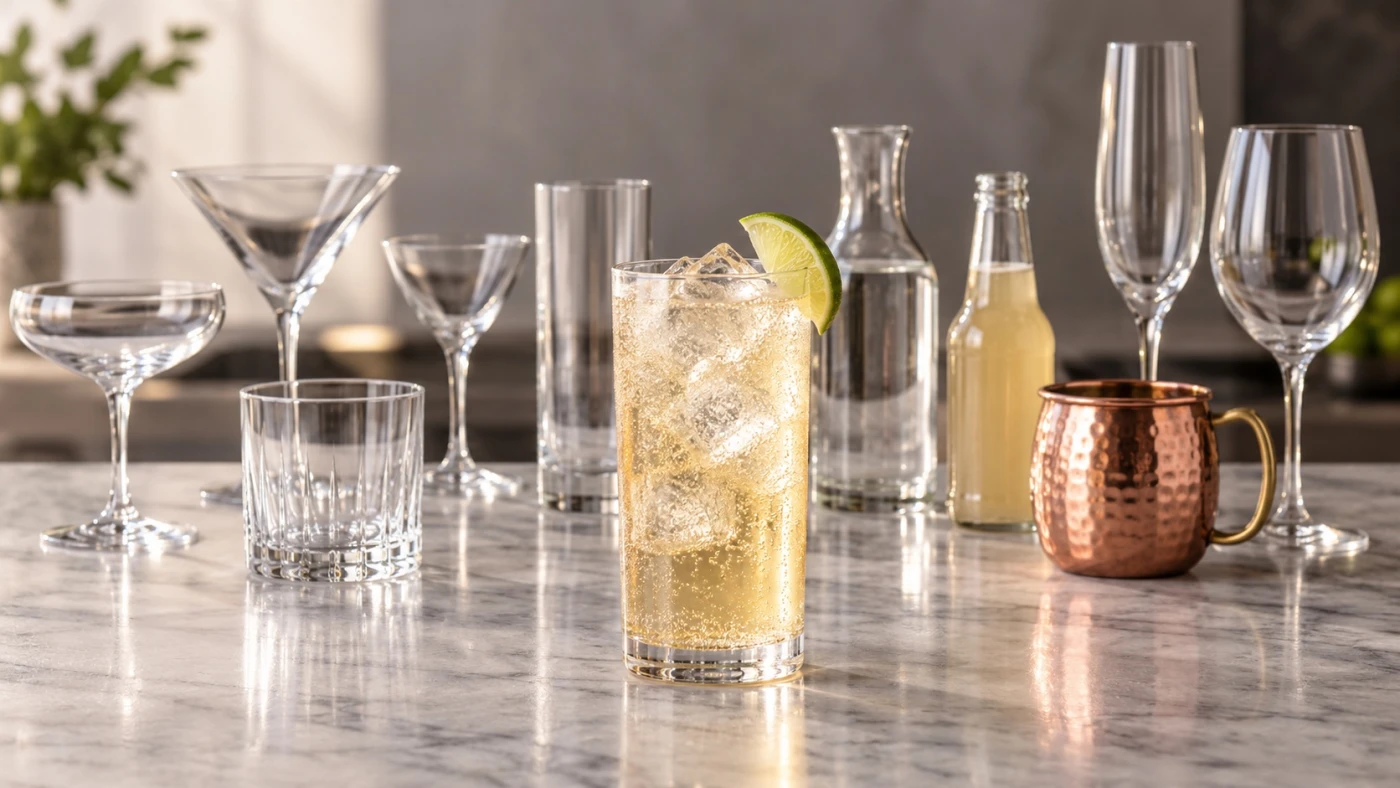
How do you choose a glass that actually suits a vodka cocktail rather than simply matching a photograph? The useful answer comes from the drink's temperature, carbonation, aroma, ice and finished volume. Once you understand those variables, you can select a glass for a Vodka Martini, Moscow Mule or tall vodka soda without memorising a separate rule for every recipe.
Glassware does not alter the ingredients, but its shape influences how the drink is held, how much surface is exposed and how quickly it is consumed. Those effects matter particularly with vodka cocktails, which range from very cold, concentrated drinks served without ice to fizzy, heavily iced highballs.
What glassware is supposed to do
A cocktail glass has several practical jobs: contain the full serving, accommodate ice or garnish, make the drink comfortable to hold, and support its intended temperature and aroma. Appearance matters too, but it should follow those functional requirements.
Start by classifying the drink rather than naming a glass. Is it served without ice after stirring or shaking? Is it poured over one large piece of ice? Is it lengthened with soda, tonic or ginger beer? Does its appeal depend on expressive citrus, herbs or vermouth? Those questions reveal more than whether tradition assigns the cocktail a particular vessel.
The five factors that determine the choice
1. Ice and serving format
A drink served up has been chilled and diluted during mixing, then strained into a glass without ice. A stemmed coupe, Nick and Nora or V-shaped cocktail glass lets the drinker hold the stem rather than wrap a warm hand around the bowl. This makes one of these shapes a logical choice for a Vodka Martini or Cosmopolitan.
A drink served on the rocks needs a tumbler with room for both liquid and ice. A rocks or Old Fashioned glass suits a short vodka drink poured over a large cube, while a highball or Collins glass is better for a longer drink with several pieces of ice and a carbonated mixer.
2. Finished volume
Published glass capacities describe how much a vessel can hold near the rim, not necessarily how much it can hold comfortably in use. A full-to-the-brim glass is difficult to carry, and nominal capacity does not account for ice.
For a drink served up, compare the glass with the cocktail's volume after dilution, not merely the ingredients before mixing. For an iced drink, place the intended ice in the glass and add a measured amount of water equal to the finished drink. This simple check reveals whether the vessel has adequate working space before you serve anything.
3. Carbonation
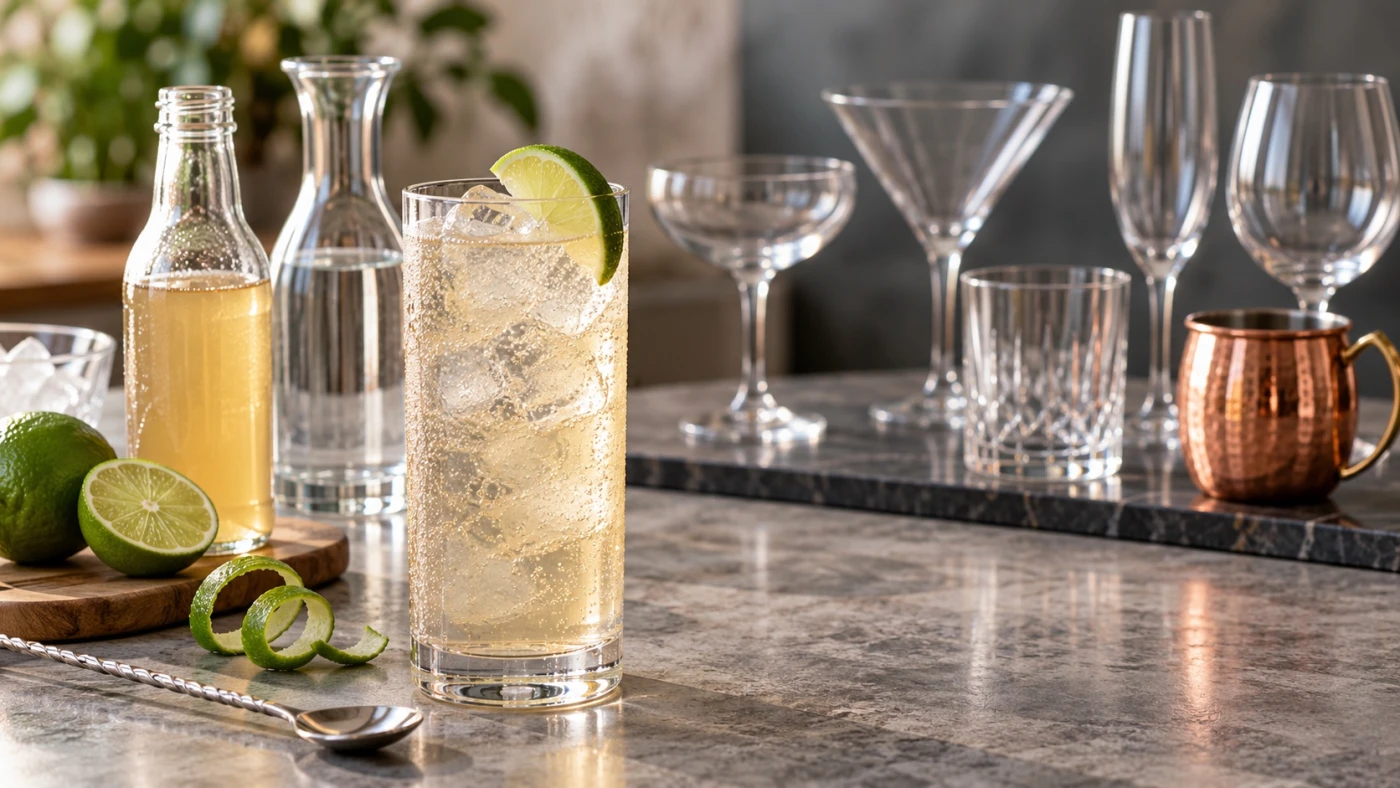
Carbon dioxide escapes from a drink after pouring. Temperature, agitation and exposed surface all play a role, so glass shape is only one part of preserving fizz. A relatively narrow highball, Collins glass or flute presents less open surface than a broad coupe of similar capacity and is therefore a sensible choice for sparkling vodka cocktails.
For a vodka soda, Vodka Collins or another fizzy long drink, use a tall glass, begin with cold ingredients and avoid unnecessary stirring after adding the carbonated mixer. A wide glass is not automatically wrong, but it prioritises aroma and presentation over prolonged effervescence.
4. Aroma and rim shape
The opening determines how close the nose comes to the drink and how freely volatile aromas disperse. A broad coupe can make citrus oils, vermouth and other aromatic ingredients readily noticeable. A narrower Nick and Nora concentrates the drinking area and offers a smaller opening, which many people find easier to manage.
These are tendencies, not guarantees of better flavour. Recipe composition, serving temperature and the drinker's own sensory perception can outweigh subtle differences between two suitable glasses.
5. Handling and drinking pace
A glass should work in the setting where it will be used. The dramatic rim of a V-shaped Martini glass exposes the drink and can spill easily when carried. A coupe or smaller Nick and Nora may be more practical for a crowded table. Tall, narrow glasses can become unstable if overloaded with heavy garnish, while a tumbler offers a broad base and easy access to ice.
Rim thickness also affects comfort. A relatively fine, smooth rim often feels more precise, but very delicate glassware may be a poor choice for casual gatherings or frequent dishwasher use. Durability is a functional feature, not a lesser substitute for elegance.
Apply the framework to common vodka cocktails
| Drink style | Useful glass | Reason |
|---|---|---|
| Vodka Martini or Vesper-style drink | Nick and Nora, coupe or cocktail glass | Stemmed service suits a cold drink strained without ice. |
| Cosmopolitan or Lemon Drop | Coupe or cocktail glass | The bowl presents colour and citrus aroma while the stem limits direct hand contact. |
| Vodka soda or Vodka Collins | Highball or Collins glass | The tall form accommodates ice and mixer while providing a relatively narrow opening. |
| White Russian | Rocks glass | The broad tumbler has room for a short drink and ice and is easy to stir gently. |
| Moscow Mule | Food-safe lined mug or highball | Both can accommodate the long, iced drink; the mug supplies traditional presentation rather than necessity. |
| Vodka with sparkling wine | Flute, tulip or narrow wine glass | A narrower opening is a practical match for a carbonated serve. |
A practical buying decision
For a small home collection, buy by function rather than by cocktail name. A set of coupes or Nick and Nora glasses covers most chilled vodka drinks served without ice. Rocks glasses handle short drinks over ice, and highballs handle vodka soda, tonic, ginger beer and other long mixers. Those three categories are enough for most menus.
Before buying, check stated capacity, base stability, rim comfort, storage height and cleaning requirements. Also measure the shelves and dishwasher space available. Oversized coupes and unusually tall Collins glasses may look impressive but can be inconvenient if they do not fit where they must be stored or cleaned.
If you make one signature drink frequently, optimise for it. Someone who mainly drinks vodka soda will gain more from durable, comfortable highballs than from a complete set of specialised stemware.
Common misconceptions
- Every cocktail has one correct glass. Tradition supplies useful conventions, but several vessels may satisfy the same functional needs. A coupe and Nick and Nora can both serve a strained vodka cocktail well.
- A chilled glass keeps a drink cold indefinitely. Pre-chilling can reduce the initial warming caused by room-temperature glass, but the drink will still warm over time. Proper mixing and prompt service matter more.
- A copper mug is required for a Moscow Mule. It is part of the drink's familiar presentation, not a requirement for combining vodka, lime and ginger beer. If using copper, choose a product explicitly made and lined for beverage service.
- Bigger is more generous. Excess capacity can make a standard serving appear lost and encourage overpouring. Match the glass to the finished drink instead.
- The glass can rescue weak technique. No shape restores carbonation to flat soda or corrects an under-chilled, poorly diluted cocktail.
Where precision ends and preference begins
Glass shape has plausible physical and sensory consequences, but claims that one design universally improves flavour should be treated cautiously. Differences in recipe, temperature, ice, environment and individual perception make sweeping rankings unreliable.
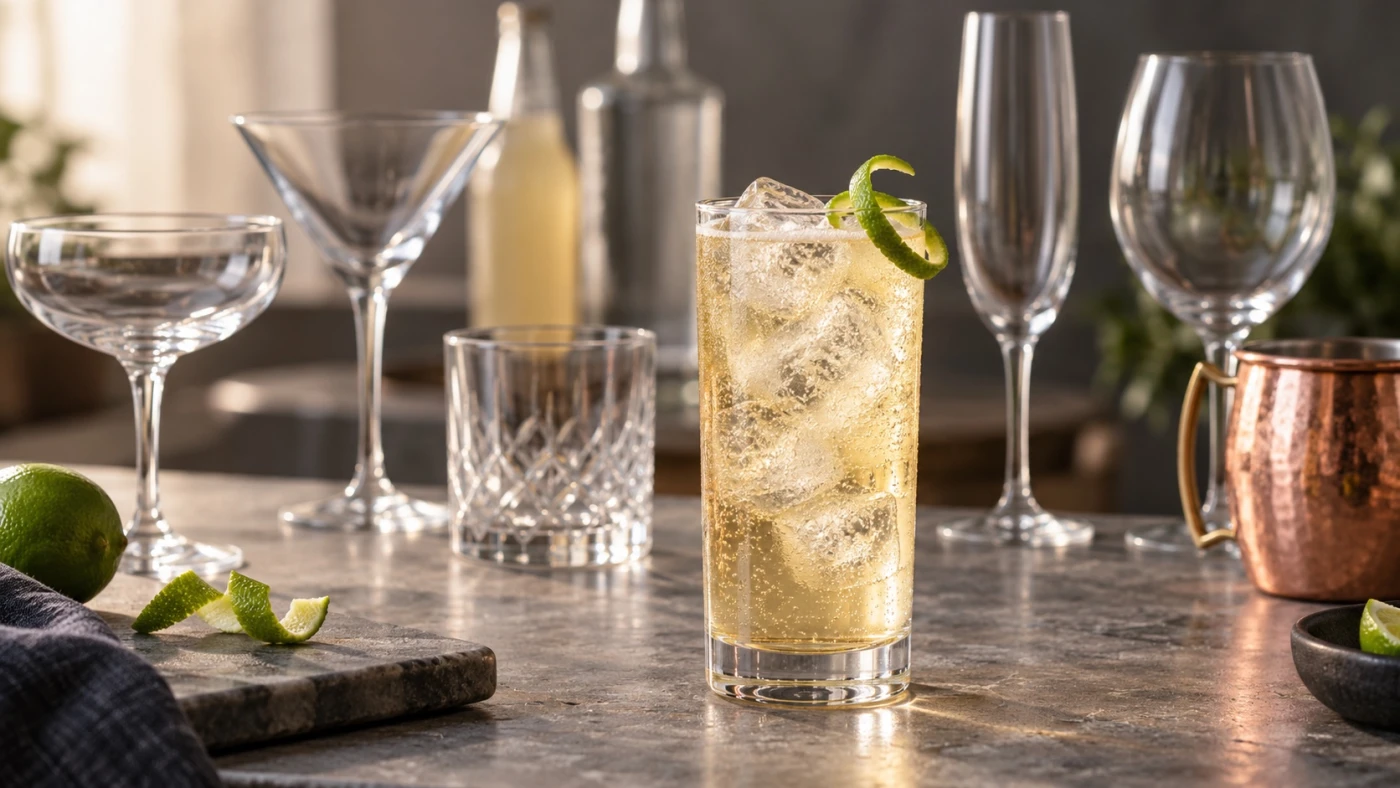
The defensible decision is therefore practical: choose a glass that fits the finished volume, supports the drink's temperature and carbonation, presents its aroma appropriately, and feels comfortable to use. Once those needs are met, aesthetics and personal preference are valid deciding factors.
Frequently asked questions
Can a Martini be served in a coupe instead of a Martini glass?
Yes. Both are stemmed glasses designed for cold cocktails served without ice. A coupe's rounded bowl can be easier to carry because its rim is less exposed, although capacity matters more than the silhouette.
Should a Moscow Mule always be served in a copper mug?
No. The mug is traditional and visually distinctive, but a highball or Collins glass can hold the same combination of drink and ice. Use a lined, food-safe mug if you choose copper.
How much larger should a glass be than the liquid poured into it?
There is no single allowance because ice shapes and serving formats differ. Check the finished liquid volume, add the actual ice you intend to use, and leave enough space at the rim to move and drink comfortably.
Do expensive crystal glasses improve vodka?
Price alone does not improve the spirit. Rim thickness, shape, balance and clarity can affect comfort and perception, but a clean, appropriately sized ordinary glass can serve the cocktail very well.
Ask AI about this article
Pick a prompt, copy it, or open ChatGPT with this article preloaded.
Frequently Asked Questions
Should a Moscow Mule always be served in a copper mug?
No. The mug is traditional and visually distinctive, but a highball or Collins glass can hold the same combination of drink and ice. Use a lined, food-safe mug if you choose copper.
How much larger should a glass be than the liquid poured into it?
There is no single allowance because ice shapes and serving formats differ. Check the finished liquid volume, add the actual ice you intend to use, and leave enough space at the rim to move and drink comfortably.
Do expensive crystal glasses improve vodka?
Price alone does not improve the spirit. Rim thickness, shape, balance and clarity can affect comfort and perception, but a clean, appropriately sized ordinary glass can serve the cocktail very well.
Comments 0
Login to Post comments