French 75: The Bubbly Classic Done Right
Learn how to make a bright, balanced French 75 with gin, fresh lemon and sparkling wine, plus expert tips, variations and precise US/UK measures. The French 75 is what happens when.
The French 75 is what happens when a sharp gin sour dresses for a celebration. Fresh lemon brings the snap, chilled sparkling wine supplies the lift, and a measured touch of sugar keeps everything poised rather than puckering.
It looks effortless. It is—but only after you understand where most versions go wrong. Warm wine, bottled lemon juice or an enthusiastic pour of syrup can turn this elegant classic flat, sour or sticky in seconds.
Below, you will find exact US and UK measurements, a reliable shaking method, sensible bottle recommendations and several tested variations. If you are building your repertoire, the drink also deserves a place beside these classic cocktails every home bartender should know. Chill your glass first. This one moves quickly.
What Is a French 75? History Behind the Cocktail
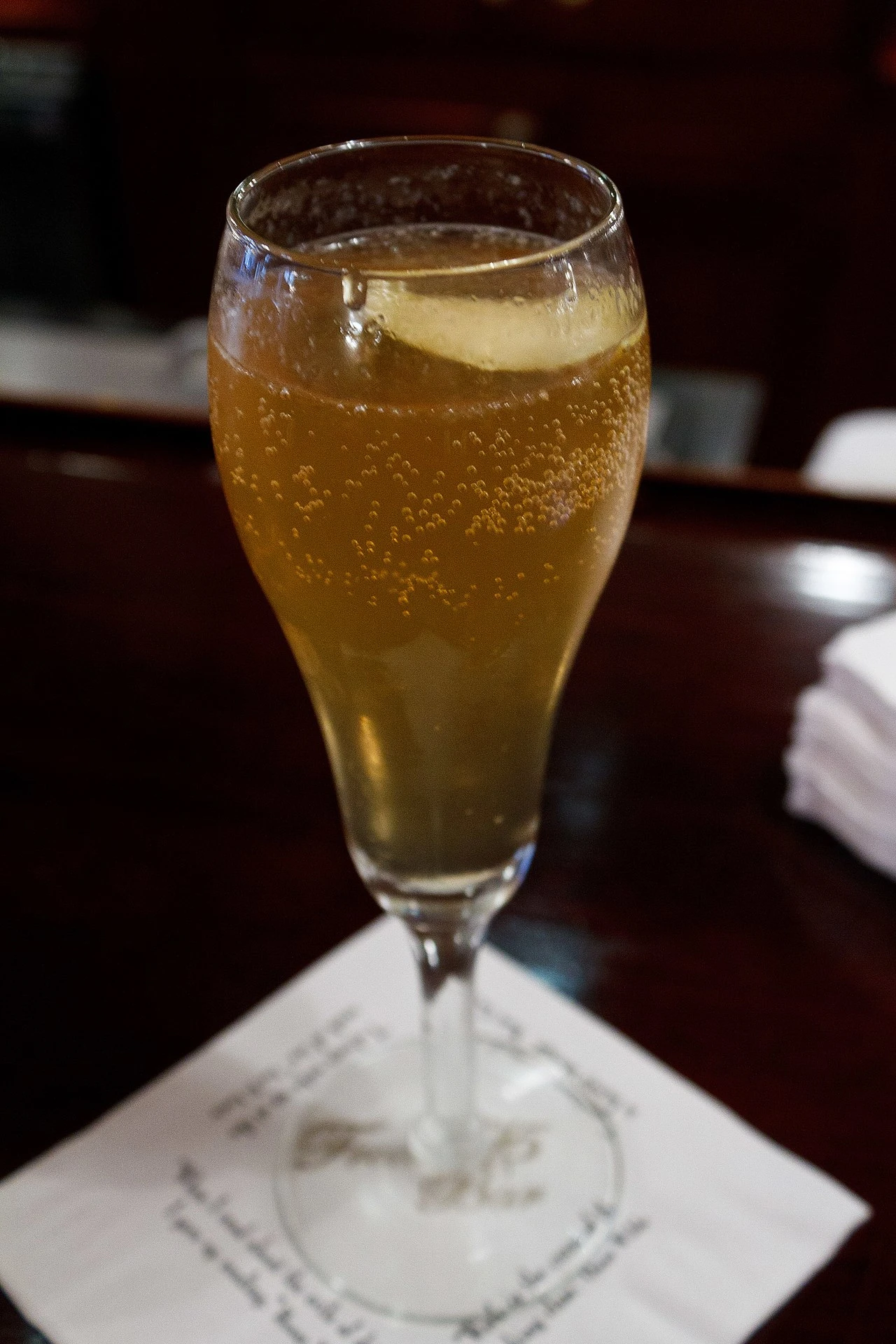
A French 75 is essentially a gin sour lengthened with dry sparkling wine. The standard modern build contains gin, lemon juice, simple syrup and Champagne, served cold with a lemon twist. Expect brisk citrus, juniper and fine bubbles, with just enough sweetness to connect them.
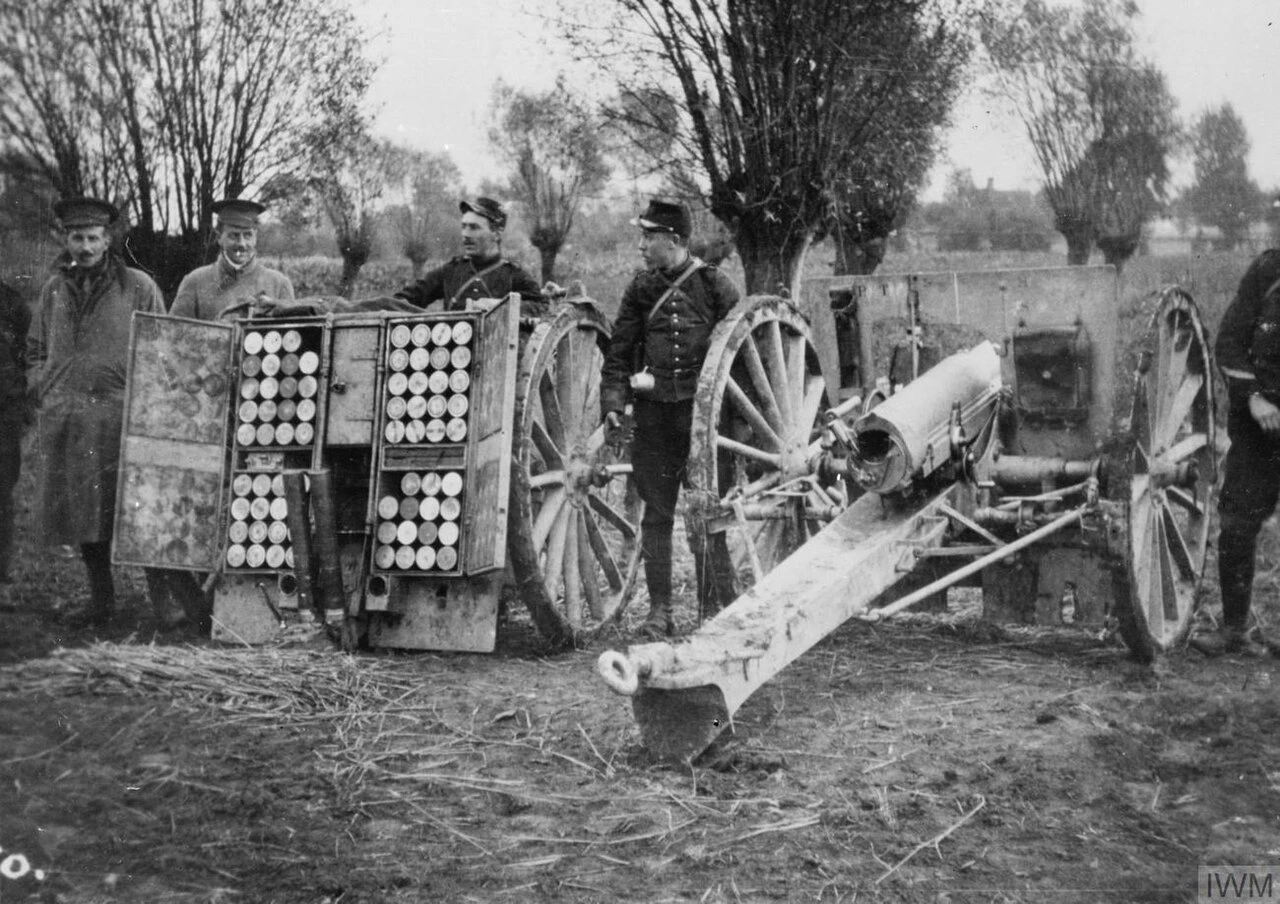
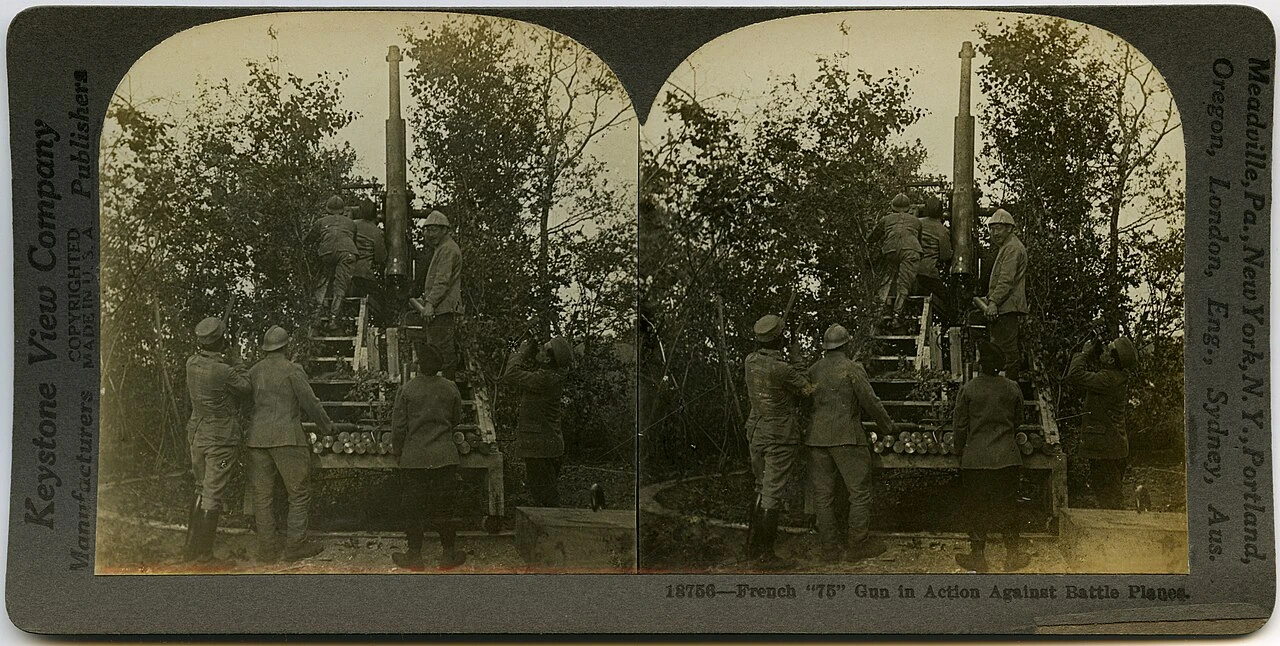
The name is widely associated with France's quick-firing 75 mm field gun, an influential artillery piece used during the First World War. Drink histories often say the cocktail delivered a similarly forceful kick. That explanation is plausible and frequently repeated, but the drink's precise inventor is not securely documented.
Early twentieth-century recipes using spirits, citrus, sugar and Champagne appeared in several forms. Published versions also differed on the base spirit. By the interwar period, influential cocktail books helped establish the gin formula recognisable today. Cognac nevertheless remains a historically sympathetic substitute, especially if you prefer richer grape and oak flavours.
Here's the thing: the military origin story can distract from what makes the drink endure. It is structurally clever. Lemon and sugar shape the gin like a short sour, while sparkling wine adds acidity, aroma and dilution without making the result feel heavy.
A typical serve lands around 14–16% ABV after shaking dilution, depending on the gin, wine and ice. That is closer to fortified wine strength than an ordinary glass of fizz. For broader historical context, compare it with other essential classic cocktails, many of which survive for the same reason: a simple formula leaves little room for weak ingredients.
French 75 Ingredients You Actually Need

You need four liquid ingredients and one garnish. That short list makes quality obvious, but it does not demand luxury. A dependable London dry gin and a lively non-vintage sparkling wine beat fashionable bottles that are too floral, sweet or expensive to mix.
- 1 oz (30 ml) London dry gin: Beefeater, Tanqueray or Ford's, ideally 40–47% ABV (80–94 proof).
- 1/2 oz (15 ml) fresh lemon juice: strain out seeds and coarse pulp.
- 1/2 oz (15 ml) 1:1 simple syrup: equal parts white sugar and water by volume.
- 3 oz (90 ml) chilled Brut Champagne or dry sparkling wine: approximately 11.5–12.5% ABV.
- One lemon twist: cut roughly 3 inches (7.5 cm) long and avoid excessive white pith.
What is the best French sparkling wine for a French 75? Non-vintage Brut Champagne is the classic answer, but Crémant de Loire, Crémant de Bourgogne and Crémant d'Alsace offer excellent value. In the UK, useful supermarket bottles often sit around £10–£18; in the US, competent Crémant commonly starts near $15–$25. Champagne generally costs more. Prices vary by retailer, vintage and tax, so treat those figures as shopping ranges rather than guarantees.
In my experience, Beefeater's firm juniper stands up particularly well to lemon and bubbles. I'd skip ultra-delicate gin unless you reduce the lemon slightly. Prosecco works, but its fruitier profile often tastes best with only 1/4 oz (7.5 ml) syrup.
Keep everything at 38–43°F (3–6°C). For more fast, unfussy ideas using the same bottle, browse these quick vodka cocktails; the efficient measuring and chilling habits transfer directly.
How to Make a French 75 Step by Step
The goal is a cold, integrated sour underneath lively carbonation. Shake only the still ingredients. Sparkling wine never belongs in the shaker; pressure, foam and lost bubbles are the predictable result.
- Chill the glass. Put a 5–6 oz (150–180 ml) flute or small tulip glass in the freezer for 10 minutes, or fill it with ice and water while you mix.
- Measure the base. Add 1 oz (30 ml) gin, 1/2 oz (15 ml) fresh lemon juice and 1/2 oz (15 ml) simple syrup to a cocktail shaker.
- Add ice. Use firm, fresh cubes and fill the shaker about two-thirds full. Soft, wet ice dilutes too rapidly.
- Shake hard. Seal the shaker and shake for 10–12 seconds. The tin should become thoroughly frosted and uncomfortable to hold.
- Strain. Empty the chilling ice, if used, then fine-strain the mixture into the cold glass. Fine-straining removes lemon pulp and small ice shards.
- Add the sparkle. Tilt the glass slightly and pour in 3 oz (90 ml) chilled Brut sparkling wine. Give it one gentle lift with a bar spoon only if visible layers remain.
- Garnish and serve. Express a lemon twist over the surface, rub it lightly around the rim and place it neatly in the glass.
After testing short and long shakes, I find 10 seconds sufficient with standard freezer ice. Smaller cubes may need less time. Taste your lemon before mixing, too: very sharp winter fruit can require another barspoon—about 1/8 oz (4 ml)—of syrup.
Serve immediately at about 40°F (4°C). This is easily one of the best celebratory cocktails you can make in under three minutes, and the workflow is no harder than the drinks in our beginner whiskey cocktail guide.
Pro Tips for a Better French 75
Start colder than you think. Carbon dioxide escapes faster as wine warms, so refrigerate the bottle for at least three hours. A freezer shortcut is risky: forgotten sparkling wine can freeze, expand and damage the bottle. Use an ice-water bath for 20–30 minutes instead.
In my experience, a small tulip glass beats a broad coupe. The narrowed rim concentrates lemon and juniper aromas, while the bowl gives the bubbles room to rise. A flute is still perfectly good—and visually unbeatable for weddings, New Year's Eve and brunch.
Open the bottle quietly. Hold the cork, twist the bottle and aim for a soft sigh, not a flying projectile. Pour the wine down the inside wall of the tilted glass. Once the foam settles, finish the measure without stirring aggressively.
After testing several sweetness levels, I prefer 3/8 oz (11 ml) syrup when using a fruit-forward gin, but the conventional 1/2 oz (15 ml) is more forgiving. Taste and adjust before adding wine. The still mixture should seem slightly more tart and concentrated than you want; the bubbles will stretch it.
Choose sparkling wine for freshness, not prestige. Piper-Heidsieck Brut is a sturdy splurge, while dry Crémant or Cava often gives more mixing value. I'd skip an $80 or £60 vintage bottle because lemon and gin obscure the details you paid to taste.
Finally, cut the twist over the finished drink so its oils land on the surface. Do not drop in a thick wedge; extra juice changes the balance. If you enjoy lighter aperitif-style serves, these low-alcohol cocktail recipes offer useful alternatives when a full-strength French 75 is not the right fit.
French 75 Variations Worth Making
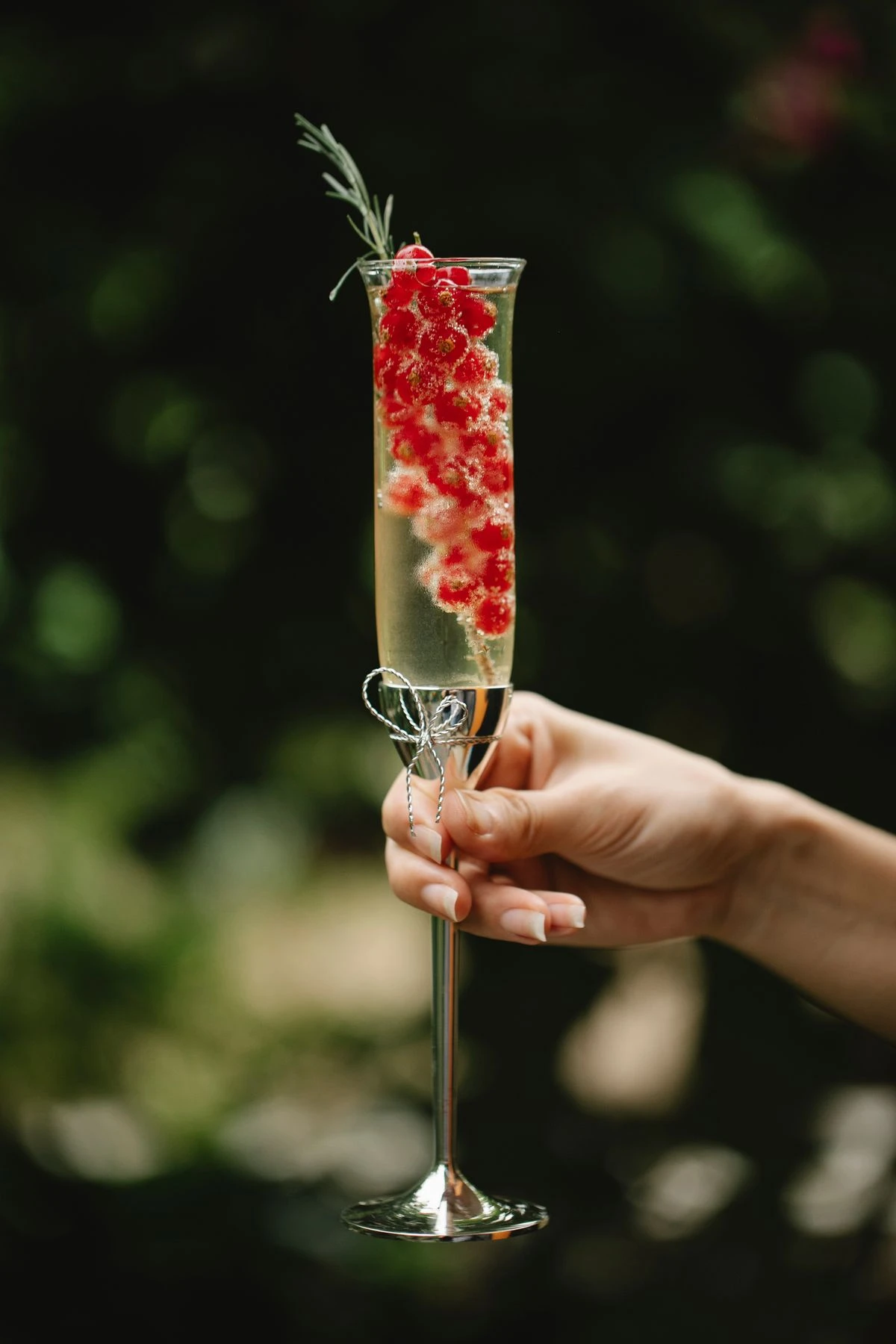
The original structure is flexible: spirit, citrus, sweetener and bubbles. Change one element at a time, then keep the total volume near 5 oz (150 ml) so the glass does not overflow. These four versions each make one drink.
Cognac 75
- 1 oz (30 ml) VS cognac
- 1/2 oz (15 ml) fresh lemon juice
- 1/2 oz (15 ml) simple syrup
- 3 oz (90 ml) Brut sparkling wine
Cognac creates warmer notes of grape, vanilla and spice. Courvoisier VS or Hennessy VS usually works well at 40% ABV (80 proof). This is my pick for autumn dinners.
Elderflower 75
- 1 oz (30 ml) London dry gin
- 1/2 oz (15 ml) fresh lemon juice
- 1/4 oz (7.5 ml) elderflower liqueur
- 1/4 oz (7.5 ml) simple syrup
- 3 oz (90 ml) Brut sparkling wine
St-Germain adds floral sweetness, so halving the syrup keeps the cocktail in balance. Garnish with lemon rather than more flowers.
Rosé 75
- 1 oz (30 ml) gin
- 1/2 oz (15 ml) lemon juice
- 1/2 oz (15 ml) simple syrup
- 3 oz (90 ml) Brut rosé sparkling wine
This pink, berry-edged variation suits Valentine's Day, garden parties and summer weddings without needing artificial colour.
Vodka 75
- 1 oz (30 ml) 40% ABV vodka
- 1/2 oz (15 ml) lemon juice
- 1/2 oz (15 ml) simple syrup
- 3 oz (90 ml) dry sparkling wine
Vodka produces a cleaner, lemon-led profile. Tito's, Absolut or Ketel One will all do the job. For more cranberry-friendly vodka inspiration, see the Madras cocktail recipe.
Common French 75 Mistakes and Easy Fixes
Using warm sparkling wine is the most common failure. The drink arrives limp, warms quickly and loses its fine mousse. Chill both the bottle and glass to 38–43°F (3–6°C); shaking cannot compensate for room-temperature wine.
Shaking the sparkling ingredient is worse. Carbonation creates pressure inside a sealed shaker and then disappears as foam. Shake gin, lemon and syrup with ice, strain, and add wine directly to the glass.
Free-pouring the syrup often creates a sweet, lemonade-like drink. Measure 1/2 oz (15 ml), then adjust according to the wine. If your Prosecco contains noticeable residual sweetness, begin with 1/4 oz (7.5 ml). You can add sweetness, but you cannot remove it.
Using tired lemon juice produces a dull, slightly bitter finish. Squeeze it shortly before service and refrigerate it if necessary. Juice held overnight is usable, but it will not have the same bright aroma as a lemon cut five minutes ago.
Buying the wrong wine also matters. Look for Brut on the label, not demi-sec. The US Alcohol and Tobacco Tax and Trade Bureau is a useful authority for American alcohol labeling and standards, though individual sweetness cues can still vary among producers.
Finally, overfilling the glass leaves no space for foam or aroma. Use a 5–6 oz (150–180 ml) vessel and pour slowly. For picnics, pre-batch only the still mixture and transport the sparkling wine unopened; our portable picnic drinks guide has more practical make-ahead ideas.
Food Pairings, Seasons and Serving Occasions
The French 75 excels before a meal because lemon, juniper and brisk carbonation wake up the palate. It is especially good with salty, creamy or fried foods. Think oysters, smoked salmon blinis, goat's cheese crostini, tempura prawns, fish and chips or thin, hot chips with aioli.
At brunch, serve it with eggs Benedict, a smoked salmon bagel or a not-too-sweet lemon tart. The bubbles cut through hollandaise and cream cheese, while the citrus connects naturally with seafood. Very spicy dishes are less predictable; alcohol and carbonation can amplify chilli heat.
Spring and early summer feel made for this cocktail. It suits Easter lunch, Mother's Day, the Kentucky Derby, wedding toasts and British garden parties. The cognac variation moves comfortably into Thanksgiving, Christmas and cold-weather dinners. Want something more nostalgic for a themed gathering? Explore these popular drinks from the 1990s for a playful contrast.
For parties, prepare the still base no more than four hours ahead. For eight guests, refrigerate 8 oz (240 ml) gin, 4 oz (120 ml) lemon juice and 4 oz (120 ml) syrup. Shake 2 oz (60 ml) per order with ice, strain, then top each glass with 3 oz (90 ml) sparkling wine. Do not batch the wine into the mixture.
One standard recipe contains roughly 1.3 US standard drinks or 2.3 UK units, although bottle strength and your pour affect the calculation. Serve it responsibly, offer food and water, and never treat its airy texture as evidence that it is weak. Evidence-based alcohol information is available from the US National Institute on Alcohol Abuse and Alcoholism and Drinkaware in the UK.
Responsible Drinking and Safer Party Service
Responsible drinking matters particularly with a French 75 because its refreshing acidity, cold temperature and lively bubbles can disguise how much alcohol it contains. A measured serving made with 1 oz (30 ml) of 40% ABV gin and 3 oz (90 ml) of 12% ABV sparkling wine delivers about 0.8 oz (23 ml) of pure alcohol before dilution. That is approximately 1.3 US standard drinks or 2.3 UK units, not simply one ordinary glass of sparkling wine.
Use a jigger for both the gin and wine instead of free-pouring. Oversized flutes and generous top-ups can quietly turn one cocktail into a much stronger serving. If you host a party, prepare each drink to order, keep track of the measures and let guests decide whether they want another. Avoid circulating automatic refills, and place cold water somewhere conspicuous so it is as easy to choose as another cocktail.
Food does not remove alcohol from the body, but serving substantial snacks or a meal encourages a slower, more deliberate occasion. Salty canapés may make guests thirsty, so offer water alongside them rather than relying on the cocktail for refreshment. A useful hosting rhythm is to serve one measured French 75 for a toast, follow it with food and water, and make alcohol-free choices available throughout the event.
You can also build a convincing no-alcohol alternative. Shake 1 oz (30 ml) alcohol-free botanical spirit with 1/2 oz (15 ml) fresh lemon juice and 1/2 oz (15 ml) simple syrup, strain, then add 3 oz (90 ml) chilled alcohol-free sparkling wine. Check individual labels because products described as alcohol-free or non-alcoholic may contain small amounts of alcohol under local rules.
Never drink and drive, and arrange a designated driver, taxi or public transport before service begins. Alcohol should not be served to anyone below the legal drinking age. People who are pregnant, trying to become pregnant, taking medication that interacts with alcohol or managing a condition affected by alcohol should seek appropriate medical guidance and may need to avoid it entirely. Coffee, a cold shower and fresh air do not accelerate sobriety; only time reduces the alcohol in the body.
Individual limits vary with body size, health, medication, drinking speed and local public-health guidance. If someone becomes difficult to wake, vomits repeatedly, breathes slowly or irregularly, appears confused, has a seizure or develops pale or bluish skin, treat it as a medical emergency. Contact local emergency services, stay with the person and place them on their side if they are unconscious but breathing. Do not assume they can simply sleep it off.
French 75 Quick Reference Cheat Sheet
Need the recipe without the backstory? Keep this table beside your shaker. It uses the balanced house formula described above and scales cleanly from one drink to eight. For a large round, measure accurately and keep the wine sealed until guests are ready.
| Component | One drink — US | One drink — UK/metric | Eight drinks — batch |
|---|---|---|---|
| London dry gin | 1 oz | 30 ml | 8 oz / 240 ml |
| Fresh lemon juice | 1/2 oz | 15 ml | 4 oz / 120 ml |
| 1:1 simple syrup | 1/2 oz | 15 ml | 4 oz / 120 ml |
| Brut sparkling wine | 3 oz | 90 ml | 24 oz / 720 ml |
| Shake time | 10–12 seconds | 10–12 seconds | Shake each serving |
| Serving temperature | 38–43°F | 3–6°C | Keep refrigerated |
| Glass | 5–6 fl oz | 150–180 ml | Eight chilled glasses |
Fast method: shake the gin, lemon and syrup with ice, fine-strain into a chilled flute, add the sparkling wine and express a lemon twist. Never shake the bubbles. If the finished French 75 tastes too tart, add one barspoon of syrup next time; if it tastes sticky, reduce syrup or choose a drier wine.
A bottle containing 750 ml of sparkling wine theoretically supplies eight 90 ml pours with 30 ml remaining, although foam, spillage and generous measuring reduce that margin. For a gathering, one bottle per seven drinks is the safer planning figure.
The French 75 rewards precision, cold ingredients and restraint. Once you have a jigger, shaker, strainer and citrus peeler, it becomes a dependable three-minute celebration drink. To finish setting up your mixing space, download the free home bar starter checklist.
Ask AI about this article
Pick a prompt, copy it, or open ChatGPT with this article preloaded.
Frequently Asked Questions
What is a French 75?
A French 75 is a sparkling cocktail made with gin, fresh lemon juice, sugar syrup and Champagne or another dry sparkling wine. It tastes citrusy, crisp and lightly botanical rather than overtly sweet. Although it arrives looking as elegant as a glass of fizz, the gin gives it considerably more strength and aromatic com.
How do you make a French 75?
Shake 1 oz (30 ml) gin, 1/2 oz (15 ml) fresh lemon juice and 1/2 oz (15 ml) simple syrup with ice for about 10 seconds. Strain into a chilled flute or small wine glass, then gently top with 3 oz (90 ml) dry sparkling wine. Garnish with a narrow lemon twist.
What is the best Champagne for a French 75?
A non-vintage Brut Champagne is the most dependable choice because its dryness and acidity balance the syrup. Nicolas Feuillatte, Piper-Heidsieck and Charles de Cazanove are practical examples, though local prices vary. You do not need prestige cuvée: save expensive vintage Champagne for drinking unmasked, and use a fr.
How strong is a French 75?
Using 1 oz (30 ml) of 40% ABV gin and 3 oz (90 ml) of 12% ABV sparkling wine produces approximately 1.3 US standard drinks or 2.3 UK units. Depending on dilution and the wine used, the cocktail may finish near 14–16% ABV. Its light texture can make that strength surprisingly easy to underestimate.
What glass should you use for a French 75?
A chilled 5–6 oz (150–180 ml) flute gives the drink its familiar celebratory appearance and preserves a narrow stream of bubbles. A small tulip-shaped wine glass is arguably better for aroma and easier sipping. A coupe looks glamorous but exposes more surface area, so the cocktail warms and loses carbonation more quick.
How can I serve French 75 cocktails responsibly?
Measure every pour, tell guests that one recipe contains approximately 1.3 US standard drinks or 2.3 UK units, and provide water, food and appealing alcohol-free choices. Avoid automatically refilling glasses, never serve alcohol to minors, and do not drink before driving. Anyone who is pregnant, taking interacting med.
Comments 0
Login to Post comments