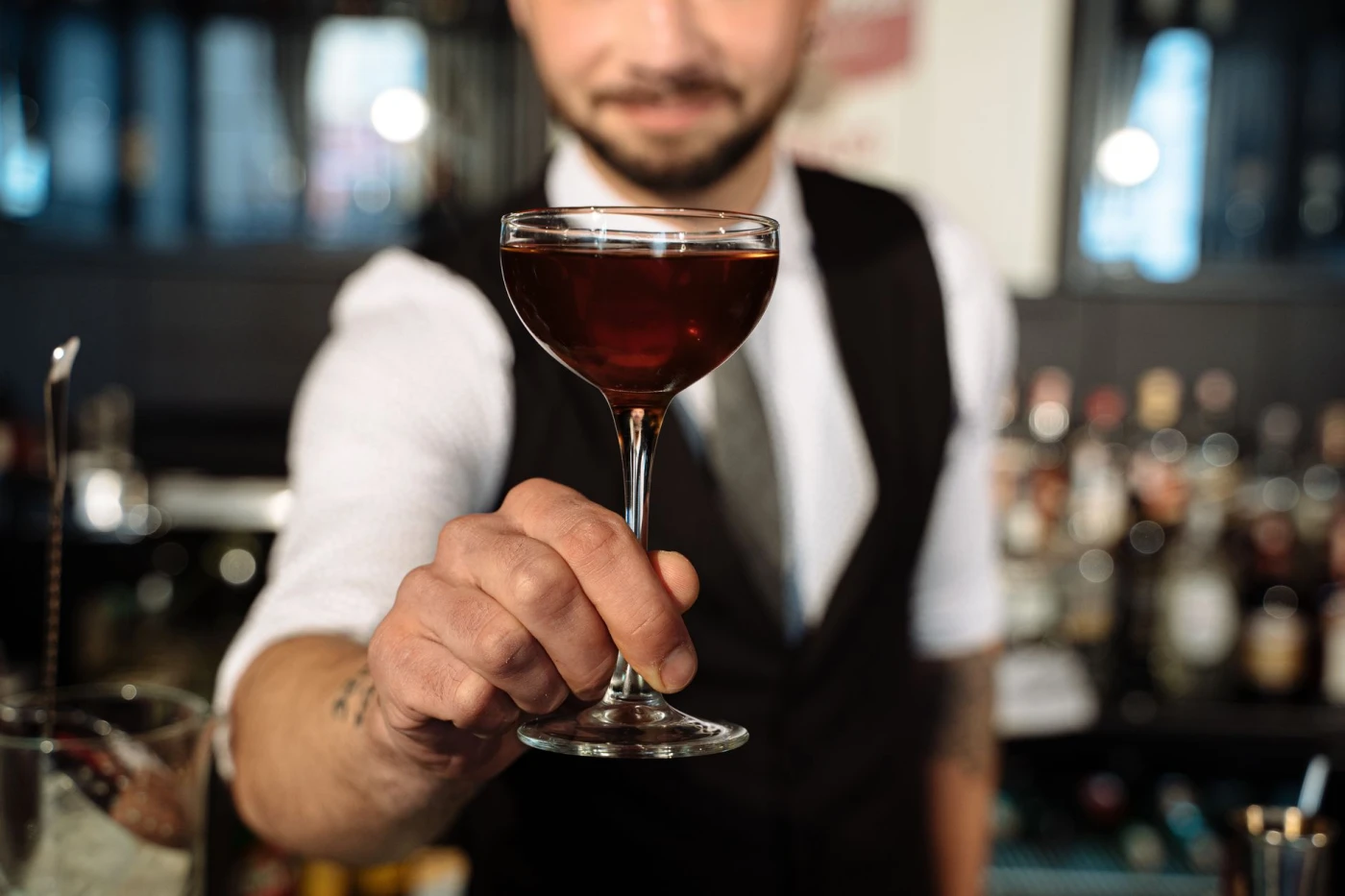

The Varnish’s Tuxedo No. 2: Worth the Stir?
A precise home-bar guide to The Varnish’s Tuxedo No. 2, an aromatic gin-and-vermouth cocktail sharpened with maraschino, absinthe and orange bitters. The Varnish’s Tuxedo No.
The Varnish’s Tuxedo No. 2 takes the clean framework of a Martini and gives it a darker, more intriguing edge. Gin and dry vermouth form the backbone; maraschino, absinthe and orange bitters appear in tiny quantities but change everything.
It is elegant. Also unforgiving. A heavy pour of cherry liqueur can make it sticky, while too much absinthe turns every sip into anise.
This guide gives you a balanced home interpretation in both US ounces and UK millilitres, along with bottle choices, dilution targets and practical variations. If this is your first serious stirred drink, browse our guide to classic cocktails every home bartender should know before you begin. Then chill a glass and take your time.
What Is The Varnish’s Tuxedo No. 2?
This Tuxedo No. 2 interpretation belongs to the Martini family, but calling it “just a Martini variation” misses its personality. Equal parts gin and dry vermouth create a lighter, more wine-led foundation than the modern extra-dry Martini. Maraschino contributes an earthy cherry-stone note, absinthe supplies anise and herbs, and orange bitters join the aromas together.
The historical trail is not perfectly tidy. Recipes called Tuxedo appeared in several early bartending books, sometimes with different ratios or ingredients. The version most drinkers now recognise as Tuxedo No. 2 was recorded in Harry Craddock’s 1930 The Savoy Cocktail Book: equal parts dry gin and French vermouth with small measures of maraschino, absinthe and orange bitters, finished with lemon peel and a cherry.
The name is generally associated with Tuxedo Park in New York, although surviving recipes do not establish one undisputed inventor. That distinction matters. It is safer to describe Craddock as an influential recorder of the formula, not automatically its creator.
The Varnish, known for meticulous classic-cocktail technique in Los Angeles, provides the modern speakeasy context suggested by this version’s name. “Varnish” is not an ingredient. If you encounter the odd search for the “best Varnish” to use, here’s the thing: you need good gin, not wood finish.
Expect the finished cocktail to taste dry, cool and botanical. It opens with lemon oil, moves through juniper and vermouth herbs, then finishes with faint cherry and anise. This is easily one of the best classic templates for learning how a few drops can reshape an entire drink.
Ingredients for the Tuxedo No. 2
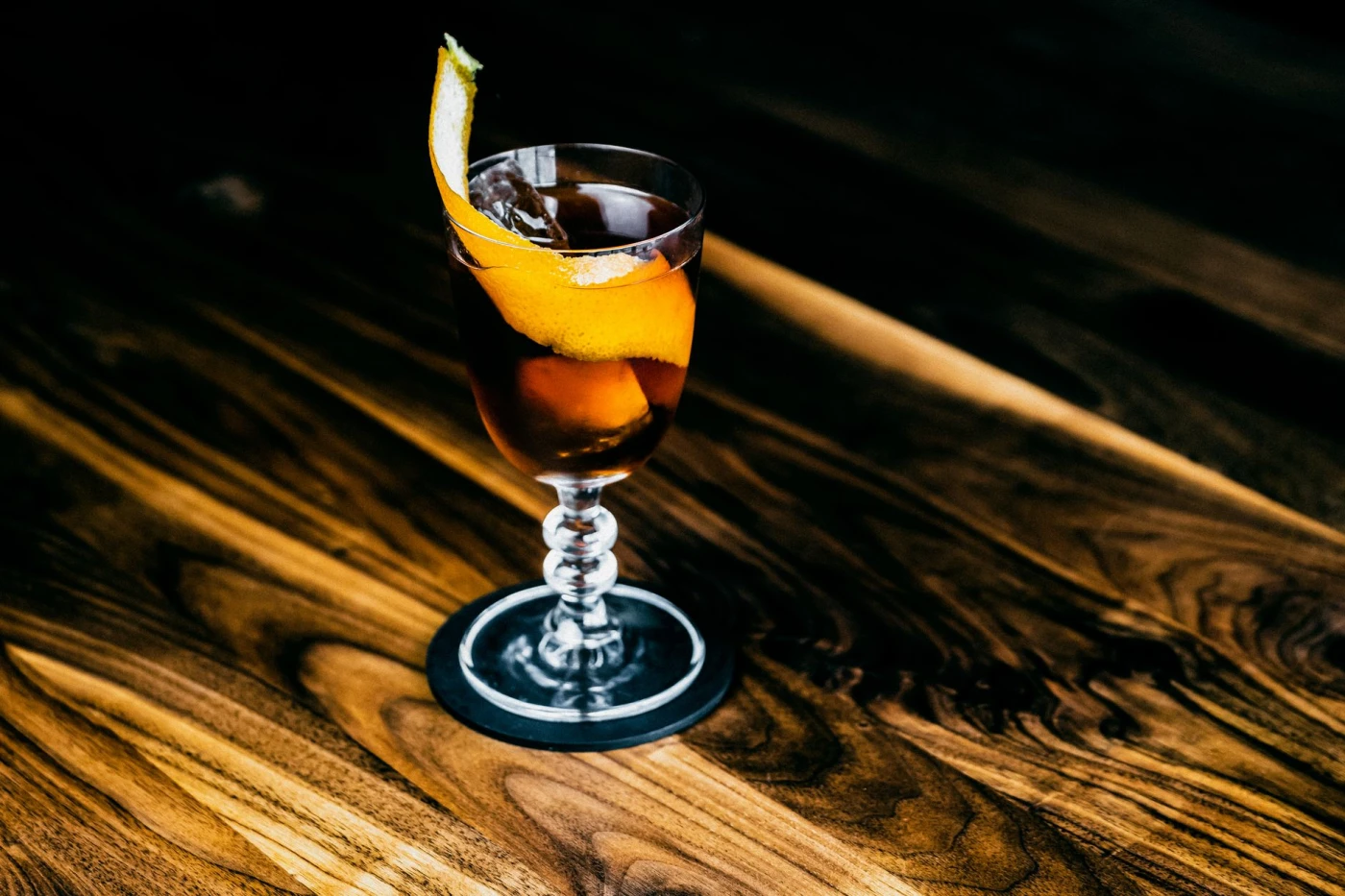
This recipe makes one generous cocktail. Start with bottles you would happily taste alone; there is nowhere for stale vermouth or harsh gin to hide.
- 1.5 oz (45 ml) dry gin: Plymouth Gin, 41.2% ABV, makes a rounded drink. Tanqueray is more juniper-forward, while Beefeater offers good value at roughly $22–$30 or £18–£25 per 750 ml/70 cl bottle.
- 1.5 oz (45 ml) dry vermouth: Dolin Dry, 17.5% ABV, is light and alpine. Noilly Prat Original Dry is fuller and more oxidative. Expect roughly $15–$22 or £14–£20.
- 1 teaspoon/0.17 oz (5 ml) maraschino liqueur: Luxardo Maraschino, 32% ABV, is the benchmark choice. Maraska is slightly softer and also works.
- 1 small dash, about 0.03 oz (1 ml), absinthe: Pernod Absinthe at 68% ABV is assertive; an atomiser spray or glass rinse gives finer control.
- 2 dashes, about 0.06 oz (2 ml), orange bitters: Regans’ No. 6 brings spice, while Angostura Orange is brighter and widely available.
- 1 lemon twist: Cut a broad strip with minimal white pith.
- 1 cocktail cherry: Optional; use Luxardo or another firm, dark cherry rather than a neon-red sundae cherry.
Vermouth is wine. Refrigerate it after opening, write the date on the bottle and aim to use it within four to six weeks for peak freshness. Smaller 375 ml bottles are sensible if you mix infrequently.
Can’t justify another gin bottle? The options in our beginner whiskey cocktail guide show how the same measuring tools can serve a broader home bar. For this drink, though, I’d skip vodka: juniper is essential to the intended structure.
How to Make The Varnish’s Tuxedo No. 2
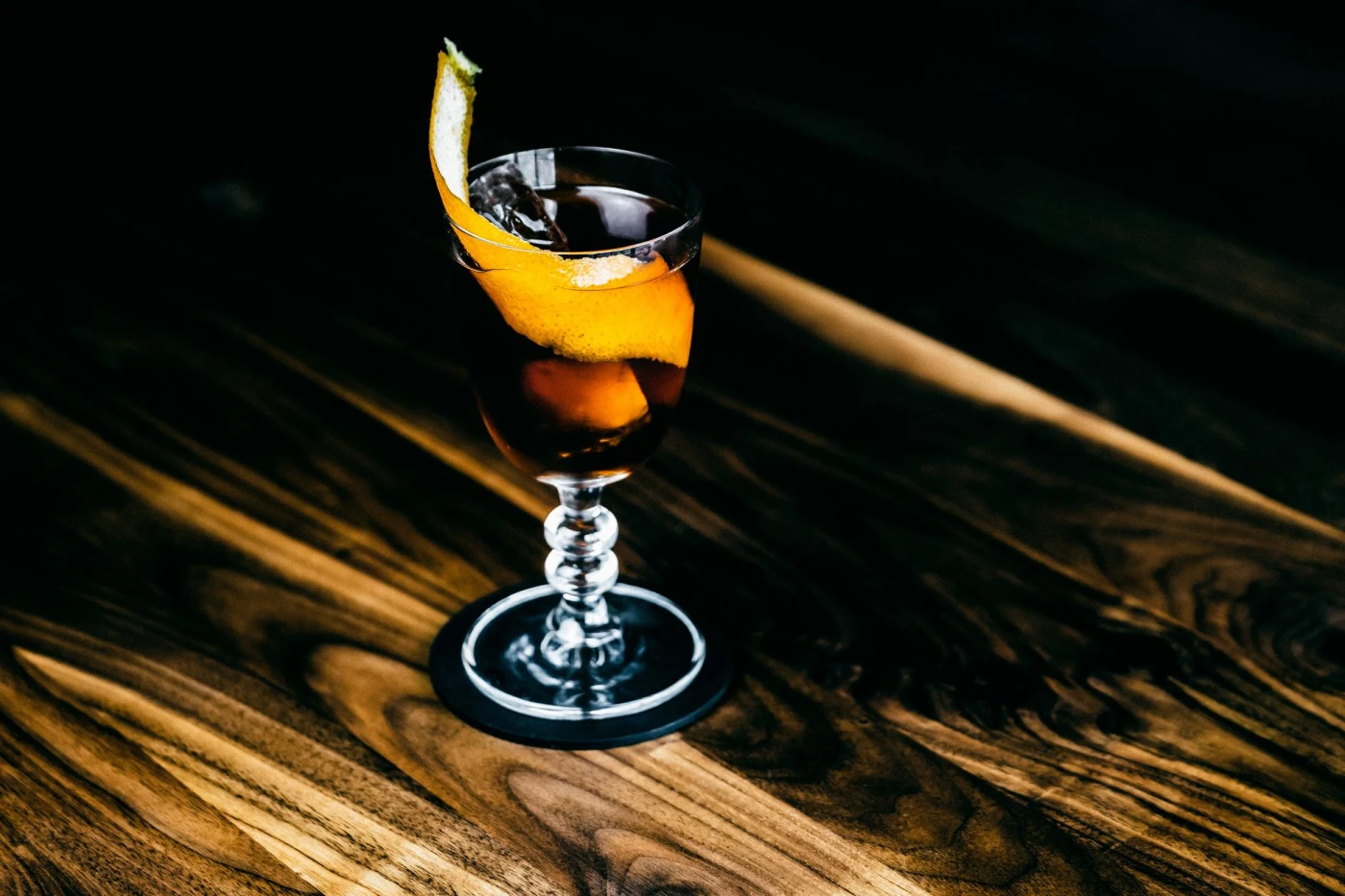
Set aside five minutes. The technique is simple, yet temperature and dilution decide whether the cocktail tastes integrated or merely alcoholic.
- Chill the glass. Put a 5–6 oz (150–180 ml) Nick & Nora or small coupe in the freezer for at least 10 minutes. Alternatively, fill it with ice and water while you mix.
- Measure the accents first. Add 1 teaspoon (5 ml) maraschino, one small dash of absinthe and two dashes of orange bitters to a mixing glass. Starting small makes an accidental overpour easier to correct.
- Add the base. Pour in 1.5 oz (45 ml) dry gin and 1.5 oz (45 ml) refrigerated dry vermouth.
- Fill with ice. Use enough hard cubes to bring the ice above the liquid. Small, wet ice dilutes much faster than large, freezer-cold cubes.
- Stir. Rotate a bar spoon smoothly for 25–35 seconds. Aim for a clear, silky drink at approximately 20–24°F (-7 to -4°C) in the mixing glass.
- Strain. Empty the chilling ice if necessary, then strain into the cold glass. Fine-straining is optional because a correctly stirred cocktail should contain few fragments.
- Garnish. Express a lemon twist over the surface, rub it lightly around the rim and drop it in. Add one cocktail cherry only if you enjoy a slightly richer final sip.
After testing short and long stirs, I consistently prefer about 30 seconds with dense one-inch cubes. Your ice may require 20 or 40 seconds, so taste with a clean straw or spoon. Properly diluted, the drink should still be assertive, but it should not burn.
If you need faster options for a busy evening, save our five-minute cocktail ideas for another round.
Pro Tips for a Better Tuxedo No. 2
Treat the vermouth as a main spirit. It supplies almost half the volume, so a tired bottle will flatten this equal-parts cocktail. In my experience, freshly opened Dolin Dry creates a brighter result than a more expensive bottle left warm for two months.
Calibrate your dashes. Dasher tops vary wildly. Dispense ten dashes into a teaspoon and see what your bottle actually delivers. If ten dashes equal 0.25 oz (7.5 ml), each dash is about 0.025 oz (0.75 ml). That small test makes future recipes more repeatable.
Use absinthe as perfume. After testing a full teaspoon against a rinse, I strongly prefer one restrained dash or two atomiser sprays. You should notice anise before the first sip, but it should not erase the vermouth. If absinthe makes you nervous, rinse the chilled glass with 0.08 oz (2.5 ml), rotate it and discard the excess.
Choose the right gin. Plymouth produces softness; Tanqueray adds structure; Sipsmith, commonly 41.6% ABV in the UK, lands between them. I’d skip strongly flavoured pink gin because added fruit can clash with maraschino’s dry, nutty character.
Mind the garnish. Cut the lemon immediately before serving. Hold the coloured side toward the drink, pinch it about two inches above the surface and watch for the fine mist of citrus oil. Do not squeeze lemon juice into the cocktail.
Finally, pre-chill everything. A freezer-cold glass buys you more serving time before the drink warms beyond about 45°F (7°C). That matters during a summer drinks party, especially if guests are talking instead of sipping. Want more technique practice? The simple builds in our Madras cocktail guide offer an easier contrast to this exacting stirred classic.
How Ice and Dilution Shape the Drink
Ice is not merely a way to make a cocktail cold. During stirring, it also contributes the water that opens the gin’s botanicals, softens the alcohol and lets the quieter vermouth notes emerge. A freshly mixed serving contains approximately 3.27 oz (98 ml) of liquid before dilution. Depending on the ice and stirring time, it may gain roughly 0.7–1 oz (20–30 ml) of water before reaching the glass.
Large cubes are useful because they tend to chill predictably, but size alone does not prevent dilution. Temperature and surface moisture matter as well. A large cube sitting in a wet ice bucket can release water faster than several smaller cubes taken directly from a cold freezer. If the ice looks glossy and has already begun melting, shorten the stir and taste early.
Cloudy household ice is perfectly serviceable when it is fresh and free from odours. Clear ice improves presentation, but it will not rescue stale vermouth or an unbalanced pour. Keep ice in a sealed container away from onions, fish and strongly aromatic frozen foods. The cocktail’s delicate lemon and anise notes make freezer contamination surprisingly easy to detect.
For a practical dilution check, note the liquid level in the mixing glass before adding ice. After stirring, strain the drink into a small measuring jug once, purely as an experiment. Comparing the final volume with the starting volume reveals how much water your usual ice contributes. You do not need to repeat this every evening; the exercise simply helps you understand your equipment.
Temperature offers another useful clue. The outside of a glass mixing vessel should become thoroughly cold, often with condensation or light frost, but visual signs are not a perfect substitute for tasting. A properly diluted sample should feel smooth across the tongue. Juniper should remain clear, while maraschino and absinthe should appear as accents rather than separate, aggressive flavours.
If the first sip burns, return the mixture to the glass and stir it briefly with fresh ice. If it tastes thin, there is no clean way to remove water, but a small addition of gin and vermouth in the original equal ratio can restore structure. Record the correction and stir for less time on your next attempt. Learning the behaviour of your freezer and barware is more valuable than obeying one universal second count.
Variations on the Classic Formula
Once you understand the equal-parts framework, small changes become useful rather than random. Keep the total base near 3 oz (90 ml), stir each version and retain the lemon twist unless noted.
Drier, gin-led variation
- 2 oz (60 ml) London dry gin
- 1 oz (30 ml) dry vermouth
- 1 teaspoon (5 ml) maraschino
- 1 dash absinthe and 2 dashes orange bitters
This sharper build suits Martini drinkers. Use a 47.3% ABV US Tanqueray if you want real backbone, but extend the stir to manage the extra alcohol.
Bianco variation
- 1.5 oz (45 ml) gin
- 1.5 oz (45 ml) bianco vermouth
- 0.08 oz (2.5 ml) maraschino
- Absinthe rinse and 2 dashes orange bitters
Bianco vermouth adds vanilla and gentle sweetness, so halve the maraschino. This is friendlier for guests who find the original formula austere.
Coastal variation
- 1.5 oz (45 ml) citrus-forward gin
- 1 oz (30 ml) dry vermouth
- 0.5 oz (15 ml) fino sherry
- 1 teaspoon (5 ml) maraschino, absinthe rinse and orange bitters
Fino adds saline, almond-like complexity. Refrigerate it after opening, just as you would vermouth.
Lower-octane aperitif
- 1 oz (30 ml) gin
- 2 oz (60 ml) dry vermouth
- 0.08 oz (2.5 ml) maraschino
- Absinthe rinse and 2 dashes orange bitters
Here’s the thing: lower alcohol does not require dull flavour. This reverse ratio is excellent before dinner and connects naturally with our collection of lower-alcohol cocktail recipes.
Change one variable at a time and record it. In my experience, that tiny discipline teaches you more than buying another bottle and hoping for magic.
Common Mistakes and Simple Fixes
Pouring maraschino like simple syrup: Luxardo Maraschino is dry, funky and potent at 32% ABV. An unchecked quarter-ounce (7.5 ml) can dominate. Measure one teaspoon (5 ml); reduce it to 0.08 oz (2.5 ml) if your vermouth is naturally soft or sweet.
Using old vermouth: Let’s be honest, that dusty cupboard bottle is probably the biggest threat to a balanced result. Oxidised vermouth can taste flat, bruised-apple-like or sour. Open a fresh bottle, refrigerate it and compare before blaming the recipe.
Overdoing the absinthe: More is not more. Start with a rinse or one measured dash. If you accidentally add a teaspoon, scale up the entire batch rather than trying to bury the flavour with extra bitters.
Under-diluting: A ten-second stir may leave the cocktail sharp and disjointed. Continue until the mixing glass is thoroughly frosted and the drink tastes unified. Conversely, soft party ice can make a 40-second stir watery. Taste, don’t worship the stopwatch.
Shaking by default: Shaking is not a catastrophe, but it aerates the drink and produces a cloudier, rougher texture. Stir when you want the polished speakeasy presentation associated with this classic style.
Serving too large: A 10 oz (300 ml) coupe makes the correct portion look stingy and warms it quickly. Use a smaller Nick & Nora or coupe around 5–6 oz (150–180 ml).
Forgetting context: This is not a sweet cherry cocktail. Guests expecting a fruity drink may prefer something from our nostalgic look at 1990s drinks. Describe this one as dry, botanical and anise-kissed before pouring.
Pairings, Seasons and Serving Occasions
This aromatic gin cocktail works best as an aperitif. Its dry vermouth, orange bitterness and lemon oils wake up the palate without the mouth-coating sweetness of many liqueur-heavy cocktails. Serve it before dinner, not after a towering chocolate pudding.
For food, think salt, fat and restrained intensity. Castelvetrano olives, Marcona almonds, smoked trout crostini and oysters all complement the botanical profile. A plate of aged Gouda or Comté works because nutty flavours echo maraschino’s cherry-pit character. In the UK, try it with smoked salmon blinis; in the US, pair it with devilled eggs or a modest charcuterie board.
Avoid aggressively sweet barbecue sauce, fiery chilli and highly acidic ceviche. Those flavours can make the vermouth seem thin or the absinthe medicinal. If spicy food is the centrepiece, choose a longer, colder highball instead.
Seasonally, the Tuxedo No. 2 feels tailor-made for autumn dinner parties, New Year’s Eve and any black-tie celebration. Yet the cold, dry profile also shines on a warm spring evening. For outdoor summer plans, transport the undiluted mixture in a sealed chilled bottle, then stir individual servings with ice; our portable picnic drinks guide explains when batching is practical.
One serving contains roughly 3.2 oz (96 ml) of alcoholic ingredients before dilution and may finish around 24–26% ABV. That estimate varies with brands and stirring. Serve one at a time, offer water and food, and mention that the elegant size hides meaningful strength.
For responsible drinking information, consult the US National Institute on Alcohol Abuse and Alcoholism or Drinkaware in the UK.
Preparing the Cocktail for Guests
For a small dinner party, combine the gin, vermouth, maraschino and bitters in a sealed bottle a few hours before guests arrive. Keep the mixture refrigerated, but leave the absinthe out until serving if you want precise control over its aroma. Rinse each chilled glass or add a carefully measured dash to each portion before stirring.
A six-drink batch uses 9 oz (270 ml) gin, 9 oz (270 ml) dry vermouth, 1 oz (30 ml) maraschino and approximately 12 dashes of orange bitters. Stir one serving at a time with about 3.17 oz (95 ml) of the mixture, plus the chosen quantity of absinthe. Individual stirring takes longer than pouring a fully diluted batch, but it gives every guest a freshly chilled drink and reduces the risk of over-dilution.
If convenience matters more, add about 4.5–5 oz (135–150 ml) cold filtered water to the six-serving mixture, refrigerate it thoroughly and test a small sample. Serve directly into freezer-cold glasses without additional ice. Begin with less water because you can always add more after tasting. Keep the bottle cold throughout service and never leave a vermouth-heavy batch at room temperature for an entire evening.
Prepare lemon twists on the day of service rather than the night before. Store them briefly in a covered container with a slightly damp paper towel so they remain flexible, but avoid soaking them. Express each peel only when the drink reaches the guest; the fresh oil is a major part of the first impression.
Finally, label any batched bottle clearly and keep it away from children or guests who may mistake it for a lower-strength beverage. Offer water alongside every serving and provide alcohol-free options with equal care. A polished host controls pace as deliberately as dilution.
Tuxedo No. 2 Cheat Sheet
Use this table when you want the essentials without rereading the full guide. The millilitre conversions are deliberately practical bar measures rather than overly precise laboratory equivalents.
| Element | US measure | UK/metric measure | Working note |
|---|---|---|---|
| Dry gin | 1.5 oz | 45 ml | Juniper-led, ideally 40–47% ABV |
| Dry vermouth | 1.5 oz | 45 ml | Fresh and refrigerated |
| Maraschino | 0.17 oz/1 tsp | 5 ml | Measure; never free-pour |
| Absinthe | 1 small dash | About 1 ml | Or rinse and discard excess |
| Orange bitters | 2 dashes | About 2 ml | Adjust for the dasher top |
| Stirring time | 25–35 seconds | 25–35 seconds | Hard, freezer-cold ice |
| Mixing temperature | 20–24°F | -7 to -4°C | Taste to confirm dilution |
| Serving glass | 5–6 oz | 150–180 ml | Pre-chilled Nick & Nora or coupe |
At roughly 24–26% ABV after dilution, this recipe sits firmly in spirit-forward territory. Exact strength depends on the gin’s proof and how much water the ice contributes. The US Alcohol and Tobacco Tax and Trade Bureau provides official information on alcohol labelling and standards if you are checking bottle terminology.
Remember the flavour order: lemon first, then juniper and wine herbs, with cherry and anise underneath. If absinthe leads the entire sip, reduce it. If the drink feels hollow, check your vermouth. If it burns, stir a little longer.
That is the real secret to a successful Tuxedo No. 2. Precision matters, but your palate gets the final vote.
Ready to make The Varnish’s Tuxedo No. 2 part of your regular rotation? Stock the few tools and versatile bottles you will actually use with our free home bar starter checklist. Chill the vermouth, measure the accents and let this quiet classic do its work.
Ask AI about this article
Pick a prompt, copy it, or open ChatGPT with this article preloaded.
Frequently Asked Questions
What is The Varnish’s Tuxedo No. 2?
This drink is a speakeasy-style interpretation of the classic Tuxedo No. 2 cocktail. Its structure resembles a 50/50 Martini: equal parts dry gin and dry vermouth, accented with maraschino liqueur, absinthe and orange bitters. The result is dry and botanical, with restrained cherry sweetness, anise fragrance and a brig.
How do you make a Tuxedo No. 2 cocktail?
Add 1.5 oz (45 ml) each of dry gin and dry vermouth to an ice-filled mixing glass. Add 1 teaspoon (5 ml) maraschino liqueur, one small dash of absinthe and two dashes of orange bitters. Stir for roughly 25–35 seconds, strain into a chilled Nick & Nora or coupe, then express a lemon twist over the surface.
What ingredients do you need for a Tuxedo No. 2?
You need London dry or Plymouth-style gin, fresh dry vermouth, maraschino liqueur, absinthe, orange bitters and a lemon. A quality cocktail cherry is optional. Ice matters too: use fresh, hard cubes without freezer odours. No citrus juice or syrup is required because this is an aromatic, spirit-forward drink rather tha.
What is the best gin for this Tuxedo No. 2?
A juniper-led but balanced gin works best. Plymouth Gin at 41.2% ABV makes a rounded version, while Tanqueray at 43.1% ABV in the UK or 47.3% ABV in the US produces a firmer, drier drink. Beefeater is a dependable value choice. Very floral or heavily cucumber-driven gins can obscure the maraschino and absinthe.
How strong is a Tuxedo No. 2?
With 41.2% ABV gin, 17.5% vermouth and 32% maraschino, the finished cocktail is approximately 24–26% ABV after normal stirring dilution. The precise figure changes with bottle strength, dash size and added water. It is substantially stronger than wine or beer and should be treated as one full, slow-sipping cocktail rat.
Should a Tuxedo No. 2 be shaken or stirred?
Stir it. Every liquid ingredient is clear, and stirring preserves the cocktail’s silky texture and transparent appearance while controlling dilution. Shake only if you deliberately prefer a colder, more aerated drink with tiny ice shards. Using hard ice, a cold mixing glass and a 25–35-second stir gives the most repeat.
Comments 0
Login to Post comments