Vodka Myths Debunked: Freezer Rules, Flavorless Claims, and Filtration Hype
What do freezer storage, the word “neutral” and a long filtration claim actually tell you about vodka? By the end of this guide, you will be able to…
- The central idea is simple: vodka is a restrained spirit, not an empty one.
- Understanding those variables is more useful than memorizing rules about premium bottles.
- Aroma: faint cereal, mineral, citrus-like, creamy or solvent-like impressions may be perceptible.
- Texture: one bottle may seem lighter, rounder or more viscous than another.
- Alcohol sensation: heat, bitterness and drying sensations can vary in perception.
What do freezer storage, the word “neutral” and a long filtration claim actually tell you about vodka? By the end of this guide, you will be able to decide whether to freeze a bottle, evaluate “flavorless” more accurately and treat filtration as a production detail rather than an automatic mark of quality.
The central idea is simple: vodka is a restrained spirit, not an empty one. Temperature, ethanol, water and trace compounds all affect what reaches your nose and palate. Understanding those variables is more useful than memorizing rules about premium bottles.
What neutrality really means
In the United States, the Alcohol and Tobacco Tax and Trade Bureau defines vodka as neutral spirits distilled or treated so that they are “without distinctive character, aroma, taste, or color.” The important word is distinctive, not nonexistent. The definition describes a regulated style of spirit; it does not claim that human senses will find every vodka identical. See the TTB definition of vodka.
The UK framework inherited from European spirit-drink rules approaches the category similarly: production must selectively reduce the organoleptic characteristics of the raw materials. That wording also describes reduction rather than the total erasure of sensory character. The regulations set a minimum alcoholic strength of 37.5% ABV for vodka. See the official spirit-drink category rules.
A glass of vodka can therefore communicate several things even without added flavoring:
- Aroma: faint cereal, mineral, citrus-like, creamy or solvent-like impressions may be perceptible.
- Texture: one bottle may seem lighter, rounder or more viscous than another.
- Alcohol sensation: heat, bitterness and drying sensations can vary in perception.
- Finish: some vodkas disappear quickly, while others leave sweetness-like, peppery or earthy impressions.
These impressions can reflect more than the fermented crop. Rectification, dilution water, alcoholic strength and finishing treatments all contribute. Research has found distinguishable volatile profiles in raw spirits produced from potato, rye and corn, although processing may narrow those differences considerably. The study does not justify a universal claim such as “potato is always creamy” or “rye is always spicy.” It shows that raw material can leave analytically detectable differences under the conditions examined. See the study indexed by PubMed.
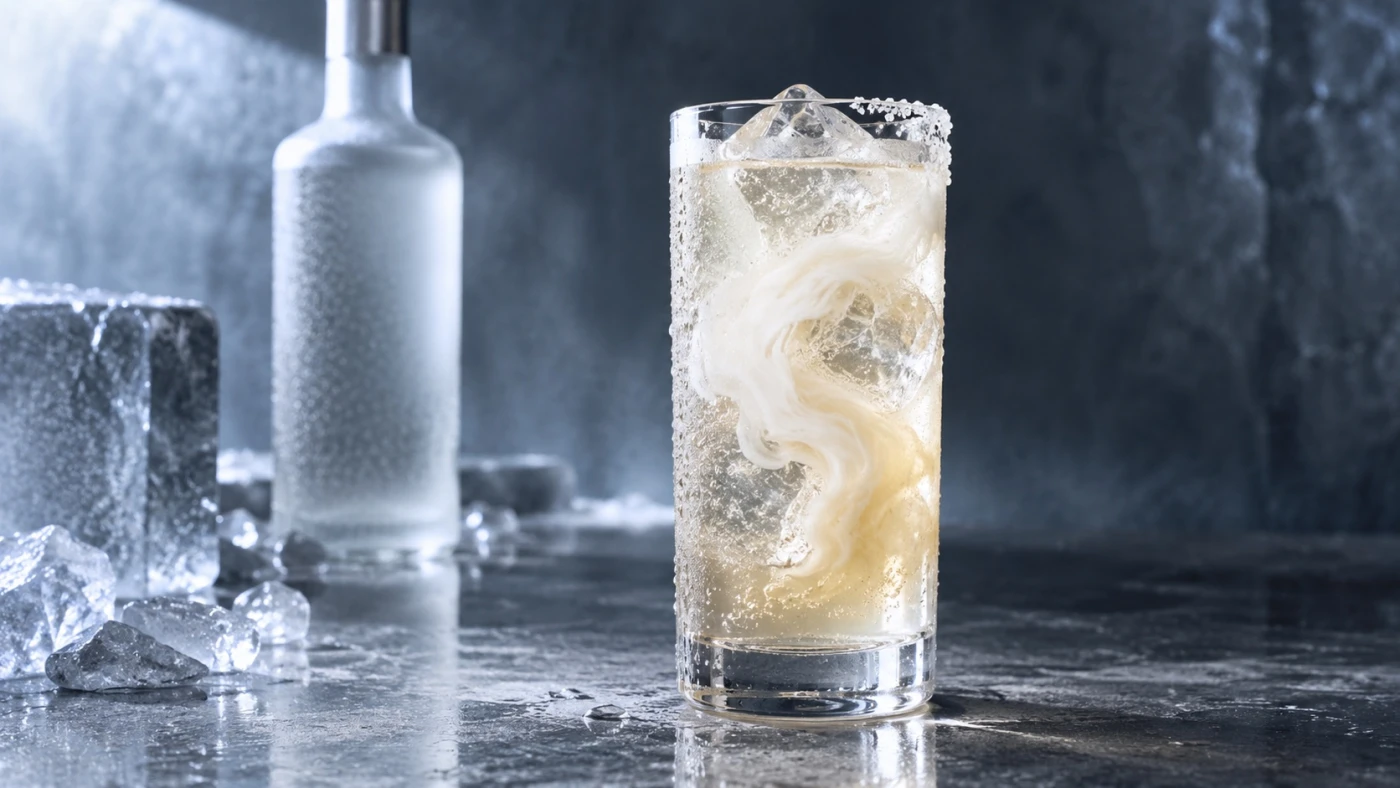
Myth 1: Vodka belongs in the freezer
Verdict: sometimes—as a deliberate serving decision, not a universal storage rule.
Vodka is an ethanol-and-water mixture, so it does not behave like pure water. Full-strength vodka will generally remain liquid in a conventional domestic freezer, although its viscosity increases markedly. Exact freezing behavior depends on ABV, other dissolved material and the freezer's actual temperature. Lower-strength vodka products and diluted drinks are more likely to form ice or slush.
Cold also changes perception. It reduces the release of volatile aroma compounds and changes how flavor and texture are experienced. Beverage studies outside the vodka category consistently show that serving temperature affects aroma release and sensory ratings; applying that principle to vodka is reasonable, but the precise effect will vary by product and drink.
That creates a trade-off:
| Serving choice | Likely effect | Useful when |
|---|---|---|
| Freezer-cold | Thicker texture and muted aroma; flaws and distinctive notes are harder to notice | You want an intensely cold, restrained neat pour |
| Refrigerator-cold | Refreshing, with more aroma and definition remaining | You want to compare bottles or retain character |
| Chilled through mixing | Temperature and dilution develop together | You are making a Martini or another stirred or shaken cocktail |
For a vodka intended to disappear beneath ginger beer, fruit or tomato, freezer storage may make little practical difference once the drink is assembled. For a Vodka Martini, starting with frozen vodka can reduce the amount of ice melt during stirring. That may be desirable if you want a colder, stronger drink, but undesirable if the recipe relies on dilution to integrate the vodka and vermouth. “Colder” is therefore not automatically “better balanced.”
Myth 2: Good vodka is completely flavorless
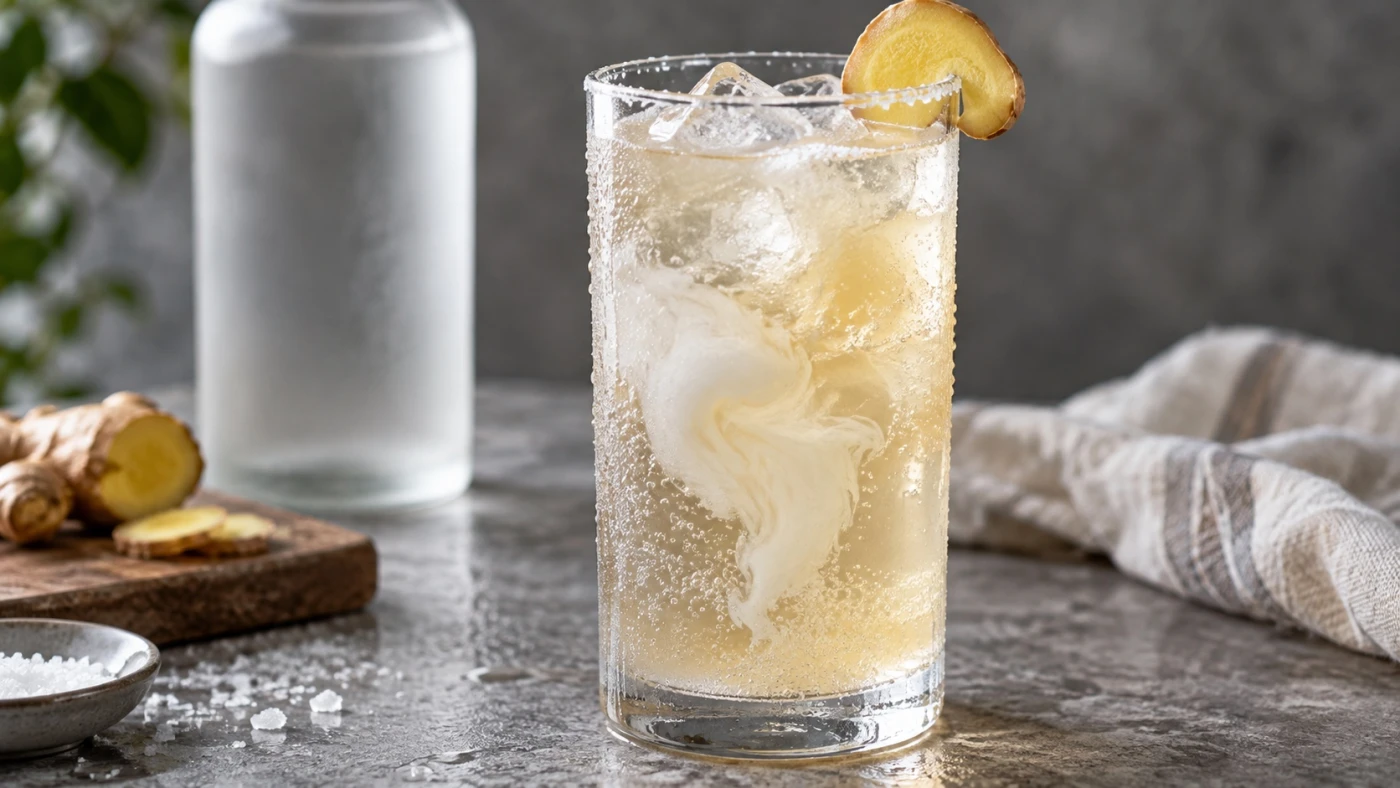
Verdict: neutrality is a spectrum, and preference depends on the drink.
Even a highly purified vodka contains ethanol and water, both of which shape its sensory profile. Trace volatile compounds and dissolved minerals may add further differences. Research on commercial vodkas has also examined how small amounts of salts and water–ethanol interactions relate to alcohol's stimulative sensation, although the mechanisms and their importance across products are not fully settled.
“Flavorless” is useful shorthand when comparing vodka with assertive spirits such as peated whisky or juniper-led gin. It becomes misleading when used to claim that vodka has no taste or that all brands are interchangeable.
Try evaluating vodka at refrigerator temperature rather than straight from the freezer. Smell gently, take a small sip and notice aroma, initial sweetness-like impression, texture, heat and finish. This is not a test of whether one bottle is objectively superior. It is a way to identify which profile serves a particular drink.
- For a citrus Highball or fruit-led mixed drink, a clean and quiet vodka usually lets the other ingredients lead.
- For a Vodka Martini, subtle grain character, texture and the quality of the finish are easier to notice.
- For a Bloody Mary, neutrality can be helpful, but an aggressively hot finish may still disrupt the savory mixture.
Myth 3: More filtration means better vodka
Verdict: filtration can matter, but the count alone tells you almost nothing.
Activated carbon can adsorb some organic compounds, and commercial filtration can modify a vodka's chemical and sensory profile. In one pilot-scale study, researchers used chemical analysis and sensory evaluation to compare vodka before and after activated-charcoal treatment. The panel preferred some column-filtered samples, while conventional GC-FID analysis found only negligible differences in the already highly purified spirit; a more sensitive method identified changes among trace volatile compounds. Read the published activated-charcoal filtration study.
That result supports a narrow conclusion: a specified filtration process can affect a specified spirit. It does not establish that every additional pass improves every vodka.
“Filtered ten times” is incomplete information because it does not disclose:
- the material used for filtration;
- the filter's surface area and condition;
- contact time and flow rate;
- the composition of the spirit before treatment;
- the compounds present before and after filtration; or
- whether the sensory change is desirable.
Exotic media such as crystal, precious metal or stone may provide a memorable production story. Without comparative chemical or sensory evidence for the finished vodka, however, the material's prestige does not prove a superior result. Filtration cannot be judged independently of fermentation, distillation, proofing water and final alcoholic strength.
How to apply this when buying and mixing
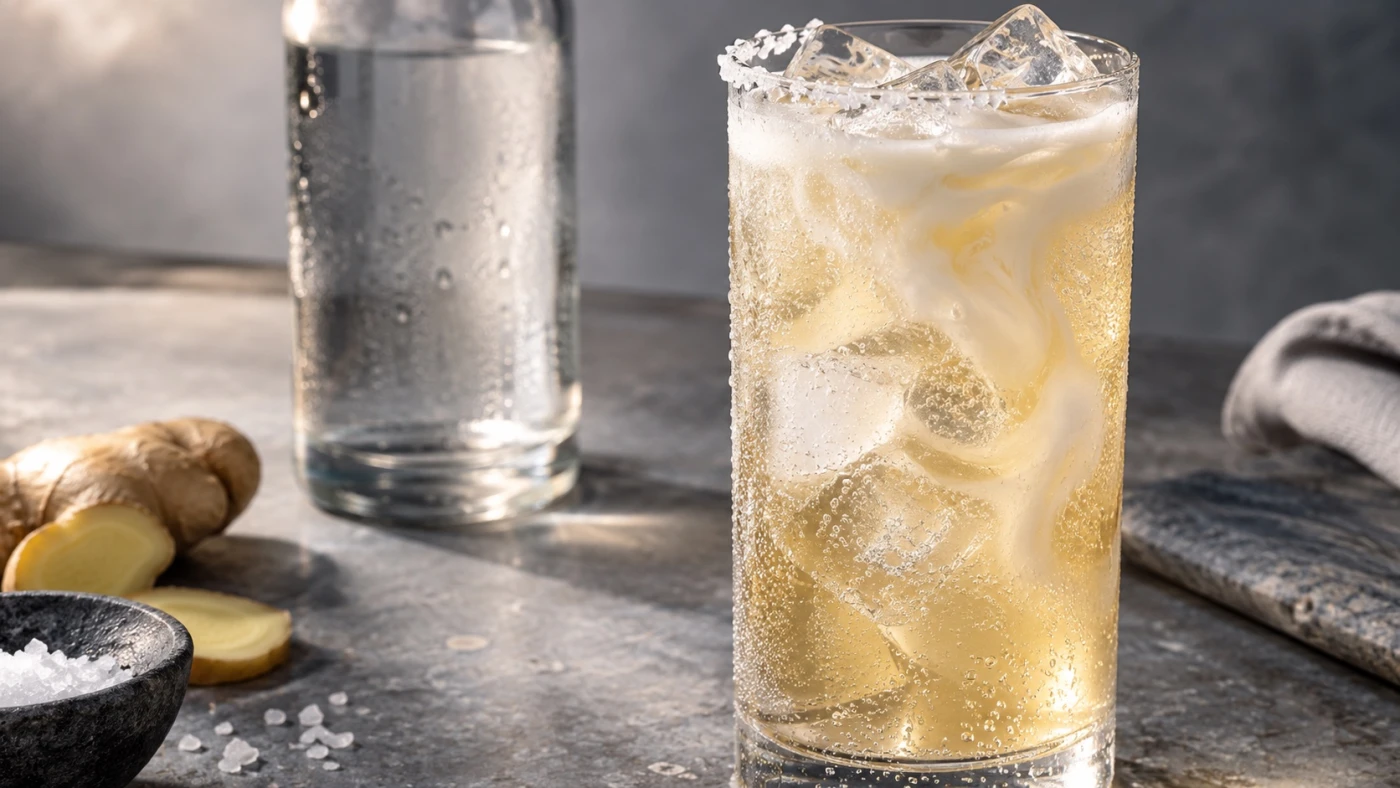
Begin with the drink rather than the marketing hierarchy.
| Your goal | What to prioritize | What to discount |
|---|---|---|
| Mixed drinks with bold flavors | Clean finish, suitable ABV and fair price | Elaborate filtration counts |
| Vodka Martini or spirit-forward serve | Texture, aroma, finish and compatibility with the vermouth | The claim that all vodka tastes the same |
| Very cold neat service | Pleasant texture and a finish that remains clean when warming | The idea that freezer storage proves quality |
| Comparing bottles | Taste at the same temperature in the same type of glass | Judgments made while one sample is much colder than another |
A practical decision rule is to pay for a difference you can identify and use. If two vodkas perform equally in your usual cocktail, the more elaborate production story offers no functional advantage. If one provides a texture or finish that materially improves a Martini or neat pour, that difference may justify its price even when it is subtle.
Common misconceptions, corrected
- “Vodka cannot freeze.” It can form ice at sufficiently low temperatures. ABV and freezer temperature matter, so neither “always freezes” nor “never freezes” is a sound rule.
- “A frozen bottle hides bad vodka.” Deep chilling suppresses sensory detail in any vodka. It can mask roughness, but choosing that texture and temperature is not inherently deceptive.
- “Neutral means chemically pure ethanol and water.” Commercial vodka may contain trace compounds and permitted materials while remaining within its legal category.
- “The source crop determines the taste.” Raw material can matter, but distillation, water and finishing can reduce, preserve or reshape its influence.
- “More distillations or filtrations always mean greater purity.” A count without process details or before-and-after evidence is not a meaningful quality measurement.
Evidence and uncertainty
Legal definitions establish what may be labeled vodka; they do not rank sensory quality. Laboratory studies can detect compositional changes, but their results apply to the materials, equipment and samples examined. Sensory judgments also depend on serving temperature, dilution and the individual drinker.
The most defensible conclusion is therefore modest: freezer storage, residual character and filtration can all affect vodka, but none provides a universal quality score. Control temperature when comparing bottles, evaluate the spirit in the drink you intend to make and ask whether a production claim explains a measurable or perceptible benefit.
Ask AI about this article
Pick a prompt, copy it, or open ChatGPT with this article preloaded.
Comments 0
Login to Post comments