Vodka Spritzer Explained: Balance, Bubbles and Strength
What makes a vodka spritzer feel crisp and balanced instead of weak, harsh or sugary? The answer lies in how vodka, dilution, carbonation, acidity and…
- After reading this guide, you will be able to explain what a vodka spritzer is, estimate how a mixing decision changes its strength and choose adjustments that suit the vodka and mixer in front of you.
- A vodka spritzer is a long, carbonated mixed drink built around vodka and a fizzy mixer.
- Unlike a cocktail with a single widely accepted specification, the vodka spritzer is best understood as a style .
- Its defining idea is extension: a measure of vodka is lengthened with a carbonated, non-alcoholic component.
- Citrus, fruit or herbs may support that structure, but they are not mandatory defining ingredients.
What makes a vodka spritzer feel crisp and balanced instead of weak, harsh or sugary? The answer lies in how vodka, dilution, carbonation, acidity and sweetness interact. After reading this guide, you will be able to explain what a vodka spritzer is, estimate how a mixing decision changes its strength and choose adjustments that suit the vodka and mixer in front of you.
What is a vodka spritzer?
A vodka spritzer is a long, carbonated mixed drink built around vodka and a fizzy mixer. Plain sparkling water produces the driest and most neutral version, while soda flavoured with citrus, fruit, herbs, bitterness or sweetness creates a more assertive drink.
Unlike a cocktail with a single widely accepted specification, the vodka spritzer is best understood as a style. Its defining idea is extension: a measure of vodka is lengthened with a carbonated, non-alcoholic component. Citrus, fruit or herbs may support that structure, but they are not mandatory defining ingredients.
The word “spritzer” originally has a strong association with wine diluted by carbonated water. In contemporary casual usage, however, it is also applied to light, sparkling mixed drinks based on spirits. Because naming conventions vary between bars, brands and regions, the contents matter more than the label alone.
The structure: spirit, length and balance
It helps to view the drink as three interacting layers:
- Spirit: Vodka supplies alcohol, texture and any character retained from its raw materials or production choices.
- Length: The carbonated mixer increases volume, lowers alcohol concentration and changes how quickly aromas reach the nose.
- Balance: Acidity, sweetness, bitterness and aroma determine whether the finished drink seems sharp, soft, dry, fruity or heavy.
These layers are connected. Increasing the mixer does not merely make a larger drink: it reduces the concentration of alcohol and every non-carbonated flavour already present. Adding sweet soda may soften the impression of alcohol, but sweetness can also obscure delicate vodka character. Adding acidity can sharpen a flat drink, yet too much can make a dry mixture feel thin or severe.
What carbonation actually changes
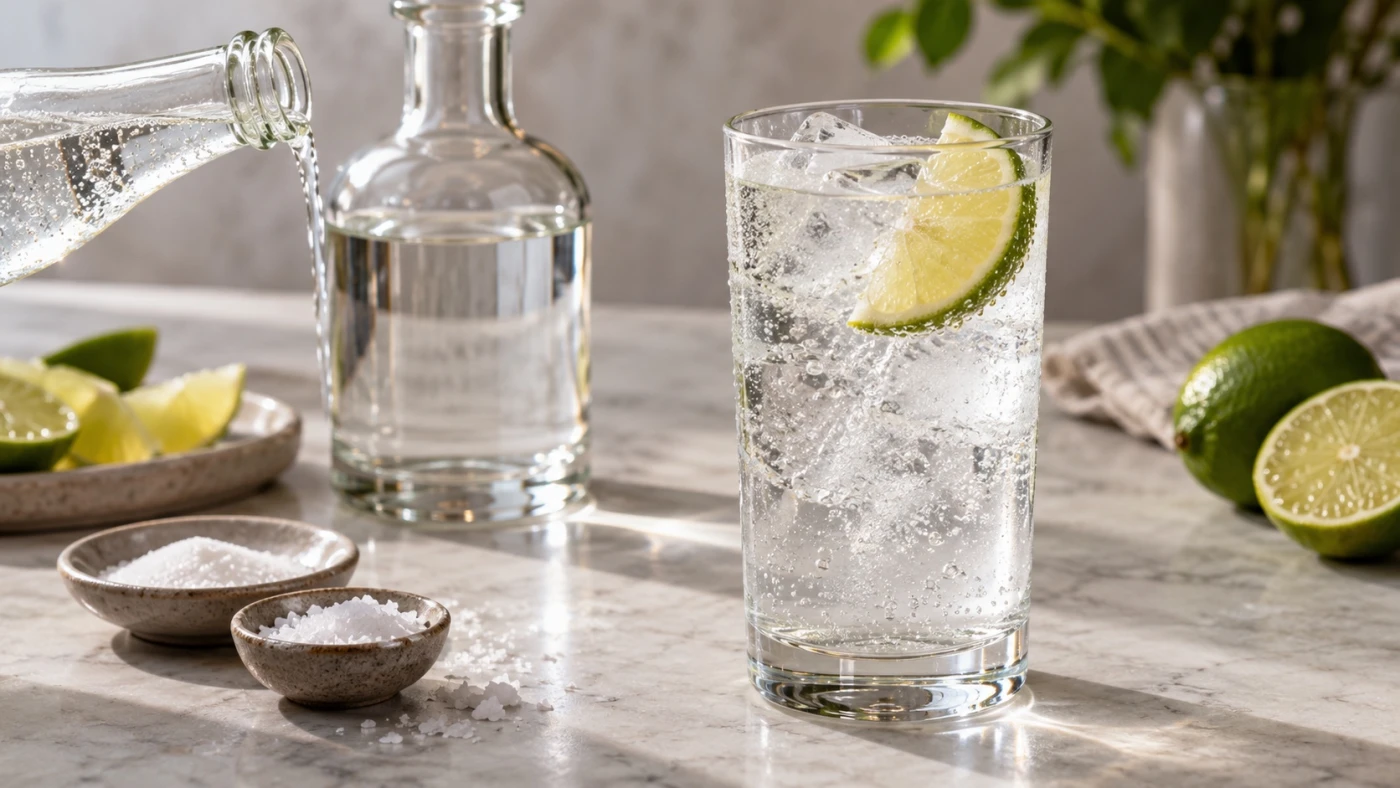
Carbonation contributes more than visible bubbles. Dissolved carbon dioxide forms carbonic acid in water, so a highly carbonated mixer can register as gently prickly and tart. Bubbles also help carry volatile aromas above the surface of the drink. These effects are sensory rather than evidence that carbonation has changed the amount of alcohol present.
Carbonation is easily lost through warmth, agitation and unnecessary stirring. For a livelier spritzer, use a cold mixer, add it near the end and stir only enough to combine the liquids. Pouring gently against the inside of the glass can also limit foaming.
The mixer itself matters. Sparkling mineral water may contribute noticeable mineral character; club soda can taste subtly different because of added mineral salts; tonic water introduces bitterness and usually sweetness. These are not interchangeable neutral sources of bubbles.
Dilution and alcohol strength
Dilution changes alcohol concentration, not the absolute quantity of alcohol poured. If one part of 40% ABV vodka is combined with two parts of an alcohol-free mixer, the liquid is approximately 13.3% ABV before accounting for melting ice: 40 multiplied by one-third. If that same amount of vodka is extended with five parts mixer, the mixture is approximately 6.7% ABV before ice dilution.
This calculation is an estimate because ice melt, ingredient volumes and the vodka's labelled strength affect the finished result. The useful formula is:
Approximate drink ABV = (vodka volume × vodka ABV) ÷ total liquid volume
A taller, more diluted spritzer may taste less alcoholic, but it still contains the alcohol originally measured into it. Perceived lightness should not be treated as a reliable measure of alcohol content. US readers can consult the National Institute on Alcohol Abuse and Alcoholism, while UK readers can consult Drinkaware, for country-specific alcohol information and lower-risk guidance.
How vodka choice survives—or disappears—in the drink
A strongly flavoured mixer can conceal subtle differences between vodkas. With plain sparkling water, those differences are easier to notice because there is less sweetness, acidity or aroma competing with the spirit.
For a citrus soda, tonic or fruit-forward mixer, a clean and relatively neutral vodka is usually the most predictable purchase. The mixer supplies the dominant personality, so paying more for delicate nuances may offer little practical benefit.
For a sparse spritzer based on sparkling water, vodka character becomes a larger part of the result. Texture, aroma and the impression of ethanol are less disguised. This does not mean the most expensive bottle is automatically best; price is not a dependable substitute for suitability. Choose according to whether you want the vodka to recede or remain perceptible.
Labelled alcohol strength is also a practical buying detail because it affects the finished concentration. US vodka labelling and identity standards fall under the Alcohol and Tobacco Tax and Trade Bureau; its current guidance is available from TTB. Requirements and common bottling strengths can differ by market, so check the bottle rather than assuming every vodka is identical.
Apply the concept: diagnose the drink before adjusting it
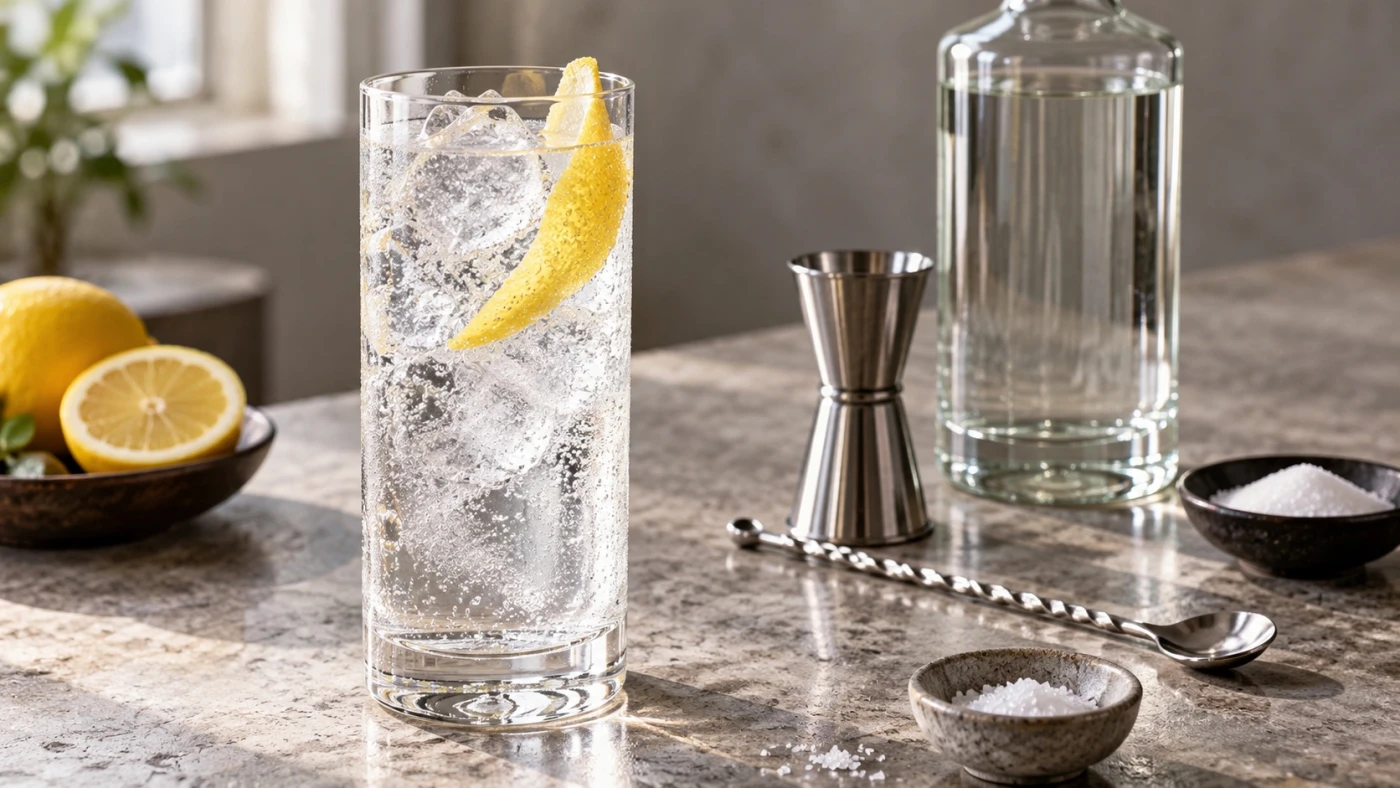
Start by deciding what role the mixer should play. If the goal is a clean, vodka-led drink, use a restrained mixer and expect the spirit's texture and alcoholic warmth to remain apparent. If the goal is a lighter, flavoured highball, let the mixer lead and choose vodka for compatibility rather than complexity.
Then identify the specific problem instead of changing several things at once:
- Too hot or harsh: Increase alcohol-free length or allow controlled ice dilution. Extra sugar may hide the sensation without correcting the concentration.
- Watery: Add definition through acidity, aroma or a more concentrated mixer rather than automatically adding more vodka.
- Too sweet: Replace part of the sweet mixer with plain sparkling water, or introduce measured acidity. More vodka raises strength and may not restore balance.
- Too sour or severe: Reduce the acidic component or choose a rounder, lightly sweetened mixer.
- Flat: Use a colder, freshly opened carbonated mixer and minimise stirring. Adding extra ingredients cannot replace lost carbonation.
- Vodka disappears: Use a less dominant mixer or reduce the amount of length. A more expressive vodka is another option, but it cannot always overcome an intense soda.
The most reliable decision rule is to alter one variable, taste, and then reassess. That preserves cause and effect: you learn whether the problem was concentration, sweetness, acidity or carbonation instead of producing a different but equally unclear mixture.
Common misconceptions
“A spritzer must contain wine.” Wine spritzers are the historical reference point, but modern drink naming also uses “spritzer” for sparkling, lengthened spirit drinks. Because usage is not perfectly uniform, a menu or recipe should identify its base and mixer.
“Any clear fizzy mixer produces the same result.” Sparkling water, club soda, tonic water and lemon-lime soda differ in sweetness, bitterness, acidity, aroma and mineral profile. The choice can transform the drink even when the vodka remains unchanged.
“More bubbles mean less alcohol.” Carbonation does not remove alcohol. Adding more alcohol-free mixer lowers concentration, but the original measure of vodka remains in the glass.
“More vodka fixes a weak-tasting spritzer.” A drink can lack flavour while still containing substantial alcohol. Aroma, acidity or mixer intensity may be the missing element; increasing vodka can make it harsher without making it more expressive.
“Premium vodka is always the best choice.” The useful question is whether the mix allows the vodka's distinctions to be perceived. A subtle vodka may be worthwhile in a minimalist build but unnecessary beneath a forceful sweet or bitter mixer.
The decision to remember
A vodka spritzer works when its intended focus is clear. Decide whether vodka or the mixer should lead, then manage dilution, carbonation, sweetness and acidity in support of that choice. If you remember only one practical principle, make it this: diagnose the missing quality before adding another ingredient. That turns the spritzer from an improvised pour into a drink you can adjust deliberately.
Ask AI about this article
Pick a prompt, copy it, or open ChatGPT with this article preloaded.
Frequently Asked Questions
Why does my vodka spritzer taste watery rather than refreshing?
The drink may have plenty of dilution but too little acidity, aroma or flavour concentration. A more expressive mixer or a modest acidic component can restore definition without simply adding more vodka.
Should flavoured vodka be paired with a neutral mixer?
Often, but not automatically. A neutral carbonated mixer gives the vodka's flavour more space, while a complementary flavoured mixer can create a fuller profile. Avoid combining several intense flavours unless they have a clear relationship.
Why does a freshly opened mixer make a better spritzer?
A lively mixer supplies more carbonation. Once much of that carbonation is lost, the drink can seem flatter and sweeter because bubbles no longer provide the same lift and sensory contrast.
Comments 0
Login to Post comments