What to Mix With Vodka: A Guide to Better 2-Ingredient Drinks
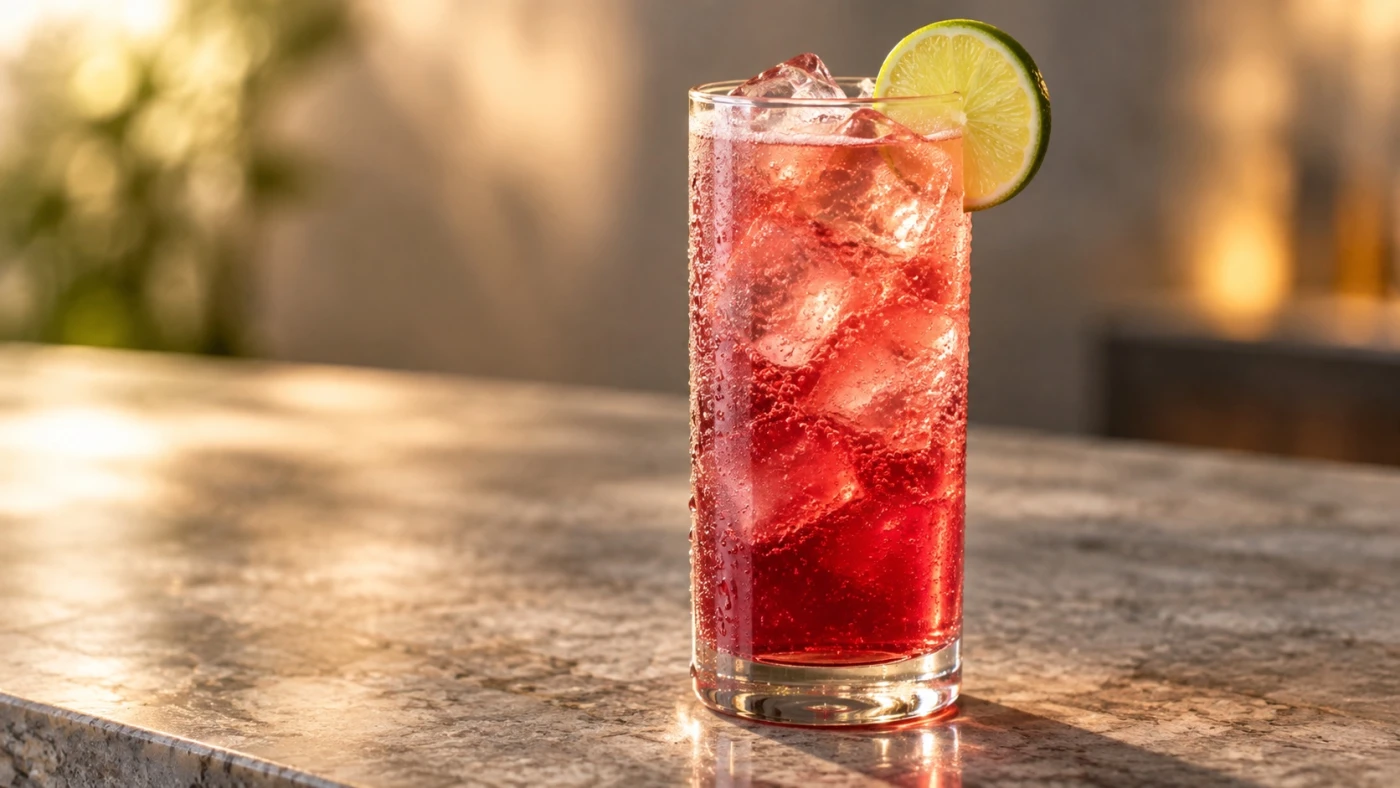
What should you mix with vodka when you want a drink containing only vodka and one mixer? The useful answer is not a single ranked list. It is a way to…
- The useful answer is not a single ranked list.
- It is a way to match the mixer's sweetness, acidity, bitterness, carbonation and flavor intensity to the right amount of vodka.
- Once you understand those variables, you can choose a mixer and adjust the proportions instead of relying on a formula that may not suit the bottle in your kitchen.
- Ice is part of the preparation rather than the flavor formula, and a garnish is optional.
- It does not disappear, however: ethanol brings warmth, while the base spirit may retain subtle grain, fruit, peppery or creamy impressions.
What should you mix with vodka when you want a drink containing only vodka and one mixer? The useful answer is not a single ranked list. It is a way to match the mixer's sweetness, acidity, bitterness, carbonation and flavor intensity to the right amount of vodka. Once you understand those variables, you can choose a mixer and adjust the proportions instead of relying on a formula that may not suit the bottle in your kitchen.
Here, “two ingredients” means vodka plus one flavoring mixer. Ice is part of the preparation rather than the flavor formula, and a garnish is optional.
Why vodka works with so many mixers
Unflavored vodka generally contributes alcohol, body and a comparatively restrained flavor. It does not disappear, however: ethanol brings warmth, while the base spirit may retain subtle grain, fruit, peppery or creamy impressions. The mixer therefore has two jobs. It provides the drink's dominant flavor and softens the concentrated spirit to an enjoyable strength.
This makes the ratio more important than the number of ingredients. A large pour of lemonade creates a long, sweet-tart drink; an equal measure of coffee liqueur creates a short, rich drink. Both use two ingredients, but they solve different drinking occasions.
The five mixer qualities that control the result
Sweetness: Sweet mixers soften the perception of alcohol, but that can make a drink seem gentler than it is. Cola, lemonade and many juices may become cloying in excessive quantities.
Acidity: Citrus and cranberry-style drinks use tartness to keep sweetness in check. Products vary considerably, so the same ratio will not taste identical across brands.
Bitterness: Tonic water adds both sweetness and quinine bitterness. It produces a more assertive drink than plain soda water and should not be treated as interchangeable with it.
Carbonation: Bubbles make a drink feel lighter and more aromatic. Carbonated mixers are best added directly to the serving glass and stirred gently rather than shaken.
Flavor intensity: Soda water needs enough volume to lengthen the spirit, while concentrated or alcoholic mixers such as coffee liqueur can dominate at much smaller quantities.
A practical ratio system
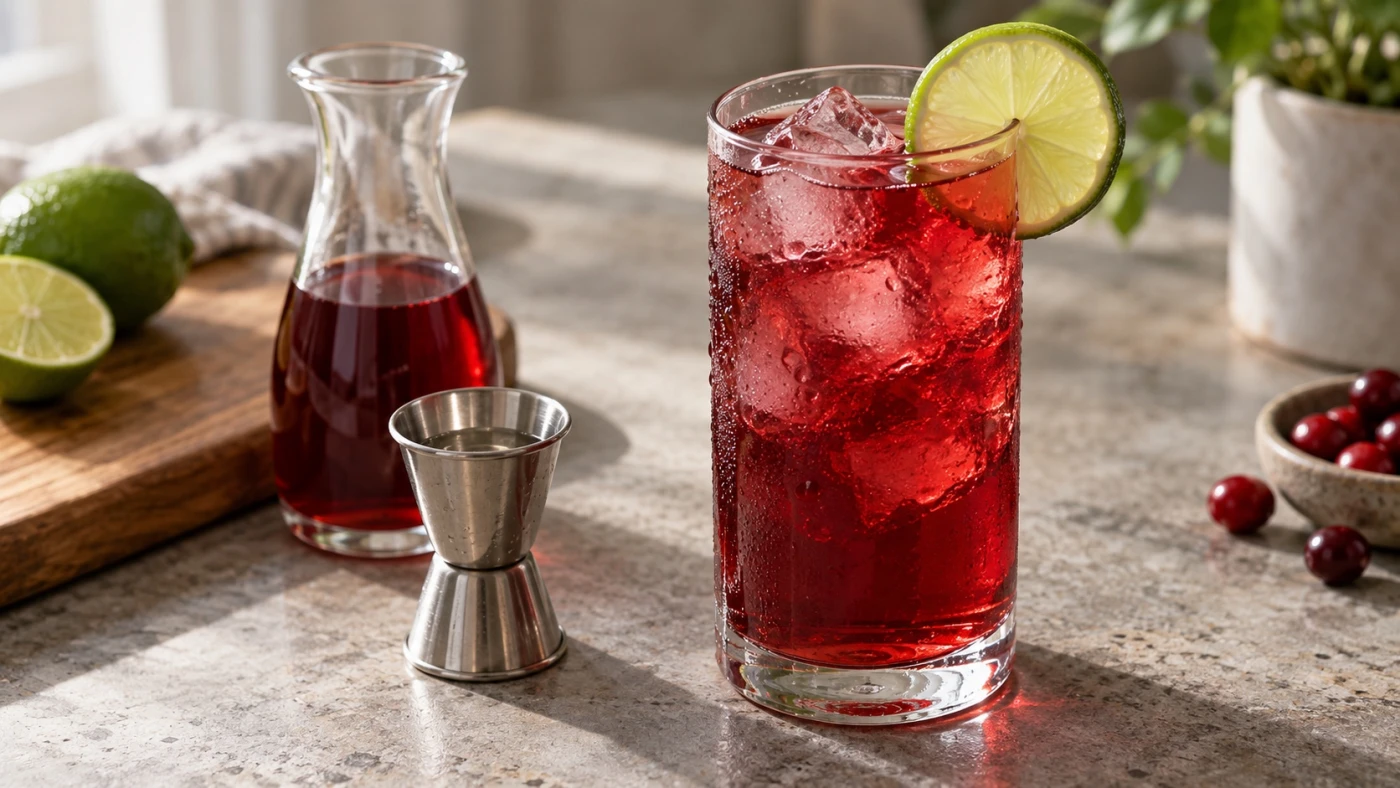
Think of the ratio as a starting control, not an inflexible rule:
- 1 part vodka to 3 parts mixer: a useful starting point for tall, refreshing drinks made with soda, tonic or an everyday juice.
- 1 part vodka to 2 parts mixer: more spirit-forward and often suitable for flavorful mixers such as ginger beer or tomato juice.
- 1 part vodka to 1 part mixer: best reserved for compact drinks involving an intense ingredient, such as coffee liqueur. It produces a substantially stronger-tasting serve.
To make a drink longer without adding more sweetness, choose soda water or use a smaller amount of a flavorful mixer followed by dilution from ice. The latter is no longer strictly a vodka-plus-one-mixer formula if soda is also added.
Eight reliable vodka-and-mixer combinations
Each formula below makes one drink. The listed total is the liquid volume before ice and any dilution from melting. Build the drink over fresh ice in an appropriate serving glass and stir gently for about five seconds; for carbonated mixers, pour the mixer after the vodka and avoid vigorous stirring. No shaker or sealed container is required.
| Mixer | Starting formula | Liquid total | What to expect |
|---|---|---|---|
| Soda water | 1.5 oz (44 ml) vodka + 4.5 oz (133 ml) soda | 6 oz (177 ml) | Dry, light and vodka-forward; a citrus peel or wedge can add aroma without sweetening. |
| Tonic water | 1.5 oz (44 ml) vodka + 4.5 oz (133 ml) tonic | 6 oz (177 ml) | Sweet, bitter and sparkling. Reduce the tonic if you want the spirit to show more clearly. |
| Orange juice | 1.5 oz (44 ml) vodka + 4.5 oz (133 ml) juice | 6 oz (177 ml) | Fruit-led and approachable. Sweeter juice may benefit from a shorter pour. |
| Cranberry drink | 2 oz (59 ml) vodka + 4 oz (118 ml) cranberry drink | 6 oz (177 ml) | Tart-sweet, with the balance depending heavily on whether the product is sweetened cranberry drink or less-sweet juice. |
| Grapefruit juice | 2 oz (59 ml) vodka + 4 oz (118 ml) juice | 6 oz (177 ml) | Brisk and bittersweet. Taste the juice first because fresh and packaged versions vary. |
| Ginger beer | 2 oz (59 ml) vodka + 3 oz (89 ml) ginger beer | 5 oz (148 ml) | Spicy and concentrated. A lime garnish is useful but optional; adding lime juice would make it a three-ingredient formula. |
| Cola | 1.5 oz (44 ml) vodka + 4 oz (118 ml) cola | 5.5 oz (162 ml) | Sweet, caramel-led and sparkling. A drier or lower-sugar cola changes the balance. |
| Coffee liqueur | 2 oz (59 ml) vodka + 2 oz (59 ml) coffee liqueur | 4 oz (118 ml) | Short, rich and spirit-forward. Stir over plenty of ice rather than treating it like a highball. |
These quantities are editorial starting points, not universal standards. Mixer recipes differ by market and brand, particularly for tonic, cranberry products, ginger beer and lemonade.
How to choose the right combination
Start with the experience you want. For a dry, refreshing drink, choose soda water. For bitterness and sweetness together, choose tonic. For fruit and acidity, use orange, grapefruit or cranberry. For spice, use ginger beer. For a compact after-dinner style, use coffee liqueur.
Then inspect both labels. Vodka strength varies, so do not assume every bottle is 40% alcohol by volume. Sweetness and alcohol information on the mixer can also change the decision: coffee liqueur contributes additional alcohol, whereas ordinary juice and soda do not. US readers can consult the Alcohol and Tobacco Tax and Trade Bureau for federal alcohol-labeling information.
Finally, make a small adjustment rather than rebuilding the drink. If alcohol dominates, add another 0.5–1 oz (15–30 ml) of the same mixer. If the drink is too sweet or the mixer hides the vodka, use less mixer next time. With only two ingredients, changing one pour is the clearest way to learn what created the difference.
Understanding strength and dilution
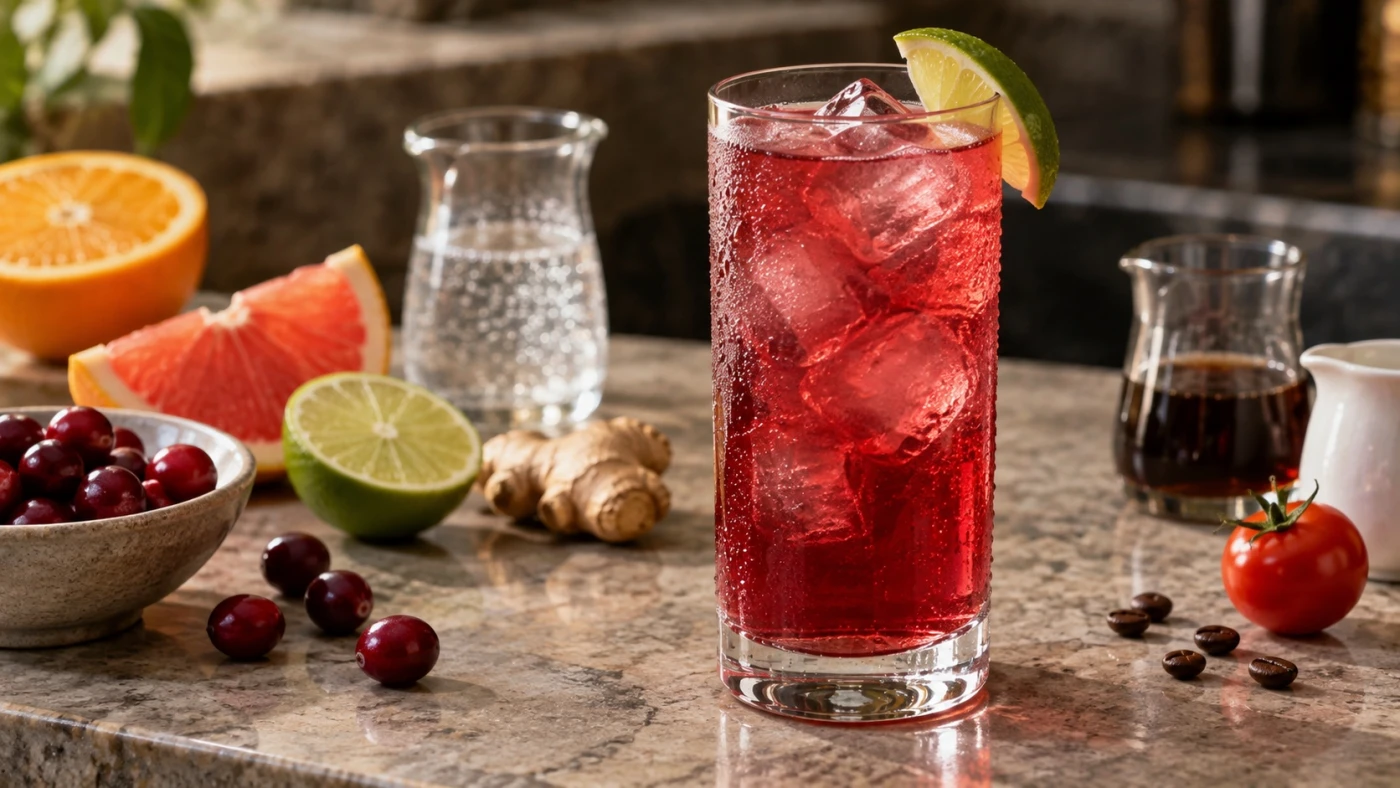
A longer drink is not automatically a drink with less alcohol; it may simply contain the same alcohol in more non-alcoholic liquid. For example, if the vodka is 40% ABV, 1.5 oz of it contains 0.6 oz of pure alcohol. Mixing it with 4.5 oz of a non-alcoholic mixer creates 6 oz of liquid at a theoretical 10% ABV before ice dilution. This calculation does not apply unchanged when the mixer itself contains alcohol.
Likewise, a sweet or fizzy drink may conceal alcohol's flavor without removing the alcohol. Treat the measured vodka pour—not how strong the drink tastes—as the relevant quantity when monitoring consumption. For current harm-reduction guidance, use an appropriate public-health source such as the US National Institute on Alcohol Abuse and Alcoholism or Drinkaware in the UK.
Common misconceptions
“Vodka is flavorless, so every mixer works equally well.” Vodka is relatively neutral, not irrelevant. Alcohol warmth, texture and subtle character still affect the drink, and an overly delicate mixer can taste thin or harsh.
“All clear sparkling mixers are interchangeable.” Soda water is generally unsweetened; tonic water is typically sweetened and bitter; lemon-lime soda is sweet and citrus-flavored. Substituting one for another changes the drink's structure.
“More mixer always makes a weak drink.” It lowers the alcohol concentration when the mixer is non-alcoholic, but it does not remove the alcohol already poured. An alcoholic mixer can instead add to the total.
“Premium vodka automatically makes the best mixed drink.” Price alone does not establish compatibility. In a mixer-led drink, a clean vodka at the desired strength may be sufficient; in a soda highball, subtle differences in the spirit are easier to notice. Buy for the intended serve rather than relying on price as a quality guarantee.
“Two ingredients means balance is automatic.” Fewer ingredients make proportion errors more obvious. The best decision is to match an intense mixer with a smaller pour and a gentle mixer with enough volume to dilute the spirit comfortably.
The decision to remember
Choose the mixer by the flavor job it performs, then choose the ratio by its intensity. Begin at 1:3 for a refreshing highball, move toward 1:2 for a bolder drink and use 1:1 only when a short, concentrated serve makes sense. Measure the vodka, check the bottle's actual strength and adjust one variable at a time. That simple framework is more dependable than memorizing a long list of supposedly perfect pairings.
Ask AI about this article
Pick a prompt, copy it, or open ChatGPT with this article preloaded.
Frequently Asked Questions
Does ice count as an ingredient in a two-ingredient vodka drink?
Usually not. The phrase normally means vodka plus one flavoring mixer. Ice still matters because it chills the drink and gradually adds dilution, while an optional garnish can add aroma.
Why does vodka and juice sometimes taste too sweet?
Many packaged juices already contain substantial sweetness, and using too much can hide both the vodka and the fruit's acidity. Start with one part vodka to two or three parts juice, then adjust according to the particular juice.
Comments 0
Login to Post comments