
Will Elliott’s Cape Codder: What the Name Actually Means
The question is not simply how to mix a Cape Codder, but whether “Will Elliott’s Cape Codder” names a distinct drink. After reading this, you will be…
- After reading this, you will be able to separate the uncertain attribution from the established cocktail, explain how its few components create balance, and choose a cranberry mixer and mixing approach deliberately.
- The evidence supports a clear conclusion with one important limitation: a Cape Codder is an established vodka-and-cranberry drink, but no reliable source located for this article documents a special Cape Codder created by bartender Will Elliott.
- That absence does not prove that such a drink never appeared on a menu; it means the attribution should not be presented as fact without a primary source.
- A Cape Codder, also called a Cape Cod or vodka cranberry, is a highball-style mixed drink built from vodka and cranberry juice over ice.
- Lime commonly appears as a garnish, a squeezed wedge or a measured source of acidity, but there is no single universally accepted specification.
The question is not simply how to mix a Cape Codder, but whether “Will Elliott’s Cape Codder” names a distinct drink. After reading this, you will be able to separate the uncertain attribution from the established cocktail, explain how its few components create balance, and choose a cranberry mixer and mixing approach deliberately.
The evidence supports a clear conclusion with one important limitation: a Cape Codder is an established vodka-and-cranberry drink, but no reliable source located for this article documents a special Cape Codder created by bartender Will Elliott. That absence does not prove that such a drink never appeared on a menu; it means the attribution should not be presented as fact without a primary source.
What a Cape Codder actually is
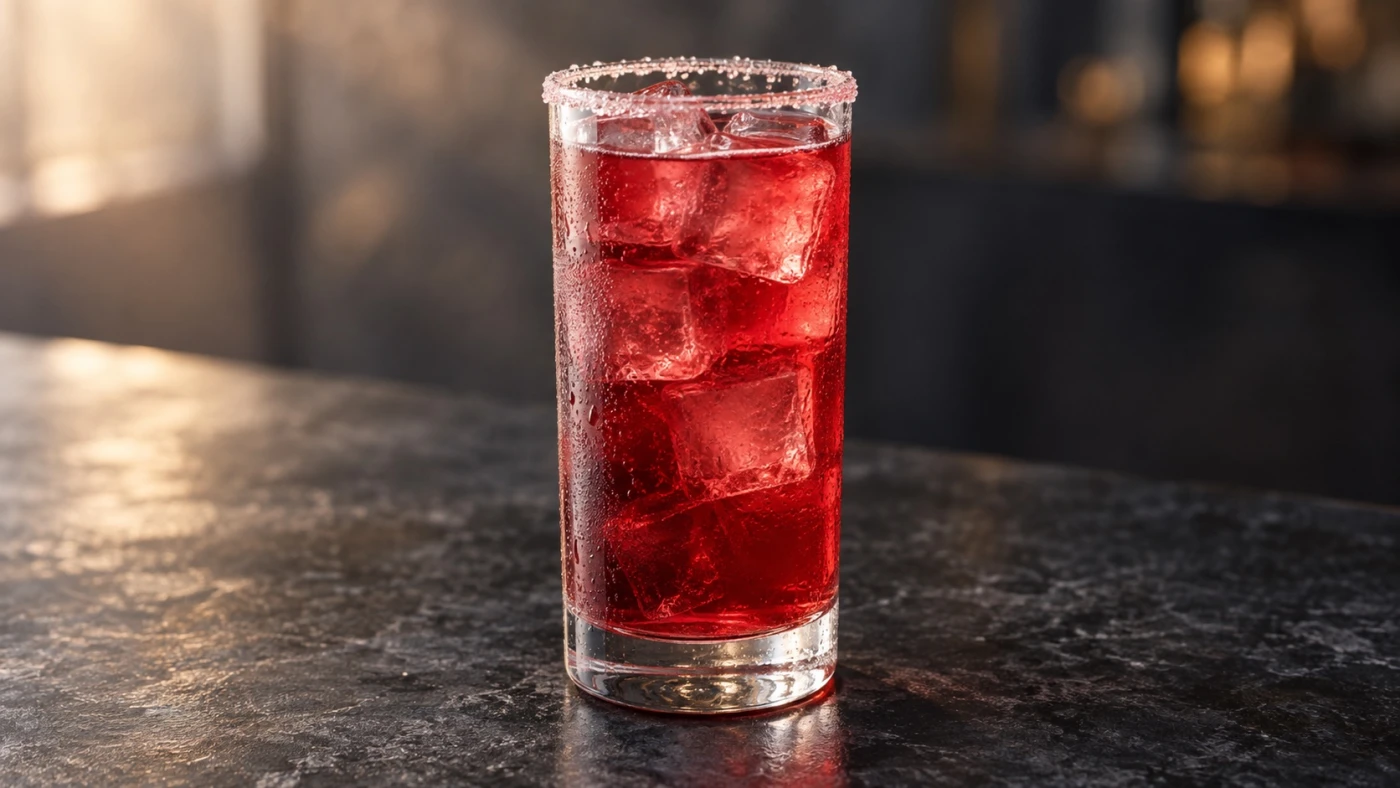
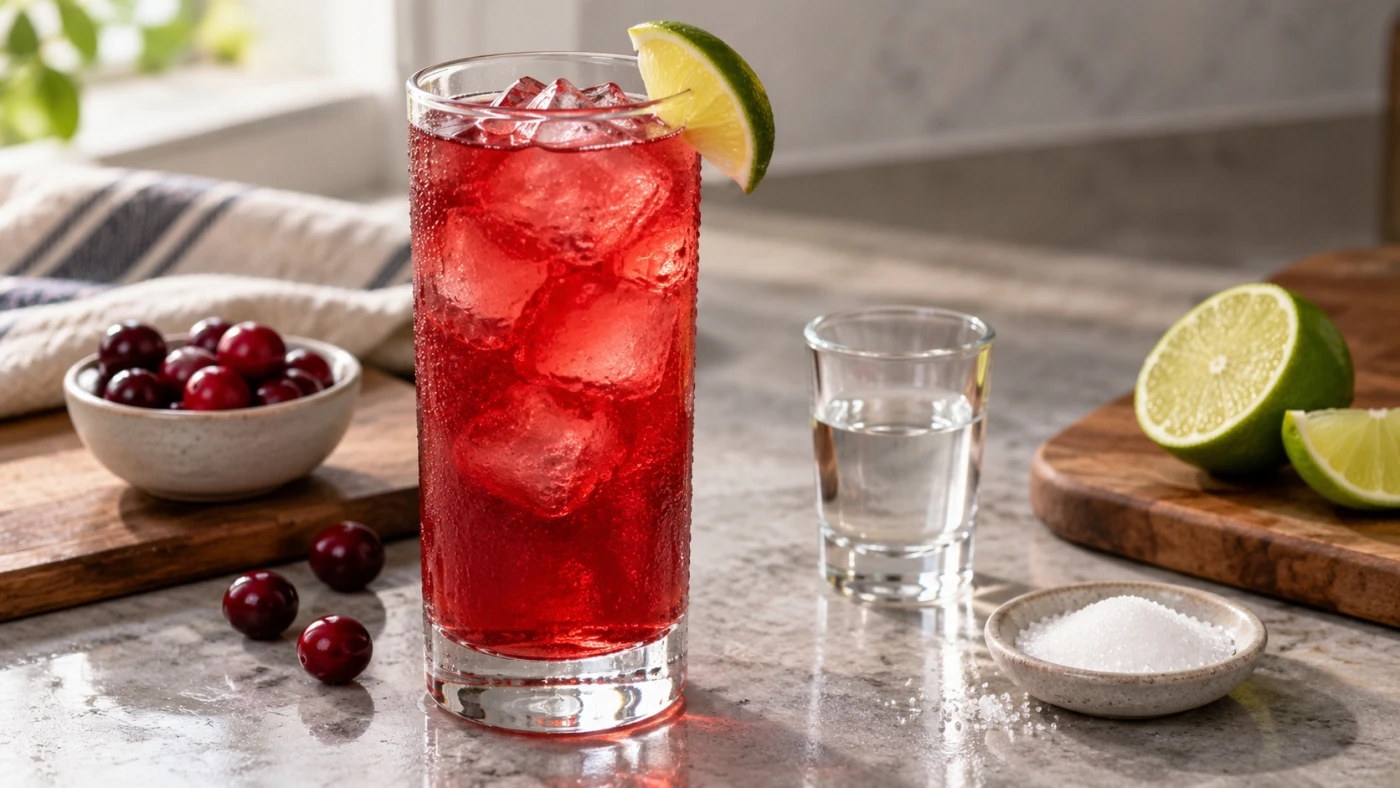
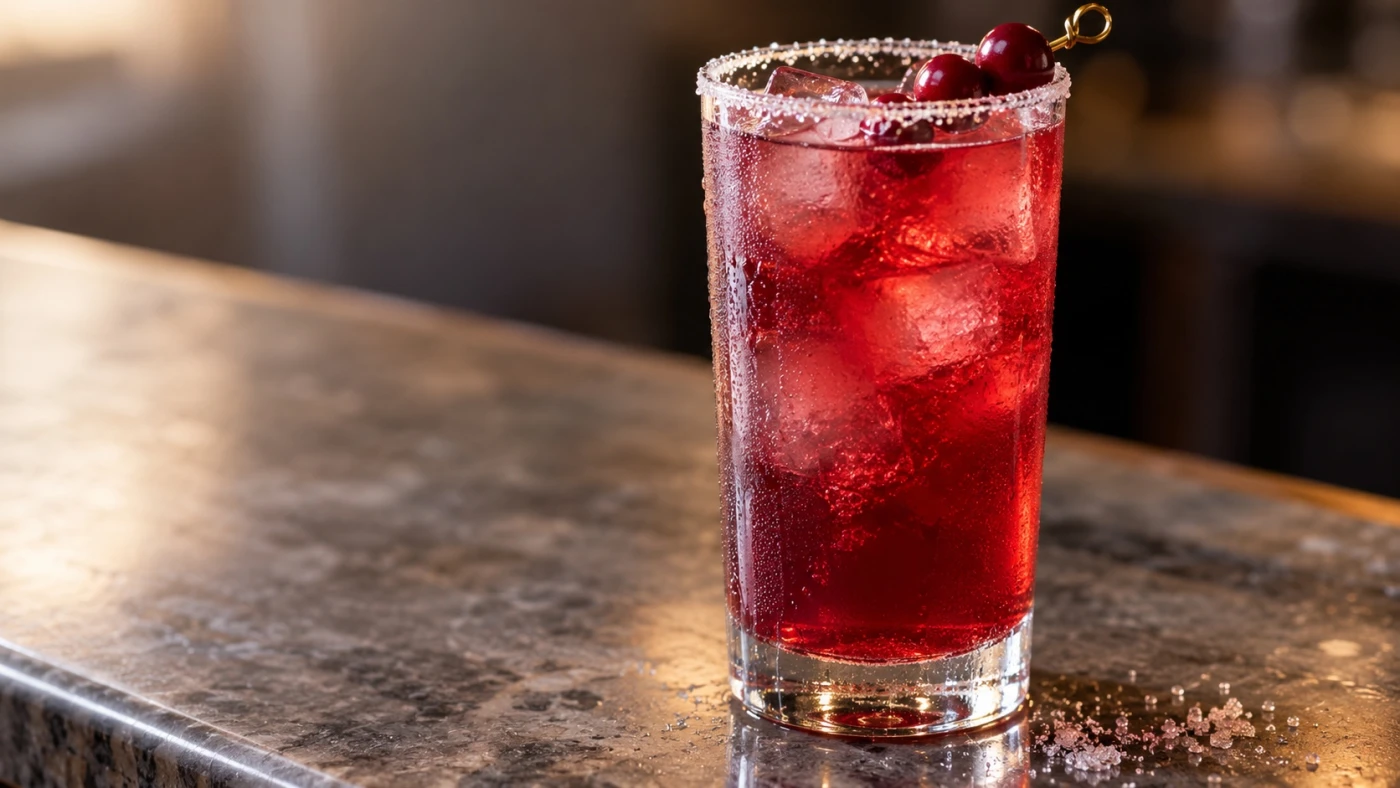
A Cape Codder, also called a Cape Cod or vodka cranberry, is a highball-style mixed drink built from vodka and cranberry juice over ice. Lime commonly appears as a garnish, a squeezed wedge or a measured source of acidity, but there is no single universally accepted specification.
The Oxford Companion to Spirits & Cocktails describes the core combination as vodka and cranberry juice, with lime and sparkling water appearing in some versions. That definition is more useful than treating every published formula as a rule: the identity comes from the vodka-cranberry pairing, while the details determine its style.
“Will Elliott’s” creates a separate attribution question. Will Elliott is a documented cocktail professional, and reputable publications have credited other drinks to him. However, that does not establish authorship of a Cape Codder. Similar names, missing punctuation or an unpublished menu reference may explain the search phrase, but those possibilities remain speculation.
Why such a simple drink changes so much
The Cape Codder is useful for understanding cocktail balance because it exposes every ingredient choice. Cranberry supplies acidity, fruit character, bitterness or astringency, and—depending on the product—substantial sweetness. Vodka supplies alcohol, texture and sometimes subtle grain, citrus or pepper notes. Ice lowers the temperature and gradually adds water, while lime can sharpen the finish and make a sweet mixer seem less heavy.
The largest variable is often hidden in the words cranberry juice. Sweetened cranberry juice cocktail is designed to be drinkable on its own and usually produces the familiar, approachable vodka cranberry. A product made primarily or entirely from cranberry can be markedly more tart and astringent. Substituting one for the other without adjustment is not a neutral swap.
This is also why vodka price is not a reliable shortcut to a better Cape Codder. In a mixer-led drink, clean flavor and the absence of distracting harshness generally matter more than delicate characteristics that the cranberry may cover. A strongly flavored vodka can work, but it changes the drink rather than automatically improving it.
Apply the concept when mixing or buying
Begin with the cranberry product rather than a supposedly definitive ratio. Taste it cold. If it is already sweet and easy to drink, use lime sparingly and let ice dilution soften the mixture. If it is intensely tart or astringent, simply adding more of it may make the drink harder rather than more refreshing; use a smaller proportion, select a sweeter cranberry blend, or balance it intentionally.
Next decide what role the vodka should play. For a long, fruit-led drink, choose a clean, straightforward vodka. If you want more spirit presence, reduce the mixer modestly instead of assuming that a more expensive bottle will remain noticeable beneath a large pour of cranberry.
Build the drink over fresh ice and stir enough to combine and begin chilling. This preparation suits the format because no ingredient requires vigorous emulsification. Taste before squeezing the lime: add it when the drink needs a brighter, drier finish, not merely because the garnish is present.
The practical decision is therefore simple: choose cranberry juice cocktail for the familiar easy-drinking style, or choose a more concentrated cranberry product only when you are prepared to rebalance its acidity and sweetness.
A brief, qualified history
The combination predates the familiar name. The Oxford reference records a vodka-and-cranberry drink called the Red Devil in an Ocean Spray cooperative publication from 1945 and dates the name Cape Codder to at least 1964. The name evokes Massachusetts cranberry country, but accounts that assign a single inventor or exact creation moment should be treated cautiously unless they cite contemporary records.
The drink later became closely identified with the plain-language order “vodka cranberry.” That evolution helps explain why recipes vary: it has functioned as both a named cocktail and an uncomplicated mixed drink rather than as a tightly codified formula.
Common misconceptions
“Will Elliott created this Cape Codder.” That attribution is not supported by the sources located for this article. A verifiable credit for one of Elliott’s other cocktails cannot be transferred to this drink.
“Cape Codder and vodka cranberry must have different ingredients.” The names usually refer to the same core drink. Lime, soda and proportions vary among published versions.
“All cranberry juice works interchangeably.” Products differ significantly in sugar, acidity and concentration. The label and a quick taste are more informative than the word cranberry alone.
“A premium vodka guarantees a better result.” Mixer choice, temperature and dilution can have a more obvious effect. Buy vodka for cleanliness and the amount of spirit character you want, not for prestige alone.
“More lime always creates better balance.” Lime adds acidity; it does not correct every imbalance. It may brighten a sweet cranberry mixer but can make an already austere product excessively sharp.
Evidence and uncertainty note
The cocktail definition and historical dates above rely primarily on The Oxford Companion to Spirits & Cocktails. A conventional modern build is also documented by Liquor.com, while producer material from Ocean Spray confirms that the vodka-and-cranberry format remains in use.
No source reviewed connected Will Elliott with a drink named “Will Elliott’s Cape Codder.” Until a dated menu, published recipe or direct interview establishes that connection, the responsible description is unverified attribution, not a lost classic with an invented formula.
Ask AI about this article
Pick a prompt, copy it, or open ChatGPT with this article preloaded.
Comments 0
Login to Post comments