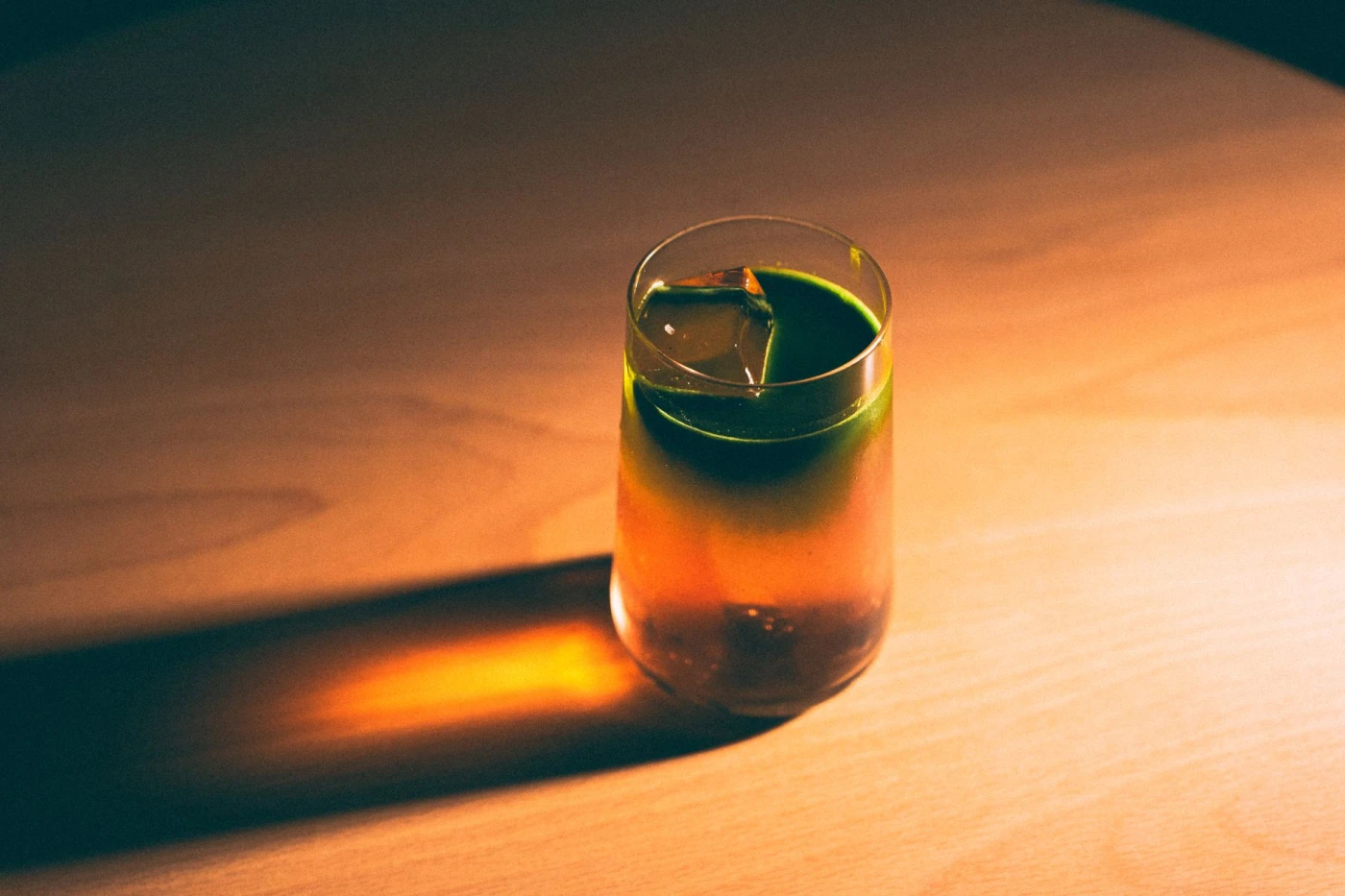

Achilles Heel Cocktail: A Delicious Weak Spot
The Achilles Heel layers herbal bison grass vodka with apple, peach, raspberry and fresh lemon. Here is the balanced recipe, with US and UK measurements.
The Achilles Heel cocktail has an unexpected weakness: it tastes much gentler than its measured pour suggests. Herbal bison grass vodka meets cloudy apple, bright lemon, peach and black raspberry, producing a long drink that moves from orchard-fresh to softly spiced in one sip.
It is fruity, but it should not resemble liquid sweets. The secret is restraint. Two small liqueur measures provide colour and aroma while unsweetened apple juice and fresh citrus keep the finish lively. If you enjoy approachable drinks from our guide to classic cocktails every home bartender should know, this modern recipe is an excellent next project. You will learn the core formula, the right vodka, exact US and UK measures, and the fixes that prevent an overly sweet result.
What Is an Achilles Heel Cocktail, and Where Did It Begin?
The Achilles Heel cocktail is a shaken vodka-and-apple drink accented with peach, black raspberry and lemon. Its defining ingredient is bison grass vodka, a Polish-style flavoured vodka whose herbal, vanilla-like and gently spicy notes sit naturally beside apple. Serve it over ice in a Collins glass and you get a fragrant, semi-sweet drink rather than a short Martini-style cocktail.
Despite its mythological name, it is not an ancient Greek recipe or a pre-Prohibition classic. Commonly published cocktail accounts attribute the modern formula to Koba in Brighton, England, around 2005. That attribution is best treated as the available bar record rather than irrefutable archival history. Many unrelated venues have also used “Achilles Heel” for entirely different drinks, including mezcal, gin and espresso cocktails.
Here’s the thing: a cocktail name does not guarantee a universal specification. This guide uses the best-known bison grass vodka version because its ingredients form a coherent recipe and its UK origin explains the frequent appearance of Żubrówka on British menus.
The name works as a playful warning. Apple, peach and raspberry conceal part of the vodka's power, making accurate measurement important. The result is approximately 13–15% ABV after normal shaking dilution, although bottle strengths and your ice technique affect that estimate. It occupies an interesting middle ground between a French Martini and an apple highball. For more foundations before tackling modern recipes, explore these beginner-friendly whiskey cocktails; the same lessons about measuring, dilution and balance apply across base spirits.
Achilles Heel Ingredients You Actually Need
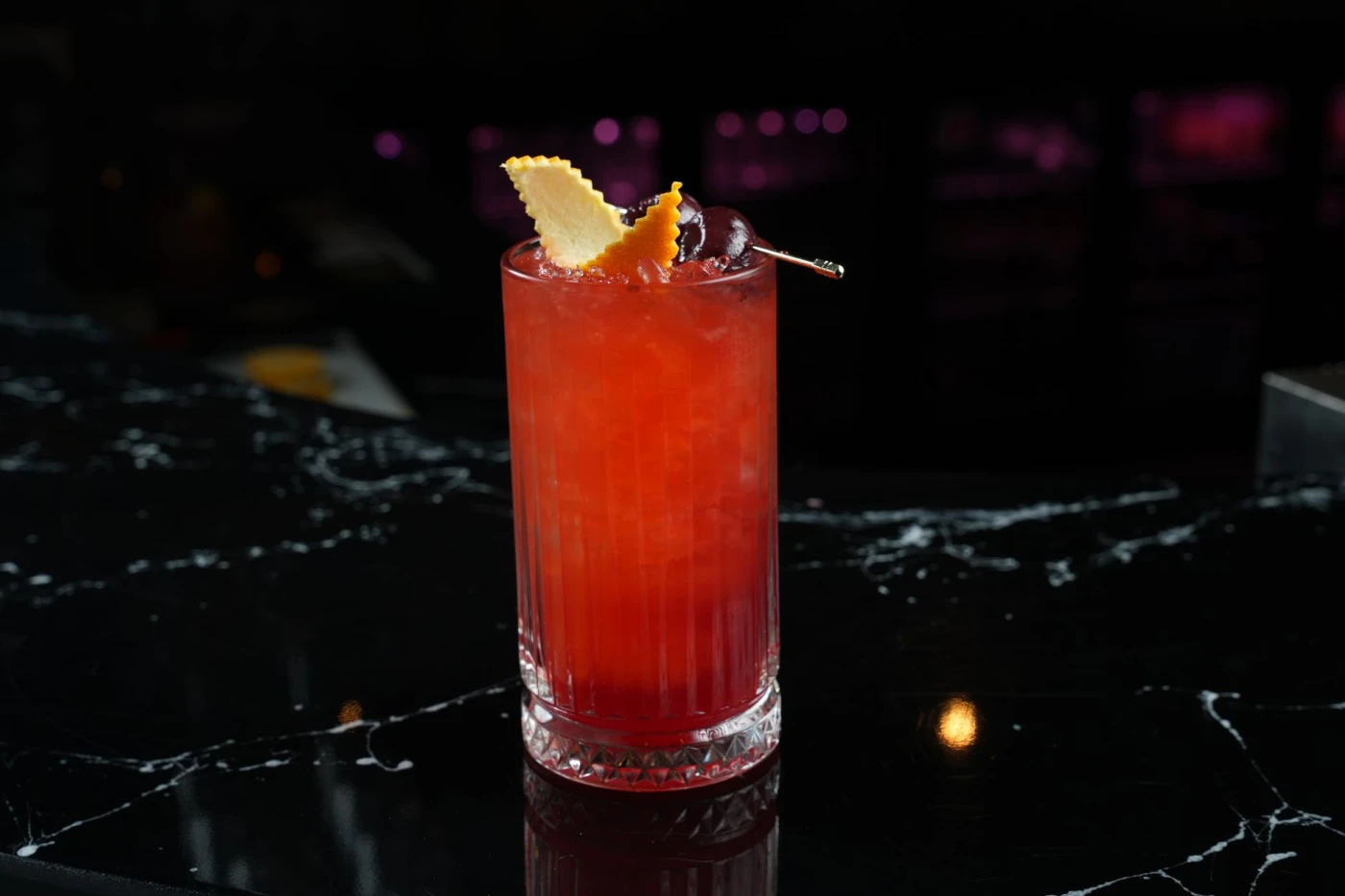
One Achilles Heel cocktail requires five liquid ingredients. Use a jigger: the two smallest pours are too important to estimate by eye.
- 2 oz (60 ml) bison grass vodka, ideally Żubrówka at about 40% ABV
- 1/4 oz (7.5 ml) black raspberry liqueur, such as Bols Black Raspberry or Chambord
- 1/4 oz (7.5 ml) peach schnapps, such as DeKuyper Peachtree or Archers
- 2 oz (60 ml) cloudy, unsweetened apple juice
- 1/2 oz (15 ml) freshly squeezed lemon juice
- 1 thin apple fan, brushed with lemon juice, for garnish
- Plenty of firm ice for shaking and serving
The best vodka is the one that supplies a recognisable herbal backbone. Żubrówka commonly costs about $25–$32 in the US or £20–£26 in the UK, although availability, proof and flavour profile vary by market. Ketel One, often around $24–$30 or £22–£28, is a clean fallback. Add one dash of Angostura bitters if you use plain vodka, but understand that it becomes an adaptation.
Bols Black Raspberry, roughly $15–$20 or £15–£20, gives a lighter berry note. Chambord usually costs $30–$38 or £24–£30 and tastes richer. I would skip an expensive bottle unless you will also use it in a Madras cocktail variation or other fruit drinks.
Apple juice determines the balance more than its modest reputation suggests. Look for refrigerated, cloudy juice without added sugar. Fresh lemon is non-negotiable. Bottled juice often tastes muted or cooked, and the Achilles Heel has nowhere to hide that flaw.
How the Achilles Heel Cocktail Should Taste
A properly balanced Achilles Heel cocktail should open with fresh apple rather than obvious alcohol. Black raspberry appears next as a fragrant, slightly tart berry note, while peach rounds the middle without becoming the dominant flavour. The bison grass vodka should remain perceptible from the first aroma to the final swallow, contributing soft vanilla, cut grass, almond-like spice and a gently dry finish. Lemon does not need to announce itself as lemonade; its job is to sharpen the fruit and prevent the two liqueurs from feeling sticky.
Temperature and dilution change that sequence. Before shaking, the mixture can taste concentrated, warm and sweeter than expected. A firm shake introduces enough water to spread the flavours across the palate while lowering the temperature and muting the sensation of alcohol. That is why tasting the undiluted mixture and immediately adding more lemon can be misleading. Shake the prescribed recipe first, strain a small sample and make any adjustment from there.
Texture matters too. Cloudy apple juice brings natural fruit solids and a little body, creating a soft, almost velvety entrance after shaking. Clear filtered juice produces a brighter-looking drink but usually a thinner one. Neither choice makes the recipe unsafe or impossible, yet cloudy juice better connects the berry liqueur to the vodka's earthy character. Avoid thick apple purée unless you deliberately want a heavier variation; it can clog a fine strainer and turn the drink pulpy.
Balance can be assessed with three quick questions. Does the first sip taste clearly of apple? Can you identify an herbal or spicy note beneath the fruit? Does the finish make you want another sip without leaving a sugary coating? If apple is missing, reduce the liqueurs rather than adding more juice immediately. If the drink lacks brightness, add lemon in 1/8 oz (about 4 ml) increments. If it is thin but balanced, improve the ice and shorten the shake slightly on the next attempt.
The ideal colour ranges from pale rose to muted ruby depending on the raspberry liqueur. A darker result is not automatically richer or better; it often indicates an oversized berry pour. Likewise, a large foamy cap is unnecessary. Aim for a light natural froth, a crisp aroma and enough dilution to make the drink refreshing while preserving its distinctive grassy backbone.
How to Make the Achilles Heel Step by Step
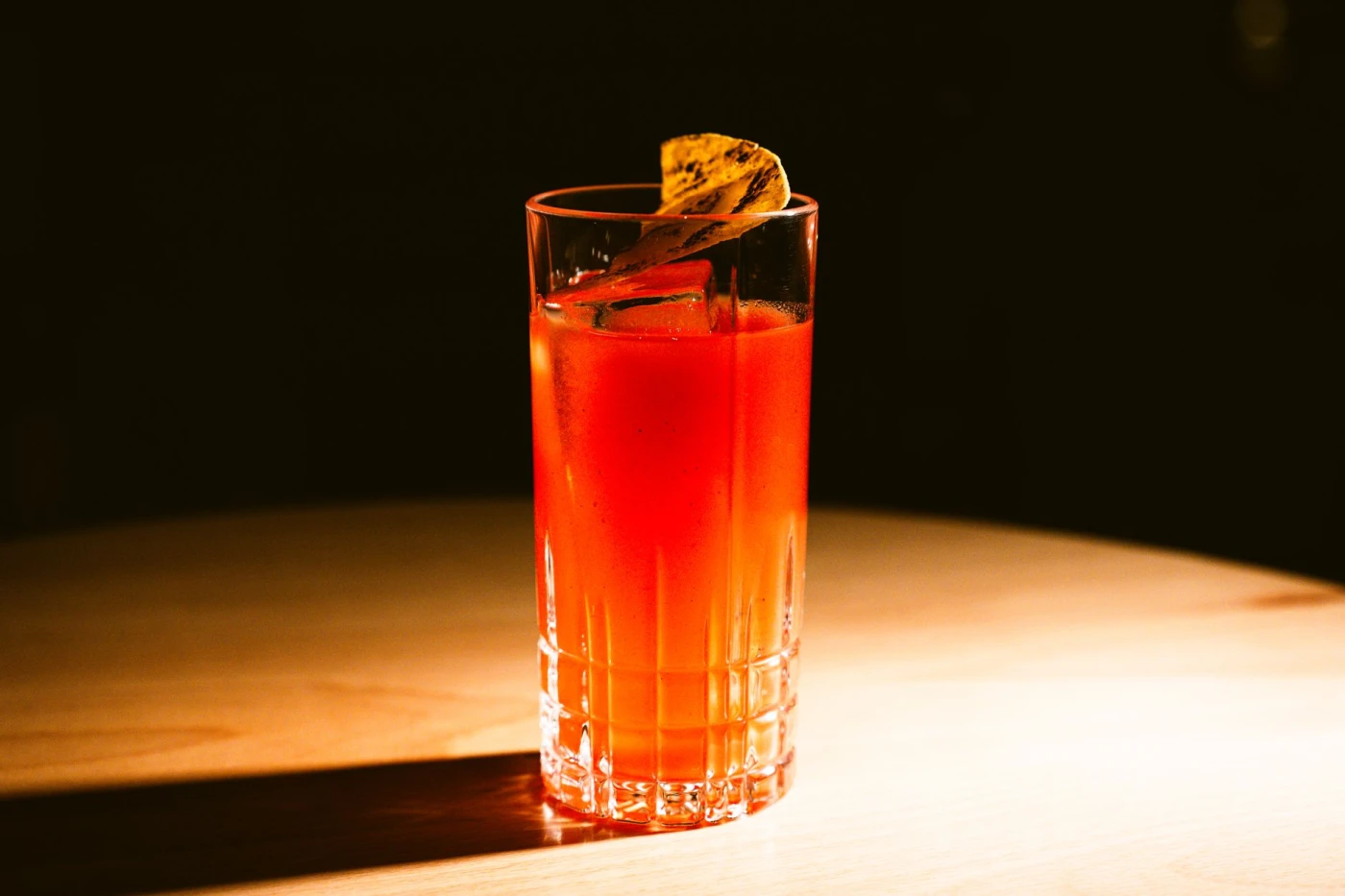
Set aside about three minutes. The technique is straightforward, yet good temperature control separates a bright Achilles Heel cocktail from a watery fruit punch.
- Chill the glass. Place a 10–12 oz (300–350 ml) Collins glass in the freezer for 10 minutes, or fill it with ice and cold water while you mix.
- Prepare the garnish. Cut three paper-thin apple slices, fan them gently and brush the exposed flesh with a little lemon juice.
- Measure the drink. Add 2 oz (60 ml) bison grass vodka, 1/4 oz (7.5 ml) raspberry liqueur, 1/4 oz (7.5 ml) peach schnapps, 2 oz (60 ml) cloudy apple juice and 1/2 oz (15 ml) lemon juice to a shaker.
- Add ice. Fill the shaker about three-quarters full with hard cubes. Soft, wet ice dilutes too quickly.
- Shake firmly. Seal the shaker and shake for 12–15 seconds. Stop when the metal feels painfully cold, usually near 28–32°F (-2–0°C) on the outside.
- Strain and serve. Discard the chilling water, fill the glass with fresh ice and fine-strain the cocktail over it. Add the apple fan.
Why fine-strain? Cloudy apple juice creates foam and lemon can leave pulp. A fine mesh catches rough fragments without removing the attractive, light head.
After testing this recipe with both large cubes and small freezer ice, I found that large, dry cubes produced a cleaner finish and slower dilution. Drink it soon. Like the fast recipes in our five-minute vodka cocktail collection, the Achilles Heel is at its best during the first 10–15 minutes, while the temperature is low and its apple aroma remains vivid.
Pro Tricks for a Better Achilles Heel Cocktail
In my experience, the most effective adjustment happens before shaking: taste the apple juice beside the lemon. Apples change with variety, brand and season. A tart autumn juice may need the listed 1/2 oz (15 ml) lemon, while a sweet shelf-stable juice can take another 1/8 oz (about 4 ml).
Keep the liqueurs small. A quarter-ounce looks almost comical in a large jigger, but the recipe is designed that way. Raspberry supplies perfume and colour; peach joins the vodka's vanilla-like tones. Doubling either turns the Achilles Heel into syrupy fruit punch.
After testing plain and bison grass vodkas side by side, I would choose Żubrówka whenever possible. Plain 40% ABV vodka makes a perfectly drinkable apple cocktail, but it loses the grassy counterpoint that gives the recipe an identity. This is easily one of the best uses for a bottle that otherwise sits untouched behind the gin.
Use ice straight from a freezer at 0°F (-18°C), not cubes that have waited in a warm bucket. Shake until properly cold, then strain over new ice. Reusing shaker ice carries tiny shards into the glass and causes rapid dilution.
Finally, treat the garnish as aroma rather than decoration. Cut the apple immediately before serving and position it close to the nose. A long lemon twist is acceptable, but I would skip cinnamon dust: it dominates the subtle vodka and can leave an unpleasant dry film.
If you are building confidence, compare this sweet-sour structure with our quick vodka cocktails. Once you understand how citrus checks fruit sweetness, you can correct most shaken drinks without randomly adding more alcohol.
Achilles Heel Variations Worth Making
The original-style formula is only one useful starting point. Keep the total volume and sweet-sour balance close to the core recipe, then change one flavour at a time.
The Blackberry Heel
- 2 oz (60 ml) bison grass vodka
- 1/4 oz (7.5 ml) crème de mûre
- 1/4 oz (7.5 ml) peach schnapps
- 2 oz (60 ml) cloudy apple juice
- 1/2 oz (15 ml) lemon juice
Blackberry is darker and earthier than raspberry. Garnish with a blackberry and apple slice.
The Long Heel Highball
- 1 1/2 oz (45 ml) bison grass vodka
- 1/4 oz (7.5 ml) each raspberry and peach liqueur
- 1 1/2 oz (45 ml) apple juice
- 1/2 oz (15 ml) lemon juice
- 2 oz (60 ml) chilled soda water
Shake everything except soda, strain over ice, then top gently. It is lighter in flavour and a smart summer option.
The Autumn Heel
- 2 oz (60 ml) bison grass vodka
- 1/4 oz (7.5 ml) raspberry liqueur
- 1/4 oz (7.5 ml) peach schnapps
- 2 oz (60 ml) cloudy pear juice
- 1/2 oz (15 ml) lemon juice
Pear makes a rounder September or Bonfire Night drink. Add one dash of aromatic bitters, not cinnamon powder.
The Lower-Alcohol Heel
- 1 oz (30 ml) bison grass vodka
- 1/4 oz (7.5 ml) each liqueur
- 3 oz (90 ml) apple juice
- 1/2 oz (15 ml) lemon juice
- 1 oz (30 ml) soda water
This version is still alcoholic, but less spirit-forward. For more options, browse these low-alcohol cocktail recipes. In my experience, extra soda works better than simply omitting vodka because it restores length and lift.
Common Achilles Heel Mistakes and Simple Fixes
Free-pouring the liqueurs is the biggest mistake. An extra 1/4 oz (7.5 ml) of peach or raspberry sounds trivial, yet it can double that flavour and bury the vodka. Measure both with the smallest side of a jigger.
Choosing sweetened apple drink is a close second. Products labelled apple “drink,” cocktail or nectar may include added sugar. Use 100% juice, preferably cloudy and refrigerated. If sweet juice is all you have, start with 3/4 oz (22.5 ml) lemon, taste a teaspoon of the shaken mixture and adjust cautiously.
Using plain vodka without compensating leaves the Achilles Heel cocktail pleasant but anonymous. One dash of aromatic bitters adds spice, although it cannot reproduce bison grass vodka. Do not add dried grass, herbal extracts or unknown infusions; flavour and food-safety risks are not worth the experiment.
Under-shaking produces warmth and harsh alcohol. Over-shaking with small wet ice makes the drink thin. Firm freezer ice and a 12–15-second shake provide a repeatable middle course.
Leaving the apple garnish exposed creates brown, tired-looking fruit. Cut it last and brush it with lemon. Better still, prepare the glass and shaker first so the garnish waits for seconds, not minutes.
Let’s be honest: no amount of garnish rescues an unbalanced recipe. Taste your ingredients, record any change and alter one variable at a time. The same discipline improves everything in our guide to essential classic cocktails.
Finally, do not assume fruit flavours make the serving weak. Based on typical bottle strengths and ordinary dilution, it lands around 13–15% ABV. Pouring carefully matters for both flavour and awareness.
Food Pairings, Seasons and Serving Occasions
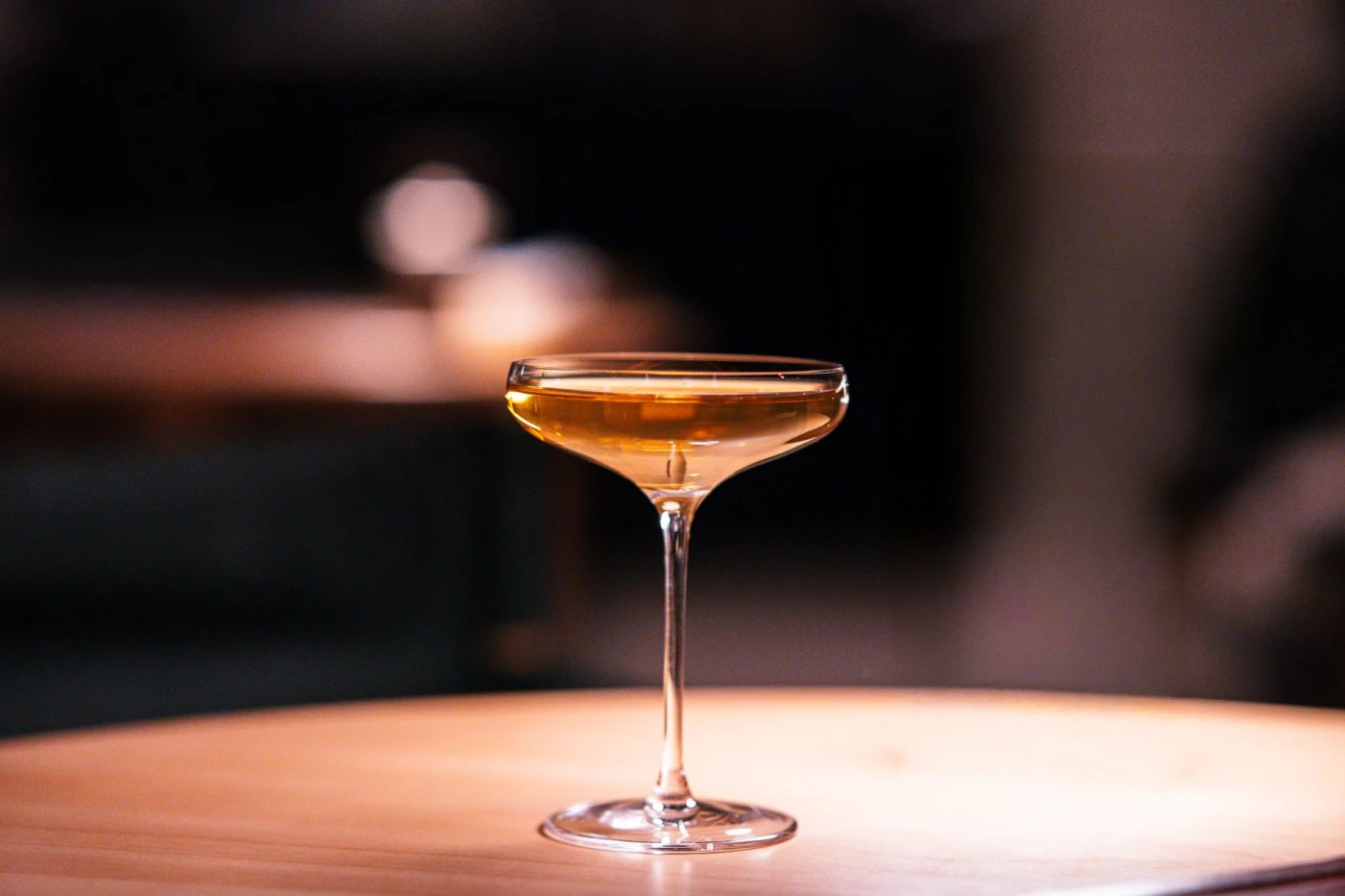
The Achilles Heel cocktail fits early evening better than the end of a heavy meal. Its apple and lemon wake up your palate, while berry and peach soften salty or gently spiced food. Serve it at 38–42°F (3–6°C) after shaking and let fresh ice hold that range.
For food, start with mature Cheddar, smoked Gouda or a British farmhouse cheese. Salt and savoury depth check the fruit without fighting the vodka's herbal character. Pork sausages, roast pork crostini and apple-glazed chicken also make intuitive partners. For a meat-free table, try sage-and-onion tartlets, toasted walnuts or mushroom pâté.
Avoid very sweet desserts. The combined sugar can make the drink feel flat. If you want a final course, choose sharp apple sorbet, lemon shortbread or a modest piece of dark chocolate. I would skip chilli-heavy wings too; alcohol and citrus can amplify their burn.
Seasonally, this is an excellent bridge drink. Cloudy apple and spice feel right at an autumn gathering or a UK Bonfire Night party, yet its shaken citrus works at a US spring brunch. For outdoor plans, prepare the spirit-and-juice base cold and use the safe transport ideas in our portable picnic drinks guide. Add lemon and shake only when serving.
One drink per guest is a sensible hosting plan, with water and food readily available. For evidence-based alcohol information, consult the US National Institute on Alcohol Abuse and Alcoholism or Drinkaware in the UK. Practise responsible drinking once the shaker comes out, and never drive after drinking.
Achilles Heel Quick Reference Cheat Sheet
Use this table when you want the Achilles Heel recipe without rereading every technique note. The UK figures are practical metric conversions rather than traditional imperial fluid ounces.
| Ingredient or detail | US measure | UK metric measure |
|---|---|---|
| Bison grass vodka | 2 oz | 60 ml |
| Black raspberry liqueur | 1/4 oz | 7.5 ml |
| Peach schnapps | 1/4 oz | 7.5 ml |
| Cloudy apple juice | 2 oz | 60 ml |
| Fresh lemon juice | 1/2 oz | 15 ml |
| Glass capacity | 10–12 oz | 300–350 ml |
| Shake time | 12–15 seconds | 12–15 seconds |
| Estimated finished strength | 13–15% ABV | 13–15% ABV |
Method: Shake every liquid ingredient with hard ice, then fine-strain over fresh ice in a chilled Collins glass. Garnish with a lemon-brushed apple fan and serve immediately.
Your exact ABV depends on the vodka, liqueurs and water added during shaking. The undiluted recipe is approximately 17–18% ABV when made with 40% ABV vodka and typical liqueurs; normal dilution lowers that figure. In the US, label details are governed through federal standards administered by the Alcohol and Tobacco Tax and Trade Bureau, so read the actual bottle rather than assuming every brand has the same proof.
If the first sip is too sweet, add 1/8 oz (about 4 ml) lemon. If it is too sharp, add 1/4 oz (7.5 ml) apple juice. Change one measurement, retaste and write it down. That small habit turns a lucky Achilles Heel cocktail into a repeatable house recipe.
The Achilles Heel cocktail rewards precision: herbal vodka, fresh apple, restrained liqueur and enough lemon to keep every sip alert. Once you have tasted the core recipe, adjust it to your juice and your palate rather than chasing sweetness. Before your next round, download the free home bar starter checklist so the right jigger, shaker, strainer and glassware are ready when friends arrive.
Ask AI about this article
Pick a prompt, copy it, or open ChatGPT with this article preloaded.
Frequently Asked Questions
What is an Achilles Heel cocktail?
The Achilles Heel cocktail is a modern, fruit-forward long drink based on bison grass vodka. A commonly published formula combines that herbal spirit with cloudy apple juice, lemon, black raspberry liqueur and peach schnapps. It tastes like crisp apple followed by berries, stone fruit and a dry, grassy finish. It is no.
How do you make an Achilles Heel cocktail?
Add 2 oz (60 ml) bison grass vodka, 1/4 oz (7.5 ml) black raspberry liqueur, 1/4 oz (7.5 ml) peach schnapps, 2 oz (60 ml) cloudy apple juice and 1/2 oz (15 ml) fresh lemon juice to an ice-filled shaker. Shake firmly for 12–15 seconds, then strain into a Collins glass filled with fresh ice. Garnish with a thin apple fan.
What is the best vodka for an Achilles Heel?
Żubrówka Bison Grass Vodka is the most recognisable choice because its grassy, vanilla-like spice makes the drink distinctive. Availability and flavour can vary between US and UK bottlings, so taste yours before mixing. If you cannot find it, use a clean 40% ABV vodka such as Ketel One and add one dash of aromatic bitt.
How strong is an Achilles Heel cocktail?
Using 40% ABV vodka and typical 15–20% ABV liqueurs, the mixture is roughly 17–18% ABV before shaking. Ice dilution generally brings the drink to approximately 13–15% ABV in the glass. That is comparable to a strong glass of wine, but the serving contains around 1.5 US standard drinks. Exact strength changes with bottl.
Why is my Achilles Heel cocktail too sweet?
Sweetened apple juice, oversized liqueur pours or bottled lemon juice are the usual causes. Choose cloudy, unsweetened apple juice and measure both liqueurs with a jigger. If the mixed drink still tastes heavy, increase fresh lemon by 1/8 oz (about 4 ml) or add 1/4 oz (7.5 ml) cold water. Do not keep adding vodka; that.
What glass and garnish suit an Achilles Heel?
A chilled 10–12 oz (300–350 ml) Collins or highball glass is ideal because it accommodates fresh ice while preserving the drink's aromas. Use a thin apple fan or single half-moon slice for garnish. Brush the cut surface with lemon juice to slow browning. A lemon twist also works, but avoid sugary rims and elaborate fru.
Comments 0
Login to Post comments