

Green Hosting: The Electric Cocktail Explained
Green Hosting is a vivid vodka, melon and lime cocktail with a crisp finish. Learn the exact recipe, smart substitutions and serving tricks.
Green Hosting is the electric-green cocktail to make when you want party energy without a complicated shopping list. Vodka provides a clean base, melon liqueur supplies the colour, and fresh lime prevents the whole thing from tasting like liquid sweets.
Is it a forgotten speakeasy classic? No. It is better understood as a modern house drink whose playful name suits spring parties, gaming nights and tech-themed events. The recipe is approachable, but accurate measuring matters. If you can shake a sour, you can make this.
For broader technique practice, start with these classic cocktails every home bartender should know. Then come back for the exact build, sensible substitutions and small details that turn a fluorescent novelty into a genuinely balanced drink.
What Is Green Hosting? A Modern House Cocktail
Green Hosting is a contemporary vodka cocktail built around green melon liqueur, lime, elderflower and a short soda finish. It sits somewhere between a vodka sour and a sparkling melon cooler: fruit-forward, tart enough to stay lively and visually impossible to miss.
There is no well-established historical recipe bearing this name in the recognised classic cocktail canon. That distinction matters. Calling it a Prohibition drink or attributing it to a famous bartender would create a story the available evidence does not support. Instead, treat Green Hosting as a flexible house recipe designed for modern home entertaining.
The drink's closest relatives are the colourful vodka and melon cocktails that became especially visible during the late twentieth century. Its flavour is also familiar if you remember the bright drinks of that era; our look at 1990s drinks and where they are now provides useful cultural context without pretending every green cocktail shares one origin.
Here's the thing: colour gets attention, but balance earns a second sip. Midori, commonly sold at 20% ABV, brings the signature green tone and a sweet melon profile. A 40% ABV vodka adds structure, while fresh lime contributes acidity. Elderflower liqueur rounds the edges with floral fruit, and soda opens the mixture.
The finished Green Hosting should smell of lime oils and cucumber, taste melon-forward but crisp, and finish cleaner than its colour suggests. Expect a bright chartreuse green rather than an opaque emerald. If it looks radioactive yet drinks like a composed sour, you have nailed the brief. This is easily one of the best ways to make a theatrical green drink without relying on cream, sugary schnapps stacks or multiple artificial syrups.
Green Hosting Ingredients You Actually Need
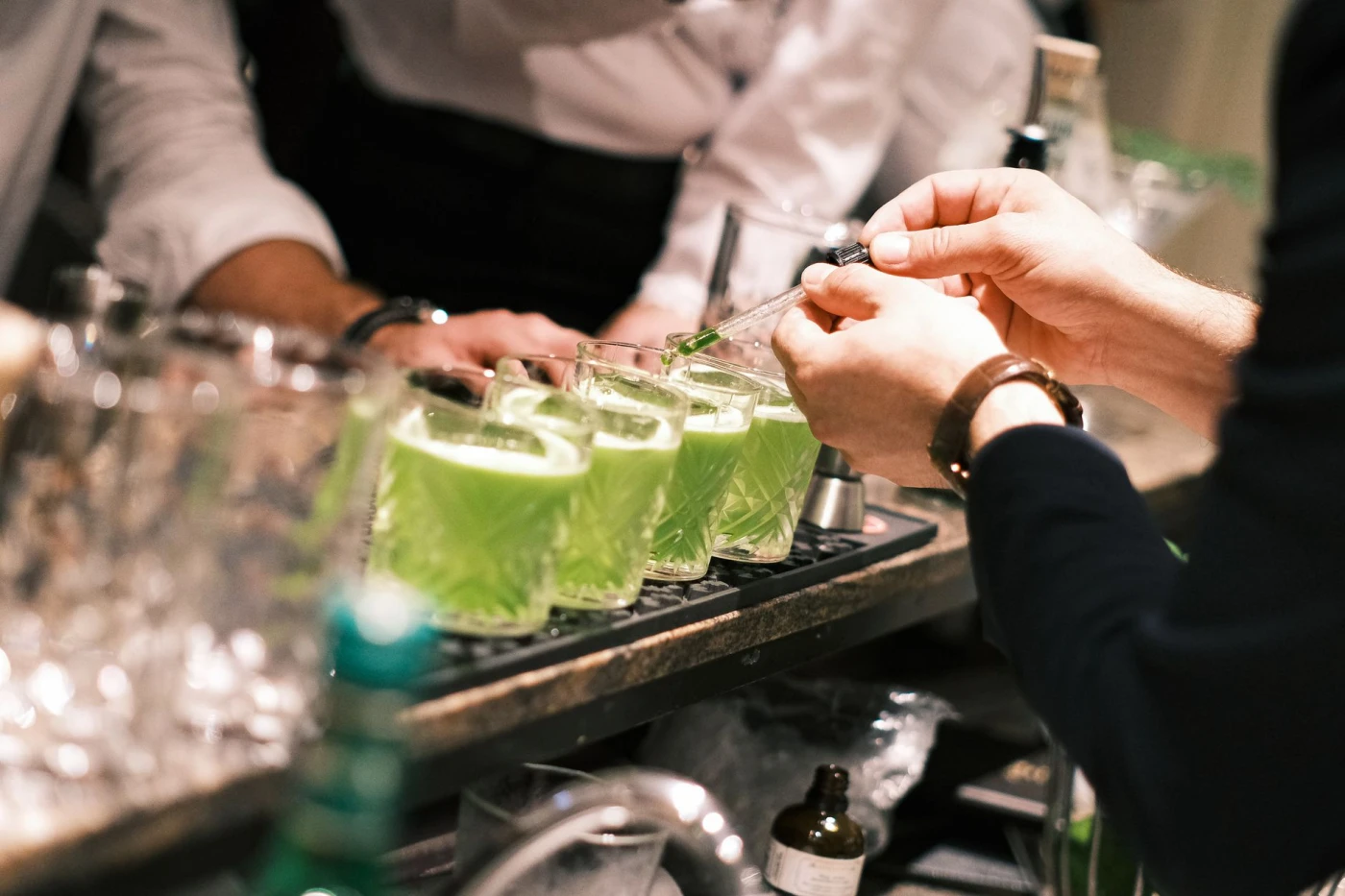
The Green Hosting recipe uses five liquids plus a fresh garnish. Measure them. Free-pouring a strongly coloured liqueur makes it difficult to judge quantity by sight, and an extra half-ounce can turn a crisp cocktail into melon syrup.
- 1 1/2 oz (45 ml) 40% ABV vodka — Tito's Handmade Vodka, Absolut or a reliable unflavoured house vodka
- 3/4 oz (22 ml) green melon liqueur — Midori is the most consistent choice
- 3/4 oz (22 ml) freshly squeezed lime juice
- 1/2 oz (15 ml) elderflower liqueur — St‑Germain or Edinburgh Elderflower Liqueur
- 1/2 oz (15 ml) chilled soda water
- 1 thin cucumber ribbon and one lime peel for garnish
- Plenty of firm ice for shaking
In my experience, Midori gives the best green colour because it stays vivid after lime, vodka and dilution enter the glass. Bols Melon can work at the same measure, although you should taste and adjust because brands differ. Green Chartreuse is not a straight replacement: at 55% ABV, it is much stronger, distinctly herbal and usually substantially more expensive.
Approximate retail prices vary by state, country and bottle size, but standard vodka may cost about $18–$28 in the US or £17–£25 in the UK. Midori often sits near $22–$30 or £19–£26. St‑Germain is commonly the premium purchase, around $32–$40 or £25–£35. These are planning ranges, not guaranteed shelf prices.
Fresh lime is non-negotiable. I'd skip sweetened lime cordial because both liqueurs already contribute sugar. If you prefer a leaner drink, reduce elderflower to 1/4 oz (7 ml); for a softer highball, increase soda to 1 1/2 oz (45 ml). Fans of quick builds may also enjoy these five-minute vodka cocktails.
How to Make Green Hosting Step by Step

Green Hosting rewards a simple sour-style shake. Your priorities are temperature, dilution and preserving the soda's bubbles. Chill the coupe before you begin; ten minutes in a freezer is ideal, or fill it with ice and water while measuring.
- Prepare the garnish. Cut a long, thin cucumber ribbon with a vegetable peeler. Express a narrow lime peel over the empty chilled glass, then set both aside.
- Measure the base. Add 1 1/2 oz (45 ml) vodka, 3/4 oz (22 ml) melon liqueur, 3/4 oz (22 ml) fresh lime juice and 1/2 oz (15 ml) elderflower liqueur to a shaker.
- Add cold ice. Fill the shaker about three-quarters full with hard cubes. Small wet fragments dilute too quickly.
- Shake firmly. Seal the shaker and shake for 12–15 seconds. Stop when the outside becomes thoroughly frosted and painfully cold, ideally taking the liquid close to 32–36°F (0–2°C).
- Strain. Discard any chilling ice from the coupe. Fine-strain the cocktail to catch lime pulp and broken ice.
- Finish gently. Add 1/2 oz (15 ml) chilled soda water down the inside of the glass. Give it one brief lift with a bar spoon; aggressive stirring kills carbonation.
- Garnish and serve. Curl the cucumber inside the glass or clip it to the rim, then add the lime peel.
After testing different sequences, I found that shaking soda with the other ingredients produces a flat drink and can pressurise the shaker. Add it last. Fine-straining also gives Green Hosting a cleaner texture and sharper appearance, although a standard Hawthorne strain is acceptable when speed matters.
Serve immediately. If you need drinks for a crowd, pre-batch everything except lime, soda and ice, then follow the same assembly line. For another unfussy citrus-and-vodka build, compare the technique with our Madras cocktail recipe.
Green Hosting Pro Tips From Behind the Shaker
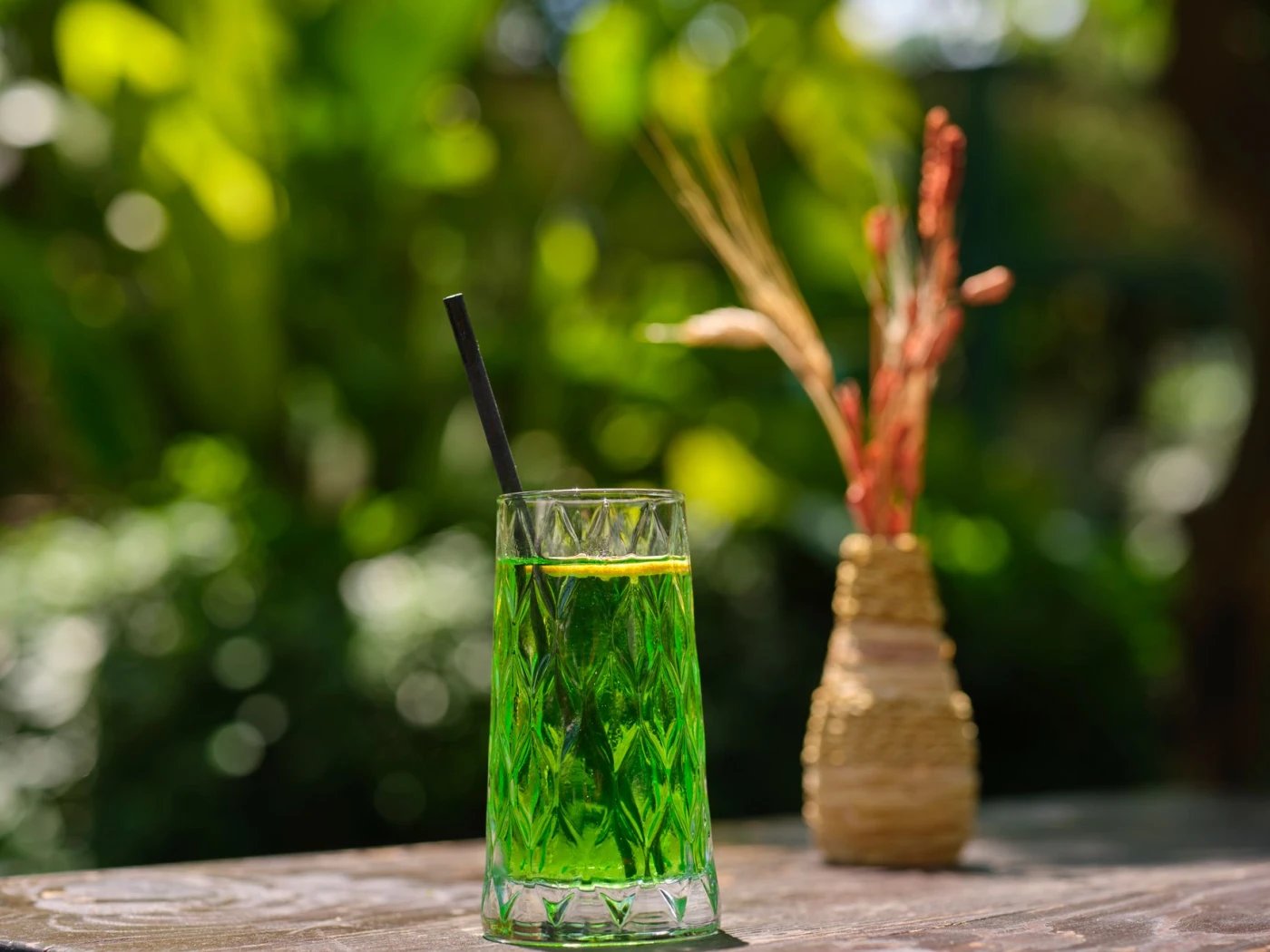
In my experience, the best Green Hosting begins with restraint. Melon liqueur is loud. Keep it at 3/4 oz (22 ml), then let lime and temperature make the cocktail feel brighter rather than piling on more sugar.
Control your lime. Citrus changes with season, variety and storage. Taste the juice before mixing. A very sharp winter lime may need 1 teaspoon (5 ml) of simple syrup; a soft, ripe lime may need an extra teaspoon of juice. Make that decision by tasting, not by habit.
Use dense ice. Clear one-inch cubes chill predictably and shed fewer fragments than half-melted freezer ice. After testing Green Hosting with both, the dense cubes produced a cleaner aroma and kept the melon from becoming watery. Shake until the tin frosts, but do not chase an arbitrary marathon shake.
Choose a neutral vodka. Tito's at 40% ABV provides a round corn-based foundation, while Absolut at 40% ABV can feel slightly firmer. Either works. I'd skip vanilla, citrus or whipped-cream vodka because the added flavour blurs the lime and elderflower.
Chill every finishing component. Keep soda near 38°F (3°C). Warm soda melts more ice in a highball and releases carbon dioxide quickly. Open a small fresh bottle or can rather than using yesterday's nearly flat litre bottle.
Make the garnish earn its place. Cucumber reinforces freshness without adding sugar. Expressing lime peel over the glass deposits aromatic oils at nose level. Avoid mint unless you want it to become a central flavour.
Want a lower-impact evening? Reduce vodka to 1 oz (30 ml), increase soda to 2 oz (60 ml), and serve tall over ice. You can find further inspiration in these low-alcohol cocktail recipes. Bottle-label rules and spirits information are overseen in the US by the Alcohol and Tobacco Tax and Trade Bureau.
Green Hosting Variations Worth Trying
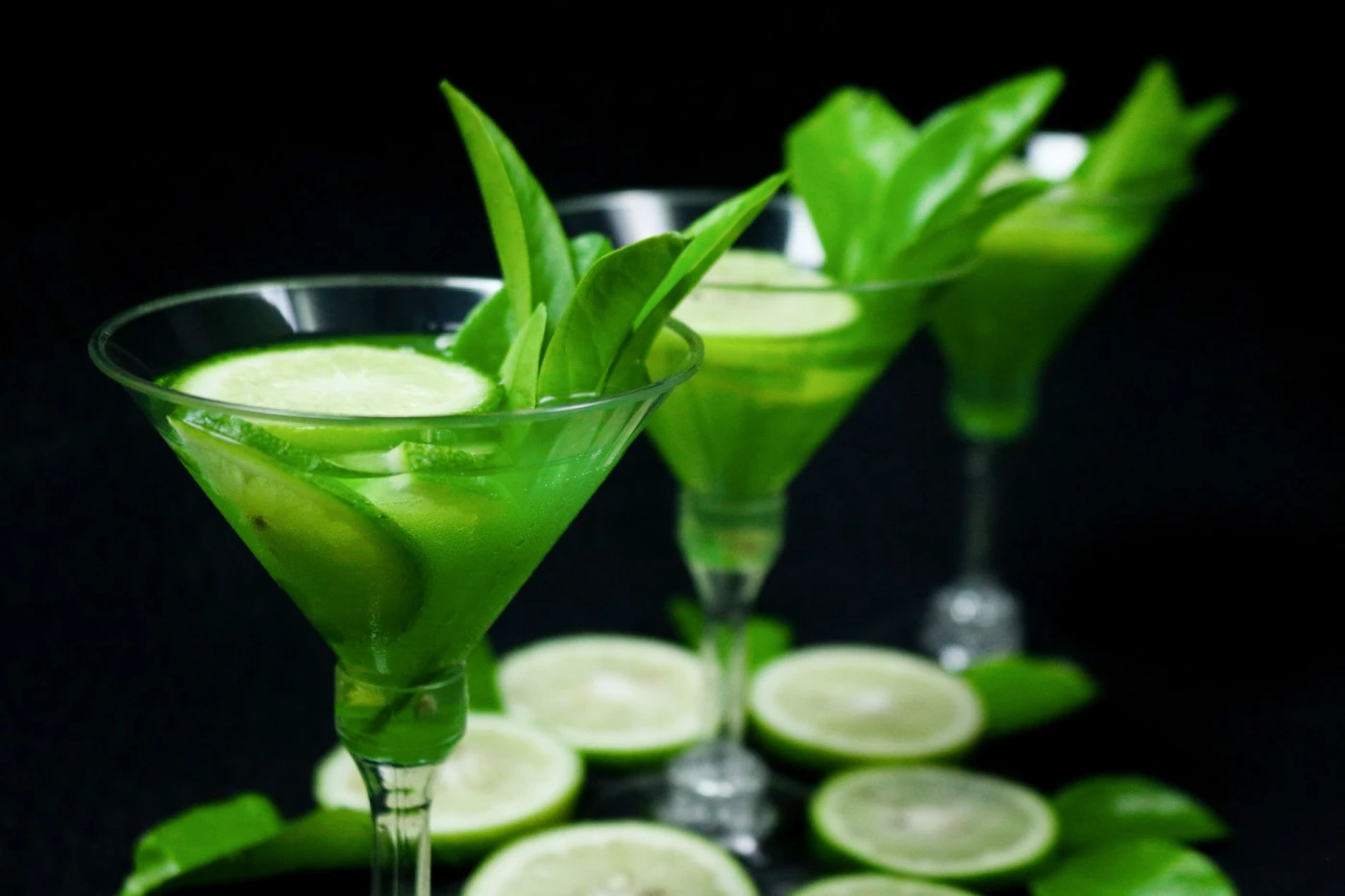
Once you understand the sweet-acid structure, Green Hosting is easy to customise. Keep fresh lime in every version and change one major variable at a time. That way, you can tell what improved the drink.
The Garden Highball
- 1 oz (30 ml) vodka
- 1/2 oz (15 ml) green melon liqueur
- 3/4 oz (22 ml) lime juice
- 2 1/2 oz (75 ml) soda water
- 3 cucumber slices
Muddle cucumber lightly, shake the first three liquids, then strain over fresh ice and add soda. It is longer, cooler and better suited to a summer barbecue.
The Green Gin Host
- 1 1/2 oz (45 ml) London dry gin
- 1/2 oz (15 ml) melon liqueur
- 3/4 oz (22 ml) lime juice
- 1/2 oz (15 ml) elderflower liqueur
Use Beefeater or Tanqueray, both commonly bottled around 40–43.1% ABV depending on market. Juniper creates a drier, more botanical finish.
The Spicy Server
- 1 1/2 oz (45 ml) vodka
- 3/4 oz (22 ml) melon liqueur
- 3/4 oz (22 ml) lime juice
- 1/4 oz (7 ml) agave syrup
- 2 thin jalapeño coins
Shake without elderflower, double-strain and add 1 oz (30 ml) soda. Start with two pepper slices; capsaicin strength varies dramatically.
The Zero-Proof Green Room
- 1 1/2 oz (45 ml) alcohol-free botanical spirit
- 3/4 oz (22 ml) melon syrup
- 1 oz (30 ml) lime juice
- 2 oz (60 ml) soda water
Choose an unsweetened spirit such as Seedlip Garden 108, then adjust syrup cautiously. The result is not identical, but it preserves the garden-fruit idea.
For travel, picnics or festival weekends, adapt the highball and consult these portable make-ahead picnic drinks. Never seal a carbonated variation in a fully loaded shaker.
Common Green Hosting Mistakes and Easy Fixes
Let's be honest: an intensely green cocktail can hide sloppy technique for about five seconds. Then someone tastes it. These are the mistakes that most often push Green Hosting from playful to cloying.
Using sweetened lime cordial. Cordial adds more sugar and cooked citrus flavour. Fix it with freshly squeezed lime juice. If cordial is your only option, reduce melon liqueur to 1/2 oz (15 ml), omit elderflower and adjust cautiously.
Free-pouring the melon liqueur. Its colour makes a small overpour look harmless, but the added sweetness is obvious on the palate. Use a jigger with 1/4 oz or 5 ml markings. Accuracy matters more than flair here.
Substituting Green Chartreuse measure for measure. Chartreuse is herbal, potent and traditionally bottled at 55% ABV for the green expression. It does not behave like 20% ABV melon liqueur. For an experimental version, begin with only 1/4 oz (7 ml), reduce elderflower and expect a completely different drink.
Shaking the soda. This removes carbonation and may force a shaker seal apart. Shake the still ingredients, strain, then add cold soda. Easy.
Serving Green Hosting warm. Sweetness becomes more obvious as temperature rises. Chill the glass, use solid ice and serve near 36–40°F (2–4°C). For an outdoor event, keep the pre-batched base in an ice-filled cooler.
Ignoring dilution. A timid five-second shake leaves a hot, dense drink; a prolonged shake with wet ice leaves green water. Twelve to fifteen seconds with firm cubes is the dependable middle ground.
Assuming colour equals flavour. Extra food dye will not repair a weak recipe. If your liqueur produces a pale cocktail, accept a subtler shade or use one drop only. Focus first on fresh citrus and balance. Beginners developing that instinct can compare other forgiving templates in our guide to the best whiskey cocktails for beginners.
Food Pairings and the Best Occasions to Serve It
Green Hosting works best where its colour feels intentional: spring garden parties, St Patrick's Day gatherings, Halloween menus, launch events or a neon-themed New Year's Eve. It also makes a fun welcome drink because guests recognise the melon aroma immediately. Serve smaller coupes before dinner or taller, lighter highballs during an afternoon event.
For food, look for salt, heat and fresh herbs. The cocktail's sweetness cools chilli, while lime cuts through fried textures. Try it with jalapeño poppers, Thai-style chicken skewers, fish tacos, salt-and-pepper squid or tortilla chips with tomatillo salsa. A 2 oz (60 ml) portion of sharp goat's cheese with cucumber crackers is an easy vegetarian pairing.
Sushi can work, especially avocado rolls, cucumber maki and lightly seared salmon. Avoid pairing Green Hosting with very sweet teriyaki sauce; melon liqueur plus sugary glaze becomes tiring. I'd also skip rich chocolate desserts. Choose lime sorbet, fresh pineapple or a small coconut panna cotta instead.
Hosting in Britain? Mini crab cakes, chilli prawns and crisp vegetable pakoras suit the drink better than heavy pies. In the US, spicy chicken sliders and grilled shrimp are easy crowd options. Keep appetisers bite-sized so guests can hold a glass comfortably.
One serving made to the standard recipe contains about 0.85 fl oz (25 ml) pure alcohol before accounting for remnants left in the shaker. That is approximately 1.4 US standard drinks and 2.5 UK units, although exact values depend on the bottles used. Check every label because products and market bottlings differ.
For responsible drinking, offer water and alcohol-free options, serve food, and never pressure guests to refill. Evidence-based alcohol information is available from the US National Institute on Alcohol Abuse and Alcoholism and Drinkaware in the UK. A celebratory colour does not make the alcohol disappear.
Green Hosting Quick Reference Cheat Sheet
Use this table when you are mixing rather than scrolling through the full method. The UK figures are practical bar measures rounded to the nearest useful millilitre, so they will not always be mathematically identical to US fluid ounces.
| Component | US measure | UK metric measure | Purpose |
|---|---|---|---|
| Vodka, 40% ABV | 1 1/2 oz | 45 ml | Clean alcoholic base |
| Green melon liqueur | 3/4 oz | 22 ml | Colour, melon and sweetness |
| Fresh lime juice | 3/4 oz | 22 ml | Acidity and freshness |
| Elderflower liqueur | 1/2 oz | 15 ml | Floral depth |
| Chilled soda water | 1/2 oz | 15 ml | Lift and carbonation |
| Shake time | 12–15 seconds | 12–15 seconds | Chilling and dilution |
| Serving temperature | 36–40°F | 2–4°C | Brightest, cleanest flavour |
| Estimated finished strength | 17–19% ABV | 17–19% ABV | Varies with dilution |
Fast build: Shake vodka, melon liqueur, lime and elderflower with firm ice. Fine-strain into a chilled coupe, add soda, then garnish with cucumber and expressed lime peel. The active work takes about three minutes.
For six Green Hosting cocktails, pre-batch 9 oz (270 ml) vodka, 4 1/2 oz (132 ml) melon liqueur and 3 oz (90 ml) elderflower liqueur. Chill the sealed mixture below 40°F (4°C). Add 4 1/2 oz (132 ml) fresh lime shortly before service, then shake individual portions and top each with soda. Do not add ice or carbonation to the storage bottle.
The key test is taste, not colour: crisp lime first, rounded melon second, gentle elderflower on the finish. If your drink is too sweet, add 1 teaspoon (5 ml) lime. If too sharp, add 1 teaspoon (5 ml) syrup. Keep those adjustments small.
How to Prepare Green Hosting Ahead of Time
Good preparation makes Green Hosting especially practical for parties. Juice the limes no more than a few hours before guests arrive, strain out seeds and coarse pulp, and refrigerate the juice in a sealed container. Cut cucumber ribbons shortly before service and keep them between lightly damp paper towels so they stay flexible without becoming waterlogged.
Set up a simple mixing station with a labelled bottle of the noncarbonated base, a jigger, shaker, fresh ice, chilled glasses and unopened soda. One standard drink requires 2 3/4 oz (82 ml) of the vodka, melon and elderflower mixture before lime is added. Marking that level on a small measuring cup speeds service while preserving the recipe's balance.
If you prepare six or more cocktails, work in manageable rounds rather than overfilling the shaker. Two servings usually fit comfortably in a standard large tin and still leave enough room for ice to move. Replace softened ice between rounds, wipe sticky liqueur from the station and open soda only when needed. These small habits keep every Green Hosting cold, lively and consistent from the first glass to the last.
Green Hosting proves that a dramatic drink can still be measured, balanced and genuinely refreshing. Stock the five essentials, chill everything well and taste your lime before shaking. If you are building out your tools and bottles, download our free home bar starter checklist before your next gathering.
Ask AI about this article
Pick a prompt, copy it, or open ChatGPT with this article preloaded.
Frequently Asked Questions
What is a Green Hosting cocktail?
Green Hosting is a modern house-style cocktail rather than a documented historic classic. This version combines vodka, green melon liqueur, fresh lime, elderflower liqueur and soda. The result is bright green, lightly floral and sweet-tart, with enough carbonation to keep it refreshing. Its accessible flavour makes it.
What makes Green Hosting green?
Green melon liqueur supplies most of the colour. Midori is the easiest widely available option because its vivid hue remains noticeable after vodka, lime and ice dilution are added. A naturally coloured melon liqueur may create a paler or more olive-toned drink. You do not need extra food colouring, although a single d.
What is the best green ingredient for Green Hosting?
For repeatable colour and flavour, Midori is the practical choice. It is typically bottled at 20% ABV and contributes a recognisable sweet melon note. Bols Melon offers a useful alternative and can taste slightly different depending on the market. Green Chartreuse is considerably stronger, more herbal and more expensiv.
How strong is a Green Hosting cocktail?
Using 40% ABV vodka and 20% ABV melon and elderflower liqueurs, the measured ingredients contain roughly 0.85 US fluid ounces or 25 ml of pure alcohol. After shaking dilution and soda, the drink generally lands around 17–19% ABV. Actual strength changes with brands, ice and pour accuracy, so measure every ingredient in.
Why did my Green Hosting cocktail taste too sweet?
The usual causes are bottled lime cordial, an oversized melon pour or insufficient dilution. Use unsweetened fresh lime juice, measure the liqueurs and shake hard with cold ice for 12–15 seconds. If the finished drink still tastes sugary, add 1/4 oz or 7 ml lime juice or another 1/2 oz or 15 ml soda rather than adding.
What glass and garnish should I use?
A chilled coupe gives Green Hosting a polished, compact presentation, while an ice-filled highball makes it longer and lighter. A thin cucumber ribbon or expressed lime peel complements the drink without increasing sweetness. Avoid heavy candy garnishes because they distract from the melon-lime balance. For outdoor ser.
Comments 0
Login to Post comments