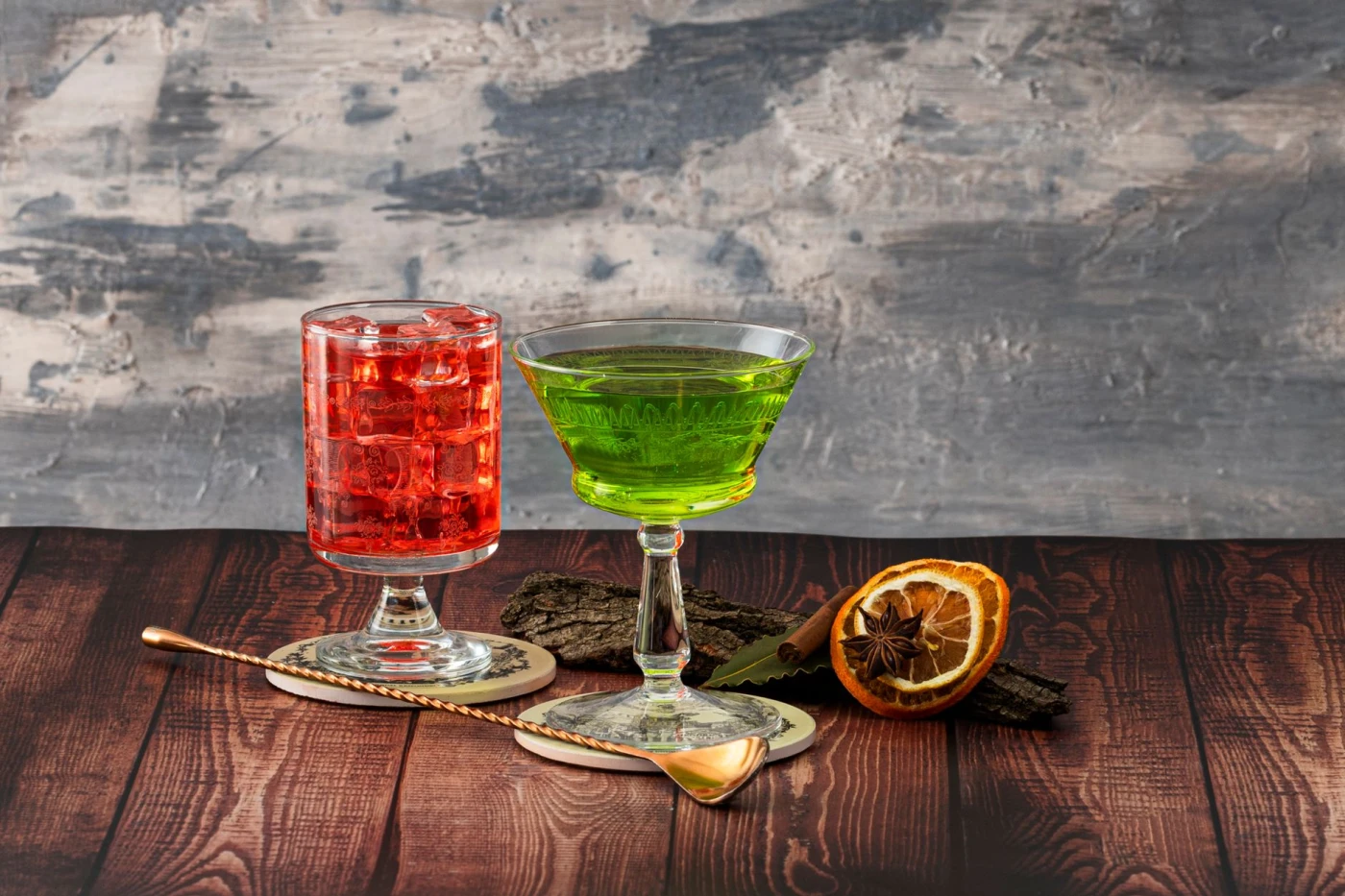

Absinthe Suisesse: The Creamy Green Classic
Meet the Absinthe Suisesse, a chilled New Orleans classic where aromatic absinthe, almond, cream and egg white become unexpectedly light and silky.
Absinthe Suisesse sounds formidable, yet the first sip is more silk than fire: cool almond, soft cream and anise beneath a snowy cap. This New Orleans classic turns one of the bar’s most intense spirits into a surprisingly graceful drink.
Here’s the thing: you do not need an absinthe fountain or professional shaker technique. You need accurate measures, genuinely cold ingredients and the patience to shake twice. The recipe below uses 1 oz (30 ml) absinthe, making it approachable without sanding away its personality. If you are building your classic repertoire, it belongs beside these essential home-bartender cocktails.
What Is Absinthe Suisesse? History in the Glass
An Absinthe Suisesse is a cold, frothy cocktail built around absinthe, almond syrup and a creamy element. Egg white supplies the fine foam; water and vigorous shaking open the spirit’s anise, fennel and wormwood aromas. Think of it as an absinthe drink dressed in the textural language of a breakfast cocktail.
The cocktail is closely associated with New Orleans, where French drinking customs and locally developed bar traditions have long overlapped. Historical formulas vary considerably. Some use milk, some cream, some generous quantities of absinthe, and others call for an absinthe substitute. Because early recipes and later restaurant versions differ, claims about one definitive inventor should be treated cautiously.
The name points toward Switzerland, a country central to absinthe’s story, rather than proving that the mixed drink itself was invented there. “Suisesse” roughly signals a Swiss-style association. New Orleans, however, is where the cocktail gained its enduring cultural identity, including a reputation as a restorative morning drink. Let’s be honest: its old “pick-me-up” image is historical colour, not medical advice.
Absinthe itself is a high-proof botanical spirit, commonly bottled between 45% and 74% ABV (90–148 proof). In the United States, products labelled absinthe must satisfy federal policy concerning thujone; the TTB explains its absinthe labelling position. Modern legal absinthe is not a hallucinogen.
Unlike a Sazerac’s light rinse, Absinthe Suisesse makes the spirit the centre of the drink. Yet orgeat and dairy round its sharp edges. This is easily one of the best gateways for anise-curious drinkers—provided you enjoy liquorice-like flavours at all.
Absinthe Suisesse Ingredients You Need
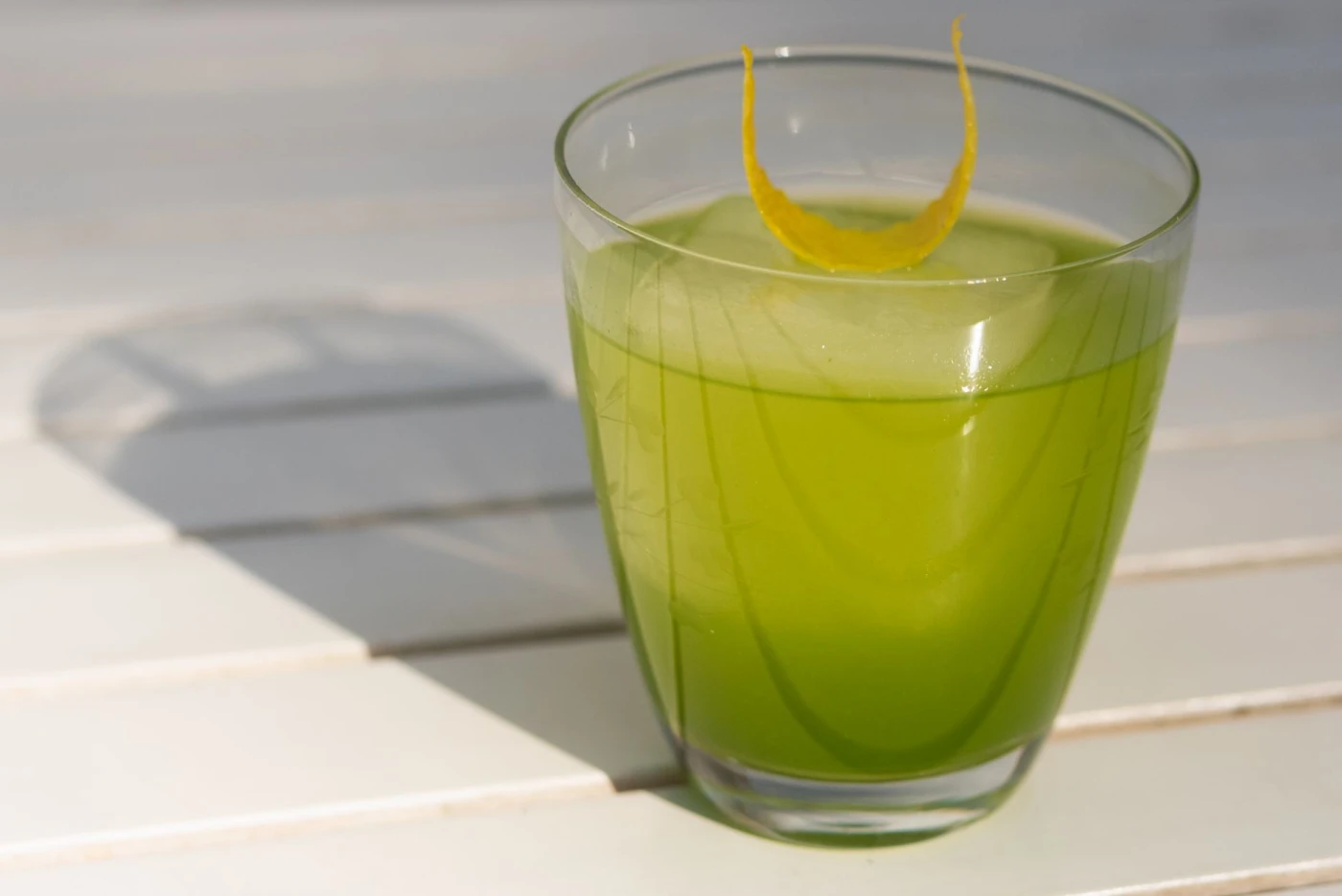
This house recipe makes one balanced Absinthe Suisesse. It is creamy but not heavy, and the smaller absinthe measure keeps the drink within familiar cocktail territory. Chill the water, cream and glass before starting.
- 1 oz (30 ml) absinthe, preferably 53–68% ABV
- 1/2 oz (15 ml) quality orgeat
- 1/2 oz (15 ml) double or heavy cream
- 1 fresh egg white, about 1 oz (30 ml), or pasteurised equivalent
- 1 oz (30 ml) chilled still water
- 2 drops orange-flower water, approximately 0.04 oz (1 ml) maximum
- 1 cup hard ice, about 5–6 oz (140–170 g), for shaking
- Freshly grated nutmeg, optional garnish
What is the best absinthe? Pernod Absinthe at 68% ABV gives a forceful anise-led profile. St. George Absinthe Verte, 60% ABV, is drier and more herbaceous. La Clandestine, typically 53% ABV, offers a gentler Swiss blanche expression without green colouring. At publication, credible 700–750 ml bottles often occupy roughly the $35–$80 US or £35–£70 UK range, although local taxes, bottle sizes and availability move those prices substantially.
Avoid products marketed mainly through fluorescent colour or novelty effects. Read the label. A credible bottle should taste botanically layered when diluted, not merely hot and sugary. I'd skip the most expensive collector’s bottle for mixing; a sound mid-range absinthe provides better value.
Orgeat varies too. Liber & Co. is rich and nut-forward, while Monin is widely available and sweeter. If yours tastes like liquid marzipan, begin with 3/8 oz (11 ml). For comparison, readers exploring faster builds can browse these quick vodka cocktails, but the Absinthe Suisesse rewards its extra shaking time.
How to Make an Absinthe Suisesse Step by Step
Set aside three minutes. The sequence matters because egg white foams more efficiently before ice chills and dilutes the mixture.
- Chill the glass. Place a 5–6 oz (150–180 ml) coupe or small wine glass in the freezer for 10 minutes, or fill it with ice water while you mix.
- Measure the base. Add 1 oz (30 ml) absinthe, 1/2 oz (15 ml) orgeat, 1/2 oz (15 ml) cream and 1 oz (30 ml) chilled water to a clean shaker.
- Add the foam. Separate one cold egg, taking care that no yolk enters the shaker. Add the white and two drops of orange-flower water.
- Dry-shake. Seal the shaker and shake without ice for 15 seconds. Hold both halves firmly; warm air expands and can loosen the seal.
- Shake cold. Add 5–6 large, hard ice cubes. Shake sharply for another 12–15 seconds, until the tin becomes painfully cold and reaches roughly 25–30°F (-4 to -1°C) outside.
- Strain. Empty the chilled glass, then double-strain through the shaker’s strainer and a fine mesh sieve. Pour steadily to preserve the foam.
- Finish and serve. Wait 20 seconds for the white cap to settle. Add the faintest dusting of nutmeg, if desired, and serve immediately without a straw.
After testing short and long shakes, I found that 15 seconds dry plus roughly 13 seconds with ice creates the best compromise between fine foam and controlled dilution. A one-stage shake works, but its bubbles are coarser.
No egg white? Use 3/4 oz (22 ml) aquafaba and dry-shake for 20 seconds. The aroma is slightly different, but the texture is convincing. If measured, repeatable technique appeals to you, the builds in our beginner whiskey cocktail guide follow the same home-bar logic.
Pro Tips for a Better Absinthe Suisesse
Start colder than seems necessary. In my experience, a freezer-chilled coupe and cream held near 38°F (3°C) make the finished Absinthe Suisesse feel lighter. Warm cream exaggerates richness, while soft, wet ice causes rapid dilution before proper aeration develops.
Taste your absinthe diluted before committing it to the shaker. Mix one part spirit with three parts cold water. If it remains fiercely alcoholic, use 3/4 oz (22 ml) in the cocktail; if it opens into layered fennel, mint and spice, the full 1 oz (30 ml) should work beautifully.
After testing several orgeats, I prefer a nut-forward syrup with restrained sweetness. The goal is not to turn absinthe into almond pudding. Begin at 1/2 oz (15 ml), then adjust future servings by teaspoons—about 0.17 oz (5 ml)—rather than making wild changes.
Control the perfume. Orange-flower water is potent. Two drops can lift the aroma; 1/4 teaspoon can make the glass smell like soap. Nutmeg should be equally restrained. Grate it from 8–10 inches (20–25 cm) above the foam so only a few flecks land.
Fresh shell eggs produce excellent foam, but pasteurised egg white is the simpler choice for pregnant guests, older adults or anyone with a compromised immune system. Aquafaba is useful for vegan guests. Never assume dietary preferences—ask.
I also recommend double-straining. It catches ice shards and the occasional strand of chalaza while refining the head. A Hawthorne strainer alone makes a more rustic drink, not an undrinkable one.
Finally, make each Absinthe Suisesse individually. Scaling four servings in one ordinary shaker leaves too little room for aeration. For a lower-strength gathering, offer alternatives from our low-alcohol cocktail collection alongside it. Choice is good hosting.
Absinthe Suisesse Variations Worth Trying
Once you understand the standard build, small changes can move the Absinthe Suisesse from brunch to dessert without erasing its identity. Keep the total sweetener modest and use the same dry-then-wet shaking method.
Swiss Blanche Suisesse
- 1 oz (30 ml) blanche absinthe
- 1/2 oz (15 ml) orgeat
- 1/2 oz (15 ml) cream
- 1 egg white and 1 oz (30 ml) water
A colourless absinthe such as La Clandestine makes a bright, alpine variation. Expect cleaner anise and less of the deep herbal impression associated with some verte bottlings.
Coffee Suisesse
- 1 oz (30 ml) absinthe
- 1/4 oz (7.5 ml) orgeat
- 1/4 oz (7.5 ml) coffee liqueur
- 1/2 oz (15 ml) cream, 1 egg white and 1 oz (30 ml) water
This is a dessert drink. Use a drier coffee liqueur and garnish with nutmeg, never a mound of chocolate syrup.
Dairy-Free Suisesse
- 1 oz (30 ml) absinthe
- 1/2 oz (15 ml) orgeat
- 1/2 oz (15 ml) unsweetened oat cream
- 3/4 oz (22 ml) aquafaba and 1 oz (30 ml) water
Oat cream behaves more predictably than thin almond milk. Check the orgeat label too; nut allergies still matter.
Herbsaint-Style Variation
- 3/4 oz (22 ml) Herbsaint
- 3/8 oz (11 ml) orgeat
- 1/2 oz (15 ml) cream
- 1 egg white and 1 oz (30 ml) water
This tastes sweeter and less wormwood-driven than a true Absinthe Suisesse, but its New Orleans connection is meaningful. Reduce the syrup before adding more spirit.
For playful party contrast, serve one of these beside a retro selection from our look at 1990s drinks. The styles are decades apart, which makes the comparison surprisingly fun.
Common Absinthe Suisesse Mistakes to Avoid
The most common mistake is treating absinthe like an ordinary 40% ABV spirit. Many bottles sit at 60–68% ABV (120–136 proof), so an oversized free-pour can overwhelm the almond, cream and water. Measure with a jigger. This drink rewards precision.
Using too much orgeat comes next. Sweetness can hide heat temporarily, but it also flattens the botanical detail that makes Absinthe Suisesse interesting. If your syrup is especially rich, reduce it from 1/2 oz (15 ml) to 3/8 oz (11 ml).
Do not add citrus casually. Lemon may sound refreshing, but acid can split dairy and create an unpleasant grainy texture. If you want brightness, use one additional drop of orange-flower water or express a lemon peel above the drink and discard it.
Skipping the dry shake produces a thin head with large bubbles. Conversely, shaking endlessly with melting ice makes the cocktail watery. Aim for 15 seconds without ice and 12–15 seconds with dense cubes. Crushed ice belongs in some historical presentations, but it behaves differently from the coupe recipe here.
In my experience, over-garnishing causes more damage than under-garnishing. Heavy nutmeg masks the absinthe; an orange wedge makes the glass awkward; mint can shift the aroma entirely. A few nutmeg specks—or no garnish—is enough.
Another error is making several servings too early. Egg-white foam deteriorates, dairy warms and the drink separates. Prepare it to order. If you need a make-ahead option for an outdoor event, choose one of these portable picnic drinks instead.
Finally, never shake carbonated water in a sealed tin. If you want sparkle, top the strained drink with no more than 1/2 oz (15 ml) chilled soda. Pressure is not a technique. It is a mess waiting to happen.
How an Absinthe Suisesse Should Taste and Look
A properly made Absinthe Suisesse gives you several useful clues before you even taste it. The drink should be pale and opaque, usually white with a faint green or ivory cast determined by the absinthe and orgeat. Its foam ought to form a smooth cap rather than a mound of dry, oversized bubbles. After a minute, the liquid and foam may become more distinct, but the cocktail should not immediately collapse into watery layers.
Bring the glass close before sipping. The first aroma should combine anise, fennel and almond, with orange blossom appearing as a light floral accent. Cream and egg white contribute relatively little fragrance of their own. If nutmeg dominates from arm’s length, too much garnish has been used. A strong sulphurous smell can indicate an unsuitable egg or an overly warm drink; start again rather than trying to disguise it.
The first sip should feel cool, aerated and satin-like. Orgeat and cream soften the initial alcohol, but the absinthe must remain recognisable. Expect almond sweetness at the front, followed by anise and fennel through the middle and a gently bitter, herbal finish. The drink should be rich enough to coat the palate briefly without feeling as dense as a milkshake.
If the finished cocktail tastes hot, first check the absinthe measure and bottle strength. Another 1/4 oz (7.5 ml) of chilled water can help when using a particularly powerful spirit, although it is better to adjust the next serving before shaking. If it tastes flat, reduce the orgeat slightly instead of automatically adding more absinthe. Excess sweetness often hides botanical detail more effectively than dilution does.
Texture offers another diagnostic tool. Large bubbles usually mean the dry shake was too short, while a thin, loose drink often points to wet ice or excessive shaking after ice was added. A greasy shaker, traces of egg yolk or residue in the glass can also weaken the foam. Wash equipment thoroughly, rinse away detergent and dry it before the next attempt.
Finally, judge the drink while it is fresh. Ten warm minutes can make a well-built Absinthe Suisesse seem heavy and separated. Serve it as soon as the foam settles, invite guests to smell it before drinking and use the balance of aroma, sweetness, temperature and texture—not foam height alone—as the measure of success.
Pairings and Occasions for Absinthe Suisesse
Absinthe Suisesse is traditionally at home around brunch, but its richness makes it better as a deliberate small course than an all-purpose breakfast drink. Serve it after coffee and before the main plate, ideally in a modest 5–6 oz (150–180 ml) glass.
For savoury food, pair it with crab cakes, smoked trout on rye, oysters, cheese gougères or a mushroom tart. Salt and crisp pastry interrupt the creamy texture, while herbs and seafood echo the absinthe without competing with it. I'd skip a heavily chilli-spiced dish; intense heat can make high-proof botanical flavours seem sharper.
At dessert, choose restraint. Pear tart, almond biscuits, vanilla panna cotta and dark chocolate truffles all work. A very sweet frosted cake does not. The orgeat already supplies almond sweetness, so the accompanying dish should contribute contrast rather than more sugar.
Seasonally, the cocktail crosses boundaries. Its chilled foam suits a humid New Orleans-style summer evening, while anise, almond and nutmeg feel natural at Christmas or a winter dinner party in Britain. It is also a strong thematic choice for Mardi Gras, Halloween, a Jazz Age gathering or a quiet speakeasy night.
Want a colourful non-anise option for mixed tastes? The cranberry and orange profile of the Madras cocktail provides a clean counterpoint. Put water and alcohol-free drinks on the same table, and label any batch containing raw egg, dairy or nuts.
A standard serving made with 1 oz (30 ml) of 68% ABV absinthe contains about 0.68 US fl oz (20 ml) of pure alcohol before dilution. Its finished strength is roughly 12–16% ABV, but its sweetness and foam can disguise that strength. Practice responsible drinking once the glasses are poured, and consult NIAAA or Drinkaware for evidence-based US and UK guidance.
Absinthe Suisesse Quick Reference Cheat Sheet
Use this table when you want the complete Absinthe Suisesse build without rereading the technique. The UK quantities are practical metric bar measures rather than mathematically awkward conversions.
| Element | US measure | UK metric measure | Purpose |
|---|---|---|---|
| Absinthe | 1 oz | 30 ml | Botanical base |
| Orgeat | 1/2 oz | 15 ml | Almond sweetness |
| Heavy/double cream | 1/2 oz | 15 ml | Richness and body |
| Egg white | About 1 oz | About 30 ml | Foam and texture |
| Chilled water | 1 oz | 30 ml | Opens the absinthe |
| Orange-flower water | 2 drops | Up to 1 ml | Aromatic lift |
| Dry shake | 15 seconds | 15 seconds | Builds fine foam |
| Ice shake | 12–15 seconds | 12–15 seconds | Chills and dilutes |
| Serving glass | 5–6 oz coupe | 150–180 ml coupe | Compact cold serve |
| Estimated final strength | 12–16% ABV | 12–16% ABV | Varies with dilution |
Best workflow: chill the glass; measure every liquid; dry-shake; add hard ice; shake cold; double-strain; garnish lightly. If the drink is too strong, reduce the absinthe next time by 1/4 oz (7.5 ml). If it is too sweet, cut the orgeat by 1 teaspoon (5 ml). Change one variable at a time.
The finished Absinthe Suisesse should be cold, aromatic and satin-smooth, with almond arriving before a long anise-and-herb finish. It should not be neon, syrupy or aggressively alcoholic. That sensory target matters more than producing the tallest possible foam.
Ready to give this bottle a permanent, organised place in your setup? Download the free home bar starter checklist, chill your coupe and make your first Absinthe Suisesse with confidence.
Ask AI about this article
Pick a prompt, copy it, or open ChatGPT with this article preloaded.
Frequently Asked Questions
What is an Absinthe Suisesse?
An Absinthe Suisesse is a chilled, creamy cocktail associated with New Orleans. It combines absinthe with orgeat, dairy or another creamy component, and egg white, usually with cold water or crushed ice. The result is pale, frothy and strongly aromatic rather than harsh. Its flavour moves from almond and cream into ani.
How do you make an Absinthe Suisesse?
Add absinthe, orgeat, cream, egg white, orange-flower water and chilled water to a shaker. Shake without ice for about 15 seconds, add hard ice, then shake for another 12–15 seconds. Double-strain into a chilled coupe. This two-stage method emulsifies the egg white before chilling and produces a finer, longer-lasting f.
What is the best absinthe for an Absinthe Suisesse?
Choose a genuine absinthe with clear anise and fennel character rather than a sugary neon-green liqueur. Pernod Absinthe works for a bold verte style, while La Clandestine provides a softer blanche profile. St. George Absinthe Verte is herbal and assertive. The best bottle is ultimately one you enjoy diluted, because t.
How strong is an Absinthe Suisesse?
Using 1 oz (30 ml) of 60–68% ABV absinthe, the finished cocktail generally lands around 12–16% ABV after water, cream, egg white and shaking dilution are considered. That resembles a strong glass of wine, but the serving contains concentrated spirit and tastes deceptively soft. Bottle strength and the amount of melted.
Why did my Absinthe Suisesse curdle or lose its foam?
Warm ingredients, weak shaking or acidic additions are the usual causes. Chill the cream and water, avoid lemon juice in the standard recipe, and dry-shake before adding ice. Large, fresh ice cubes chill the mixture without flooding it immediately. Grease or detergent residue can also damage egg-white foam, so use a ve.
When should you serve an Absinthe Suisesse?
It suits a leisurely brunch, Mardi Gras gathering, speakeasy-themed evening or small after-dinner course. Its almond-and-anise profile works especially well in autumn and winter, although its frosty texture is refreshing in summer. Serve it soon after shaking, ideally alongside savoury pastry, shellfish, fruit or a res.
Comments 0
Login to Post comments