
Aged Honey Daiquiri: The Richer Rum Sour
Aged rum and honey give the classic Daiquiri a deeper, rounder character. This measured recipe shows you how to keep that richness bright and balanced.
The Aged Honey Daiquiri takes the clean architecture of rum, lime, and sugar and gives it a darker, silkier edge. Barrel-aged rum brings spice and oak; honey contributes floral depth rather than one-note sweetness. The result still tastes like a Daiquiri. It simply speaks in a lower voice.
Better yet, you do not need obscure equipment or an advanced technique. If you can measure accurately, shake hard, and taste before serving, you can make an excellent version at home. It belongs beside the essential drinks in our guide to classic cocktails every home bartender should know, yet it offers enough personality to feel new. Here is how to choose the rum, build workable honey syrup, control dilution, and avoid turning a bright sour into a heavy after-dinner drink.
What Is an Aged Honey Daiquiri?
An Aged Honey Daiquiri is a three-part sour: barrel-aged rum, fresh lime juice, and honey syrup. Unlike a frozen fruit Daiquiri, it is shaken, strained, and served without ice in a chilled coupe or Nick & Nora glass. It should arrive cold, compact, and vivid—not slushy, oversized, or buried under garnish.
The classic Daiquiri is generally associated with Cuba around the turn of the 20th century, although neat origin stories deserve caution. Its enduring formula is more important than a single disputed inventor: rum provides strength, citrus provides acidity, and sugar creates balance. Using aged rum and honey is a modern riff on that durable structure, not a separate historical classic with one universally binding specification.
Here’s the thing: “aged” does not automatically mean better. Time in wood can introduce vanilla, coconut, baking spice, tobacco, dried fruit, or tannin, but every producer, climate, cask, and blend behaves differently. The US Alcohol and Tobacco Tax and Trade Bureau is the appropriate authority for American alcohol labeling and standards; a romantic age statement should never replace your own tasting judgment.
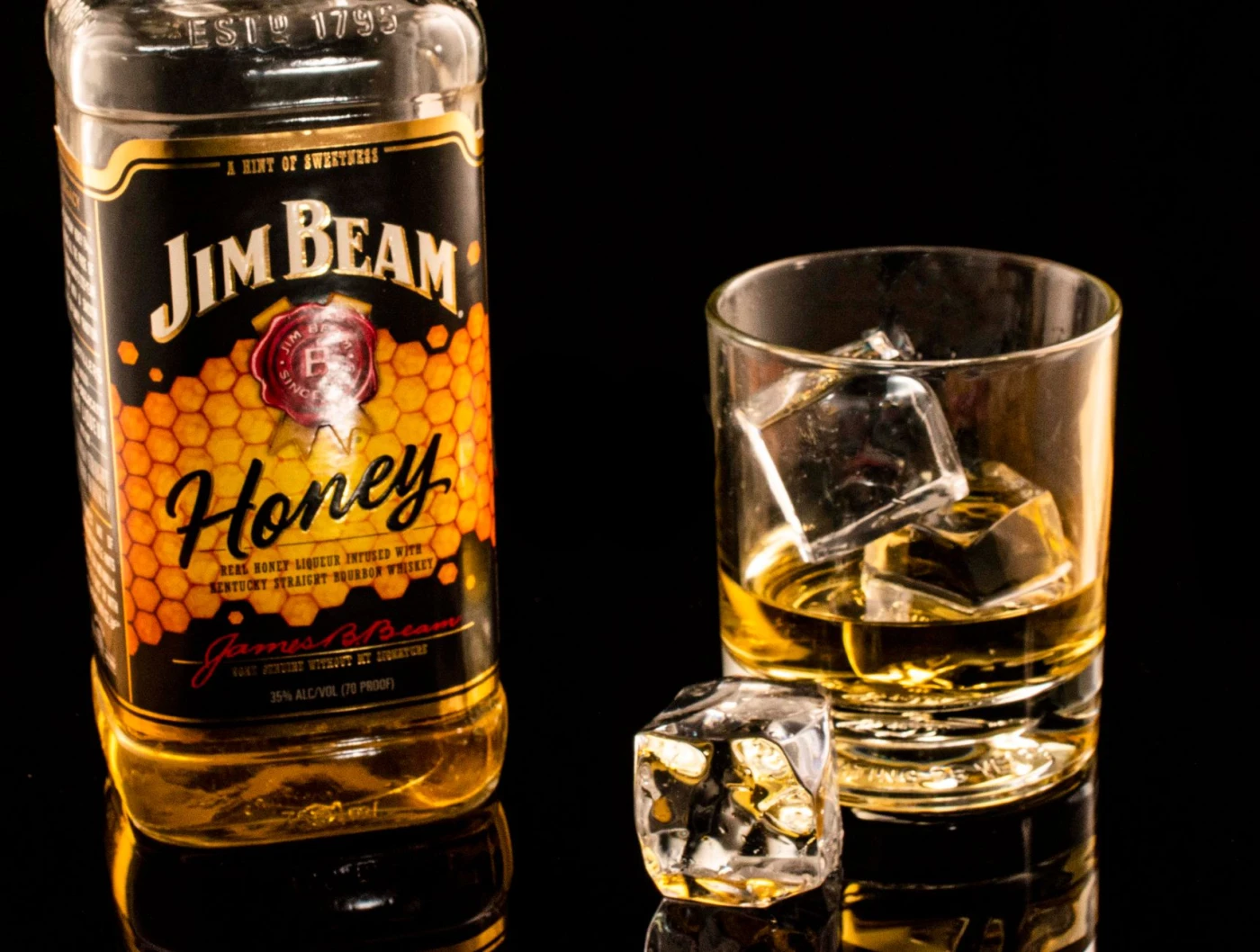
The ideal aged rum is expressive but not so woody that it fights the lime. I like bottles at 40–46% ABV, or 80–92 proof. Appleton Estate 8 Year, Mount Gay Black Barrel, and El Dorado 8 Year provide three distinct directions and commonly sit around the mid-$20s to mid-$40s in US shops, with UK shelf prices often roughly £25–£40. Prices vary by retailer and tax.
This is easily one of the best bridges between a classic sour and the richer style found in many beginner-friendly whiskey cocktails. You get oak and warmth, but lime keeps the finish alert.
Aged Honey Daiquiri Ingredients You Need

For one Aged Honey Daiquiri, gather the following:
- 2 oz (60 ml) aged rum, ideally 40–46% ABV
- 0.75 oz (22.5 ml) fresh lime juice
- 0.5 oz (15 ml) rich honey syrup, made with two parts honey and one part warm water
- 0.06 oz (2 ml) aromatic bitters, approximately two dashes and optional
- 0.03 oz (1 ml) 20% saline solution, approximately three drops and optional
- 1 lime coin or expressed lime peel for garnish
Your rum sets the direction. Appleton Estate 8 Year at 43% ABV gives ripe fruit and warm spice. Mount Gay Black Barrel, typically 43% ABV in key markets, is rounder and toastier. El Dorado 8 Year at 40% ABV leans toward caramel and dried fruit. Bottle specifications can vary by market, so read the label you actually buy.
For honey syrup, weigh 2 oz (60 g) honey and stir in 1 oz (30 ml) warm water. Keep the water below roughly 140°F or 60°C; it only needs to be warm enough to loosen the honey. Refrigerate the syrup in a clean sealed bottle and make small batches. Discard it if its aroma, colour, or appearance changes unexpectedly.
Different honey changes the cocktail. Clover honey is gentle and forgiving. Orange-blossom honey reinforces citrus, while buckwheat honey can taste malty, earthy, and dominant. In my experience, a mild runny honey is the smartest first attempt. I’d skip heavily flavoured honey until you understand how your rum and lime interact.
Fresh lime matters. Bottled juice often lacks the aromatic lift that makes a short cocktail exciting. If you enjoy fast recipes but still want proper citrus, these quick vodka cocktails offer more useful practice with efficient home-bar preparation.
How to Make an Aged Honey Daiquiri

Speed helps, but sequence matters more. Prepare your garnish and glass first so the finished Aged Honey Daiquiri never sits warming in the shaker.
- Chill the glass. Put a 5–6 oz (150–180 ml) coupe or Nick & Nora glass in the freezer for at least 10 minutes. Alternatively, fill it with ice and cold water while you mix.
- Measure the ingredients. Add 2 oz (60 ml) aged rum, 0.75 oz (22.5 ml) lime juice, and 0.5 oz (15 ml) rich honey syrup to a shaker. Add the optional 0.06 oz (2 ml) bitters and three saline drops.
- Taste intelligently. Stir a small drop of the unchilled mixture onto a spoon. It will taste stronger and sweeter than the finished drink, but obvious imbalance can still be corrected now.
- Add ice. Fill the shaker about three-quarters full with firm, fresh cubes. Wet, half-melted ice creates inconsistent dilution.
- Shake hard. Seal the shaker and shake for 10–12 seconds. Stop when the metal is thoroughly frosted and painfully cold, generally near 25–30°F or -4 to -1°C at the surface.
- Double-strain. Empty the chilling ice from the glass. Strain through both a Hawthorne strainer and a fine mesh strainer to catch chips and citrus pulp.
- Garnish and serve. Express a lime peel over the surface or float a thin lime coin. Serve immediately.
After testing the recipe with both 40% and 46% ABV rums, I found the stronger bottle usually benefits from an extra 0.08 oz or 2.5 ml honey syrup—or two additional seconds of shaking. Make only one adjustment at a time.
A home Daiquiri should feel polished, not fussy. The same disciplined measuring also improves a simple Madras cocktail, where a small change in juice can shift the whole drink.
How to Taste and Adjust the Balance
A reliable Aged Honey Daiquiri is not merely sweet, sour, or strong; those three sensations should arrive together. Take the first small sip before adding the garnish. Notice the opening aroma, the flavour across the middle of the palate, and the finish after swallowing. A balanced drink begins with fresh lime and rum, becomes gently rounded by honey, and finishes clean enough to invite another sip.
If the cocktail tastes sharply acidic but still has a pleasant rum aroma, stir in 0.08 oz (2.5 ml) additional honey syrup and shake briefly with fresh ice. If it tastes heavy or sticky, add the same small quantity of lime juice. When both sweetness and acidity seem correct but the alcohol burns, the drink probably needs more chilling and dilution rather than another ingredient. Return it to the shaker with firm ice for two or three seconds, then taste again.
Texture offers another useful clue. A properly shaken Daiquiri should feel light and cohesive, with a faint aerated softness rather than a syrupy coating. A watery texture may indicate tired ice, an overlong shake, or honey syrup that contains too much water. Conversely, a dense drink that leaves honey on the lips may need slightly less syrup or a few more seconds of shaking.
Write down the exact rum, honey, lime quantity, and adjustment that worked. That simple tasting record is especially valuable when changing bottles or making the drink in another season. The goal is not to force every ingredient into an inflexible formula; it is to reach the same bright, rounded balance through careful, repeatable corrections.
Pro Tips for a Better Aged Honey Daiquiri
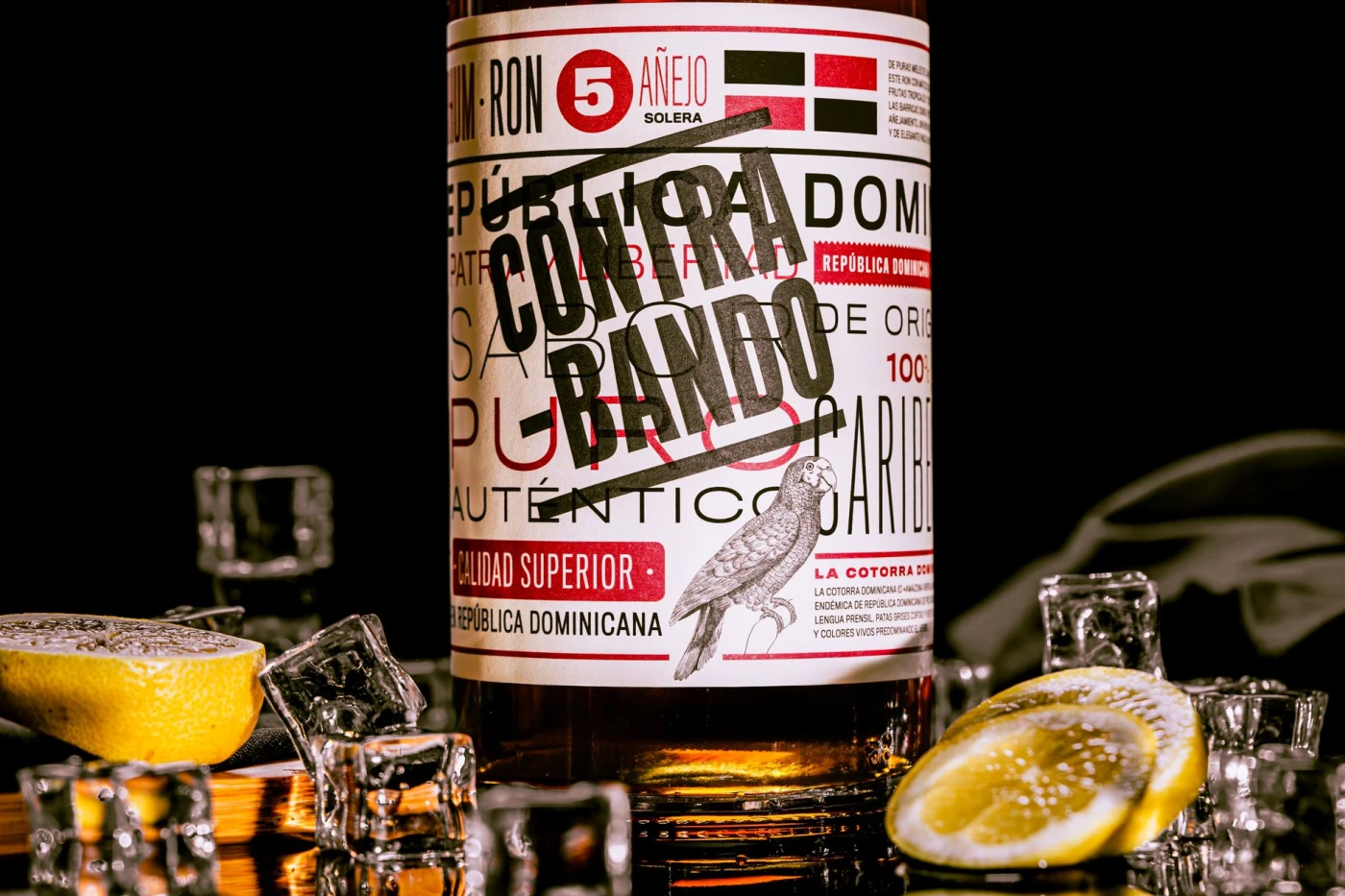
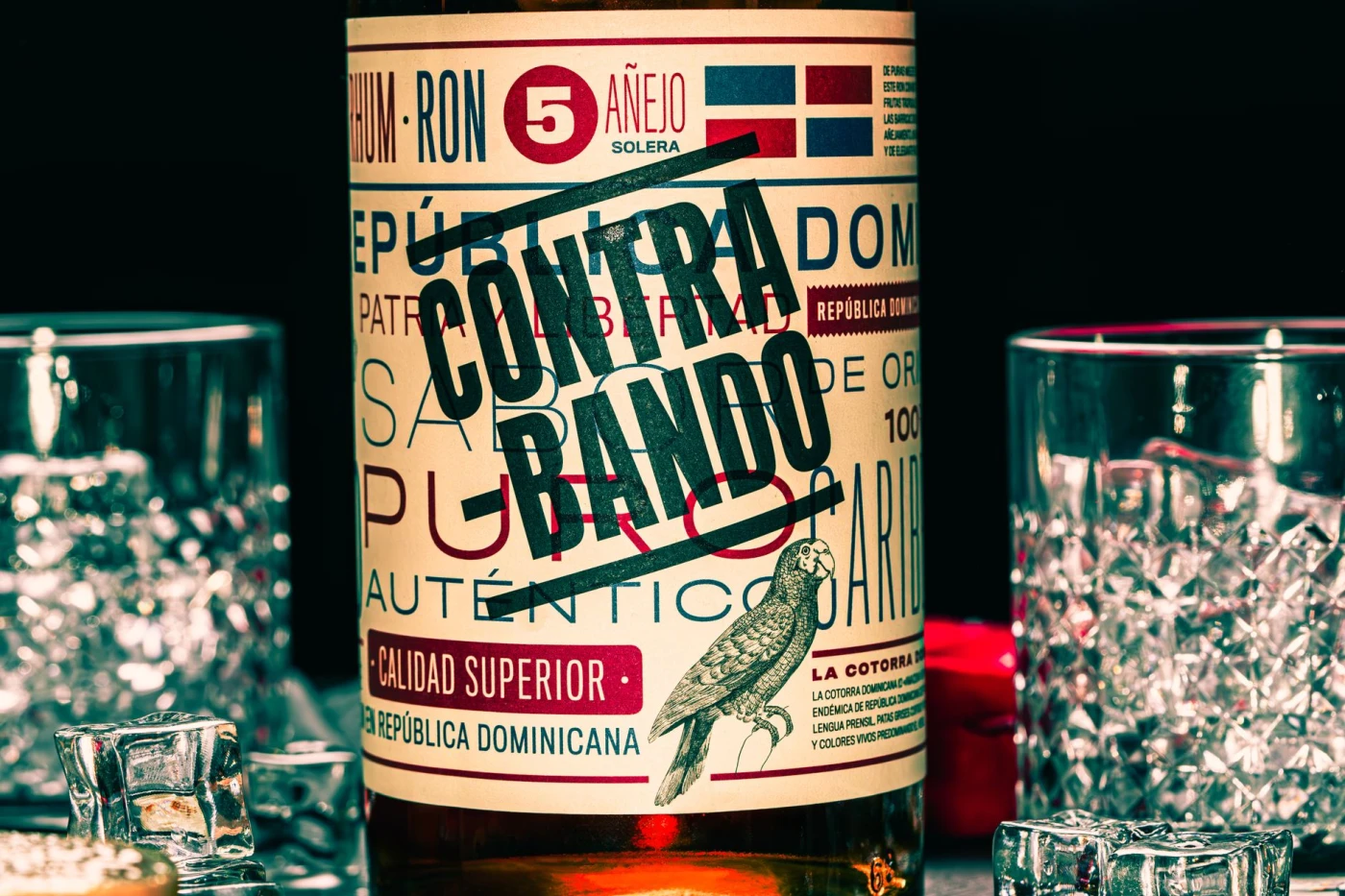
Build around the rum. Taste a teaspoon neat before mixing. If you notice dry oak and pepper, begin with the full 0.5 oz (15 ml) honey syrup. If the spirit already seems soft or sweet, start at 0.42 oz (12.5 ml). The label cannot tell you exactly how the liquid will behave with acid.
Use rich syrup deliberately. A 2:1 honey syrup supplies body without adding as much water as a 1:1 syrup. That matters in a short drink. Straight honey, meanwhile, can harden against the cold shaker and hide beneath the ice. Blend it first. No shortcuts here.
Control lime variation. Citrus changes with cultivar, season, storage, and even the individual fruit. In my experience, winter limes in Britain can demand a touch more syrup, while an especially mellow lime may need none. Taste each batch of juice rather than worshipping a fixed ratio.
Respect temperature. Start with rum stored around 65–70°F or 18–21°C and a properly frozen glass. Your target is a drink cold enough to feel crisp but diluted enough to release the rum’s aroma. Tiny freezer shards look dramatic, yet excessive ice fragments continue melting in the glass.
Keep the garnish restrained. A lime coin visually explains the drink. An expressed peel contributes fragrant oil. Use one, not a fruit salad. After testing thick wedges against a fine peel, I preferred the peel because it brightened the first sip without dropping extra juice into the cocktail.
Want a softer evening option? Reduce the rum to 1.5 oz (45 ml), maintain the citrus, and top the shaken drink with 1 oz (30 ml) chilled soda. It is no longer a traditional-strength Daiquiri, but it follows the practical spirit of these lower-alcohol cocktail recipes.
Aged Honey Daiquiri Variations Worth Trying

Once the core Aged Honey Daiquiri tastes balanced, change one variable and keep the rest stable. That lets you identify what actually improved the drink.
Smoky Honey Daiquiri
- 1.5 oz (45 ml) aged rum
- 0.5 oz (15 ml) lightly smoky aged rum
- 0.75 oz (22.5 ml) lime juice
- 0.5 oz (15 ml) rich honey syrup
Use smoke as seasoning. An intensely smoky full 2 oz pour can flatten honey’s floral character.
Gingered Aged Honey Daiquiri
- 2 oz (60 ml) aged rum
- 0.75 oz (22.5 ml) lime juice
- 0.42 oz (12.5 ml) rich honey syrup
- 0.08 oz (2.5 ml) fresh ginger juice
This is sharp, warming, and excellent in autumn. Fine-strain carefully because ginger fibres create a rough texture.
Orange-Blossom Version
- 2 oz (60 ml) aged rum
- 0.75 oz (22.5 ml) lime juice
- 0.5 oz (15 ml) orange-blossom honey syrup
- 0.03 oz (1 ml) orange-blossom water
Orange-blossom water is powerful. More than a few drops can make the drink taste perfumed.
Long Summer Highball
- 1.5 oz (45 ml) aged rum
- 0.75 oz (22.5 ml) lime juice
- 0.5 oz (15 ml) honey syrup
- 2 oz (60 ml) chilled soda water
Shake the first three ingredients, strain over fresh ice, and top with soda. It travels poorly once carbonated, but the uncarbonated base suits the make-ahead logic in our portable picnic drinks guide.
Spiced Winter Daiquiri
- 2 oz (60 ml) aged rum
- 0.75 oz (22.5 ml) lime juice
- 0.5 oz (15 ml) honey syrup
- 0.06 oz (2 ml) aromatic bitters
Add freshly grated nutmeg over the finished drink. It is festive, but keep the spice nearly weightless.
Common Aged Honey Daiquiri Mistakes
Using straight honey. Cold honey moves slowly and may stick to the shaker. You can shake furiously and still pour an under-sweet drink while leaving the intended sweetness behind. Make a 2:1 syrup instead.
Choosing the oldest rum. A prestige bottle with forceful oak is not automatically the best cocktail ingredient. Extra age can produce tannin that makes lime seem harsher. Let flavour, proof, and balance guide you—not the number on the box.
Buying a heavily sweetened or flavoured spirit accidentally. Vanilla-forward or sweetened products may produce a pleasant drink, but they change the formula. Read the bottle, taste it, and reduce honey if necessary. For US products, proof is twice the numerical ABV: a 40% ABV spirit is 80 proof.
Squeezing old lime juice. Juice tastes brightest soon after squeezing. For a party, refrigerate it in a sealed container and use it the same day. Do not leave it sitting beside a warm cutting board for hours.
Under-shaking. Five timid seconds usually leaves the Aged Honey Daiquiri warm, sharp, and overly alcoholic. Shake with conviction for about 10–12 seconds. Conversely, small melting cubes can over-dilute the cocktail before it becomes properly aerated.
Correcting too aggressively. Let’s be honest: everyone occasionally makes a sour that is too sharp. Add syrup in 0.08 oz (2.5 ml) steps, shake briefly, and taste again. A large free-pour often sends you from sour to cloying.
Serving in a warm, huge glass. A 10 oz (300 ml) Martini glass makes a 4 oz drink look lost and exposes too much surface area. Choose a chilled 5–6 oz (150–180 ml) glass.
Finally, do not disguise imbalance with elaborate decoration. The excess that defined some 1990s drinks can be fun, but this cocktail succeeds through precision. Taste first. Garnish second.
Food Pairings and the Best Occasions
The Aged Honey Daiquiri works beautifully as an aperitif because acidity wakes up the palate while honey and oak make the drink feel substantial. Serve it before a Friday dinner, at a small cocktail party, or during a late-summer garden gathering. Its amber colour also suits autumn celebrations and intimate speakeasy-themed evenings.
With food, think salt, char, fat, and gentle heat. Lime cuts through fried appetisers, roast pork, grilled prawns, fish tacos, and buttery crab cakes. Honey echoes glazed chicken wings and caramelised squash, while aged rum’s spice can meet jerk seasoning without disappearing. Keep the food’s sweetness modest; a sugary glaze beside a sweetened cocktail quickly becomes tiring.
For a US game-night spread, try plantain chips, pulled-pork sliders, or lime-dressed shrimp. In the UK, pair it with smoked mackerel pâté, mature Cheddar, or small sausage rolls with a restrained honey-mustard dip. Blue cheese can work too, especially when the rum shows dried-fruit notes.
Would I serve it with dessert? Sometimes. A barely sweet coconut panna cotta, grilled pineapple, or dark-chocolate tart can succeed. I’d skip sticky toffee pudding or heavily iced cake; they overpower the cocktail and make the lime seem thin.
One standard recipe made with 2 oz (60 ml) of 43% ABV rum contains about 0.86 US fl oz or 25.4 ml of pure alcohol before dilution. After shaking, the served drink will commonly land around 18–21% ABV, although ice and technique make that an estimate. For responsible drinking, pace your serving, provide water and food, and consult evidence-based guidance from the US National Institute on Alcohol Abuse and Alcoholism or Drinkaware in the UK.
One well-made cocktail is more memorable than three rushed ones. Give the Aged Honey Daiquiri enough space to be tasted.
Aged Honey Daiquiri Quick Reference Cheat Sheet
Use this table when you want the recipe without rereading every technique note. The metric figures are practical bar measures; 22.5 ml may be rounded to 25 ml if your UK jigger lacks a half measure, but expect a slightly sharper cocktail.
| Element | US measure | UK/metric measure | Practical note |
|---|---|---|---|
| Aged rum | 2 oz | 60 ml | 40–46% ABV |
| Fresh lime juice | 0.75 oz | 22.5 ml | Squeeze the same day |
| Rich honey syrup | 0.5 oz | 15 ml | Two parts honey to one part water |
| Aromatic bitters | 0.06 oz | 2 ml | Optional; about two dashes |
| Shake time | 10–12 seconds | 10–12 seconds | Use firm frozen cubes |
| Glass capacity | 5–6 oz | 150–180 ml | Chill before straining |
| Estimated served strength | 18–21% ABV | 18–21% ABV | Varies with dilution |
For a sweeter Aged Honey Daiquiri, increase syrup by 0.08 oz (2.5 ml). For more brightness, make the same small increase to lime. If the alcohol feels hot but the flavour is otherwise balanced, extend the shake by one or two seconds instead of immediately adding ingredients.
Keep a jigger, shaker, Hawthorne strainer, fine strainer, citrus press, and chilled coupe within reach. Good ice matters more than a collection of decorative tools. Label homemade honey syrup with the preparation date, refrigerate it, and assess it before every use.
The formula is simple: aged rum for structure, lime for tension, honey for rounded sweetness, then enough cold dilution to connect them. Once you understand that relationship, you can adapt the drink without losing its identity.
Ready to make the Aged Honey Daiquiri part of your regular rotation? Download the free home bar starter checklist, organise the essentials, and make your next round calmer, faster, and more consistent.
Ask AI about this article
Pick a prompt, copy it, or open ChatGPT with this article preloaded.
Frequently Asked Questions
What is an Aged Honey Daiquiri?
An Aged Honey Daiquiri is a rum sour made with barrel-aged rum, fresh lime juice, and honey syrup instead of the white rum and plain sugar often associated with a classic Daiquiri. The wood-aged spirit introduces vanilla, spice, dried-fruit, or toasted notes, while honey supplies a rounder sweetness. It is shaken with.
What is the best aged rum for an Aged Honey Daiquiri?
A moderately aged, unsweetened rum between 40% and 46% ABV is the most versatile choice. Appleton Estate 8 Year, Mount Gay Black Barrel, and El Dorado 8 Year are useful starting points, although their flavour profiles differ. Choose Jamaican rum for fruit and funk, Barbados rum for balance and spice, or a column-still.
How strong is an Aged Honey Daiquiri?
With 2 oz or 60 ml of 43% ABV rum, the drink is approximately 25% ABV before shaking. Ice dilution generally brings the served cocktail to roughly 18–21% ABV, depending on ice, temperature, and shaking time. That estimate is not a laboratory measurement; stronger rum, a shorter shake, or less dilution will produce a mo.
Why does my honey Daiquiri taste too sour?
Your lime may be especially sharp, your honey syrup may be too dilute, or the drink may not have received enough dilution. Add honey syrup in 0.08 oz or roughly 2.5 ml increments rather than making a large correction. Also verify that you used syrup, not an equal volume of straight honey, and shake long enough to chill.
What glass should I use for an Aged Honey Daiquiri?
A chilled coupe is the classic-looking choice, while a Nick & Nora glass reduces spills and keeps the serving compact. A small Martini glass also works. Aim for a glass holding about 5–6 oz or 150–180 ml, since oversized glassware makes the drink warm quickly. Chill it for at least 10 minutes or fill it with ice while.
Comments 0
Login to Post comments