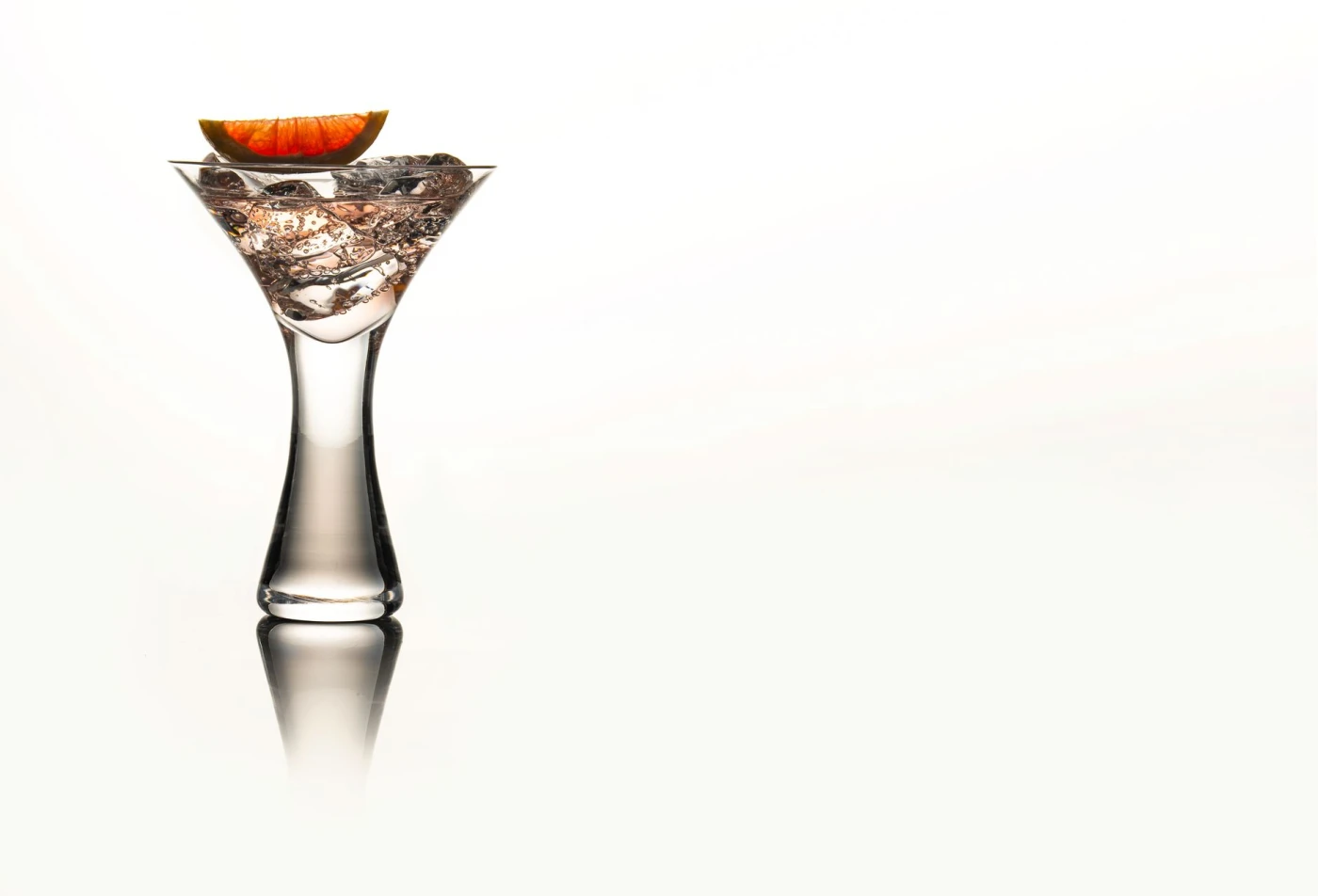

Cornish Sunrise: The Bright Orange Gin Cocktail
Fresh orange, botanical gin and a glowing grenadine layer make the Cornish Sunrise a spectacular yet approachable citrus cocktail.
The Cornish Sunrise is a bright orange gin cocktail that looks dramatic but asks very little of your home bar. Fresh citrus supplies the juicy lift, dry gin brings botanical structure, and a small pour of grenadine sinks into a glowing red layer.
Think of it as a fresher, gin-led cousin to familiar sunrise drinks. It is easy enough for a Friday evening yet polished enough for brunch, a summer garden party or Christmas morning cocktails. If you enjoy learning the foundations behind drinks like this, our guide to classic cocktails every home bartender should know is a useful companion. First, though, grab an orange. This drink lives or dies by its citrus.
What Is a Cornish Sunrise?
A Cornish Sunrise is a tall, shaken gin cocktail combining orange juice, lemon, orange liqueur and grenadine. The base tastes zesty and botanical; the syrup settles toward the bottom, creating the red-to-gold gradient that gives any sunrise drink its name.
Here’s the thing: there does not appear to be one universally documented historic formula for this particular cocktail. It is better understood as a modern recipe in the wider sunrise family than as a protected classic with a single inventor. Calling it “Cornish” makes most sense when it features gin distilled in Cornwall or when its sunny colour evokes the county’s coastal character. That is context, not a claim of ancient Cornish tradition.
The structure is nevertheless sound. Gin provides juniper and herbs, orange contributes sweetness and volume, lemon restores tension, and grenadine supplies colour plus pomegranate richness. Orange liqueur connects those elements while increasing depth. Compare that architecture with the cranberry-and-orange balance in the Madras cocktail: both are fruit-forward, but the Cornish Sunrise is more aromatic and layered.
At roughly 16–18% ABV after dilution, this is a proper cocktail rather than a lightweight juice drink. It is usually served over ice in a 10–12 oz (300–350 ml) highball or Collins glass. You can stir the gradient before drinking for an even flavour, or let each sip gradually become sweeter. I prefer one gentle stir after showing off the colour.
Cornish Sunrise Ingredients You Need

This recipe makes one Cornish Sunrise. Use a jigger or graduated measure; free-pouring a dense syrup is the fastest route to an overly sweet drink.
- 2 oz (60 ml) dry gin, ideally 40–43% ABV
- 2 oz (60 ml) fresh orange juice, strained
- 1/2 oz (15 ml) fresh lemon juice
- 1/2 oz (15 ml) orange liqueur
- 1/4 oz (7.5 ml) grenadine
- 4–5 oz (120–150 ml) fresh ice, plus shaking ice
- 1 thin orange wheel and 1 rosemary sprig, for garnish
For the gin, Tarquin’s Cornish Dry Gin at 42% ABV is the on-theme splurge, often around £35 for 700 ml in the UK, although prices vary. Plymouth Gin, commonly 41.2% ABV, gives a rounder juniper profile and frequently sits near £28 or $35. Beefeater is the practical pick at about $22–$28 or £20–£25; verify the ABV printed in your market.
Cointreau at 40% ABV produces a clean, dry orange note. A sweeter triple sec works too, but I would reduce grenadine slightly. Use real pomegranate grenadine when available. Liber & Co. is usually about $18–$22 per bottle in the US; Monin is widely available on both sides of the Atlantic.
After testing both carton juice and fruit squeezed moments before mixing, I strongly favour fresh. Choose oranges that feel heavy for their size and chill them to 38–40°F (3–4°C). Want more fast citrus-led ideas? Browse these five-minute vodka cocktails for useful substitutions and service inspiration.
How to Choose and Prepare the Citrus
Orange juice is the largest non-alcoholic ingredient in a Cornish Sunrise, so its condition changes the drink more than a small difference between respectable gin brands. Look for oranges with smooth, intact skin that feel unusually heavy in the hand. Weight is a better clue to juiciness than colour: a green patch does not automatically mean poor fruit, while a vivid orange can still be dry inside.
Valencia oranges often give a bright, balanced juice, while navel oranges are widely available and pleasantly sweet. Blood oranges bring berry-like depth but can alter the expected gold-to-red gradient. Whichever type you choose, taste the juice before measuring it. The recipe assumes orange juice that is sweet but still lively, not syrupy or sharply sour.
One medium orange commonly supplies enough juice for one drink, although yield varies. Roll the fruit gently on the worktop, cut it across the middle and squeeze immediately before mixing. A handheld citrus press is convenient, but pressing too aggressively can extract bitter compounds from the peel and pith. Pass the juice through a fine strainer if it contains seeds or heavy pulp.
Lemon acts as the drink’s adjustment dial. Begin with the listed 1/2 oz (15 ml), then taste a drop of the combined citrus. Very sweet orange may benefit from an extra teaspoon of lemon, while unusually tart fruit may need slightly less. This small correction is more effective than masking an imbalance with extra grenadine.
Keep whole fruit refrigerated, but let it sit at room temperature for about 10 minutes if it is difficult to squeeze. Chill the extracted juice again before making the cocktail. Avoid squeezing it the previous day: it may remain safe when properly refrigerated, but its fresh aroma fades and its flavour can become dull or faintly bitter. For the cleanest result, prepare only what you expect to use within a few hours.
How to Make a Cornish Sunrise Step by Step
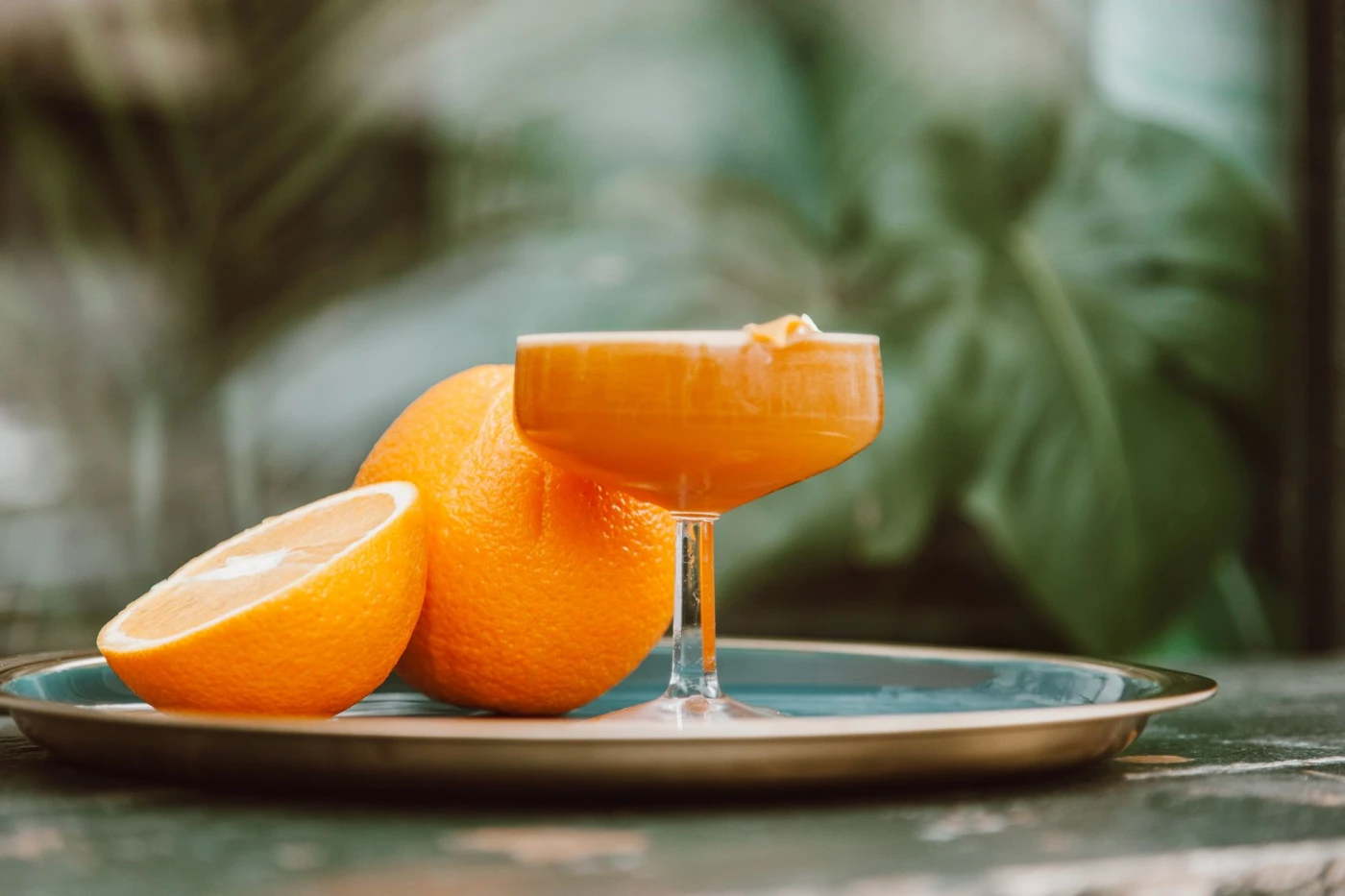
Cold glass, cold ingredients, decisive shake. That simple sequence gives the Cornish Sunrise a lively aroma and controlled dilution.
- Chill the glass. Place a 10–12 oz (300–350 ml) highball in the freezer for 10 minutes, or fill it with ice and water while you measure.
- Build the shaker. Add 2 oz (60 ml) gin, 2 oz (60 ml) orange juice, 1/2 oz (15 ml) lemon juice and 1/2 oz (15 ml) orange liqueur.
- Add ice. Fill the shaker about three-quarters full with solid cubes. Small wet fragments melt too rapidly.
- Shake hard. Seal and shake for 10–12 seconds, until the tin feels sharply cold. Fresh juice needs this aeration to taste integrated rather than flat.
- Strain. Empty the prepared glass, add fresh ice, and strain the cocktail over it. Double-strain if your orange juice contains substantial pulp.
- Create the sunrise. Slowly pour 1/4 oz (7.5 ml) grenadine down the inside of the glass. Let gravity pull it through the orange mixture; do not stir yet.
- Finish and serve. Garnish with a thin orange wheel and lightly slapped rosemary sprig. Serve immediately with a straw or swizzle stick.
In my experience, one large scoop of firm freezer ice gives better results than soft cubes from an ice bucket. Aim to serve the drink around 34–38°F (1–3°C). The technique is straightforward, but the visual payoff is enormous. For another beginner-friendly category with forgiving builds, see our best whiskey cocktails for beginners.
Pro Tips for a Better Cornish Sunrise

Balance before beauty. A flawless red gradient cannot rescue dull citrus or a mismatched gin, so taste the shaken base before you add the grenadine.
In my experience, oranges can vary more than home bartenders expect. If your juice is candy-sweet, add 1 teaspoon (5 ml) more lemon. If it is sharp and lean, add 1 teaspoon (5 ml) simple syrup or use the full grenadine measure. Make small corrections. Big fixes tend to create new problems.
After testing shaking times from 6 to 18 seconds, I found 10–12 seconds ideal with standard 1-inch (2.5 cm) freezer cubes. Shorter shaking left the drink disjointed; much longer shaking muted the gin. Your ice may behave differently, so use the shaker’s temperature and the drink’s taste as final guides.
For the clearest sunrise, refrigerate the grenadine and pour from close to the surface. A bar spoon held against the glass wall offers extra control. Dense syrup should descend naturally. Never shake it with the other ingredients unless you deliberately want a uniform pink-orange drink.
The rosemary garnish is optional, but wake it first with one firm clap between your palms. That releases aroma without scattering needles across the drink. I would skip torching it indoors; smoke overwhelms the fresh orange and can become a safety nuisance. This is easily one of the best uses for an ordinary orange wheel, provided it is cut thin enough to sit neatly against the glass.
Curious how this differs from nostalgic sweet serves? Our look at 1990s drinks and where they are now explains why brighter citrus and tighter sugar balance feel more contemporary.
Four Cornish Sunrise Variations
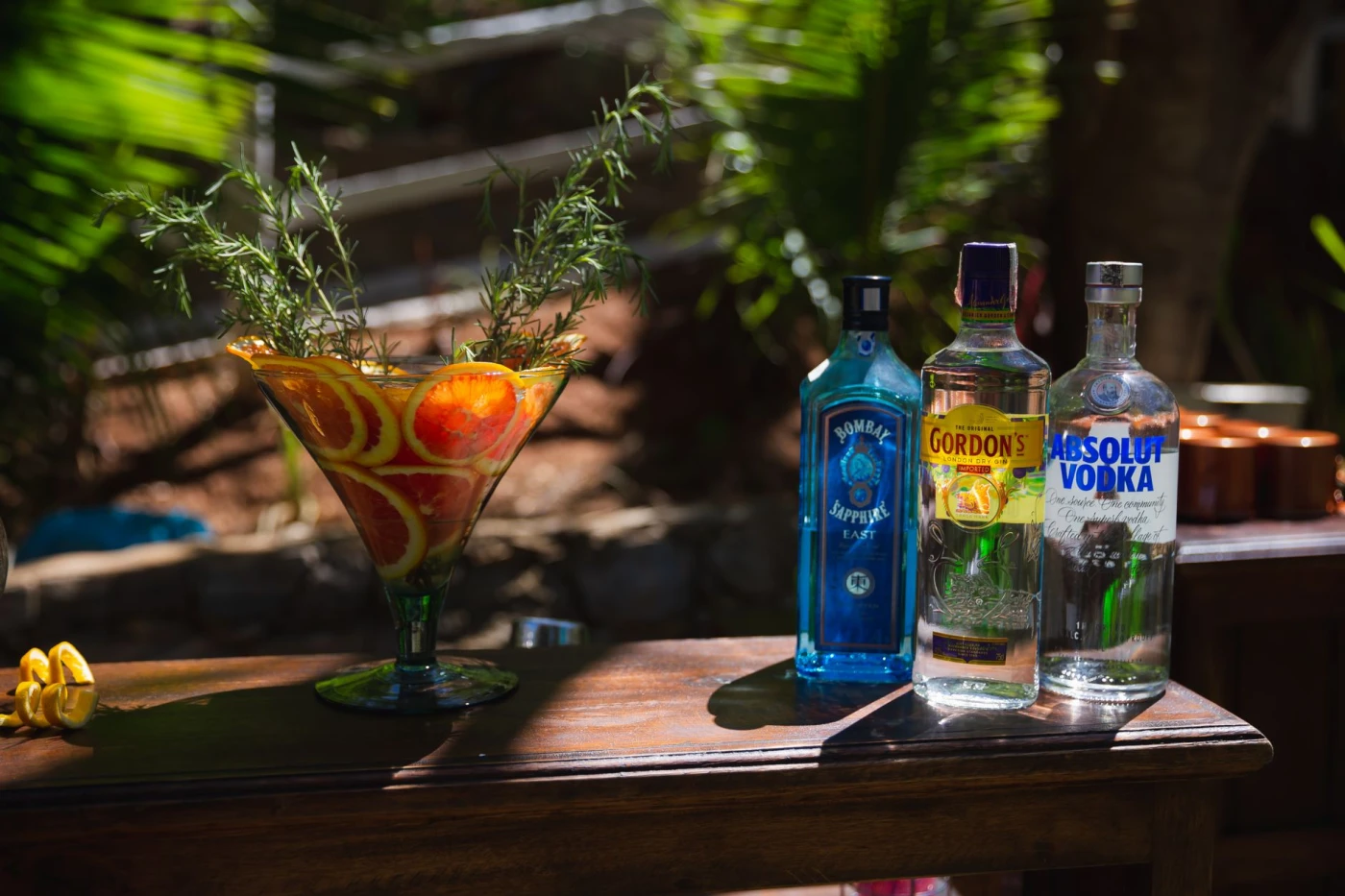
Once you understand the sweet, sour and botanical framework, you can change the personality without losing the drink. Keep each variation measured and retain the slow final syrup pour.
Blood Orange Sunrise
- 2 oz (60 ml) dry gin
- 2 oz (60 ml) blood orange juice
- 1/2 oz (15 ml) lemon juice
- 1/2 oz (15 ml) orange liqueur
- 1/4 oz (7.5 ml) grenadine
This version is deeper, slightly berry-like and excellent from December through March, depending on local availability.
Cornish Garden Sunrise
- 2 oz (60 ml) floral or herbaceous gin
- 1 3/4 oz (52.5 ml) orange juice
- 1/2 oz (15 ml) lemon juice
- 1/2 oz (15 ml) elderflower liqueur
- 1/4 oz (7.5 ml) grenadine
Elderflower replaces orange liqueur. Garnish with cucumber and mint for a softer spring profile.
Long Coastal Sunrise
- 1 1/2 oz (45 ml) gin
- 2 oz (60 ml) orange juice
- 1/2 oz (15 ml) lemon juice
- 2 oz (60 ml) chilled soda water
- 1/4 oz (7.5 ml) grenadine
Top with soda after straining, then add syrup. It is lighter, brisker and particularly good at a barbecue.
Zero-Proof Orange Sunrise
- 2 oz (60 ml) alcohol-free botanical spirit
- 2 oz (60 ml) orange juice
- 1/2 oz (15 ml) lemon juice
- 1/4 oz (7.5 ml) grenadine
- 1 oz (30 ml) soda water
Seedlip Grove 42, typically 0.0% ABV, is a natural option and often costs about $32 or £27. For more sessionable inspiration, explore these low-alcohol cocktail recipes.
How to Batch Cornish Sunrises for a Group
You can prepare the citrus-and-gin base for a small gathering without sacrificing the signature layered presentation. For six drinks, combine 12 oz (360 ml) dry gin, 12 oz (360 ml) strained orange juice, 3 oz (90 ml) lemon juice and 3 oz (90 ml) orange liqueur in a clean, sealable bottle or jug. Refrigerate the mixture immediately and keep it below 40°F (4°C).
Do not add the 1 1/2 oz (45 ml) grenadine to the batch. Portion 1/4 oz (7.5 ml) separately into each finished glass so every guest receives a visible sunrise. Keep garnishes, serving ice and shaking ice ready before anyone arrives. Cutting six thin orange wheels and washing the rosemary in advance makes service considerably calmer.
For the best texture, shake two servings at a time. Measure 5 oz (150 ml) of the chilled base into a shaker, add firm ice and shake for 10–12 seconds. Divide between two ice-filled highball glasses, then add the grenadine and garnishes. Overloading a small shaker with three or four portions reduces aeration and makes spills more likely.
If you cannot shake drinks during the event, add approximately 3/4 oz (22.5 ml) cold water per serving to the premixed base to imitate part of the dilution normally supplied by shaking. Chill the batch thoroughly, stir it well, pour 5 3/4 oz (about 170 ml) over fresh ice and finish with grenadine. The result will be slightly less frothy but still balanced and refreshing.
Make the batch no more than four hours before serving. Label the container clearly, keep it away from children and return it to the refrigerator or an ice-packed cooler between rounds. Never leave a juice-based batch standing in direct sun. For a larger party, prepare multiple six-drink bottles instead of one unwieldy vessel; smaller containers chill faster, are easier to measure from and let you open only what you need.
Common Cornish Sunrise Mistakes
Let’s be honest: this recipe is simple, but small errors show. Orange juice takes up much of the glass, so mediocre juice, warm ingredients or casual measuring can flatten everything around it.
Using too much grenadine is the most common mistake. More syrup does create more red, but it also buries gin, lemon and orange beneath sweetness. Start with 1/4 oz (7.5 ml). If your grenadine is particularly concentrated, 1 teaspoon (5 ml) may be enough.
Choosing an extreme gin can also distort the drink. Barrel-aged gin introduces oak that fights the fresh citrus, while heavily perfumed gin may make orange taste soapy. Use a balanced dry bottle first. Save experimentation until you know the baseline.
Ignoring pulp leads to a murky appearance and clogged strainers. Some texture is harmless, but heavily pulpy juice disrupts the clean gradient. Pass it through a fine mesh strainer before measuring. Do not discard every trace of body; the drink should still feel juicy.
Adding grenadine before shaking removes the sunrise effect completely. The flavour remains usable, but you will have a uniformly coral cocktail. Pour the syrup last, slowly and close to the glass.
Serving over tired ice causes rapid dilution. Use hard cubes straight from a freezer set near 0°F (-18°C), not half-melted party ice. Also avoid filling the glass with crushed ice unless you want a slushier, faster-changing drink.
Finally, do not prepare the complete cocktail hours ahead. Citrus aroma fades and grenadine disperses. Batch the base for no more than four refrigerated hours, shake to order, and layer each serving individually.
Food Pairings, Seasons and Serving Occasions
The Cornish Sunrise works best where fresh citrus can cut through salt, fat or gentle spice. It is less convincing beside very sweet desserts, which make the drink seem tart at first and syrupy afterward.
At brunch, serve it with smoked salmon, scrambled eggs, avocado toast or a full English breakfast. Gin’s botanicals complement herbs and cured fish, while the orange refreshes the palate after buttery food. For a US-style spread, try crab cakes, breakfast tacos or chicken and waffles with restrained syrup.
For summer gatherings, pair the cocktail with grilled prawns, fish tacos, halloumi skewers or a fennel-and-orange salad. The colour looks fantastic at a coastal lunch, garden party, hen weekend or Fourth of July barbecue. It can also bring welcome brightness to Boxing Day, New Year’s brunch and grey February evenings.
Need something portable? Pre-mix the gin, liqueur and juices in a chilled bottle, then shake and add grenadine at your destination. Keep the mixture below 40°F (4°C) in a reliable cooler. Our collection of portable picnic drinks offers more make-ahead ideas.
One drink is normally plenty for a brunch serving because the recipe contains 2 1/2 oz (75 ml) of alcoholic ingredients. Practise responsible drinking, measure every pour, offer water and never assume that fruit juice makes a cocktail weak. US readers can consult the National Institute on Alcohol Abuse and Alcoholism; UK readers can find practical guidance through Drinkaware. For US production and labelling context, visit the Alcohol and Tobacco Tax and Trade Bureau.
Cornish Sunrise Quick Reference Cheat Sheet
Here is the complete Cornish Sunrise at a glance. The measures below make one drink and use practical rounded metric conversions for UK home bars.
| Element | US measure | UK metric | Purpose |
|---|---|---|---|
| Dry gin | 2 oz | 60 ml | Botanical base |
| Orange juice | 2 oz | 60 ml | Fresh fruit and body |
| Lemon juice | 1/2 oz | 15 ml | Acid balance |
| Orange liqueur | 1/2 oz | 15 ml | Orange aroma and depth |
| Grenadine | 1/4 oz | 7.5 ml | Sweetness and sunrise layer |
| Shake time | 10–12 seconds | 10–12 seconds | Chilling and dilution |
| Serving temperature | 34–38°F | 1–3°C | Bright, crisp service |
| Estimated final strength | 16–18% ABV | 16–18% ABV | Varies with ice and brands |
Use a 10–12 oz (300–350 ml) highball, firm ice and freshly squeezed juice. Shake everything except grenadine, strain over new ice, then pour the syrup down the glass wall. Garnish with one orange wheel and a rosemary sprig.
The strength estimate assumes 42% ABV gin, 40% ABV orange liqueur and ordinary shaking dilution; it is not a laboratory measurement. Bottle strengths differ, especially across markets, so check each label. Taste the base before layering and adjust only in 1 teaspoon (5 ml) steps.
That is the whole method. No specialist machine, obscure cordial or advanced technique required—just cold ingredients, accurate measurements and a controlled final pour.
The Cornish Sunrise earns its place in your repertoire because it is colourful, juicy and genuinely easy to tailor. Start with the balanced recipe, then make the blood orange or long coastal version your own. If you are still assembling the essentials, download our free home bar starter checklist before your next bottle shop.
Ask AI about this article
Pick a prompt, copy it, or open ChatGPT with this article preloaded.
Frequently Asked Questions
What is a Cornish Sunrise cocktail?
A Cornish Sunrise is a modern orange gin cocktail built with gin, fresh orange juice, lemon juice, orange liqueur and grenadine. The red syrup sinks through the golden drink to create its sunrise appearance. Using a Cornish gin adds a regional botanical connection, but the recipe also works with other balanced London d.
What is the best gin for a Cornish Sunrise?
A dry gin with clear citrus, juniper and restrained floral notes works best. Tarquin’s Cornish Dry Gin is a natural thematic choice, while Plymouth Gin and Beefeater are dependable alternatives. Avoid extremely sweet pink gin or aggressively savoury styles because either can obscure the fresh orange. Check the bottle’s.
How do you make the sunrise layer with grenadine?
Shake and strain the other ingredients over fresh ice first. Then hold the grenadine close to the drink’s surface and pour it slowly down the inside wall of the glass. Because the syrup is dense, it descends and collects near the bottom. Do not stir afterward. A narrow bar spoon can guide the pour, although steady pour.
How strong is a Cornish Sunrise?
With 2 oz (60 ml) of 42% ABV gin and 1/2 oz (15 ml) of 40% orange liqueur, the drink lands around 16–18% ABV after typical shaking dilution. The exact figure depends on the brands, ice and shaking time. Its fruity flavour can conceal that strength, so treat it more like a Martini-strength cocktail than a glass of ordin.
What can replace grenadine in a Cornish Sunrise?
Pomegranate syrup is the closest substitute, although unsweetened products may need a little simple syrup. Raspberry syrup creates a fruitier red layer, while crème de cassis makes a darker, richer variation and adds alcohol. Avoid bright red cocktail syrups with no meaningful fruit flavour when possible. Whatever you.
Comments 0
Login to Post comments