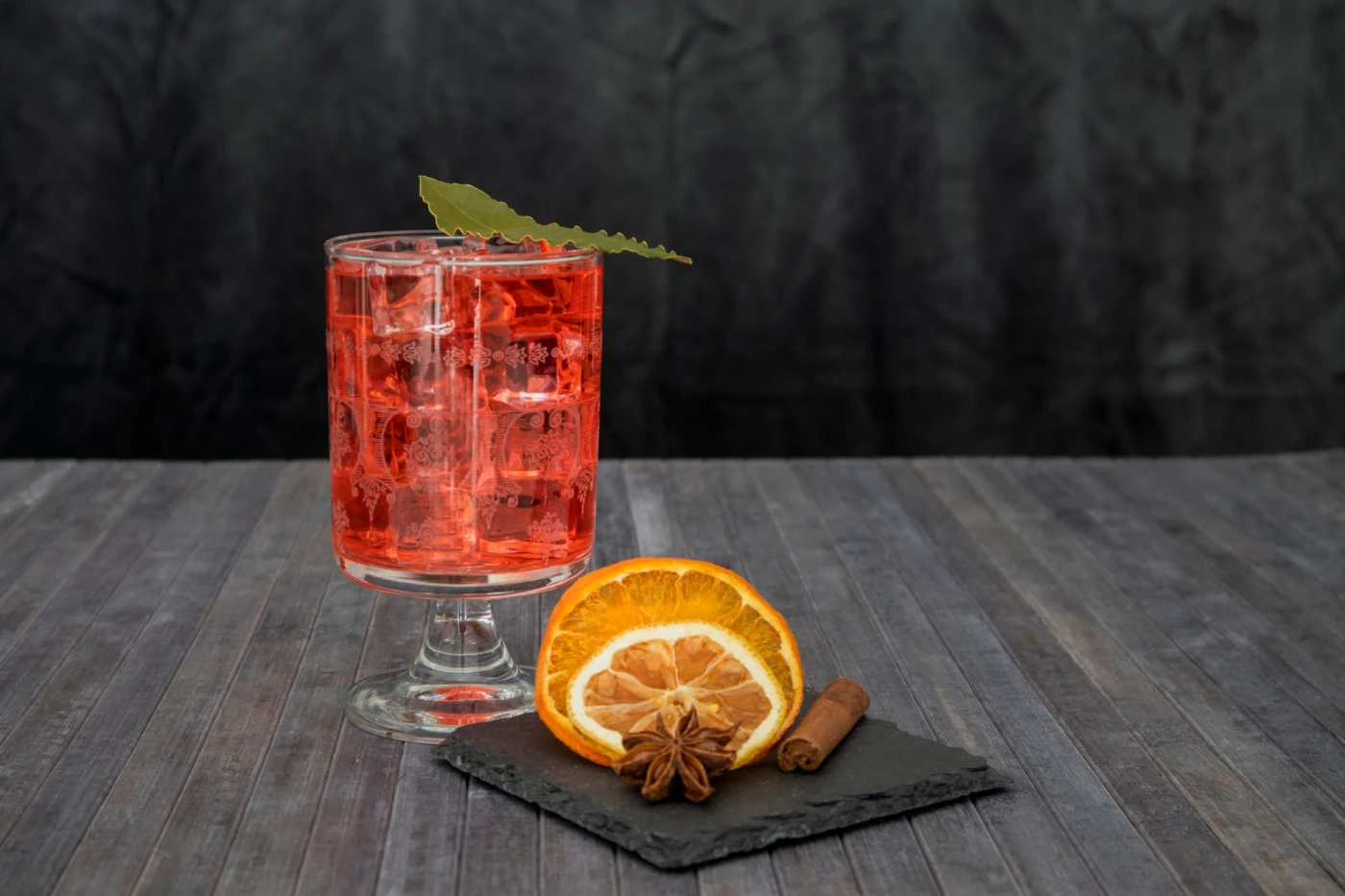
Spiced Orange Warmer: Winter Gin Magic
This Spiced Orange Warmer combines dry gin, fresh citrus, apple, honey and whole spices in a bright, aromatic winter cocktail.
The Spiced Orange Warmer is what you make when mulled wine feels too heavy but a cold gin and tonic seems completely wrong. It brings fresh orange, cloudy apple, honey and winter spice together, then uses dry gin to give that cosy mixture a crisp botanical backbone.
The result is fragrant rather than fiery. You get orange first, warming cinnamon next and clean juniper on the finish. Better still, one serving takes roughly 12 minutes and requires no specialist bar equipment.
If you are building your cocktail repertoire, start with these classic cocktails every home bartender should know, then keep this festive option ready for Thanksgiving, Bonfire Night, Christmas or any frost-edged evening that calls for something warm.
What Is a Spiced Orange Warmer?
A Spiced Orange Warmer is a gently heated gin, citrus and spice cocktail. Think of it as the brighter cousin of mulled wine and the fruitier relative of a hot toddy. It borrows the old cold-weather practice of warming drinks with sugar and spices, but there is no well-documented historical recipe that establishes one definitive inventor or date.
That distinction matters. Hot punches, toddies and spiced wines have long histories, yet this particular name is best understood as a modern descriptive recipe rather than a canonical nineteenth-century cocktail. Here’s the thing: a drink does not need an elaborate origin story to be useful or delicious.
Gin changes the shape of the mixture. Juniper cuts through honey, coriander-like botanicals reinforce orange and a little lemon prevents the apple juice from tasting jammy. Compared with beginner-friendly drinks in our guide to the best whiskey cocktails for beginners, this warmer is softer than a whiskey toddy but more aromatic.
A typical serving uses 1.5 oz (45 ml) of 40% ABV gin and finishes near 9% ABV, although exact strength changes with dilution, heating and the bottle selected. The US Alcohol and Tobacco Tax and Trade Bureau is the appropriate authority for American alcohol labelling and standards; it does not certify this house recipe.
Serve the drink hot, not scalding, at about 140–149°F (60–65°C). At that range, the spices open up while the orange and gin retain their liveliness. The aroma should reach you before the first sip. That is half the pleasure.
Spiced Orange Warmer Ingredients You Need
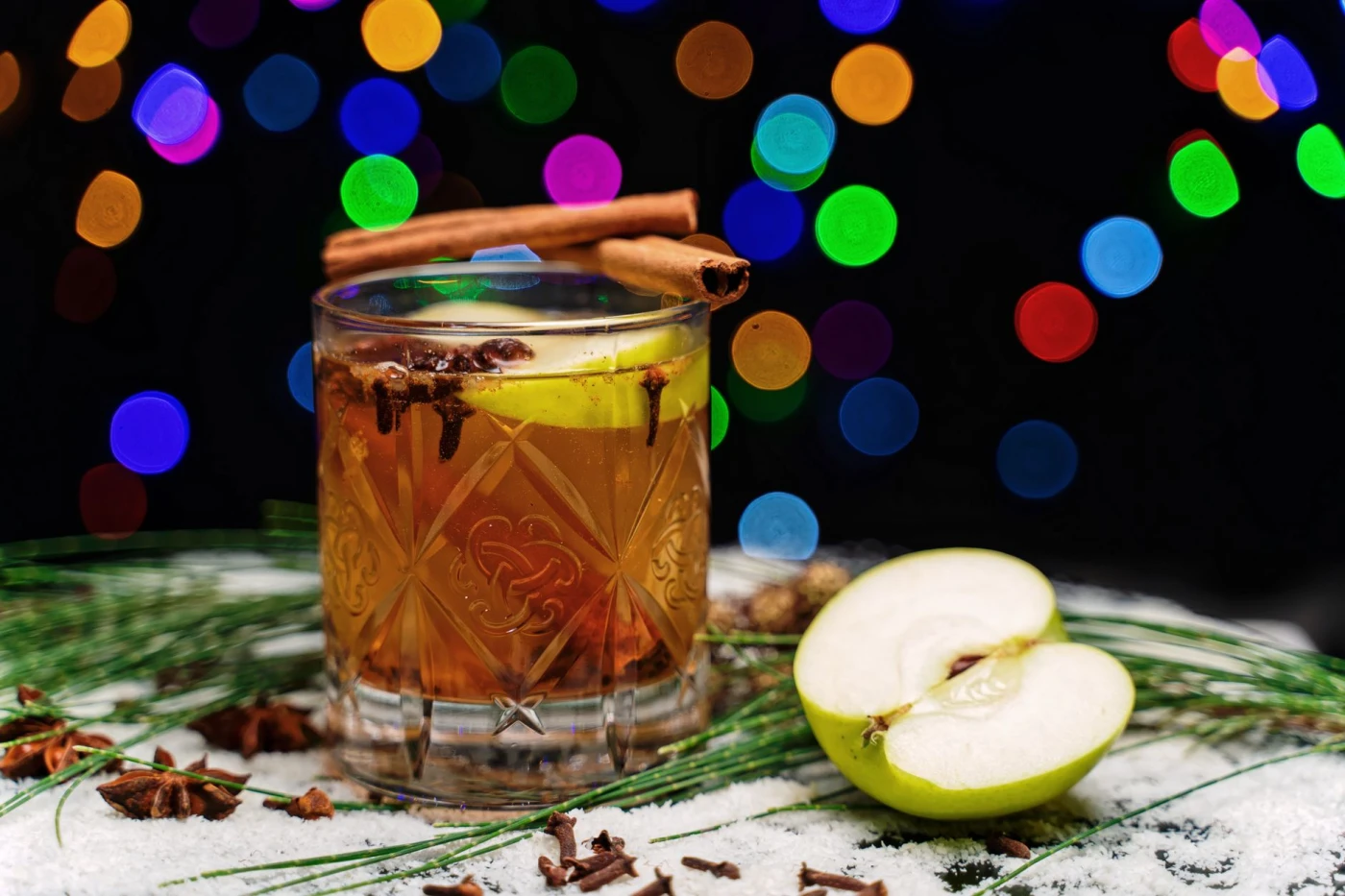
This recipe makes one generous serving. Measure both the spirit and juices; guessing is the fastest route to a sugary drink. You will need:
- 1.5 oz (45 ml) London dry gin, ideally 40–47% ABV
- 3 oz (90 ml) fresh orange juice, strained of excess pulp
- 1.5 oz (45 ml) cloudy apple juice
- 0.5 oz (15 ml) honey syrup, made with equal parts honey and warm water
- 0.25 oz (7.5 ml) fresh lemon juice
- 0.5 oz (15 ml) water
- 1 small cinnamon stick
- 2 whole cloves
- 2 orange-peel strips, about 3 inches (7.5 cm) each
- 1 thin orange wheel and 1 cinnamon stick for garnish
For gin, I favour a sturdy London dry. Beefeater 40% ABV in the US or 40% ABV in the UK, depending on the local bottling, is a dependable value; expect roughly $22–$27 for 750 ml or £18–£22 for 700 ml, with retailer prices varying. Tanqueray, usually 47.3% ABV in the US and 43.1% ABV in the UK, produces a firmer juniper finish and often costs about $25–$32 or £22–£28.
Fresh orange is worth squeezing. In my experience, a sweet bottled juice forces you to keep correcting the drink with lemon. Navel oranges are usually round and sweet; blood orange gives colour plus a softly bitter edge.
Use whole spices, not powder. Ground cinnamon floats, clumps and leaves a dusty texture. If you want faster chilled drinks for a different night, these quick vodka cocktails offer an easy counterpoint to this slow, aromatic serve.
How to Make a Spiced Orange Warmer
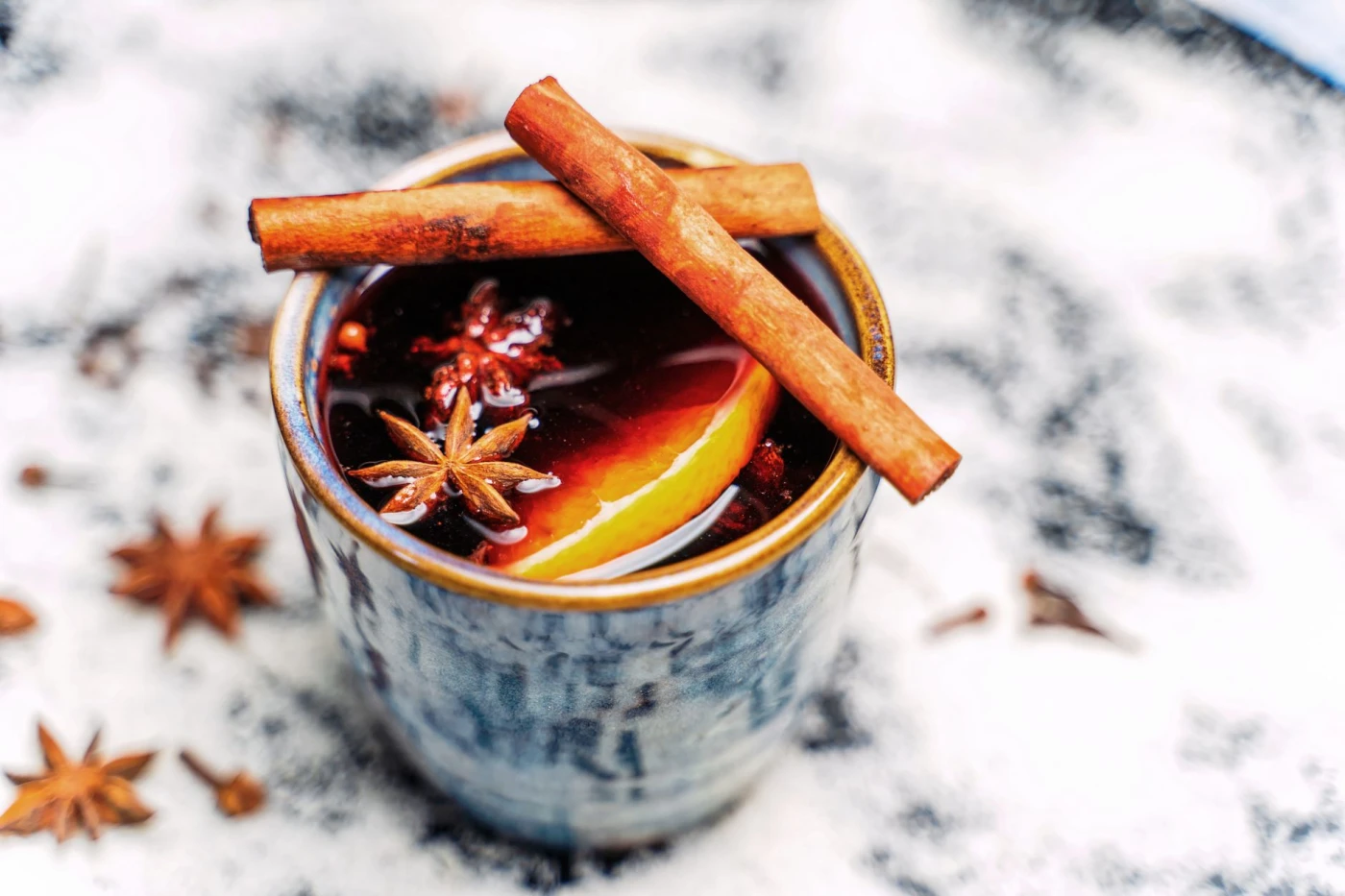
Use a small stainless-steel saucepan and low heat. A 1–1.5 qt (roughly 1–1.5 litre) pan gives the liquid enough depth without spreading it across a large hot surface.
- Prepare the garnish. Cut two peel strips with minimal white pith. Reserve one strip and the orange wheel for serving.
- Build the spice base. Add 3 oz (90 ml) orange juice, 1.5 oz (45 ml) apple juice, 0.5 oz (15 ml) water, one peel strip, one cinnamon stick and two cloves to the pan.
- Warm gently. Heat for 4–5 minutes, stirring occasionally. Aim for 140–149°F (60–65°C). Small wisps of steam are good; bubbling is not.
- Balance the drink. Stir in 0.5 oz (15 ml) honey syrup and 0.25 oz (7.5 ml) lemon juice. Taste a cooled spoonful. Add no more than 1 tsp (5 ml) extra syrup if the orange is unusually tart.
- Add the gin last. Pour in 1.5 oz (45 ml) gin and warm for about 30 seconds without simmering. This preserves more of its botanical aroma.
- Strain and serve. Fine-strain into a pre-warmed, heatproof 8–10 oz (240–300 ml) mug. Express the reserved peel over the surface, then add it with the orange wheel and fresh cinnamon stick.
After testing the recipe at several temperatures, 145°F (63°C) gave me the best balance between comforting heat and distinct citrus aroma. Above 160°F (71°C), the orange began to smell cooked and the gin became less expressive.
Making four servings? Multiply every liquid by four, but begin with only six cloves rather than eight. Spices do not always scale neatly. Prepare the juice base ahead, then add 6 oz (180 ml) gin just before service. For another citrus-led template, compare the cold-built Madras cocktail.
Expert Tricks for a Better Winter Gin Cocktail
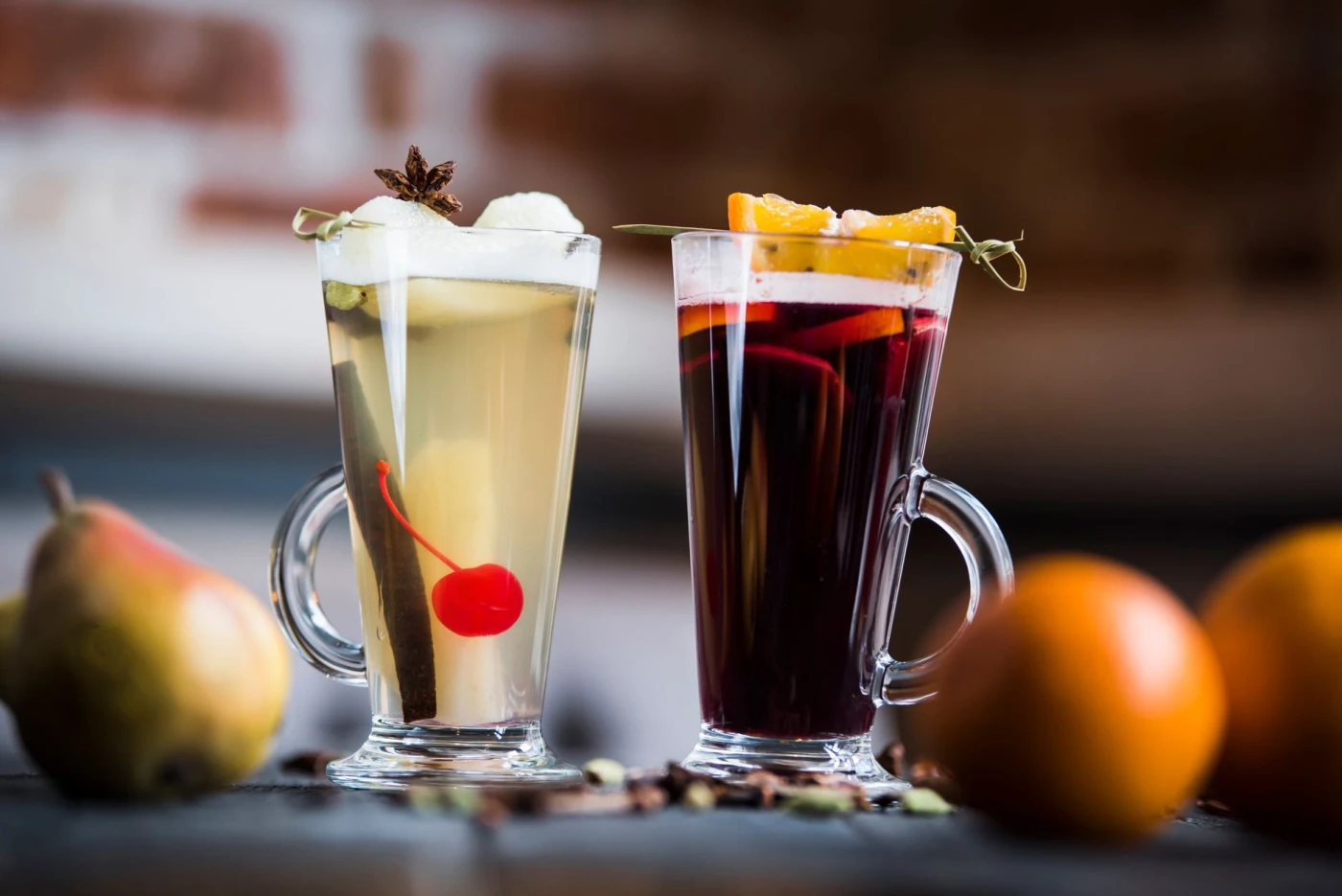
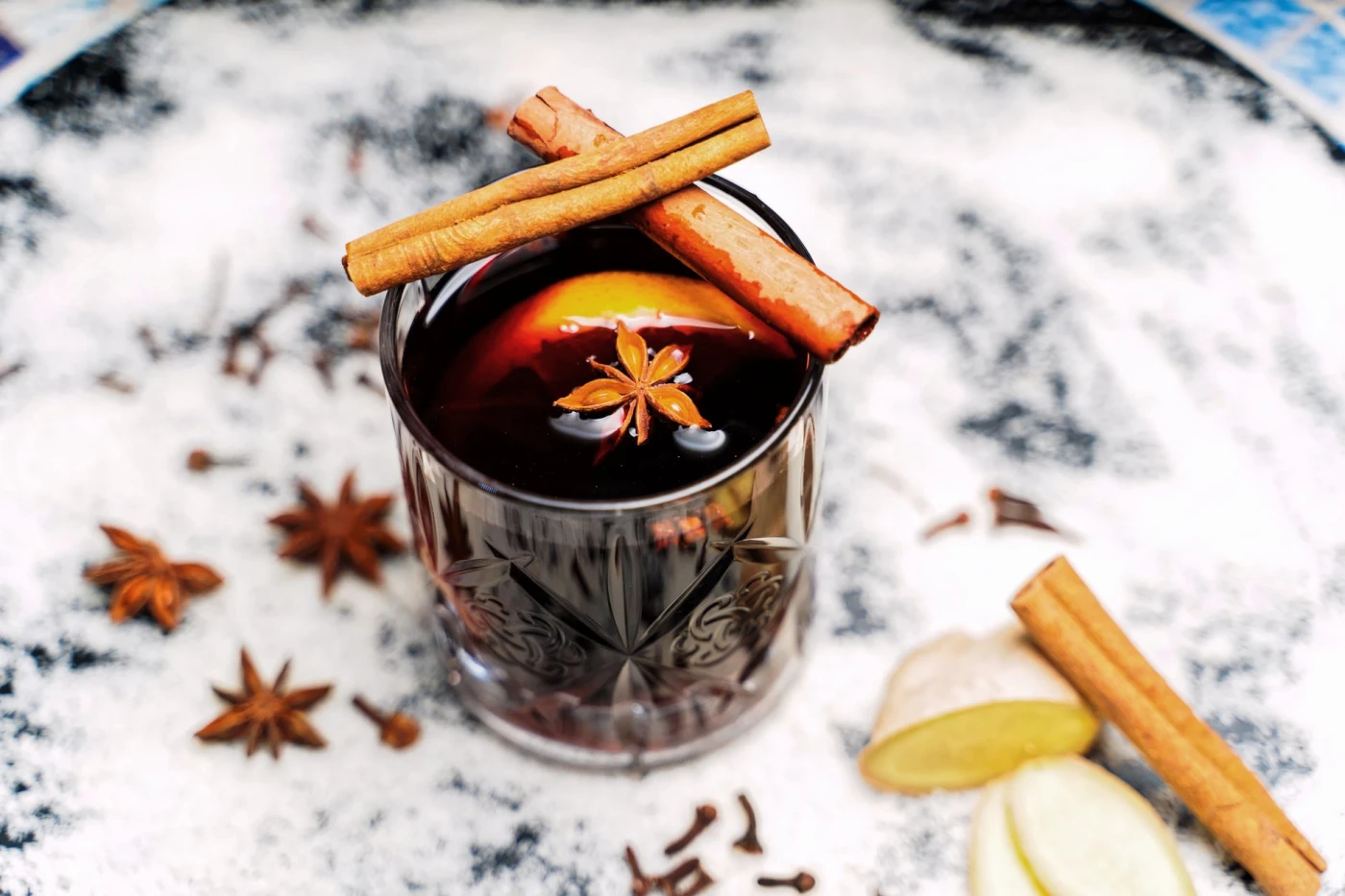
Control temperature first. In my experience, a $12–$20 instant-read kitchen thermometer improves hot cocktails more than an expensive bar spoon. Keep the Spiced Orange Warmer between 140°F and 149°F (60–65°C), and pull the pan from the hob or burner before it begins simmering.
Treat the peel as an ingredient. Use a vegetable peeler to cut a broad strip, then inspect its underside. Thick white pith creates bitterness during infusion. A few specks are harmless; a spongy white layer should be trimmed away.
Toast carefully—or skip it. Warming the cinnamon and cloves in a dry pan for 20–30 seconds can intensify their aroma. Stop as soon as they smell fragrant. Blackened cloves are acrid, and I’d skip the technique entirely if you are juggling food and guests.
Choose structure over novelty. This is easily one of the best uses for a straightforward London dry gin. A 40–47% ABV spirit gives enough juniper to stand behind heated fruit. Save delicate cucumber or rose-forward bottles for cold drinks, where their top notes are easier to perceive.
Pre-warm the mug. Fill it with hot tap water for one minute, discard that water and add the strained cocktail. The serve stays warm longer without requiring a higher cooking temperature. Use a vessel specifically intended for hot liquids.
Finally, taste for balance from a spoon after letting the sample cool briefly. Heat suppresses your perception of sweetness, so a piping-hot taste can mislead you into adding too much honey. Let’s be honest: you can add sweetness in seconds, but removing it means rebuilding the whole drink. If lower-strength entertaining appeals, browse these low-alcohol cocktail recipes for more measured options.
Five Spiced Orange Warmer Variations
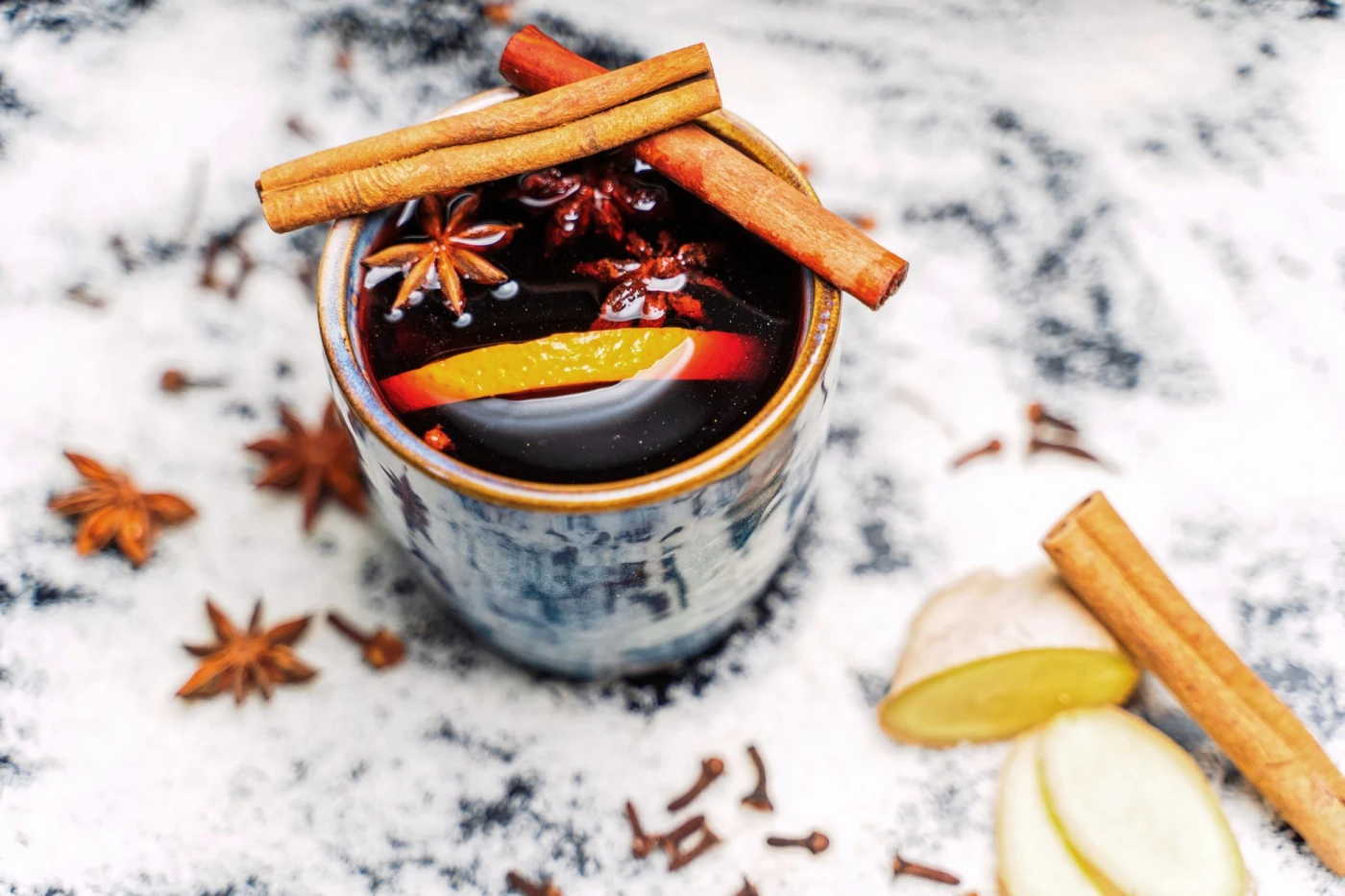
The base recipe is flexible, but change one main variable at a time. That way, you can still tell what the gin, citrus and spice are doing.
Blood Orange and Star Anise
- 1.5 oz (45 ml) London dry gin
- 3 oz (90 ml) blood orange juice
- 1.5 oz (45 ml) apple juice
- 0.5 oz (15 ml) honey syrup
- One quarter of a star-anise pod
Blood orange adds colour and gentle bitterness. Star anise is forceful, so resist dropping in a whole pod.
Ginger Orange Warmer
- 1.5 oz (45 ml) gin
- 3 oz (90 ml) orange juice
- 1.5 oz (45 ml) apple juice
- 0.5 oz (15 ml) ginger-honey syrup
- 0.25 oz (7.5 ml) lemon juice
Steep three thin ginger coins in the syrup for five minutes. This is my pick for a wet Bonfire Night.
Lower-Alcohol Highball Warmer
- 0.75 oz (22.5 ml) gin
- 3 oz (90 ml) orange juice
- 2 oz (60 ml) apple juice
- 0.25 oz (7.5 ml) honey syrup
The reduced pour yields roughly half the original alcohol while retaining identifiable juniper.
Whiskey and Orange Warmer
- 1.5 oz (45 ml) bourbon
- 3 oz (90 ml) orange juice
- 1.5 oz (45 ml) apple juice
- 0.5 oz (15 ml) maple syrup
Bourbon makes a rounder, vanilla-led variation. A bottle around 40–45% ABV works better than an aggressive barrel-proof whiskey.
Zero-Proof Botanical Warmer
- 1.5 oz (45 ml) non-alcoholic botanical spirit
- 3 oz (90 ml) orange juice
- 1.5 oz (45 ml) apple juice
- 0.25 oz (7.5 ml) honey syrup
Add one lightly crushed juniper berry during heating. Strain it out, then finish with lemon. For make-ahead inspiration beyond winter, see these portable picnic drinks.
Common Spiced Orange Warmer Mistakes
Boiling the mixture is the biggest error. Vigorous heat cooks the juice, flattens fresh peel aroma and sends volatile gin botanicals into the room instead of the mug. Stay below 149°F (65°C) and add the spirit near the end.
Using ground spices seems convenient, but cinnamon powder and ground clove are difficult to strain completely. They leave grit and continue intensifying while you drink. Whole spices give you cleaner flavour and easier control.
Overloading the cloves is another trap. Two cloves are enough for one Spiced Orange Warmer. After testing batches with three and four, I found the finish medicinal and mouth-numbing. When scaling up, begin conservatively, taste after five minutes and remove the spices once the balance is right.
Ignoring the orange’s sweetness can produce wildly different results. Taste the juice before adding the full 0.5 oz (15 ml) honey syrup. If it is very sweet, start with 0.25 oz (7.5 ml). If it is sharp, keep the full amount and adjust by teaspoons.
Choosing a fragile glass creates a genuine safety problem. A thin Martini, coupe or ordinary wine glass may crack under thermal shock. Use a heatproof toddy glass or ceramic mug, and pre-warm it gradually.
Leaving pith on the peel turns bright orange fragrance into lingering bitterness. Cut shallow strips. Also discard the infused cinnamon and cloves rather than transferring them into the cup; use a fresh cinnamon stick only as garnish.
Finally, avoid covering weak ingredients with more sugar. Flat bottled juice remains flat. Fresh citrus, correct heat and a balanced gin matter more than elaborate decoration—much as they do across the enduring drinks explored in our look at 1990s cocktail favourites.
Food Pairings and Festive Occasions
The Spiced Orange Warmer shines during the hour when guests arrive cold and dinner is not quite ready. Serve it at a Christmas drinks party, Thanksgiving gathering, Boxing Day lunch or New Year’s Eve supper. In the UK, it also fits naturally beside a Bonfire Night spread; in the US, it is an inviting alternative to eggnog after winter decorating.
Pair it with food that echoes one element without repeating everything. Baked Brie or Camembert works because creamy, salty cheese softens citrus acidity. Add toasted walnuts, but keep any accompanying chutney tart rather than sugary.
Roast pork, glazed ham and cocktail sausages all suit orange and apple. Mustard provides the sharpness needed to stop the combination becoming sweet-on-sweet. For a vegetarian plate, try mushroom tartlets, aged Cheddar, roasted squash or sage biscuits.
Dessert needs restraint. Ginger biscuits, shortbread, mince pies and a lightly spiced apple cake are dependable. I’d skip intensely frosted cupcakes or sticky toffee pudding alongside the full-sugar recipe; the drink will taste dull by comparison. Dark chocolate around 65–75% cocoa is a smarter ending.
For service, prepare the alcohol-free juice-and-spice base up to one day ahead and refrigerate it below 40°F (4°C). Reheat only what you need, add gin to each measured serving and offer the zero-proof variation from a clearly labelled pan. Keep water and food visible.
For responsible drinking, remember that one warm mug still contains 1.5 oz (45 ml) of spirits. US readers can consult the National Institute on Alcohol Abuse and Alcoholism, while UK readers can find practical guidance at Drinkaware. Warmth and sweetness can disguise strength, so pace the evening rather than automatically refilling every cup.
How to Batch a Spiced Orange Warmer for Guests
A larger batch makes entertaining easier, but the best method is not to leave a saucepan simmering throughout the party. Prolonged heat gradually cooks the orange juice, extracts excess bitterness from the spices and strips away the gin’s most delicate aromas. Instead, prepare a measured citrus-and-spice base, strain it and reheat smaller portions when guests are ready for another round.
For eight servings, combine 24 oz (720 ml) fresh orange juice, 12 oz (360 ml) cloudy apple juice, 4 oz (120 ml) honey syrup, 2 oz (60 ml) fresh lemon juice and 4 oz (120 ml) water. Add three small cinnamon sticks, 10 whole cloves and four broad strips of orange peel. Heat the mixture slowly to 145°F (63°C), hold it there for about five minutes and taste. Remove the spices as soon as their flavour is clear but still gentle.
Fine-strain the base into a clean heatproof container. If serving immediately, return it to low heat and add 12 oz (360 ml) London dry gin shortly before pouring. If preparing ahead, cool the alcohol-free base promptly, cover it and refrigerate it below 40°F (4°C) for no more than 24 hours. Add the measured gin only after the base has been reheated. This sequence retains more juniper and fresh citrus character.
A slow cooker can keep the strained base warm, but use its lowest setting and check the temperature periodically. Many appliances run hotter than their labels suggest. Keep the lid on when practical, aim for 140–149°F (60–65°C) and never allow the mixture to bubble. Add gin by the individual serving if the gathering will run for several hours; pour 1.5 oz (45 ml) into each mug before adding the hot base.
Set up the serving area before guests arrive. Pre-warm heatproof mugs, cut thin orange wheels and place fresh cinnamon sticks in a dry container. A small jigger beside the pan makes individual spirit measures consistent. Keep the alcoholic and zero-proof versions in separate, clearly labelled vessels, and use different ladles to avoid accidental mixing.
Finally, plan slightly fewer servings than the maximum theoretical yield if you are heating in stages. A little liquid remains in pans, strainers and measuring jugs, and fresh juice can foam during preparation. Eight measured portions should be treated as eight modest mugs rather than eight vessels filled to the rim. Offering water, savoury snacks and an appealing alcohol-free warmer helps every guest choose the pace that suits them.
Choosing and Storing Fresh Citrus
Because orange supplies most of the liquid, its quality affects the cocktail more than an elaborate garnish. Choose fruit that feels heavy for its size, has firm skin and smells fragrant near the stem. Weight usually indicates plentiful juice, while a little natural variation in skin colour is harmless. Avoid oranges with soft patches, broken skin or a fermented aroma.
One medium orange may provide roughly 2–3 oz (60–90 ml) of juice, but yield varies by variety, size and season. Buy an extra piece of fruit when making several servings. Roll each orange gently on the counter before cutting, juice it at room temperature and strain only the largest pieces of pulp. Excessive fine-straining can remove some of the texture that gives the warmer its satisfying body.
Wash and dry the fruit before removing peel, even when the peel will only be infused briefly. Cut shallow strips so the aromatic coloured surface is retained without a thick layer of bitter white pith. Juice left from preparation should be refrigerated promptly in a sealed container and used as soon as practical. Freshly squeezed citrus loses brightness over time, so same-day juice produces the liveliest Spiced Orange Warmer.
Spiced Orange Warmer Quick Reference
Need the recipe without the deep dive? This table captures the working formula for one Spiced Orange Warmer. Use a jigger for ounces or a small graduated measure for millilitres.
| Component | US measure | UK/metric measure | Purpose |
|---|---|---|---|
| London dry gin | 1.5 oz | 45 ml | Juniper structure |
| Fresh orange juice | 3 oz | 90 ml | Main fruit and acidity |
| Cloudy apple juice | 1.5 oz | 45 ml | Body and gentle sweetness |
| Honey syrup | 0.5 oz | 15 ml | Sweetness and texture |
| Fresh lemon juice | 0.25 oz | 7.5 ml | Balance |
| Water | 0.5 oz | 15 ml | Controlled dilution |
| Serving temperature | 140–149°F | 60–65°C | Hot without boiling |
| Estimated strength | About 9% ABV | About 9% ABV | Based on 40% ABV gin |
| Preparation time | 12 minutes | 12 minutes | Includes gentle heating |
For four servings, use 6 oz (180 ml) gin, 12 oz (360 ml) orange juice, 6 oz (180 ml) apple juice, 2 oz (60 ml) honey syrup, 1 oz (30 ml) lemon juice and 2 oz (60 ml) water. Begin with two cinnamon sticks and six cloves, then taste before extending the infusion.
Keep one final rule in mind: the Spiced Orange Warmer should smell vivid and taste balanced, not simply hot. Measure carefully, protect the citrus with low heat and let a reliable London dry gin do its job.
If this festive winter gin cocktail has inspired you to organise your tools and bottles, download the free home bar starter checklist. It is a simple next step toward faster, calmer drinks service whenever friends arrive.
Ask AI about this article
Pick a prompt, copy it, or open ChatGPT with this article preloaded.
Frequently Asked Questions
What is a Spiced Orange Warmer?
A Spiced Orange Warmer is a hot gin cocktail combining orange juice, apple juice, honey, lemon and aromatic whole spices. It sits somewhere between a hot toddy and a compact mulled punch, but gin supplies its defining juniper character. The drink should taste citrus-led and gently spiced, not syrupy or dominated by cin.
What is the best gin for a Spiced Orange Warmer?
A classic London dry gin is the most reliable choice because pronounced juniper and citrus peel remain noticeable after heating. Beefeater, Tanqueray and Sipsmith all work well. Choose a 40–47% ABV bottle rather than an intensely floral gin. Floral botanicals can become perfumed when warmed, while a structured dry styl.
How strong is this festive winter gin cocktail?
Using 1.5 oz (45 ml) of 40% ABV gin, the recipe is approximately 9% ABV before small changes caused by heating, juice variation or added water. That is stronger than many beers but lighter than a spirit-forward Martini. Treat the listed recipe as one serving, sip it slowly and avoid assuming that warmth makes it less a.
Why should a Spiced Orange Warmer not be boiled?
Boiling drives off delicate gin and citrus aromas, encourages alcohol evaporation and can make whole spices taste harsh. It may also create an unpleasant cooked flavour in fresh orange juice. Keep the liquid steaming but below a simmer, ideally around 140–149°F (60–65°C). A kitchen thermometer provides the easiest cont.
What glass should I use for a hot gin cocktail?
Use a heatproof mug, handled toddy glass or sturdy ceramic cup holding at least 8 oz (240 ml). Thin, non-heatproof cocktail glasses can crack when filled with hot liquid. Pre-warm the vessel with hot tap water, empty it and then add the cocktail. The handle also keeps your fingers comfortable while the drink is near se.
Comments 0
Login to Post comments