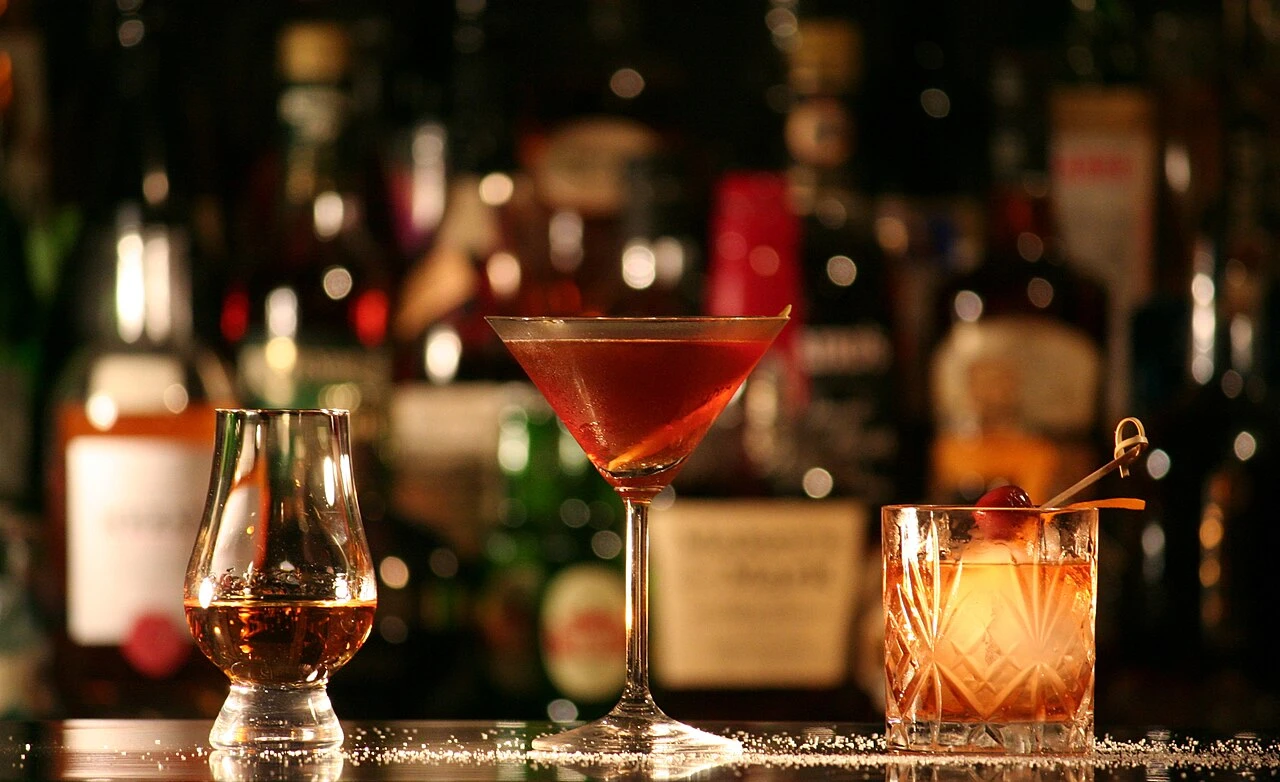

Cornish Gold Rum Old Fashioned: Better Than Whiskey?
A rich, oak-led Cornish rum cocktail with bitters, measured sweetness, and bright orange oils. Here is how to balance it properly at home.
The Cornish Gold Rum Old Fashioned turns a whiskey classic toward Cornwall without burying the spirit beneath juice or soda. You get oak, bittersweet cane, aromatic spice, and a flash of orange in one cold, compact glass.
It sounds simple. It is—but tiny decisions about sweetness, ice, and stirring separate a polished drink from warm rum over melting cubes. This guide gives you both US and UK measurements, sensible substitutions, and a repeatable method. If this is your first spirit-forward build, our guide to whiskey cocktails for beginners explains the broader family. Here, though, gold rum gets centre stage.
What Is a Cornish Gold Rum Old Fashioned?
A Cornish Gold Rum Old Fashioned applies the Old Fashioned formula—spirit, sugar, bitters, and water—to oak-aged gold rum connected with Cornwall. Cape Cornwall Gold Rum is a natural starting point: it is bottled at 40% ABV (80 proof) and brings aged-rum character to the template. Rosemullion Gold, at 43% ABV (86 proof), is a drier, more assertive regional alternative.
The Old Fashioned is better understood as a cocktail structure than a rule demanding bourbon. Early nineteenth-century descriptions of a cocktail centred on spirit, sugar, bitters, and water; whiskey later became its best-known base. Rum therefore belongs comfortably in the format, even if claims about one definitive historical Cornish version would be overstated.
What changes in the glass? Bourbon commonly suggests caramel, vanilla, and baking spice. An aged gold rum may add molasses, bittersweet cane, tropical fruit, grassy notes, or barrel tannin. The exact profile depends on fermentation, distillation, blending, ageing, and any permitted additions. For US context, the Alcohol and Tobacco Tax and Trade Bureau publishes federal information on distilled-spirit standards and labelling.
Here’s the thing: this is not a Mojito wearing formal clothes. There is no lime juice, mint, or fizzy mixer in the core recipe. The Cornish Gold Rum Old Fashioned should taste first of its rum, with bitters and sugar acting as framing devices. If you enjoy drinks whose ingredients remain recognisable, it deserves a place beside the recipes in 15 classic cocktails every home bartender should know.
Cornish Gold Rum Old Fashioned Ingredients
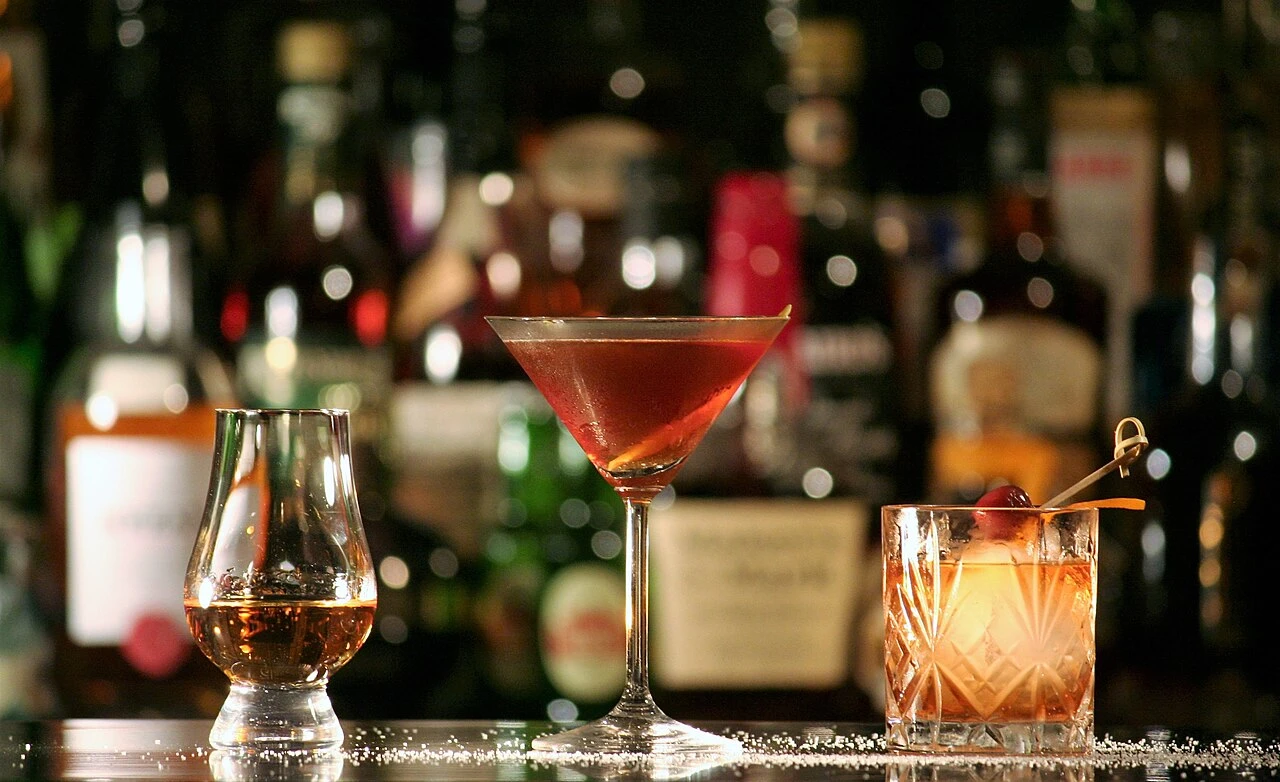
You need very little, so every ingredient shows. This spec produces one generous US serve. For a slightly smaller UK pour, use 1 2/3 oz (50 ml) rum and keep the syrup restrained.
- 2 oz (60 ml) Cornish gold rum, preferably Cape Cornwall Gold at 40% ABV; alternatively use 1 2/3 oz (50 ml)
- 1 teaspoon or 1/6 oz (5 ml) rich demerara syrup, made with two parts sugar to one part water by weight
- 2 dashes Angostura aromatic bitters, approximately 1/16 oz (2 ml) altogether
- 1 large orange-peel strip, about 3 x 1 inches (7.5 x 2.5 cm), with minimal white pith
- One large ice cube, roughly 2 inches (5 cm), plus ice for stirring
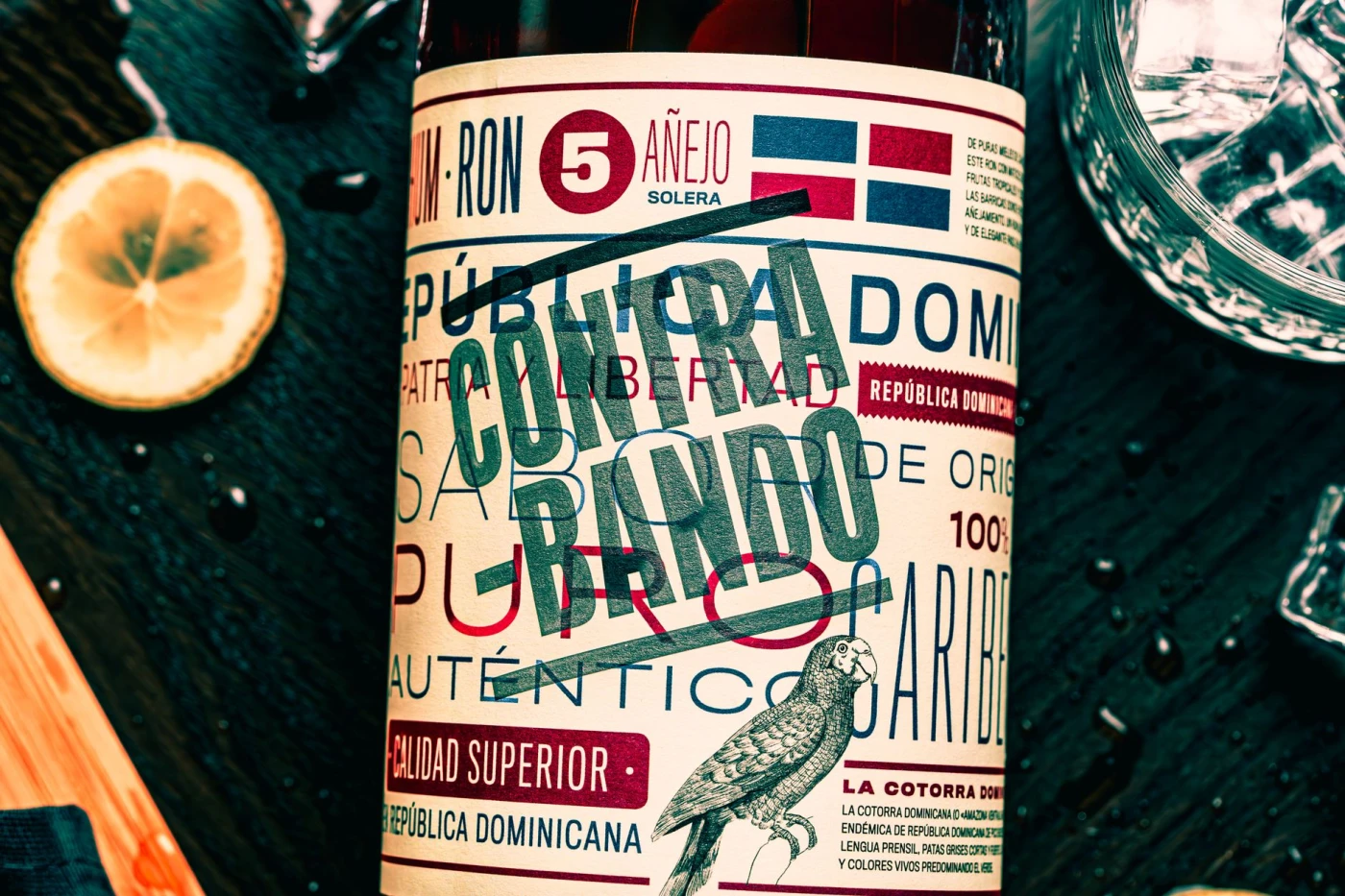
Cape Cornwall Gold is the most literal fit for a Cornish Gold Rum Old Fashioned. If shopping in Britain, Rosemullion Gold is another Cornish option and has recently been listed around £38 for 70 cl, although prices and availability change. US readers may find import stock inconsistent. Appleton Estate 8 at 43% ABV or Mount Gay Black Barrel at 43% ABV are credible substitutes, often roughly $35–$50 per bottle depending on state taxes and retailer.
Angostura bitters are 44.7% ABV, but only dashes are used. Orange bitters can make the finish brighter; start with one dash of each rather than doubling the total. I’d skip strongly vanilla-flavoured spiced rum for the first attempt because it can make the syrup seem excessive.
No demerara? Use equal-volume simple syrup. Dark muscovado syrup is richer, so begin with 1/2 teaspoon (2.5 ml). This ingredient discipline also matters in quick drinks such as these five-minute vodka cocktails: fewer ingredients leave nowhere for imbalance to hide.
How to Make a Cornish Gold Rum Old Fashioned
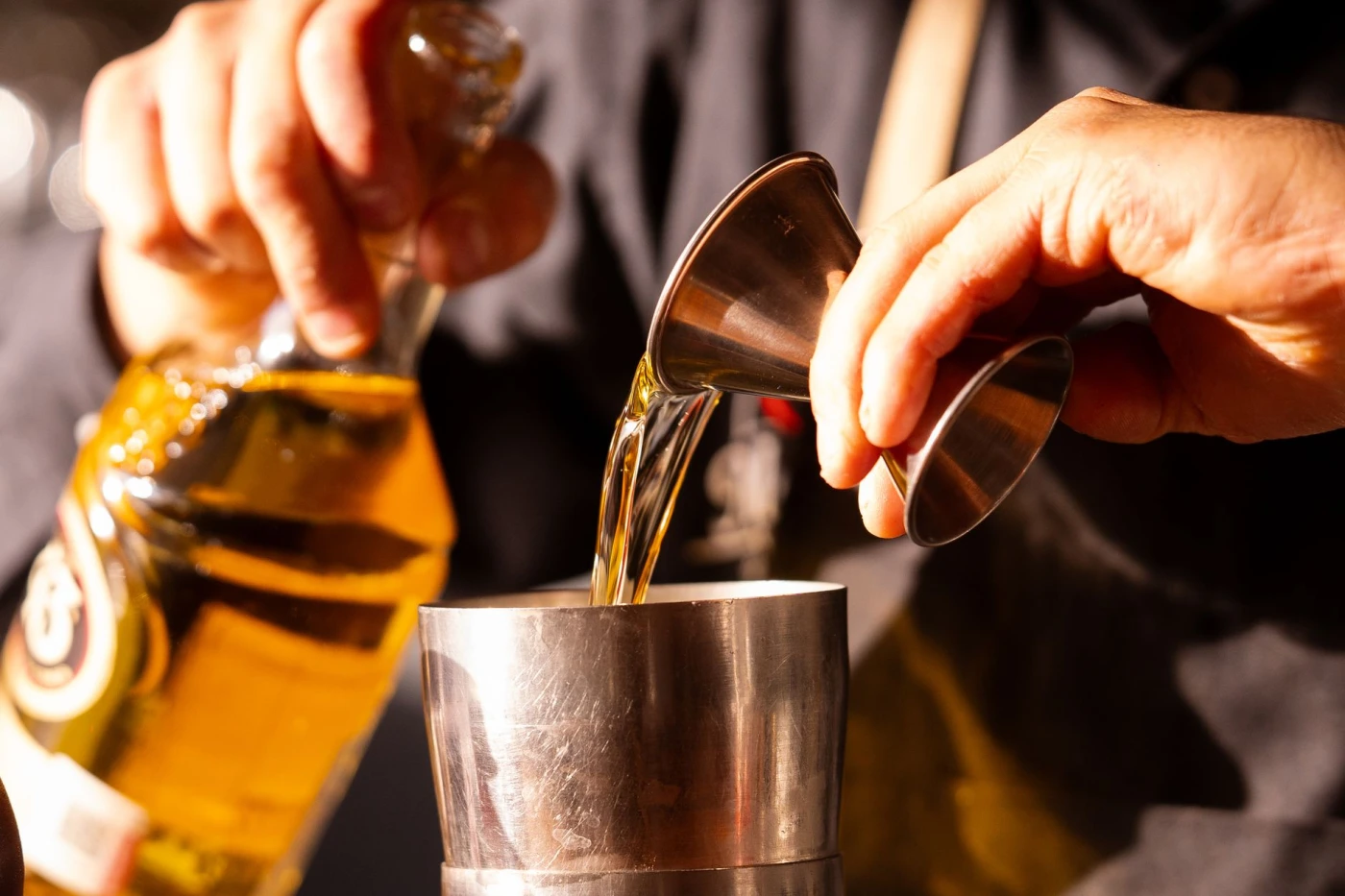
Stirring gives you controlled dilution and a clear, satiny drink. Chill the rocks glass for 10 minutes first if you can; a cold glass buys valuable time before the serving cube begins to melt.
- Measure. Add 1 teaspoon (5 ml) rich demerara syrup and two dashes of bitters to a mixing glass. Pour in 2 oz (60 ml) Cornish gold rum.
- Add ice. Fill the mixing glass at least three-quarters full with hard, fresh cubes. Too little ice warms and floods the drink faster.
- Stir. Rotate a bar spoon smoothly for 20–30 seconds. Keep the spoon against the glass rather than thrashing through the cubes.
- Taste. Lift a bar-spoon sample. You want a cold, integrated sip with softened alcoholic heat, not watery sweetness.
- Strain. Place one large cube in the chilled rocks glass and strain the cocktail over it.
- Express and garnish. Hold the orange peel, coloured side down, 2–3 inches (5–8 cm) above the drink. Pinch it firmly, rub the coloured side around the rim once, and place it in the glass.
After testing 20-, 25-, and 35-second stirs with standard home-freezer ice, I preferred the middle point. Around 25 seconds chilled the Cornish Gold Rum Old Fashioned without erasing its oak and cane character. Your ice may be colder, wetter, smaller, or larger, so tasting is more reliable than worshipping a timer.
A probe thermometer is optional, not mandatory. A finished temperature near 20–25°F (-7 to -4°C) generally feels crisp and properly chilled because alcohol prevents the mixture from freezing at water’s normal freezing point. No mixing glass? A sturdy pint glass or small jug works. No bar spoon? Use a long teaspoon and stir gently. Technique matters more than theatre.
How to Choose and Taste the Rum
The bottle matters more here than it does in a long drink because rum supplies nearly all the cocktail’s volume and flavour. Begin by pouring a small tasting measure before adding sugar or bitters. Smell it first without swirling aggressively. Look for a clear sequence: fresh cane or light molasses, fruit, spice, vanilla, toasted wood, and a dry or gently sweet finish. You do not need to identify every aroma. The purpose is to decide what the finished cocktail needs.
A soft, rounded rum with banana, vanilla, and caramel usually benefits from less syrup and a firm aromatic bitter. A leaner bottle with pepper, citrus peel, or noticeable oak may accept the full teaspoon of demerara. If the spirit tastes very woody, increasing sugar is not always the answer; one dash of orange bitters can make the profile feel brighter without hiding it. Conversely, a rum dominated by added vanilla or confectionery sweetness may never become balanced under the standard ratio.
Age statements can help with shopping, but they do not predict flavour perfectly. Climate, barrel type, blending, filtration, and production style all influence the result. Nor does a dark colour guarantee long maturation. Treat producer information as useful context, then let aroma and taste guide the recipe. When comparing two bottles, mix half-size drinks with identical syrup, bitters, ice, and stirring time. Changing only the rum reveals more than tasting two full cocktails made by instinct.
Also notice the finish after swallowing. The ideal base should remain present after the orange aroma fades. If all you taste is bitters, reduce them to one generous dash. If syrup coats the tongue, cut it by half. If the drink feels hot but otherwise balanced, stir a little longer rather than adding more sugar. This tasting-led approach makes the Cornish Gold Rum Old Fashioned adaptable without turning it into an entirely different cocktail.
Pro Tips for Better Balance, Ice, and Garnish
In my experience, sugar is the first lever to adjust. Taste the rum neat before mixing. If it presents ripe fruit and obvious vanilla, use 1/2–3/4 teaspoon (2.5–4 ml) rich syrup. If it is dry, tannic, and peppery, the full teaspoon (5 ml) may create better shape.
Next comes dilution. Weighing a drink before and after stirring is unnecessary for normal service, but it is useful once if you enjoy precision. A 2 oz (60 ml) rum build will often gain roughly 1/2–3/4 oz (15–22 ml) of water during stirring. That added water is an ingredient. It opens aromas and quiets raw heat.
After testing freezer ice against wet ice left in a bowl, the freezer cubes delivered the cleaner Cornish Gold Rum Old Fashioned. Surface water on neglected ice immediately changes your dilution. Use fresh cubes, fill the mixing vessel generously, and never assume fewer cubes mean a stronger result.
Orange peel must be fresh enough to spray visible oil. Bend it near a light and you should see a fine mist. In my experience, a coin-sized twist looks elegant but delivers less aroma than a broad strip. Avoid digging deeply into bitter white pith. For an even drier finish, express the peel and discard it.
This is easily one of the best spirit-forward templates for learning how sweetness, temperature, and aroma interact. Make two half-size versions side by side: each with 1 oz (30 ml) rum, but different syrup quantities or bitters. That comparison teaches more than memorising someone else’s preferred ratio. If you want another benchmark, explore the Old Fashioned’s place among beginner-friendly whiskey cocktails, then decide which base you actually prefer.
Cornish Gold Rum Old Fashioned Variations
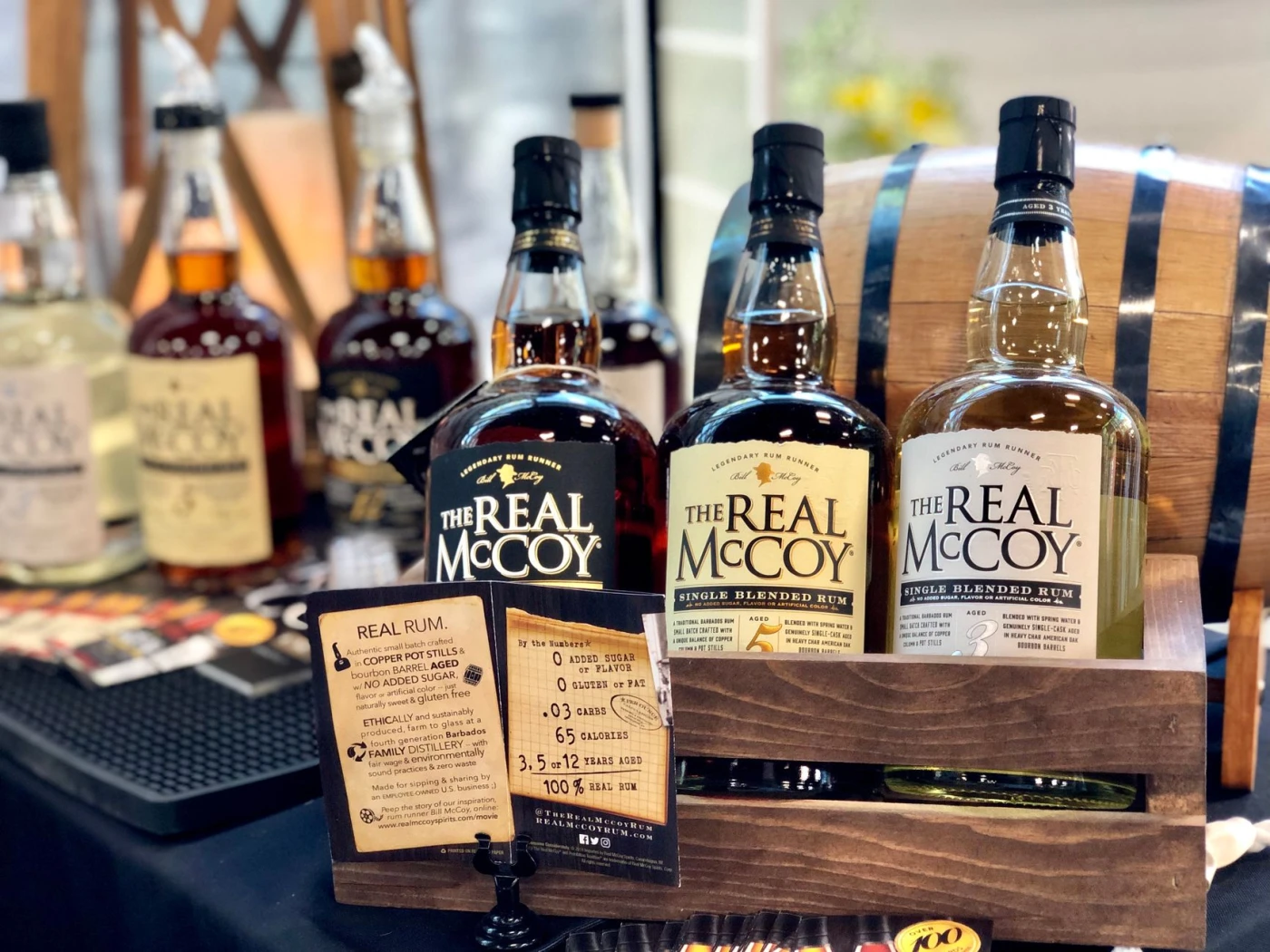
Once the base recipe works, change one element at a time. These are deliberate variations, not claims of traditional Cornish practice.
Maple and Walnut
- 2 oz (60 ml) gold rum
- 1 teaspoon (5 ml) pure maple syrup
- 1 dash Angostura plus 1 dash walnut bitters
- Orange peel
Maple adds autumn warmth for Bonfire Night or Thanksgiving. Use real maple syrup sparingly; pancake syrup can dominate.
Chocolate-Orange
- 2 oz (60 ml) gold rum
- 1 teaspoon (5 ml) demerara syrup
- 1 dash aromatic bitters plus 1 dash cacao bitters
- Orange peel
This version suits Christmas pudding or dark chocolate. I’d skip chocolate liqueur unless you deliberately want a sweeter, heavier drink.
Split-Base Whiskey Version
- 1 oz (30 ml) Cornish gold rum
- 1 oz (30 ml) rye whiskey
- 1 teaspoon (5 ml) demerara syrup
- 2 dashes aromatic bitters
Rye contributes pepper and dryness while rum supplies rounded cane notes. It is a useful bridge for readers working through essential classic cocktails.
Lower-Alcohol Highball
- 1 oz (30 ml) gold rum
- 1/2 teaspoon (2.5 ml) syrup
- 2 dashes bitters
- 3 oz (90 ml) chilled soda water
Build over ice in a highball and finish with orange. It is not technically an Old Fashioned, but it preserves the flavour direction while reducing spirit per glass. Find more measured options in these low-alcohol cocktail recipes.
Whichever path you choose, first make the original Cornish Gold Rum Old Fashioned. A reliable baseline turns experimentation into useful learning rather than guesswork.
Common Cornish Gold Rum Old Fashioned Mistakes
Over-sweetening is the usual problem. A bar spoon is not a universal volume, and a casual pour can double the syrup. Measure 1 teaspoon (5 ml), stir, and taste. You can add another 1/4 teaspoon (1 ml); you cannot remove it.
Choosing rum by colour alone is another trap. Gold colouring does not reveal age, sweetness, production method, or flavour intensity. Read the label, check the producer’s information, and taste the bottle neat. For this drink, seek oak, cane, spice, and enough dryness to survive sugar and bitters.
Shaking the cocktail makes it cloudy and aerated. That is not dangerous, but it produces the wrong texture for a sleek Cornish Gold Rum Old Fashioned. Stir because every core ingredient is clear and spirit-based.
Using stale or tiny ice can turn a concentrated drink watery before you finish it. Frost-covered cubes may also carry freezer odours. Keep ice sealed, use plenty while stirring, and serve over one fresh large cube where possible.
Muddling an orange wedge releases juice, pulp, and bitter pith. That fruit-heavy style has fans, but it obscures a nuanced Cornish rum. Express only the peel oils for a cleaner result. Likewise, supermarket cocktail cherries can add neon sweetness; choose a quality cherry or omit it.
Ignoring temperature leaves alcohol heat disconnected from the other flavours. Warm glassware makes matters worse. Chill the glass and stir long enough to make the drink cohesive.
Finally, do not quietly substitute a heavily sweetened coconut or vanilla spirit and expect the same ratio to work. Rebalance from zero. The lesson applies across eras—from today’s restrained builds to the sweeter drinks discussed in our look at famous 1990s drinks. Names tell you less than ingredients do.
Food Pairings, Seasons, and Serving Occasions
The Cornish Gold Rum Old Fashioned works best before dinner, after dinner, or beside food with enough richness to meet it. Salt, smoke, toasted nuts, caramelisation, and dark chocolate all echo or contrast the drink’s cane-and-oak profile.
For a British spread, try mature Cornish cheddar, smoked mackerel pâté, sausage rolls with mustard, or a small piece of sticky toffee pudding. Keep portions modest; the cocktail is concentrated. In the US, it pairs naturally with barbecued pork, maple-glazed pecans, aged cheddar, or bittersweet chocolate containing roughly 70% cocoa.
Season matters too. Orange, spice, and barrel notes make this an easy autumn and winter serve for Thanksgiving, Christmas, Burns Night gatherings, or a quiet stormy evening. Yet it is not restricted to cold weather. On a Cornish summer evening—or a warm American patio—use a thoroughly chilled glass, a large clear cube, and the drier 1/2-teaspoon (2.5 ml) syrup adjustment.
Hosting? Pre-batch six servings with 12 oz (360 ml) rum, 1 oz (30 ml) rich syrup, 12 dashes bitters, and 3 oz (90 ml) chilled water. Refrigerate at or below 40°F (4°C), then pour about 2 2/3 oz (80 ml) over fresh ice. Cut and express orange peels at service. For an outdoor gathering, compare that method with these portable make-ahead picnic drinks.
A full-strength Cornish Gold Rum Old Fashioned is not a casual thirst-quencher. Responsible drinking means measuring each serve, pacing the occasion, offering water and food, and providing appealing alcohol-free choices. Label a batch clearly so guests know it contains alcohol, and never pressure anyone to drink or refill a glass without asking. Anyone driving should avoid alcohol entirely and arrange safe transport. For evidence-based US information consult the National Institute on Alcohol Abuse and Alcoholism; UK readers can use Drinkaware. Enjoy it responsibly and never drive after drinking.
Cornish Gold Rum Old Fashioned Cheat Sheet
Use this table when you want the recipe without rereading the full technique. The US column gives a bold two-ounce build; the UK column uses a slightly smaller 50 ml pour. Both preserve the same dry, rum-led character.
| Element | US measure | UK measure | Practical note |
|---|---|---|---|
| Gold rum | 2 oz | 50–60 ml | Choose 40–43% ABV aged rum |
| Rich demerara syrup | 1 tsp / 1/6 oz | 5 ml | Reduce to 2.5 ml for a drier drink |
| Aromatic bitters | 2 dashes | About 2 ml | One aromatic and one orange dash also works |
| Stirring time | 20–30 seconds | 20–30 seconds | Taste at 25 seconds |
| Serving ice | One 2-inch cube | One 5-cm cube | Use fresh, hard ice |
| Glass | 8–10 oz rocks glass | 240–300 ml tumbler | Chill before straining |
| Estimated finished strength | About 27–30% ABV | About 27–30% ABV | Varies with rum and dilution |
At 40% ABV, the 2 oz (60 ml) spec contains about 0.8 oz (24 ml) of pure alcohol before dilution. Water added by stirring reduces concentration but does not remove alcohol. Sip it slowly.
Let’s be honest: the best Cornish Gold Rum Old Fashioned is the one you can reproduce. Measure the rum and syrup, use cold ice, taste during stirring, and express a fresh peel. Those four habits matter more than expensive glassware.
Ready to organise the bottles, bitters, tools, and glassware behind this recipe? Download the free home bar starter checklist. Then make the Cornish Gold Rum Old Fashioned once to spec and once with your own carefully measured adjustment.
Ask AI about this article
Pick a prompt, copy it, or open ChatGPT with this article preloaded.
Frequently Asked Questions
What is a Cornish Gold Rum Old Fashioned?
A Cornish Gold Rum Old Fashioned is a spirit-forward cocktail made by replacing the whiskey in a conventional Old Fashioned with gold rum associated with Cornwall. Sugar and aromatic bitters frame the rum, while expressed orange peel adds fragrance. The result is usually rounder and more cane-led than a bourbon version.
How do you make a Cornish Gold Rum Old Fashioned?
Combine 2 oz (60 ml) Cornish gold rum, 1 teaspoon (5 ml) rich demerara syrup, and two dashes of Angostura bitters with ice. Stir for about 20–30 seconds, then strain over one large cube in a chilled rocks glass. Express a strip of orange peel over the surface and use it as the garnish. Taste before adding more sugar or.
What is the best rum for a Cornish Gold Rum Old Fashioned?
An oak-aged gold rum at approximately 40–43% ABV works best because it supplies vanilla, cane, spice, and barrel character without becoming heavy. Cape Cornwall Gold fits the regional idea, while Rosemullion Gold offers a fuller 43% ABV alternative. If neither is available, choose a balanced aged rum such as Appleton E.
Should a rum Old Fashioned be stirred or shaken?
Stir it. The ingredients contain no citrus juice, egg, dairy, or other component that needs forceful mixing. Stirring chills and dilutes the cocktail while preserving its clear, silky appearance. Shaking introduces air and small ice fragments, creating a cloudy texture. Use plenty of cold ice and stir steadily for 20–3.
How strong is a Cornish Gold Rum Old Fashioned?
Before dilution, 2 oz (60 ml) of 40% ABV rum contributes roughly 0.8 oz (24 ml) of pure alcohol. After proper stirring, the finished cocktail will commonly sit near 27–30% ABV, although the exact figure depends on the rum, syrup, ice, and dilution. A 43% ABV rum produces a somewhat stronger drink, so this cocktail shou.
What glass and ice should I use?
Use a heavy rocks glass holding roughly 8–10 oz (240–300 ml). One clear cube measuring about 2 inches or 5 cm across is ideal because it chills the drink while melting relatively slowly. Ordinary freezer cubes still work; stir with them and strain over fresh ice. Avoid crushed ice, which dilutes this concentrated drink.
How can I serve a Cornish Gold Rum Old Fashioned responsibly?
Treat it as a strong, slow-sipping cocktail rather than a thirst-quencher. Measure each serving, provide drinking water and food, offer appealing alcohol-free alternatives, and avoid automatically topping up a guest's glass. Anyone who is driving, pregnant, taking interacting medication, under the legal drinking age, o.
Comments 0
Login to Post comments