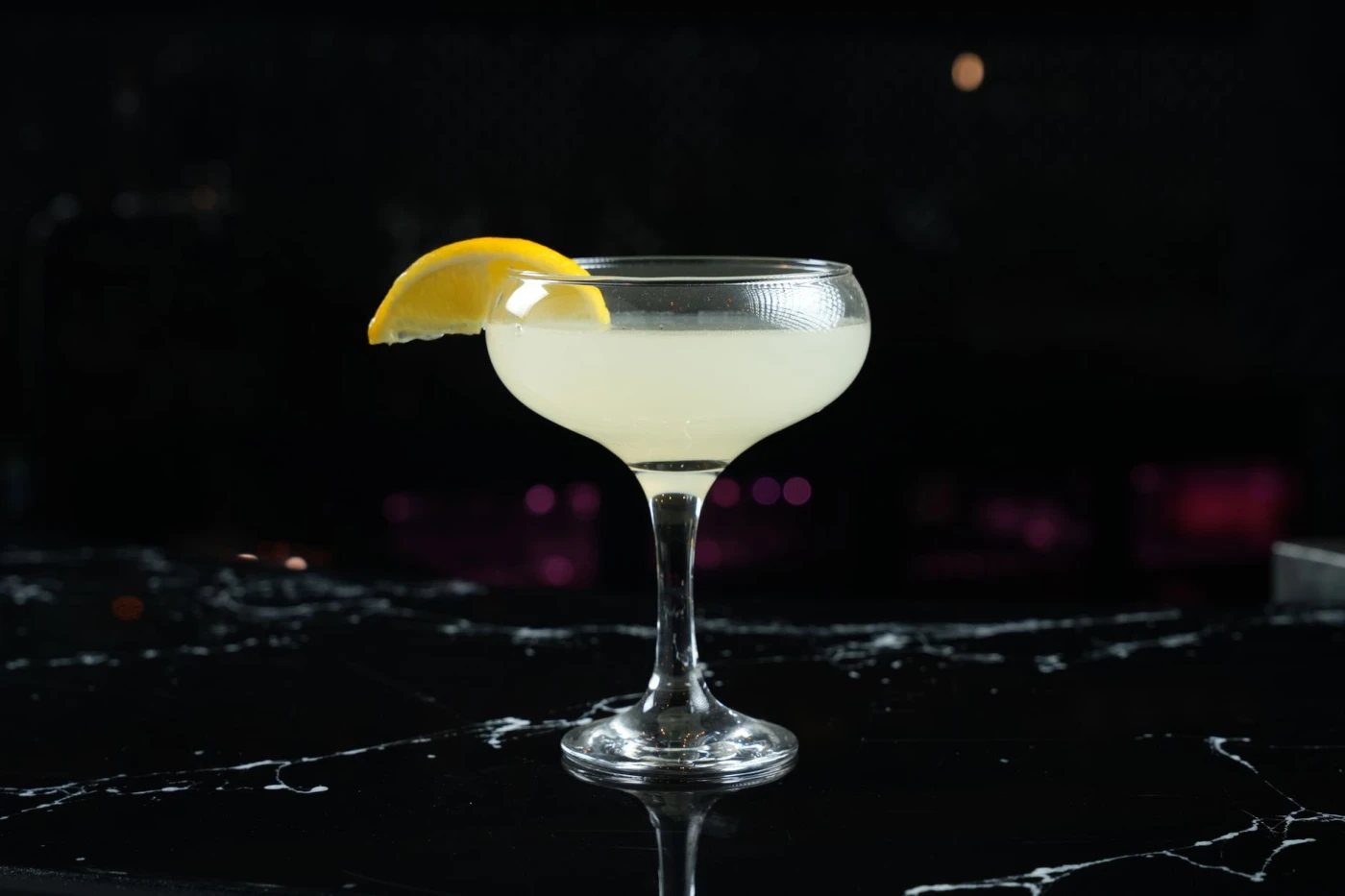

Death and Co.’s Corpse Reviver No. 2, Decoded
A precise, home-bar guide to the bright, bracing Corpse Reviver No. 2 served in the Death & Co tradition. Death and Co.’s Corpse Reviver No. 2 is the sort of cocktail that ma.
Death and Co.’s Corpse Reviver No. 2 is the sort of cocktail that makes equal parts feel anything but simple. Gin, Cointreau, Lillet Blanc and lemon arrive together, yet a whisper of absinthe turns the mixture into something colder, sharper and far more intriguing.
It is a classic worth learning, especially if you enjoy the drinks in our guide to 15 classic cocktails every home bartender should know. Here’s the thing: equal measurements do not guarantee balance. Your citrus, ice, bottle choices and shaking technique all matter. This guide gives you a dependable Death & Co-style build in US ounces and UK millilitres, plus the small adjustments that make it sing at home.
What Is Death and Co.’s Corpse Reviver No. 2?
The Corpse Reviver No. 2 belongs to a loose family of drinks once promoted as morning restoratives. The name was playful rather than medical: alcohol does not cure a hangover. The best-known formula appeared in bartender Harry Craddock’s 1930 The Savoy Cocktail Book, combining dry gin, orange liqueur, Kina Lillet, lemon and a little absinthe.
Kina Lillet was later discontinued, so today’s bartenders normally reach for Lillet Blanc or Cocchi Americano. Lillet is softer and fruitier. Cocchi brings more quinine bitterness and may suggest the sharper profile associated with historic aromatised wines, although no modern bottle is a perfect recreation.
Death & Co, the influential New York cocktail bar opened in 2006, helped a new generation rediscover this style of exact, spirit-forward classic. The Death & Co approach rewards disciplined measuring, properly cold glassware and controlled dilution. Nothing hides. That is precisely why the drink is so useful for improving your technique.
What does Death and Co.’s Corpse Reviver No. 2 taste like? Expect bright lemon first, then sweet orange, dry juniper and floral wine notes. The absinthe appears mainly in the aroma, lending anise and herbs without turning the cocktail into a liquorice bomb.
At roughly 20% ABV after shaking, it is stronger than its breezy citrus flavour suggests. Think of it as a full-strength aperitif, not a restorative remedy. If you are building your repertoire, compare its balanced sour structure with these beginner-friendly whiskey cocktails: different base spirits, same need for careful acidity and dilution.
Ingredients for Death and Co.’s Corpse Reviver No. 2
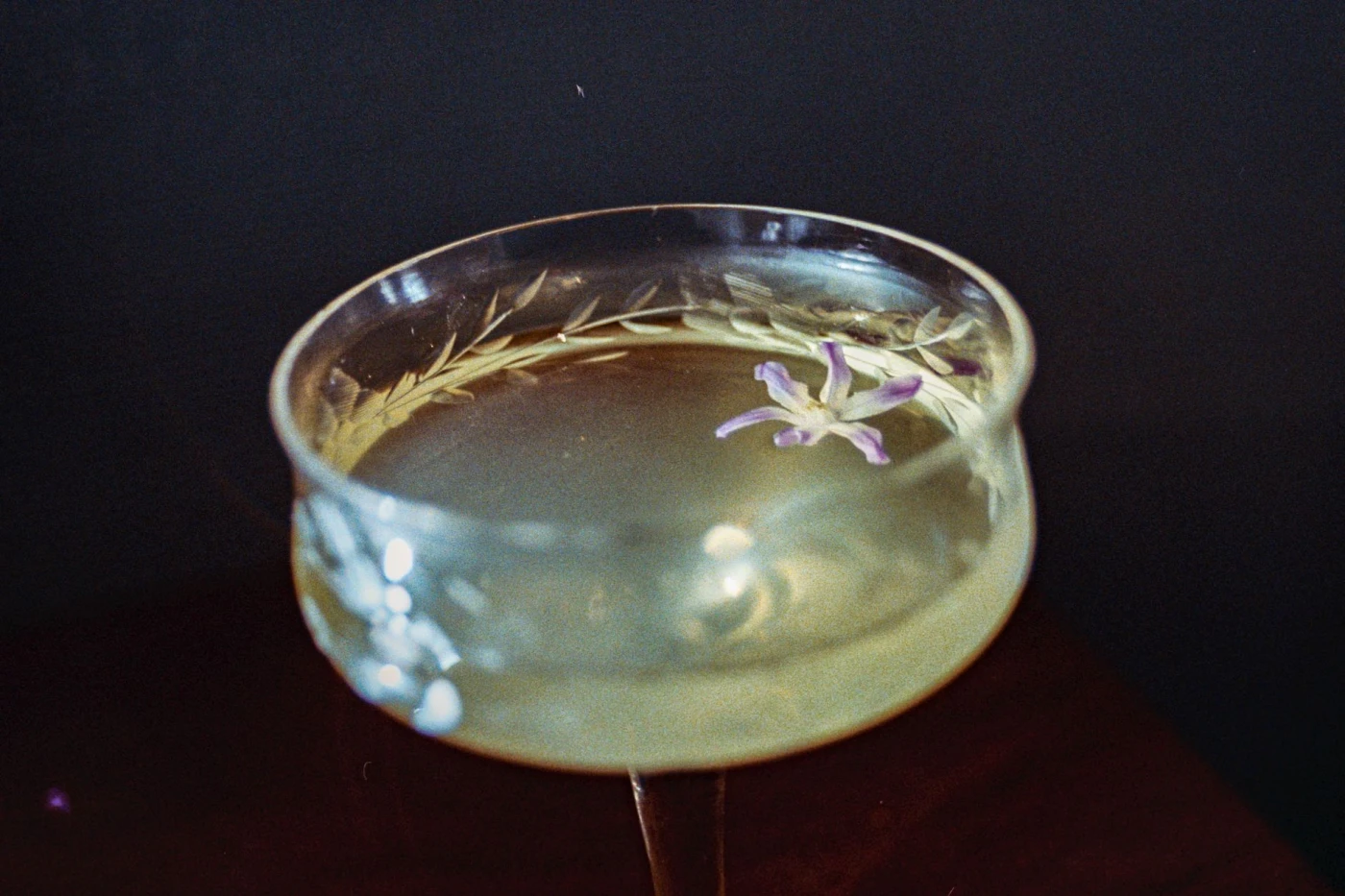
This equal-parts specification makes one generous cocktail. Use a 5–6 oz or 150–180 ml coupe so the finished drink fits comfortably after dilution.
- 1 oz (30 ml) London dry gin: Beefeater, typically 40% ABV, has enough juniper and citrus to stay present.
- 1 oz (30 ml) Cointreau: This 40% ABV orange liqueur is dry enough to keep the drink focused.
- 1 oz (30 ml) Lillet Blanc: At 17% ABV, it supplies floral, honeyed and lightly bitter wine notes.
- 1 oz (30 ml) fresh lemon juice: Squeeze and fine-strain it shortly before mixing.
- 1 dash or about 1/8 tsp (0.6 ml) absinthe: Vieux Pontarlier, around 65% ABV, or another quality absinthe works well.
- Optional garnish: One thin lemon peel, approximately 2 by 1 inches (5 by 2.5 cm).
Expect Beefeater to cost roughly $24–$30 for 750 ml in the US or £20–£25 for 700 ml in the UK. Cointreau commonly lands around $35–$45 or £25–£32. Prices vary by shop and tax, but you do not need a rare bottle.
In my experience, London dry gin is the safest starting point. Plymouth Gin, 41.2% ABV, makes a rounder and earthier drink; Tanqueray creates a drier, more juniper-forward version. I’d skip heavily sweetened pink gin because it muddies both the colour and structure.
Keep opened Lillet refrigerated and aim to finish it within about a month for the liveliest flavour. Treat it as wine, not shelf-stable liquor. Leftovers can also work in spritzes or in the lighter recipes collected among our low-alcohol cocktails.
How to Make Death and Co.’s Corpse Reviver No. 2
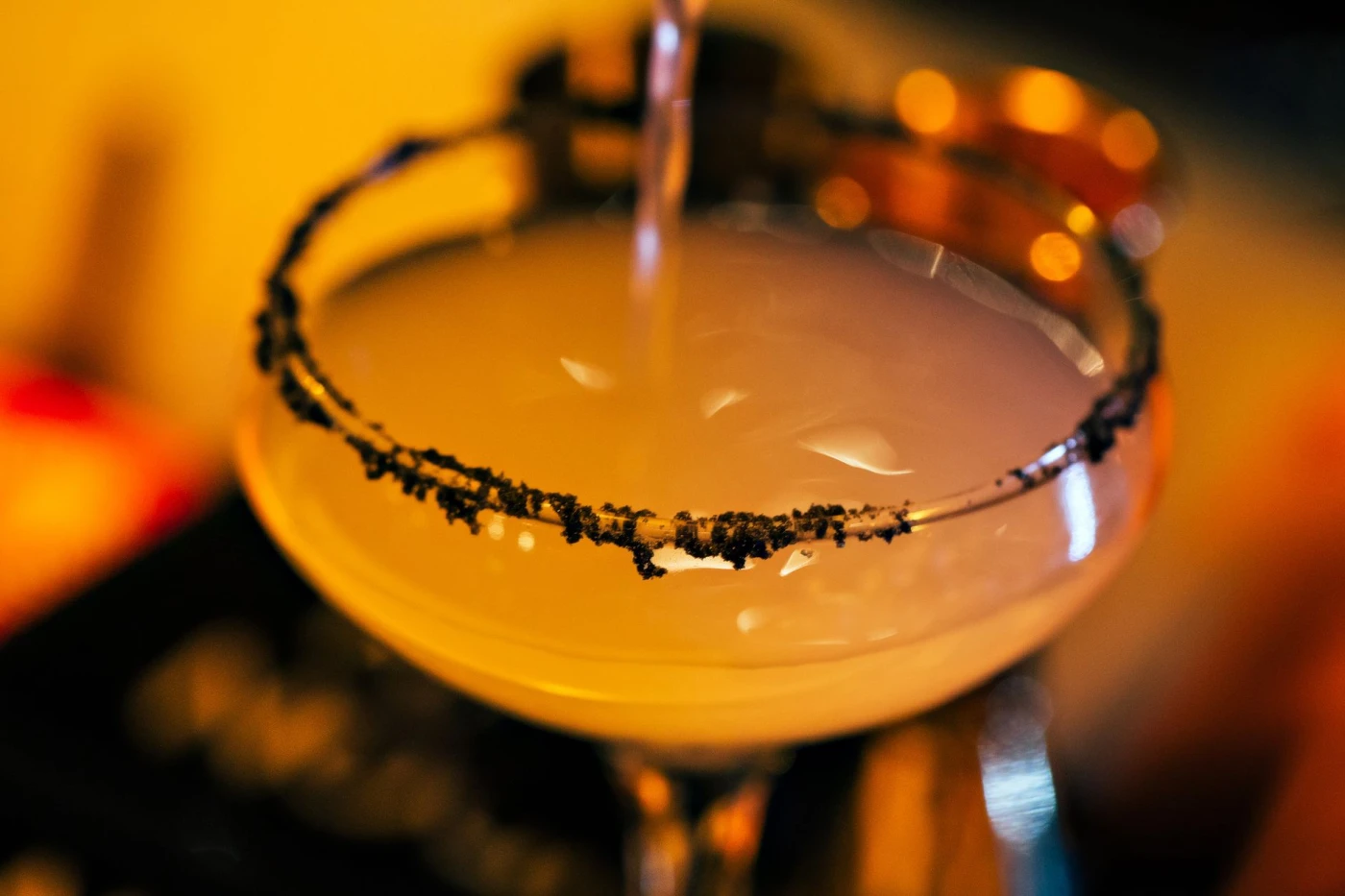
Cold is crucial. Place your coupe in the freezer for at least 10 minutes, ideally until it reaches roughly 20–25°F or -7 to -4°C. If freezer space is tight, fill the glass with ice and water while you prepare the drink.
- Rinse the glass. Add 1 dash or approximately 1/8 tsp (0.6 ml) absinthe to the chilled coupe. Rotate the glass until the inside is coated, then discard any obvious puddle.
- Measure the base. Pour 1 oz (30 ml) gin, 1 oz (30 ml) Cointreau and 1 oz (30 ml) Lillet Blanc into a shaker.
- Add citrus. Fine-strain 1 oz (30 ml) freshly squeezed lemon juice into the shaker to catch pulp and seeds.
- Add ice. Fill the shaker about three-quarters full with hard, fresh cubes. Wet, half-melted ice dilutes too quickly.
- Shake hard. Seal the shaker and shake vigorously for 10–12 seconds. The metal should become frosty and painfully cold.
- Double-strain. Empty any chilling ice from the coupe, then strain through both a Hawthorne strainer and a fine mesh strainer.
- Finish. Express a lemon peel over the surface if desired. Discard it for a minimalist serve or rest it neatly on the rim.
After testing different shake times, I found that eight seconds left the drink hot and angular, while roughly 12 seconds created a smoother texture without flattening the lemon. Your ice size matters, so taste and adjust.
Serve Death and Co.’s Corpse Reviver No. 2 immediately. Unlike quick highballs such as those in our five-minute vodka cocktail guide, this drink loses much of its charm once it warms above about 40°F or 4°C.
Pro Tips for Better Texture, Aroma and Balance

Measure every component. A casual extra quarter-ounce of Cointreau can turn this drink from brisk to sticky. A graduated jigger with 1/4 oz marks—or 5 ml increments in the UK—is one of the cheapest ways to improve it.
In my experience, lemon acidity changes more than people expect. A ripe supermarket lemon may taste softer than a small, tight-skinned fruit. Before shaking, taste a drop. If it is fiercely acidic, reduce the lemon to 7/8 oz (26 ml); if it seems mild, keep the full measure and avoid adding sugar.
Control the absinthe. Here’s the thing: more is not more. A 65% ABV absinthe can overpower four ounces of cocktail surprisingly quickly. I prefer rolling 1 dash around a cold glass and pouring the excess into a second glass for the next serving. A small atomiser also works; two fine sprays are plenty.
After testing Lillet Blanc beside Cocchi Americano, I would choose Lillet for an elegant, orange-floral profile and Cocchi for a drier, bitter-edged result. If you make that substitution, keep it one-for-one at 1 oz (30 ml). Do not compensate with simple syrup until you have tasted the finished drink.
Use dense ice straight from a freezer set near 0°F or -18°C. Small cloudy cubes are acceptable, but avoid ice that has absorbed freezer odours. Double-straining removes chips and pulp, creating the polished texture associated with high-end cocktail bars.
Finally, smell before sipping. The expressed peel and absinthe should introduce the drink, while lemon and orange carry the palate. This is easily one of the best tests of home-bar precision: five familiar ingredients, nowhere for stale citrus or sloppy measuring to hide.
Five Corpse Reviver No. 2 Variations Worth Trying

Once you understand the original balance, variations become useful rather than random. Keep the total volume similar, shake each version for 10–12 seconds and double-strain into a chilled, rinsed coupe.
More Bitter
- 1 oz (30 ml) London dry gin
- 1 oz (30 ml) Cointreau
- 1 oz (30 ml) Cocchi Americano
- 1 oz (30 ml) lemon juice
- 1 dash (0.6 ml) absinthe
This is my favourite alternative. Cocchi’s quinine edge makes the finish longer and less honeyed.
Softer and Floral
- 1 oz (30 ml) Plymouth Gin
- 1 oz (30 ml) Cointreau
- 1 oz (30 ml) Lillet Blanc
- 3/4 oz (22 ml) lemon juice
- 1 dash (0.6 ml) absinthe
The slightly reduced citrus lets Plymouth’s earthy character show.
Grapefruit Reviver
- 1 oz (30 ml) gin
- 1 oz (30 ml) Cointreau
- 1 oz (30 ml) Lillet Blanc
- 3/4 oz (22 ml) lemon juice
- 1/4 oz (7.5 ml) pink grapefruit juice
Use the standard absinthe rinse. Grapefruit adds aroma, not just extra sourness.
Lower-Strength Reviver
- 1/2 oz (15 ml) gin
- 1/2 oz (15 ml) Cointreau
- 1 1/2 oz (45 ml) Lillet Blanc
- 3/4 oz (22 ml) lemon juice
- 1/4 oz (7.5 ml) cold water
It is not identical, but it preserves the drink’s citrus-wine logic at a gentler strength.
Celebration Royale
- 3/4 oz (22 ml) each gin, Cointreau, Lillet Blanc and lemon
- 1 dash (0.6 ml) absinthe
- 1 oz (30 ml) chilled brut sparkling wine
Shake the first four ingredients, strain, then top with wine. It suits New Year’s Eve brilliantly and offers a sharper alternative to the make-ahead options in our portable picnic drinks guide.
Common Mistakes That Throw the Cocktail Off
Using bottled lemon juice is the fastest route to a dull drink. Heat processing and storage change its aroma, so squeeze fresh fruit on the day. One average lemon usually provides about 1–1.5 oz or 30–45 ml, though yield varies.
Pouring absinthe into the shaker can make its anise flavour too forceful. Unless you have an accurate dropper, rinse the glass instead. You want a scented veil, not a mouthful of fennel.
Treating Lillet like permanent bar stock is another common error. It is a wine-based aperitif at 17% ABV. Refrigerate it after opening, write the date on the bottle and replace it when its bright fruit becomes flat or oxidised. A vacuum stopper can help, but it does not stop time.
Under-shaking leaves Death and Co.’s Corpse Reviver No. 2 warm, concentrated and harsh. Over-shaking with fragile, melting ice produces the opposite problem: a thin cocktail with muted flavour. Use cold, solid cubes and let frost on the shaker—not a rigid universal count—guide you.
Guessing equal parts sounds harmless because the recipe is simple. It is not. The balance depends on actual equality, so use a jigger rather than counting free-pours. If you want an intentionally easier build, choose a forgiving long drink like the Madras cocktail.
Finally, do not assume its bright taste means low alcohol. Three of the four main ingredients contain alcohol, and two commonly sit at 40% ABV. Pour one serving per guest, provide water and food, and practise responsible drinking. For evidence-based US information consult the National Institute on Alcohol Abuse and Alcoholism; UK readers can find guidance from Drinkaware.
How to Taste and Adjust Your Corpse Reviver No. 2
A reliable recipe is the starting point, but tasting teaches you how the ingredients interact. Take a small sip as soon as the cocktail is strained and notice the order of flavours. A balanced Death and Co.’s Corpse Reviver No. 2 should open with absinthe and fresh citrus on the nose, deliver lemon and orange through the middle, and finish with gin botanicals plus a gentle wine-like bitterness. It should taste lively without making you wince and rounded without leaving a sugary coating.
If the cocktail seems too sour, first consider temperature and dilution. An under-shaken drink can feel unusually sharp because it lacks enough water to integrate the lemon. Shake a fresh serving slightly longer before changing the specification. If the lemon itself is especially aggressive, use 7/8 oz (26 ml) next time. A barspoon of simple syrup can soften the drink, but it also moves the recipe away from its clean equal-parts structure.
If it tastes too sweet, check your orange liqueur and aromatised wine. Cointreau is relatively dry, while some orange liqueur substitutes contain considerably more sugar. Return to Cointreau, choose Cocchi Americano instead of Lillet Blanc, or increase lemon by no more than 1/8 oz (4 ml). Change only one element at a time so you can identify what actually improved the balance.
A drink that seems thin or watery usually points to warm, melting ice, an overcrowded shaker or a delayed serve. Begin with cold ingredients, use plenty of hard cubes and strain promptly. Conversely, a cocktail that feels hot or spirituous probably needs more chilling and dilution. Another two or three seconds of vigorous shaking can make a noticeable difference.
If anise dominates every sip, the absinthe rinse is too heavy. Rinse the next glass with only a few drops or two sprays from an atomiser. If absinthe disappears completely, make sure the glass is cold before coating it and avoid washing the rinse away with leftover ice water. Aroma is the goal, so judge the rinse by smelling the empty prepared glass before you strain.
For the most useful comparison, prepare two half-sized versions side by side. Keep gin, Cointreau and lemon identical, then use Lillet Blanc in one and Cocchi Americano in the other. The exercise reveals how one bottle can change sweetness, bitterness and finish without introducing extra ingredients. Record the brands, measures, ice and shake time in a notebook. Those brief notes turn a good one-off result into a repeatable house recipe.
Pairings, Seasons and the Best Time to Serve It
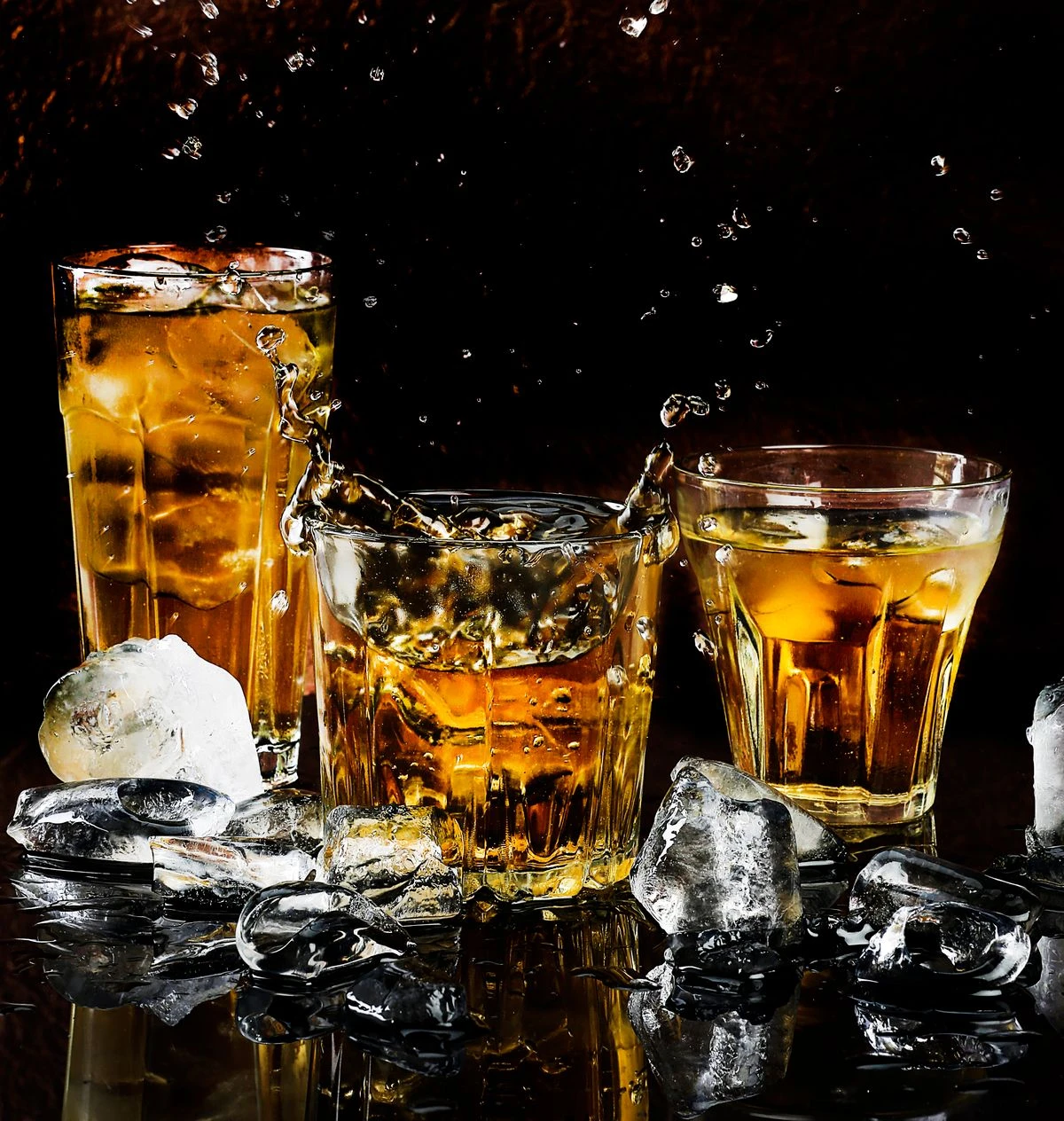
Serve this cocktail before dinner, when its lemon acidity and dry botanical finish can wake up the palate. Despite the mischievous name, it is not a hangover cure and I would not frame it as a breakfast drink. Late-afternoon aperitif hour is a far better fit.
Food should be salty, creamy or delicately rich. Smoked salmon blinis, goat’s-cheese crostini, oysters, crab cakes and fried courgette or zucchini all work. The citrus cuts fat, while Lillet and Cointreau echo fruitier garnishes. Avoid very sweet desserts; they can make the drink seem thin and aggressively sour.
In spring, pair Death and Co.’s Corpse Reviver No. 2 with asparagus tart or herbed chèvre. Summer invites chilled prawns, a British garden gathering or a rooftop aperitif. For autumn, try mushroom tartlets. At a winter cocktail party, its brightness provides welcome contrast to buttery pastry and dark, stirred drinks.
It is also an excellent speakeasy-themed choice. Chill the coupes in advance, measure the alcoholic ingredients into a sealed bottle and refrigerate, but add lemon only shortly before guests arrive. Shake each serving to order. That theatre is part of the pleasure, and individual shaking maintains the texture better than leaving a finished batch in a jug.
Let’s be honest: this is not the easiest option for a crowded barbecue. It demands cold glassware and active shaking. For a seated dinner, date night or a four-person cocktail tasting, however, it feels polished without requiring obscure techniques.
If your guests prefer nostalgic, sweeter flavours, offer something from our tour of 1990s drinks and their modern descendants as a second option. For bottle-label and distilled-spirit standards in the United States, the Alcohol and Tobacco Tax and Trade Bureau is the appropriate authority.
Death and Co.’s Corpse Reviver No. 2 Cheat Sheet
Use this quick reference once you know the reasoning behind the recipe. The UK figures are practical metric equivalents rather than mathematically exact conversions, which keeps measuring clean and repeatable.
| Element | US measure | UK metric | Key detail |
|---|---|---|---|
| London dry gin | 1 oz | 30 ml | Choose approximately 40–47.3% ABV |
| Cointreau | 1 oz | 30 ml | 40% ABV orange liqueur |
| Lillet Blanc | 1 oz | 30 ml | Refrigerate after opening |
| Fresh lemon juice | 1 oz | 30 ml | Squeeze and fine-strain |
| Absinthe rinse | 1 dash or 1/8 tsp | About 0.6 ml | Coat the glass; discard excess |
| Shake time | 10–12 seconds | 10–12 seconds | Use hard, freezer-cold ice |
| Glass capacity | 5–6 oz | 150–180 ml | Freeze for at least 10 minutes |
| Estimated served strength | About 19–20% ABV | About 19–20% ABV | Varies with dilution and brands |
For two cocktails, double every measured ingredient but shake the drinks separately unless your shaker comfortably holds the liquid and plenty of ice. Crowding reduces chilling efficiency. For four, pre-batch 4 oz or 120 ml each of gin, Cointreau and Lillet; refrigerate, then add lemon and shake individual servings.
Death and Co.’s Corpse Reviver No. 2 succeeds through contrast: botanical but citrusy, lightly sweet yet sharply refreshing, familiar yet scented with an unexpected trace of absinthe. Once your glass is cold and your measurements are exact, the recipe becomes wonderfully repeatable.
Ready to organise the bottles and tools behind better drinks? Download the free home bar starter checklist, stock fresh lemons and make this modern speakeasy favourite your next aperitif.
Ask AI about this article
Pick a prompt, copy it, or open ChatGPT with this article preloaded.
Frequently Asked Questions
What is Death and Co.’s Corpse Reviver No. 2?
It is a modern bar presentation of the classic Corpse Reviver No. 2: equal parts London dry gin, orange liqueur, aromatised wine and fresh lemon, accented with absinthe. The drink is cold, tart, citrus-led and botanical rather than sweet. Death & Co’s precision-focused style makes careful measuring, dilution and glass.
What ingredients are in a Corpse Reviver No. 2?
The standard build contains gin, Cointreau, Lillet Blanc, fresh lemon juice and a small amount of absinthe. This recipe uses 1 oz or 30 ml of each main ingredient. Kina Lillet appeared in the historic formula but is no longer produced, so modern bartenders generally use Lillet Blanc or the more bitter Cocchi Americano.
What is the best gin for Death and Co.’s Corpse Reviver No. 2?
A dry, juniper-forward gin works best because it remains distinct beside Cointreau and lemon. Beefeater London Dry at 40% ABV is a dependable, reasonably priced choice; Tanqueray at 43.1% ABV in the UK or 47.3% in many US markets produces a firmer drink. Plymouth Gin offers a softer, earthier alternative.
How strong is a Corpse Reviver No. 2?
With 40% ABV gin and Cointreau plus 17% ABV Lillet Blanc, the undiluted mixture is approximately 24% ABV. A vigorous shake usually adds about 0.75–1 oz or 22–30 ml of water, bringing the served cocktail close to 19–20% ABV. That estimate varies with ice, shaking time and the exact brands used.
Should a Corpse Reviver No. 2 have a garnish?
It does not require one. A restrained expressed lemon peel reinforces the citrus aroma without changing the flavour materially; discard it after expressing for a cleaner presentation. A brandied cherry makes the drink sweeter and more decorative but is not essential. Avoid dropping a thick peel into the glass because p.
Comments 0
Login to Post comments