The Mystical One: A Bourbon Sour With Secrets
The Mystical One layers bourbon, lime, cinnamon and fresh sage beneath a silky sour-style foam. Learn the exact recipe, technique and best variations. The Mystical One is what happ.
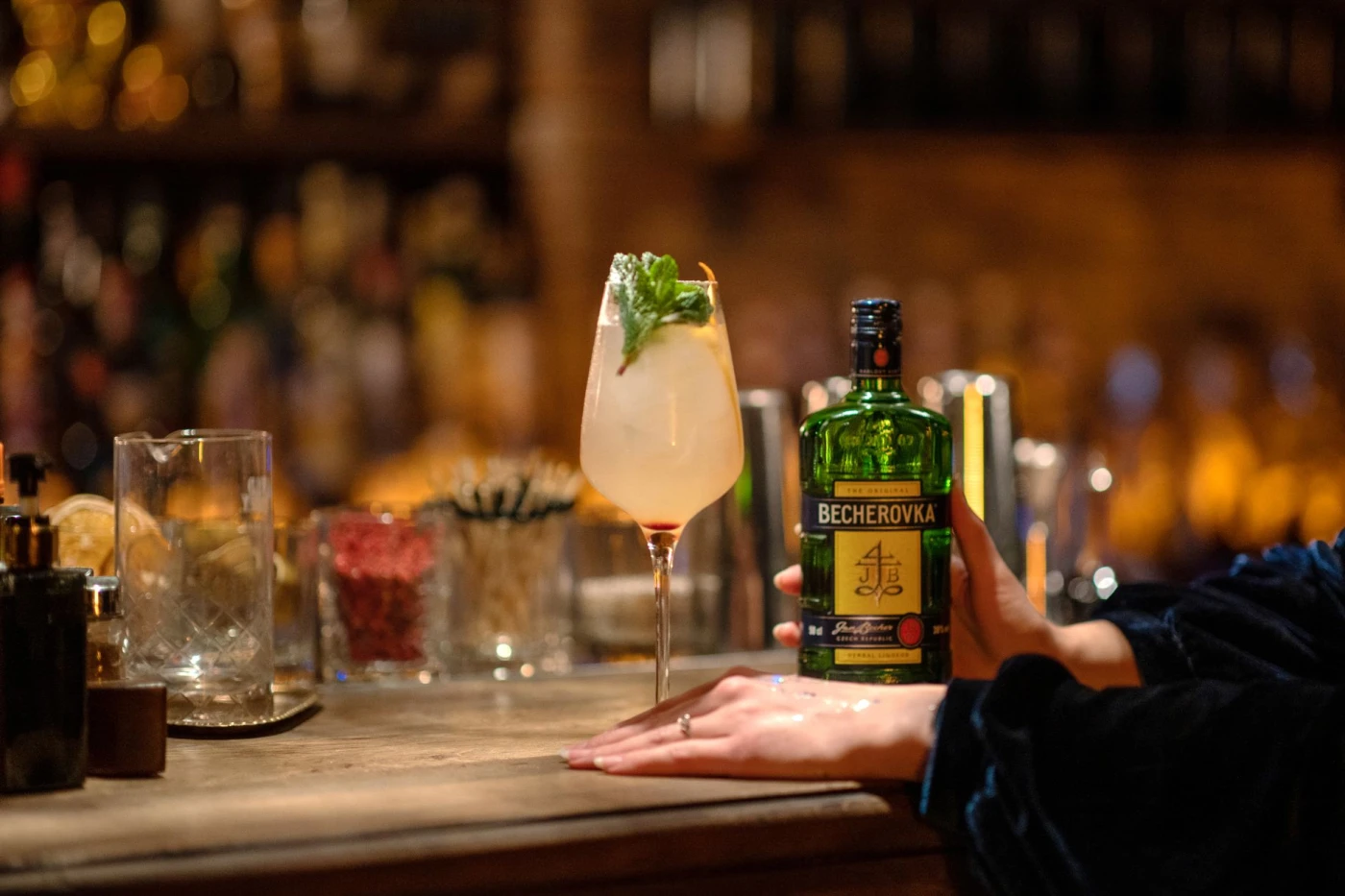
The Mystical One is what happens when a Whiskey Sour wanders into an herb garden: bourbon, sharp lime, cinnamon and fresh sage under a smooth cap of foam. It feels mysterious, yet the method is completely manageable at home.
You will need a shaker, two strainers and about five minutes. The result is warming but bright, making it equally convincing on an autumn evening in Chicago or a rainy winter night in London. If this is your first serious whiskey drink, skim our guide to whiskey cocktails for beginners before you start. Then chill a glass. This one rewards preparation.
What Is The Mystical One, and Where Did It Come From?
The Mystical One is a modern bourbon sour built from five working parts: whiskey, citrus, sweetener, herbs and a foaming ingredient. It is generally credited to bartender Natasha David and linked with Nitecap in New York City. That makes it a contemporary bar drink, not a rediscovered Victorian potion—despite the wonderfully cryptic name.
Its family tree is easy to see. A traditional Whiskey Sour balances spirit, lemon, sugar and sometimes egg white. Here, lime supplies a tauter acidity, cinnamon syrup contributes fragrant spice, and muddled sage creates a savoury, almost pine-like top note. Curious about the underlying template? Our collection of classic cocktails every home bartender should know explains why the sour formula is so adaptable.
Recipes circulating online sometimes substitute lemon for lime. The sweeter, rounder lemon version can be pleasant, but lime is commonly associated with the original specification and gives The Mystical One its more compelling tension. Treat lemon as a variation, not a mandatory correction.
Bourbon is the anchor. Under US rules, bourbon belongs to a regulated whiskey category; the Alcohol and Tobacco Tax and Trade Bureau is the authoritative starting point for US labelling and standards. In practical flavour terms, bourbon brings vanilla, caramel and charred-oak notes that connect naturally with cinnamon.
Here's the thing: the name promises theatre, but the drink succeeds through balance. No smoke machine. No glitter. Just familiar ingredients arranged with unusual precision—and that is exactly why it deserves a place in your repertoire.
Ingredients for The Mystical One
This recipe makes one The Mystical One. Chill a 5–6 oz coupe or Nick & Nora glass to about 35–40°F (2–4°C) before mixing.
- 2 oz (60 ml) bourbon, ideally 80–101 proof or 40–50.5% ABV
- 0.75 oz (22.5 ml) fresh lime juice
- 0.75 oz (22.5 ml) cinnamon syrup
- 0.5 oz (15 ml) pasteurised egg white
- 3 fresh sage leaves, plus 1 small leaf for garnish
- 1 cup (about 240 ml) firm ice cubes, for shaking
What is the best bourbon? In my experience, a dependable mid-shelf bottle beats an expensive collector's release. Buffalo Trace, usually around $27–$35 in the US or £25–£32 in the UK when available, makes a soft, caramel-led version. Elijah Craig Small Batch, about $30–$38 or £30–£38, adds oak. Wild Turkey 101, commonly $25–$32 or £27–£35, makes the spiciest, driest drink.
Prices vary by retailer, tax and region, so consider those useful bands rather than promises. I'd skip heavily peated Scotch and delicate, low-proof blended whiskey here; the former dominates the herbs, while the latter can disappear behind lime and cinnamon.
For homemade syrup, gently heat equal parts sugar and water with two broken cinnamon sticks, steep for 20 minutes, strain and chill. A 1:1 syrup gives predictable sweetness. Store it refrigerated in a clean sealed bottle and use it within roughly two weeks if it still smells and tastes fresh.
Use pasteurised carton egg white if raw-egg handling concerns you. Aquafaba works too, and omitting foam entirely is acceptable. The drink simply becomes leaner and less luxurious.
How to Make The Mystical One Step by Step
Set out every measured ingredient before touching the sage. Once citrus and egg white enter the shaker, you want a clean, uninterrupted process.
- Chill the glass. Fill it with ice and water or place it in the freezer for at least 10 minutes.
- Wake the sage. Put three leaves and 0.75 oz (22.5 ml) cinnamon syrup in the shaker. Press gently with a muddler for about five seconds. Do not shred the leaves.
- Build the drink. Add 2 oz (60 ml) bourbon, 0.75 oz (22.5 ml) fresh lime juice and 0.5 oz (15 ml) pasteurised egg white.
- Wet shake. Add firm ice, seal the shaker and shake hard for 12–15 seconds. The metal should become painfully cold.
- Reverse dry shake. Strain away the ice, reseal and shake without ice for another 10 seconds. This aerates the foam after chilling and dilution.
- Double-strain. Empty the chilled glass. Pour through both a Hawthorne strainer and a fine-mesh strainer to catch sage fragments and ice chips.
- Garnish. Clap one sage leaf lightly between your palms, rest it on the foam and serve immediately.
After testing both shake sequences, I find the reverse dry shake produces a particularly glossy, resilient cap with ordinary supermarket egg white. A conventional dry shake followed by an iced shake still works, though the foam can be slightly looser.
The Mystical One should arrive cold, aromatic and free of floating green debris. Want another fast drink for a less ceremonial evening? These five-minute vodka cocktails use similarly practical home-bar methods.
How Balance, Dilution and Foam Shape the Drink
Understanding what happens inside the shaker makes The Mystical One much easier to reproduce. The recipe begins with equal measures of lime juice and cinnamon syrup, but equal volume does not guarantee equal intensity. Citrus changes with its variety, age and season, while homemade syrup varies according to sugar concentration and steeping time. Treat the listed specification as a dependable starting point, then use small adjustments to match the ingredients in front of you.
Before shaking, the mixture may taste aggressively tart and slightly too sweet. That is normal. Ice contributes cold water as it melts, softening both acidity and sugar while opening the bourbon's vanilla and oak aromas. A vigorous 12–15-second shake commonly adds enough dilution to turn the concentrated mixture into a balanced finished cocktail. Extending the shake with small or already wet ice may introduce too much water, so the condition of the cubes matters as much as the timer.
The ideal finished texture is silky rather than thick. Egg white does not make the drink taste like egg when it is fresh, properly measured and shaken with aromatic ingredients. Instead, its proteins unfold during agitation and form a network around tiny air bubbles. The reverse dry shake strengthens that foam after the ice has already chilled and diluted the cocktail. A tight shaker seal is essential because the mixture expands during this second shake.
Foam also changes how the cocktail tastes. It holds some sage and cinnamon aroma near the surface, releasing fragrance as you lift the glass. At the same time, it softens the first impression of lime and alcohol. This is why a version without egg white can seem sharper even when the liquid measurements are identical. If you omit the foam, consider reducing the lime to 0.67 oz (20 ml) for your first attempt, then adjust after tasting.
Use appearance as a diagnostic tool. A stable cap about 0.25–0.5 inch (6–12 mm) deep suggests effective aeration. Large bubbles that collapse immediately usually indicate a weak or short dry shake. Almost no foam may mean that fat or detergent residue was present in the shaker, because both can disrupt the protein structure. Wash and rinse your tools thoroughly, but make sure they are free of soap before building the drink.
A narrow coupe or Nick & Nora glass helps concentrate aroma and slows the foam's spread. An oversized coupe creates a thinner cap and makes a standard serving look undersized. Whatever glass you choose, chilling it beforehand protects the texture you worked to create. Pouring a cold sour into warm glassware quickly raises its temperature and dulls the clean contrast between bright lime, warm cinnamon and aromatic sage.
When evaluating the finished drink, take two sips before changing anything. The first is dominated by chilled foam and garnish; the second reveals the liquid underneath. A successful The Mystical One should move in sequence from sage aroma to lively citrus, rounded cinnamon sweetness and a dry bourbon finish. If one note remains dominant throughout, make a measured correction of no more than one teaspoon (5 ml), shake briefly again and record the change for your next serving.
Pro Tricks for a Better The Mystical One
Temperature changes everything. Start with bourbon at room temperature, use dense ice straight from a 0°F (-18°C) freezer and shake until the tin frosts. Small wet cubes melt quickly, making The Mystical One thin before it becomes properly cold.
In my experience, sage needs restraint. Press the leaves until their green, camphorous aroma rises; grinding them into paste releases bitter vegetal flavours. A fine strainer is not cosmetic. It keeps tiny fragments off the foam and prevents the last sip tasting like lawn clippings.
Fresh lime is non-negotiable. Bottled juice often tastes flattened or preserved, and citrus squeezed days ahead loses the vivid aroma this sour needs. Juice the fruit immediately before service, then taste a drop. Very sharp winter limes may need one extra bar spoon—about 0.17 oz (5 ml)—of syrup.
After testing 80-proof and 101-proof bourbon side by side, I prefer 90–100 proof for most occasions. That range has enough weight to remain distinct after roughly 0.75–1 oz (22–30 ml) of shaking dilution. The gentler 80-proof version is easier before dinner; Wild Turkey 101 is better after a rich meal.
For the garnish, slap rather than tear the sage. The brief impact releases surface oils without dropping ragged pieces into the drink. This is easily one of the best small tricks for making a home cocktail smell like a £14 or $18 bar order.
Finally, taste before serving when possible. Dip in a clean straw, cap the top with your finger and sample one drop. Too sour? Add a teaspoon of syrup and reshake. Too sweet? Add a teaspoon of lime. Tiny corrections create professional balance.
The Mystical One Variations Worth Trying
Once you understand the original structure, variations become controlled experiments. Change one major element at a time so you can still recognise The Mystical One beneath the new flavour.
The Brighter Lemon One
- 2 oz (60 ml) bourbon
- 0.75 oz (22.5 ml) lemon juice
- 0.75 oz (22.5 ml) cinnamon syrup
- 0.5 oz (15 ml) egg white, plus 3 sage leaves
Lemon softens the angular lime edge and emphasises vanilla. This is the friendliest option for anyone who already enjoys a classic sour.
The Mystical Rye
- 2 oz (60 ml) 90-proof rye whiskey
- 0.75 oz (22.5 ml) lime juice
- 0.67 oz (20 ml) cinnamon syrup
- 0.5 oz (15 ml) egg white, plus 3 sage leaves
Rye adds pepper and dryness. Reduce the syrup slightly so cinnamon does not become heavy.
The Orchard One
- 1.5 oz (45 ml) bourbon
- 0.5 oz (15 ml) apple brandy
- 0.75 oz (22.5 ml) lemon juice
- 0.67 oz (20 ml) cinnamon syrup
- 0.5 oz (15 ml) egg white, plus 3 sage leaves
This autumn version tastes of baked apple without requiring juice. Serve it around Thanksgiving, Bonfire Night or a Sunday roast.
The Gentle One
- 1 oz (30 ml) bourbon
- 1 oz (30 ml) chilled black tea
- 0.75 oz (22.5 ml) lime juice
- 0.5 oz (15 ml) cinnamon syrup
- 0.5 oz (15 ml) aquafaba, plus 3 sage leaves
The tea retains tannin while reducing alcohol. For more deliberately lighter options, explore these low-alcohol cocktail recipes. Shake every variation using the same wet-then-dry method.
Common The Mystical One Mistakes and Easy Fixes
Over-muddling sage is the most common failure. If the leaves look pulverised, expect bitterness and a murky green cast. Press gently for five seconds and let the alcohol, syrup and shaking perform the extraction.
Using old citrus creates a dull drink no amount of garnish can rescue. Cut and squeeze lime just before mixing. If you are serving several guests, juice it no more than a couple of hours ahead, cover it tightly and refrigerate below 40°F (4°C).
Guessing measurements is another trap. The difference between 0.75 oz (22.5 ml) and a casual one-ounce pour is enough to make The Mystical One cloying. Use a marked jigger. Let's be honest: free-pouring looks impressive only when the resulting cocktail is balanced.
Shaking weakly leaves large bubbles and watery foam. Fill the shaker about halfway with solid ice, create a tight seal and shake with commitment. If using a glass-and-metal Boston shaker, point it away from people and break the seal carefully.
Skipping the fine strain allows bruised sage and shattered ice into the glass. Those fragments continue infusing while you drink. A small tea strainer can substitute for a dedicated cocktail strainer in a pinch.
Choosing the wrong whiskey can flatten or overwhelm the recipe. A 40–50.5% ABV bourbon is the useful zone. I'd skip a £70 or $90 limited release; cinnamon and lime conceal the subtleties you paid for.
Finally, do not serve it warm. Chill the glass before you begin, not after the shaker is full. For another juice-forward recipe that teaches useful balance, try the Madras cocktail.
Food Pairings and Best Occasions
The Mystical One works best before dinner or beside savoury food. Lime cuts fat, bourbon echoes browned flavours, and sage connects with roasted poultry, pork and earthy vegetables. Try it with sage-and-onion sausage rolls, roast chicken crostini, sharp cheddar, candied pecans or bacon-wrapped dates.
Spice is welcome, but extreme chilli is not. A mildly hot chicken slider plays nicely with cinnamon; a punishing hot sauce makes the alcohol feel hotter and buries the herb. Smoked almonds and aged Gouda are safer choices when you want a simple bar snack.
Seasonally, this is an autumn and winter star. It suits Halloween without gimmicky colouring, Thanksgiving without tasting like liquid pudding, and a UK Bonfire Night gathering without requiring hot service. The foam and sage leaf also look polished at a small New Year's Eve dinner.
For summer, use the lower-proof tea variation and serve it as an early-evening aperitif. If you need drinks that travel more easily than an egg-white sour, choose one of these portable picnic drinks instead.
A standard version made with 2 oz (60 ml) of 80–90-proof bourbon will usually land around 15–18% ABV after normal dilution; 101-proof bourbon may approach 20%. The exact figure depends on ice and shaking. Serve one at a time, provide water and food, and practise responsible drinking. Evidence-based US information is available from the National Institute on Alcohol Abuse and Alcoholism, while UK readers can consult Drinkaware.
The Mystical One Quick Reference Cheat Sheet
Use this table when your hands are wet and you do not want to reread the full method. It gives one serving, with UK-friendly metric measures rounded to practical jigger marks.
| Component | US measure | UK metric measure | Purpose |
|---|---|---|---|
| Bourbon | 2 oz | 60 ml | Oak, vanilla and alcoholic structure |
| Fresh lime juice | 0.75 oz | 22.5 ml | Acidity and freshness |
| Cinnamon syrup | 0.75 oz | 22.5 ml | Sweetness and warm spice |
| Pasteurised egg white | 0.5 oz | 15 ml | Texture and foam |
| Fresh sage | 3 leaves + garnish | 3 leaves + garnish | Woodsy aroma |
| Wet shake | 12–15 seconds | 12–15 seconds | Chilling and dilution |
| Dry shake | 10 seconds | 10 seconds | Stable aeration |
| Serving temperature | 35–40°F | 2–4°C | Crisp final texture |
Glass: chilled coupe or Nick & Nora. Ice: shake with firm cubes, then serve up without ice. Garnish: one slapped sage leaf. Estimated strength: about 15–18% ABV with an 80–90-proof bourbon after ordinary dilution.
The Mystical One is not difficult; it is exacting. Measure carefully, bruise the sage lightly, shake harder than feels polite and double-strain. Do that, and cinnamon supports the whiskey rather than smothering it.
Ready to build beyond this recipe? Compare it with playful drinks from the 1990s cocktail era, then use our free home bar starter checklist to fill any equipment gaps. Your next The Mystical One will be faster, colder and even better.
Ask AI about this article
Pick a prompt, copy it, or open ChatGPT with this article preloaded.
Frequently Asked Questions
What is The Mystical One cocktail?
The Mystical One is a modern whiskey sour variation made with bourbon, lime juice, cinnamon syrup, fresh sage and egg white. The basic structure is strong, sour and sweet, but sage adds a woodsy aroma while cinnamon reinforces bourbon's baking-spice notes. It is usually shaken hard, strained into a chilled coupe or Nic.
Who created The Mystical One?
The drink is generally credited to bartender Natasha David and associated with Nitecap, the influential New York cocktail bar. Online adaptations do not always agree on every detail, particularly the choice of lemon or lime. Lime is the commonly cited original direction, so this recipe uses it while treating the drink.
What is the best bourbon for The Mystical One?
A balanced bourbon between 80 and 101 proof works best. Buffalo Trace gives a soft caramel profile, Elijah Craig Small Batch contributes oak and spice, and Wild Turkey 101 produces a drier, more forceful drink. There is little benefit in using a rare bottle. Choose something flavourful enough to remain present beside c.
Should The Mystical One use lime or lemon juice?
Lime is the sharper, more distinctive choice and is commonly associated with the original specification. Lemon makes a rounder, softer sour that some home bartenders may prefer. Start with 0.75 oz or 22.5 ml of fresh lime. If your citrus is unusually acidic, reduce it slightly or add one bar spoon of cinnamon syrup aft.
How strong is The Mystical One?
With 2 oz or 60 ml of 80–90-proof bourbon, The Mystical One is approximately 15–18% ABV after a normal hard shake and dilution. A 101-proof bourbon can push the finished drink closer to 20% ABV. These are estimates because ice size, temperature and shaking time alter the amount of water incorporated into each serving.
Why is my sage cocktail bitter?
You probably muddled the sage too aggressively or left torn leaves in the drink. Press three leaves gently for about five seconds—just enough to release their aroma—then fine-strain the cocktail. Dark, bruised leaves and prolonged crushing release harsher vegetal flavours. Fresh, supple sage also behaves better than dr.
Comments 0
Login to Post comments