Long Island Iced Tea: Strong, Smooth, Balanced — Classic Ratio Guide
Learn how to make a balanced Long Island Iced Tea with five spirits, fresh citrus, cola, and measurements for US and UK home bars. The Long Island Iced Tea is famous for packing fi.
The Long Island Iced Tea is famous for packing five alcoholic ingredients into one deceptively easy-drinking glass. Made carelessly, it tastes like a sugary collision. Made with cold ingredients, fresh lemon and strict measurements, it becomes bright, fizzy and surprisingly coherent.
Here's the thing: you do not need luxury bottles or theatrical pouring. You need balance. This guide gives you a dependable US-and-UK recipe, explains its strength and shows you how to adjust it without losing the cocktail's character. It also belongs beside the other classic cocktails every home bartender should know.
Ready to make the notorious five-spirit highball taste genuinely good? Let's build it properly.
What Is a Long Island Iced Tea, Really?
A Long Island Iced Tea is a tall mixed drink containing vodka, gin, light rum, blanco tequila and orange liqueur. Lemon, sugar and cola connect those distinct spirits. There is normally no tea in it; the cola creates an amber colour that resembles iced tea.
The cocktail's origin is disputed. The best-known account credits bartender Robert Butt with developing it during a cocktail competition at the Oak Beach Inn on Long Island, New York, in the 1970s. Another story points to a stronger, whiskey-containing drink associated with a community called Long Island in Tennessee during the Prohibition era. Documentation is not conclusive enough to treat either tale as settled fact.
What is certain? The drink became a fixture of American bars and later spread through UK pubs, student nights and chain-restaurant menus. Its maximalist formula also fitted the loud drinking culture remembered in our look at 1990s drinks and where they are now.
A properly made Long Island Iced Tea is closer to a sour-style highball than a random spirit dump. Citrus contributes acidity, syrup softens it, cola adds caramel and vanilla notes, and melting ice supplies necessary water. Each component has a job.
Expect a crisp lemon opening, restrained juniper and agave in the middle, then a lightly sweet cola finish. You should not taste five separate shots fighting for attention. If one spirit shouts, the proportions or bottle choices need work. This is easily one of the best examples of measurement turning a notorious order into a respectable cocktail.
Long Island Iced Tea Ingredients You Need
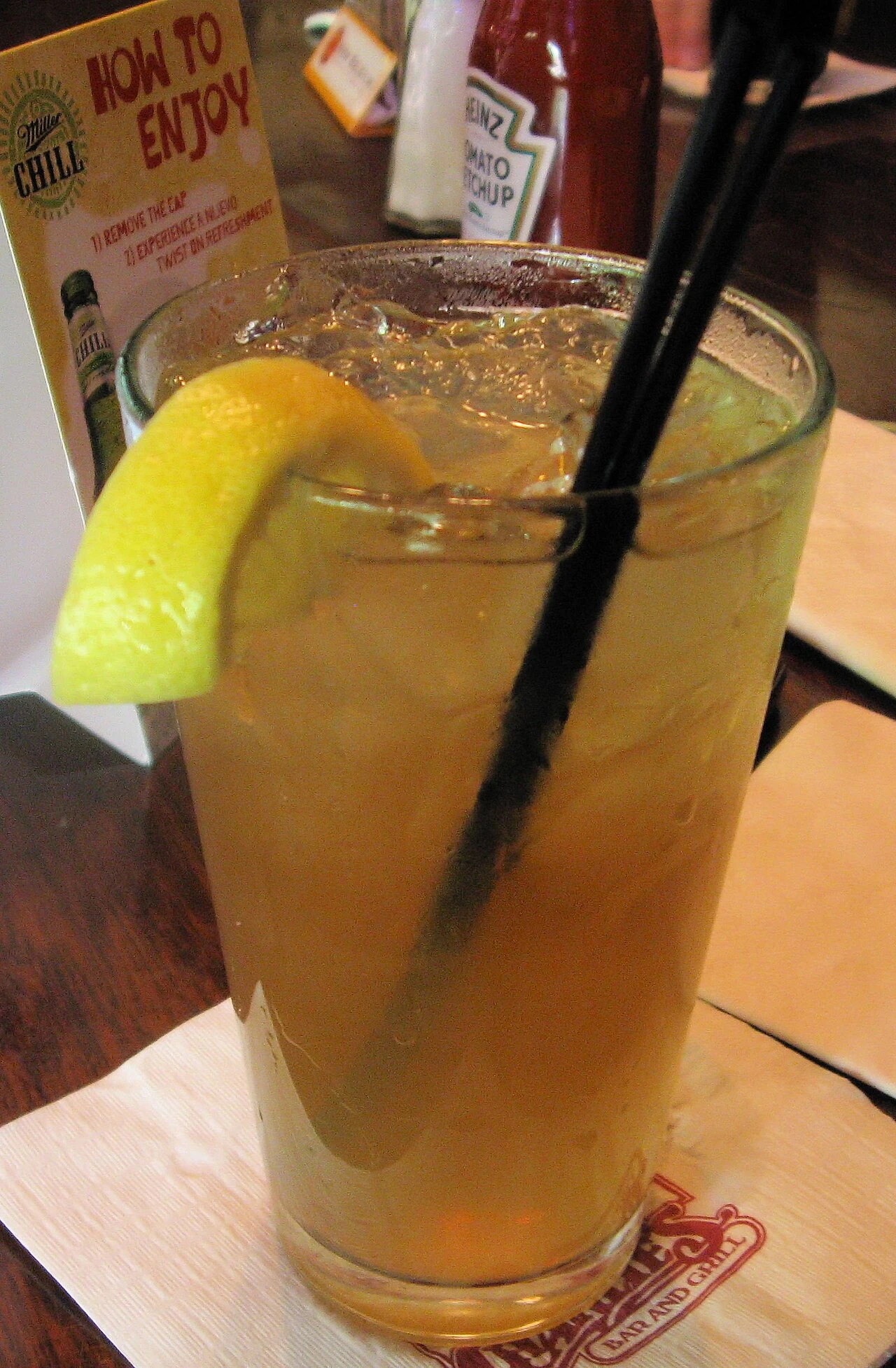
This Long Island Iced Tea recipe makes one generous serving in a 12-14 oz or 350-415 ml Collins glass. Use spirits at roughly 40% ABV or 80 proof and chill the cola to 38-42°F or 3-6°C.
- 0.5 oz (15 ml) vodka, such as Tito's Handmade Vodka or Absolut
- 0.5 oz (15 ml) London dry gin, such as Beefeater or Tanqueray
- 0.5 oz (15 ml) light rum, such as Bacardí Carta Blanca or Havana Club 3
- 0.5 oz (15 ml) blanco tequila, such as Espolòn Blanco or Olmeca Altos Plata
- 0.5 oz (15 ml) triple sec or another orange liqueur, such as Cointreau or Bols Triple Sec
- 0.75 oz (22 ml) freshly squeezed lemon juice
- 0.5 oz (15 ml) simple syrup made with equal volumes of white sugar and water
- 1.5 oz (45 ml) chilled cola, such as Coca-Cola, Pepsi or Fever-Tree Distillers Cola
- 1 lemon wheel or lemon wedge for garnish
- 1 full glass of firm ice cubes, approximately 6-8 oz (170-225 g)
In my experience, mid-shelf bottles offer the sweet spot. Depending on location and promotions, useful 750 ml bottles often cost about $15-$30 in the US or £16-£28 in the UK. Prices change, so treat those figures as shopping ranges rather than promises.
I'd skip vanilla vodka, navy-strength gin and strongly aged rum for the first attempt. Their personalities overwhelm the shared structure. The same practical approach runs through these quick vodka cocktails: measured ingredients beat expensive clutter.
How to Make a Long Island Iced Tea Step by Step
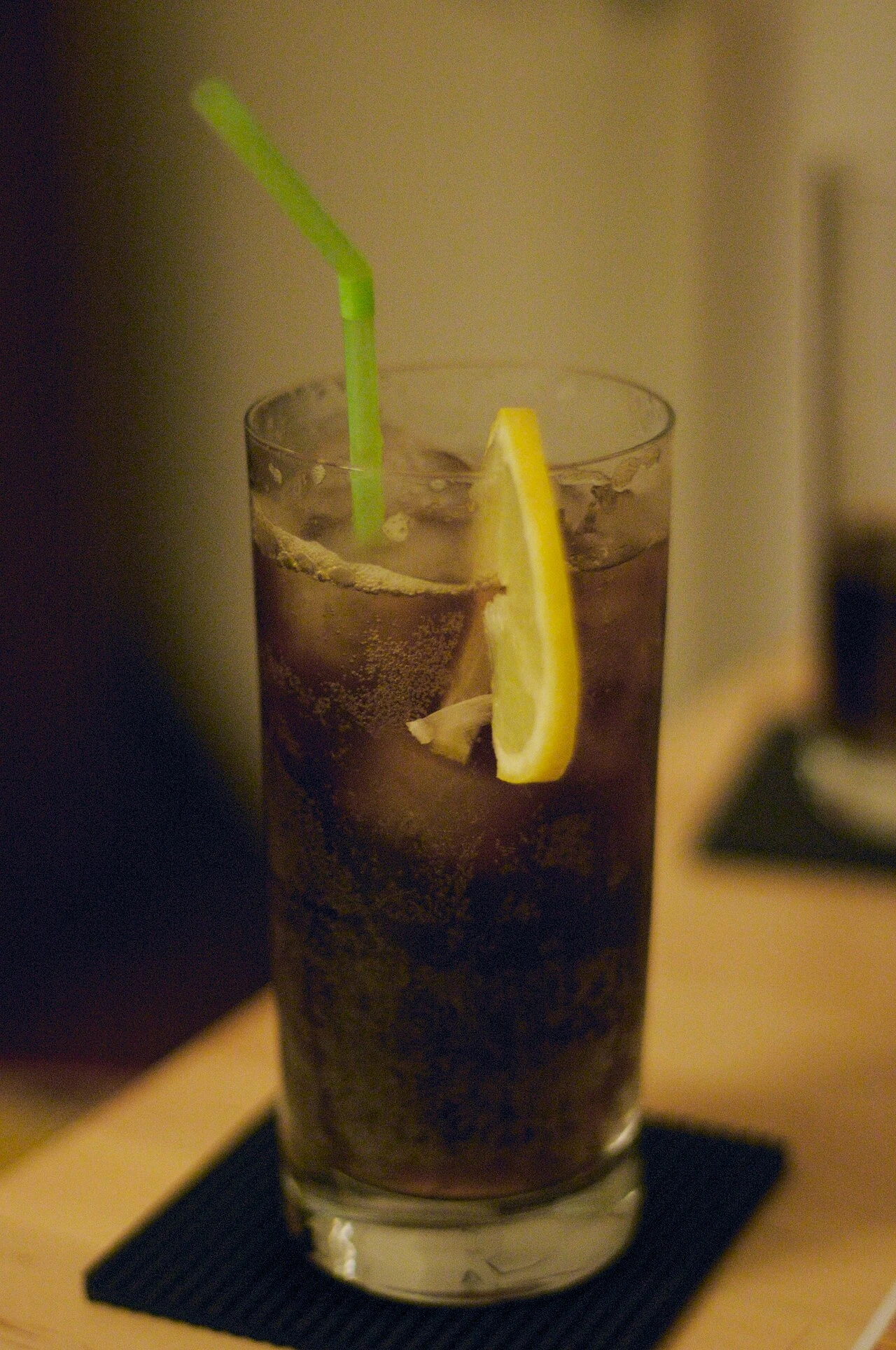
You can build a Long Island Iced Tea directly in its serving glass. That reduces washing up and preserves the drink's lively, uncomplicated character.
- Chill the components. Refrigerate the cola and, when practical, the spirits. A cold start limits rapid melting.
- Prepare the glass. Fill a 12-14 oz or 350-415 ml Collins glass completely with fresh, solid ice. Half a glass is not enough.
- Measure the spirits. Add 0.5 oz or 15 ml each of vodka, gin, light rum, blanco tequila and triple sec. Use a jigger; five small inaccuracies quickly become one large overpour.
- Add the balance. Pour in 0.75 oz or 22 ml fresh lemon juice and 0.5 oz or 15 ml simple syrup.
- Chill and dilute. Stir for about eight to ten seconds. The outside of the glass should feel distinctly cold.
- Finish with cola. Add approximately 1.5 oz or 45 ml chilled cola. Pour slowly so the bubbles survive.
- Combine gently. Draw a bar spoon once from the bottom to the top. Do not vigorously churn the carbonation.
- Garnish and serve. Add a fresh lemon wheel or wedge. Serve immediately, optionally with a reusable straw.
After testing build-and-stir against a full shake, I prefer building in the glass. Shaking the spirits, citrus and syrup can create extra aeration, but the practical improvement is small, and pouring the foamy mixture over new ice adds another variable.
Want it slightly drier? Reduce the syrup to 0.25 oz or 7.5 ml. If your lemon is fiercely acidic, keep the full syrup measure. Taste before adding more cola; too much turns a structured cocktail into a weak, sweet soft drink.
Pro Tips for a Better Long Island Iced Tea
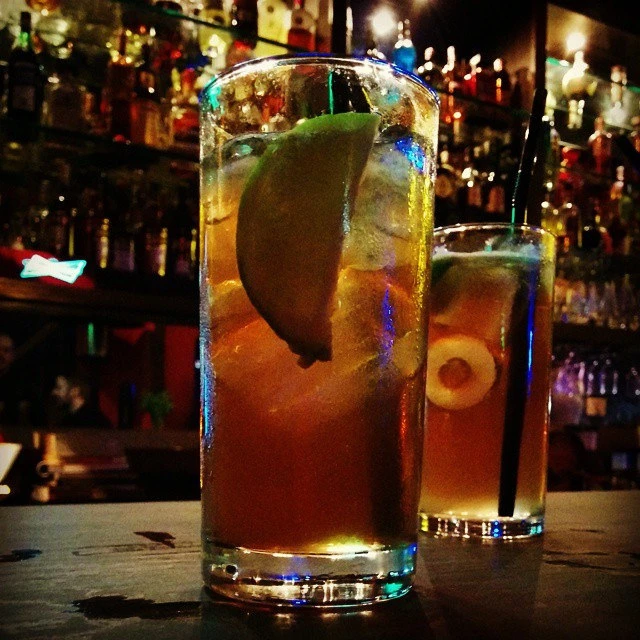
Start with equal pours. The half-ounce or 15 ml pattern is easy to remember and keeps the four base spirits from competing. Free-pouring looks confident, but this cocktail punishes tiny errors. Measure it.
In my experience, fresh lemon is the biggest upgrade. Bottled juice can taste muted or cooked, while lemon squeezed that day gives the Long Island Iced Tea the sharp edge it needs. Roll a room-temperature lemon before cutting it; one medium fruit usually supplies enough juice for one or two drinks.
Use dense ice. Small wet cubes melt quickly and can make the first sip hot, then the last sip watery. Large freezer-cold cubes around 0°F or -18°C chill efficiently. Fill the glass to the rim because a packed glass often dilutes more slowly than a sparsely iced one.
After testing different orange liqueurs, I find Cointreau's 40% ABV profile produces a drier, brighter result, while many value triple secs at 20-30% ABV make a softer, sweeter drink. Both can work. If you use a sweeter liqueur, reduce the syrup by 0.25 oz or 7.5 ml.
Choose bottles that cooperate. A restrained London dry gin and an unaged rum are safer than floral gin or funky overproof rum. The logic is similar when choosing spirits for beginner-friendly whiskey cocktails: character matters, but balance matters more.
Finally, open the cola just before serving. Flat cola makes the drink feel syrupy. A thin lemon wheel looks elegant, but squeeze a wedge over the surface if you want a brighter aroma. Small detail. Big difference.
Long Island Iced Tea Variations Worth Trying
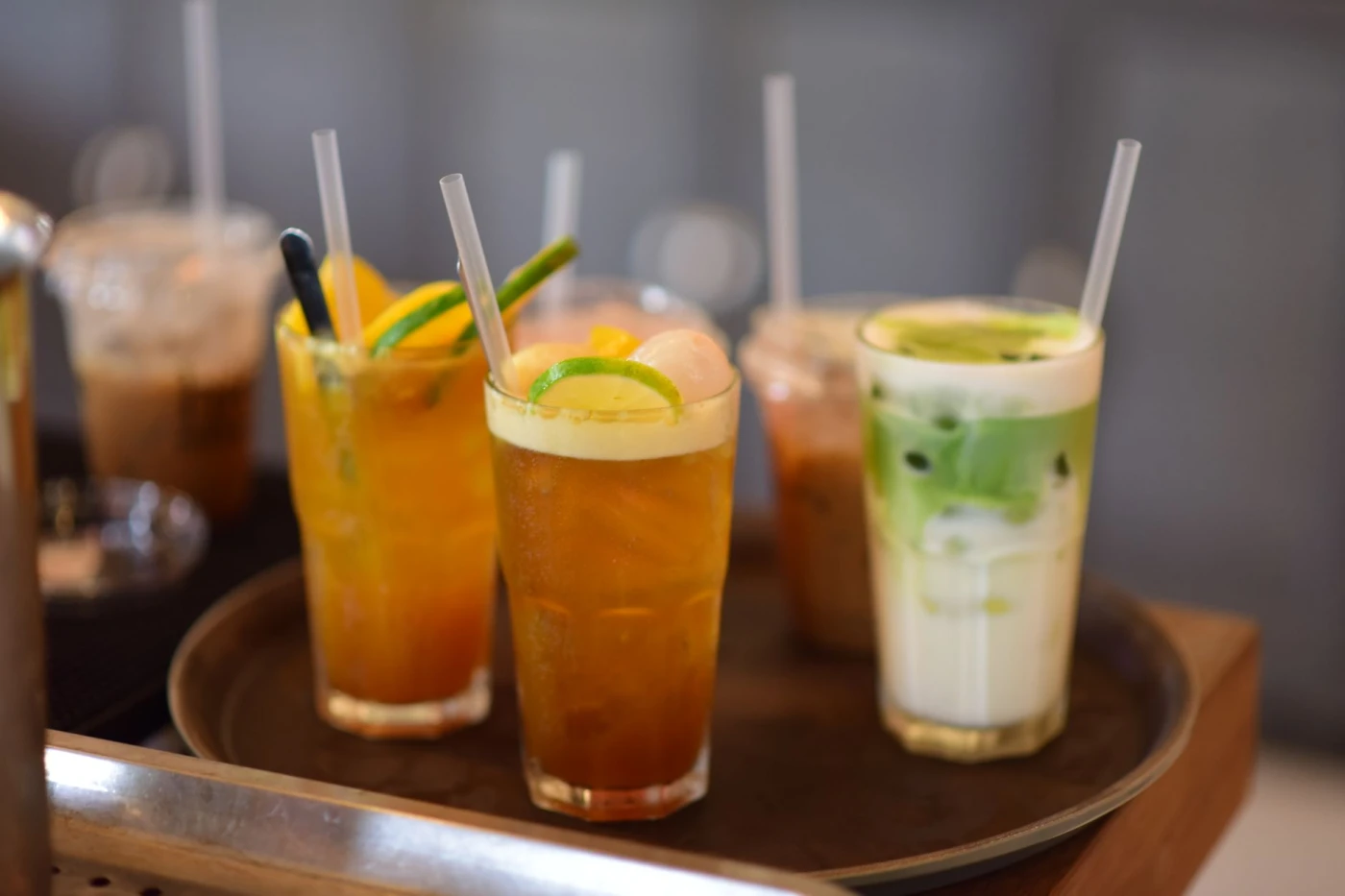
Once you understand the original balance, variations become useful rather than gimmicky. Keep the total base-spirit volume near 2 oz or 60 ml and adjust sweetness to suit the mixer.
- Long Beach Iced Tea: Use 0.5 oz (15 ml) each vodka, gin, rum, tequila and triple sec; add 0.75 oz (22 ml) lemon, 0.5 oz (15 ml) syrup and 1.5 oz (45 ml) cranberry juice instead of cola. It is fruitier, redder and pleasantly tart.
- Tokyo Iced Tea: Combine 0.5 oz (15 ml) each vodka, gin, rum, tequila and melon liqueur with 0.75 oz (22 ml) lemon and 1.5 oz (45 ml) lemon-lime soda. I'd skip extra syrup because the soda and liqueur already bring plenty.
- Electric Iced Tea: Replace triple sec with 0.5 oz (15 ml) blue curaçao and top with 1.5 oz (45 ml) lemon-lime soda. The vivid colour makes it suited to summer parties, though the flavour should still lead.
- Actual Tea Highball: Use 0.5 oz (15 ml) each vodka, gin, rum and tequila, 0.5 oz (15 ml) triple sec, 0.75 oz (22 ml) lemon and 1 oz (30 ml) chilled unsweetened black tea. Finish with 0.75 oz (22 ml) cola for tannin and a less sugary finish.
- Lighter Island: Use 0.25 oz (7.5 ml) of each alcoholic ingredient, keep the citrus, and lengthen with 2 oz (60 ml) cola plus 1 oz (30 ml) soda water.
That lighter version still contains alcohol, but it fits the spirit of these lower-alcohol cocktail recipes. For an easier fruit-led option with fewer bottles, the Madras cocktail is a smart alternative.
Common Long Island Iced Tea Mistakes
Overpouring is the classic failure. Five casual splashes can turn a balanced Long Island Iced Tea into a harsh glass containing far more alcohol than intended. A basic double-sided jigger costs roughly $6-$15 or £5-£12 and solves the problem immediately.
Another mistake is assuming more cola fixes everything. It may hide roughness, but it also adds sugar and flattens the citrus. Start with 1.5 oz or 45 ml. If the drink tastes hot after stirring, first ask whether it received enough ice and dilution.
Do not use old lemon juice. Juice kept for several days loses its fresh aroma and can develop dull bitterness. Squeeze it on the day of service. Likewise, avoid warm cola and tired ice from an open freezer tray; both lead to rapid dilution and weak carbonation.
Let's be honest: the easy taste can disguise a substantial serve. With four base spirits commonly bottled at 40% ABV, plus orange liqueur, a Long Island Iced Tea may reach roughly 15-20% ABV after mixing and dilution. Exact strength varies with the brands, quantities, glass and melting ice. For US alcohol research and harm-reduction information, consult the National Institute on Alcohol Abuse and Alcoholism; UK readers can use Drinkaware. Practise responsible drinking once you understand the actual pour, never drive after drinking, and offer water and food.
Finally, do not serve it in an enormous pint glass and keep adding spirits to fill the space. Choose the glass for the recipe. Precision protects both flavour and your guests.
How to Adjust the Recipe Without Losing Balance
The best way to customise a Long Island Iced Tea is to change one variable at a time. Altering the citrus, syrup, cola and spirit measures together makes it difficult to identify what improved the drink. Begin with the standard recipe, taste after the initial stir and make adjustments in small, measured increments.
If the drink tastes aggressively alcoholic, stir it for another five seconds before adding more sweetener. Water from melting ice softens ethanol heat and allows the lemon, orange and cola flavours to emerge. You can also add 0.5 oz or 15 ml of chilled water. This usually works better than pouring in extra syrup, which may hide the heat temporarily while leaving an unpleasantly sticky finish.
For a sweeter Long Island Iced Tea, add only 0.25 oz or 7.5 ml extra simple syrup. Taste again before using more. Cola brands vary considerably in sweetness, and a rich orange liqueur may already supply enough sugar. If the cocktail is too sweet, add 0.25 oz or 7.5 ml fresh lemon juice or replace part of the cola with the same quantity of soda water.
A bitter result can come from an unusually botanical gin, excessive lemon pith or a cola with a pronounced spice profile. Use a clean London dry gin, press citrus gently and avoid crushing the garnish in the drink. If the bitterness is mild, another 0.25 oz or 7.5 ml of syrup may restore balance. If it dominates, changing the gin is more effective than continually adding sugar.
Texture matters as much as flavour. A good Long Island Iced Tea should feel light and lively rather than thick. When it seems heavy, check the carbonation first. Freshly opened, refrigerator-cold cola creates lift and carries citrus aromas toward the nose. Warm or flat cola cannot do that job, regardless of brand.
You can also tailor the serve to the glass. A narrow 12 oz or 350 ml Collins glass preserves fizz and produces a taller-looking drink. A wider 14 oz or 415 ml highball exposes more surface area, so serve it promptly. Do not scale the alcohol automatically just because the glass is larger; use more ice to fill the available space.
When serving guests, ask whether they prefer a drier or sweeter finish, but keep the five alcoholic ingredients at their measured quantities. Offering control through lemon, syrup, cola and soda water is safer and more predictable than increasing the spirit pour. Write the recipe on a small card beside your bar so every serving remains consistent.
Food Pairings and the Best Occasions
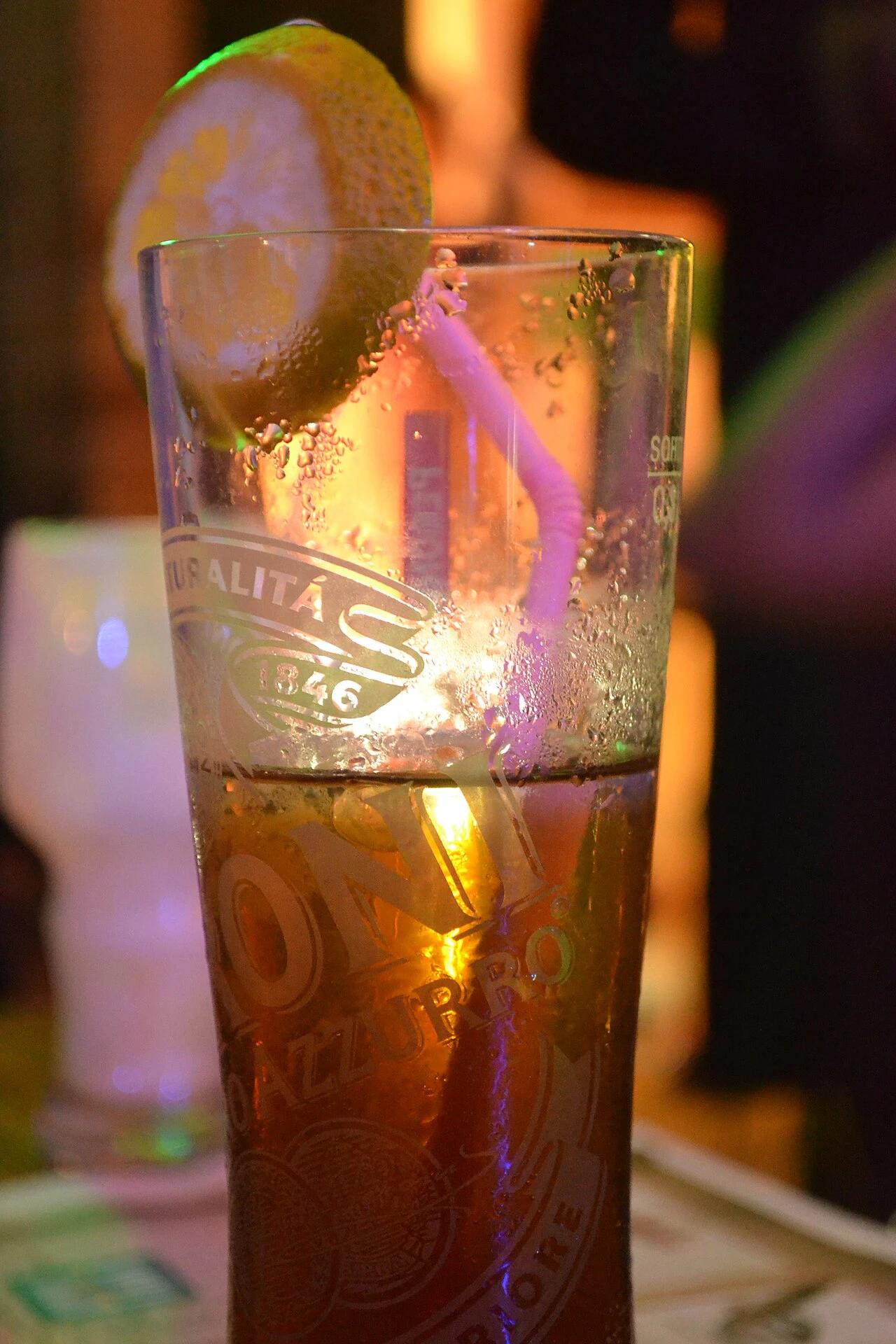
A Long Island Iced Tea works best with bold, salty food. Lemon and carbonation cut through richness, while cola's caramel notes sit naturally beside grilled or browned flavours. Think barbecue, game-day snacks and relaxed summer gatherings rather than a delicate tasting menu.
Burgers and barbecue are easy wins. Pair the drink with a cheeseburger, pulled pork, sticky wings or charred vegetable skewers. The citrus refreshes your palate after fatty bites, and the cola echoes a sweet barbecue glaze. Keep very sugary sauces restrained, though, or the combination becomes cloying.
Spicy food can work, within reason. Tacos, loaded nachos and buffalo cauliflower suit the cocktail's informal personality. Extreme chilli heat is trickier because strong alcohol can intensify the burn. Add guacamole, sour cream or yoghurt-based sauce to soften the pairing.
For a UK spread, try sausage rolls, mature Cheddar toasties or salt-and-pepper chips. In the US, pizza, fried chicken and sliders make equally convincing partners. This is not a quiet aperitif. It likes company.
Serve it at a Fourth of July cookout, a summer bank-holiday party, a Super Bowl gathering or a nostalgic 1990s-themed evening. For an outdoor event, pre-batch only the spirit, lemon and syrup mixture in a sealed bottle below 40°F or 4°C, then add ice and cola when serving. Our guide to portable make-ahead picnic drinks offers more practical outdoor ideas.
Because each serving is strong, I prefer making one carefully measured glass per guest instead of leaving an unattended punch bowl. Put cold water, alcohol-free drinks and substantial food within easy reach.
Long Island Iced Tea Quick Reference Cheat Sheet
Use this table when you want the Long Island Iced Tea recipe without rereading the full method. The UK millilitre figures are practical bar conversions rather than mathematically exact translations of US fluid ounces.
| Component | US measure | UK metric measure | Purpose |
|---|---|---|---|
| Vodka | 0.5 oz | 15 ml | Clean alcoholic base |
| London dry gin | 0.5 oz | 15 ml | Juniper and citrus |
| Light rum | 0.5 oz | 15 ml | Soft cane sweetness |
| Blanco tequila | 0.5 oz | 15 ml | Fresh agave character |
| Triple sec | 0.5 oz | 15 ml | Orange and sweetness |
| Fresh lemon juice | 0.75 oz | 22 ml | Acidity and freshness |
| Simple syrup | 0.5 oz | 15 ml | Balances the lemon |
| Chilled cola | 1.5 oz | 45 ml | Colour, length and fizz |
Glass: Use a 12-14 oz or 350-415 ml Collins or highball glass. Ice: Fill it to the rim. Method: Build, stir for eight to ten seconds, add cola, then lift once with a spoon. Garnish: Add one lemon wheel or wedge.
The final ABV is not fixed, because brands and dilution differ. Bottle strength and labelling are regulated topics; the US Alcohol and Tobacco Tax and Trade Bureau is the authoritative starting point for US standards. At home, the useful rule is simpler: read every label and measure rather than assuming all spirits or liqueurs have the same strength.
If your first sip is too sweet, add 0.25 oz or 7.5 ml lemon juice. Too sharp? Add 0.25 oz or 7.5 ml syrup. Too strong? Stir over more ice or add cold water in small increments. Those controlled adjustments preserve the cocktail far better than an unmeasured splash.
A balanced Long Island Iced Tea is cold, citrus-led and lively, not an excuse to empty five bottles into one glass. Measure the spirits, use fresh lemon, respect the dilution and let a modest amount of cola finish the job.
Building your setup from scratch? Download the free home bar starter checklist for the essential tools, glassware and bottles that make this recipe—and your next one—easier.
Ask AI about this article
Pick a prompt, copy it, or open ChatGPT with this article preloaded.
Frequently Asked Questions
What is in a Long Island Iced Tea?
A classic Long Island Iced Tea contains vodka, London dry gin, light rum, blanco tequila and triple sec, usually in equal measures. Fresh lemon juice and simple syrup provide the sour-and-sweet structure, while a small pour of cola adds colour, bubbles and caramel flavour. Despite the name, the standard recipe contains.
How do you make a Long Island Iced Tea?
Fill a tall Collins or highball glass with fresh ice. Add 0.5 oz or 15 ml each of vodka, gin, light rum, blanco tequila and triple sec, followed by lemon juice and simple syrup. Stir for about eight seconds, top with roughly 1.5 oz or 45 ml chilled cola, and garnish with a lemon wheel.
How strong is a Long Island Iced Tea?
Strength depends on the recipe, liqueur and dilution, but a full-size serving made with four 40% ABV spirits can land around 15% to 20% ABV in the glass. It may contain roughly one and a half US standard drinks, sometimes more. Its citrus, sugar and cola can disguise that strength, so measure every pour.
Does a Long Island Iced Tea contain actual tea?
Usually, no. Cola gives the finished cocktail its amber iced-tea appearance, which explains the name. Some modern variations add black tea for tannin or use tea syrup, but those are adaptations rather than requirements. If you do add brewed tea, chill it completely and replace part of the cola or syrup to preserve the.
What is the best liquor for a Long Island Iced Tea?
Choose clean, dependable mid-shelf bottles rather than one dominant premium spirit. Tito's or Absolut vodka, Beefeater gin, Bacardí Carta Blanca rum, Espolòn Blanco tequila and Cointreau or a solid triple sec make a reliable combination. Matching quality levels matters more than matching brands. Avoid heavily aged rum.
Why does my Long Island Iced Tea taste too strong?
The usual causes are free-pouring, too little citrus, warm ingredients or insufficient ice. Measure each spirit accurately, use 0.75 oz or 22 ml fresh lemon juice, and fill the glass completely with hard ice. A brief stir supplies essential dilution. If it still tastes hot, add a little more cola or cold water rather t.
Comments 0
Login to Post comments