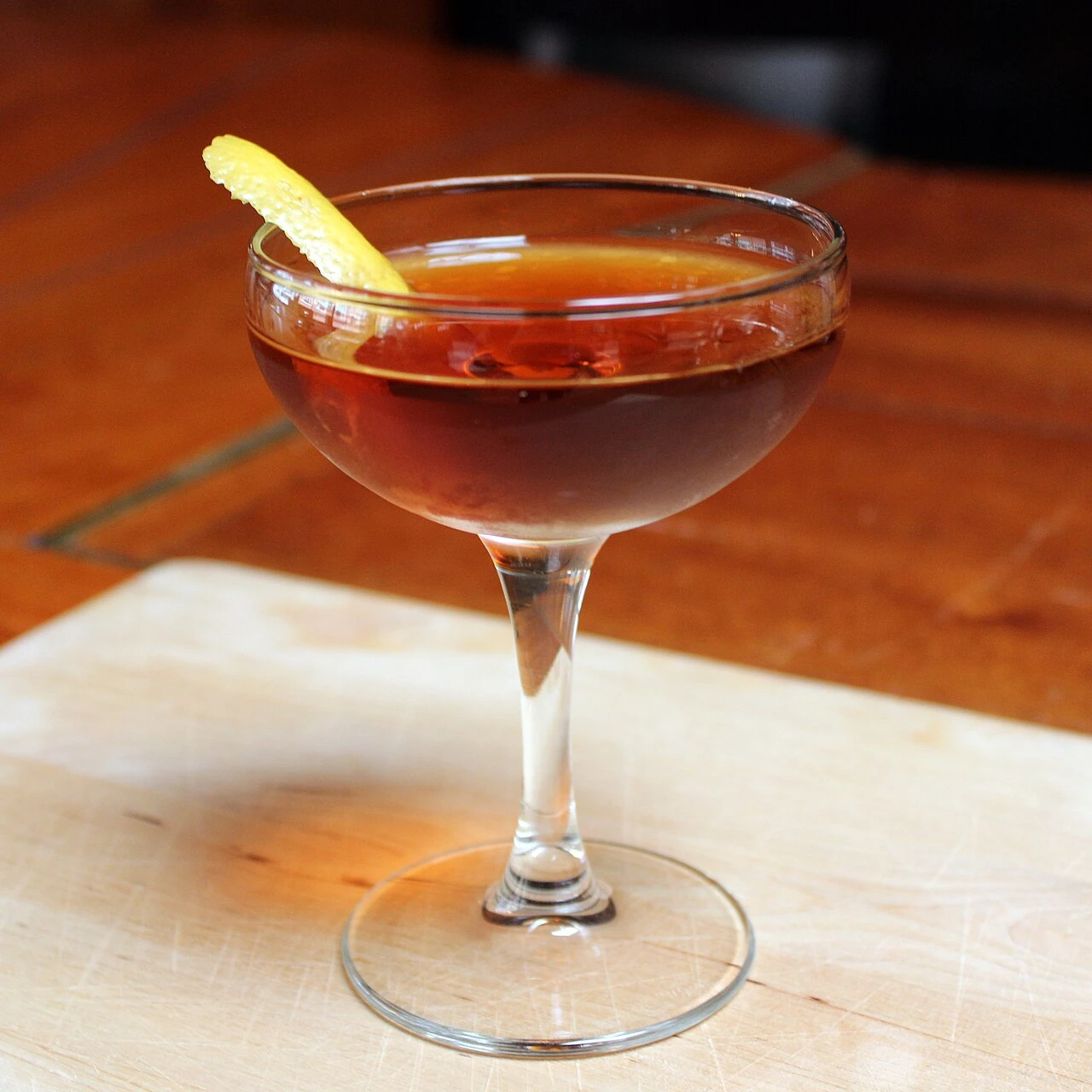

The Martinez Cocktail: A Richer Martini Ancestor
The Martinez cocktail blends Old Tom gin, sweet vermouth, maraschino and bitters into a rich, aromatic classic you can master at home.
The Martinez cocktail sits in the delicious space between a Manhattan and a Martini: juniper-led, wine-rich, gently sweet and perfumed with maraschino. It looks elegant. Better still, you need no obscure technique to make one properly.
This recipe uses Old Tom gin, quality sweet vermouth, maraschino liqueur and aromatic bitters in a balanced 2:1 framework. You will learn how cold to stir it, which bottles earn their place and why an orange twist changes the finish. If you are building your classic-drink repertoire, it belongs beside these classic cocktails every home bartender should know. Ready for something deeper and rounder than a dry Martini?
What Is a Martinez Cocktail? History and Character
A Martinez cocktail is a stirred combination of gin, sweet vermouth, maraschino liqueur and bitters. Think Manhattan structure with gin in place of whiskey, then add a small, distinctive accent of maraschino. The result is silky, botanical and subtly fruity—not a modern cherry-flavoured drink.
Its history deserves careful wording. Recipes bearing the Martinez name appeared in American bartending books during the 1880s, but the precise inventor and birthplace are disputed. O. H. Byron's 1884 guide described a Martinez through its relationship to the Manhattan, while an 1887 edition of Jerry Thomas's book printed a more detailed formula. Historical versions differ considerably, especially in their proportions and choice of bitters.
You may hear that the drink was invented in Martinez, California, or named for a customer travelling there. Those are appealing stories, not conclusively established facts. The Martinez is also commonly called the Martini's ancestor. It is certainly an important member of the early gin-and-vermouth family, although cocktail evolution was too messy to prove one tidy family tree.
Here's the thing: historical authenticity does not require an unbalanced drink. Older formulas could contain more vermouth than gin, whereas many contemporary bars reverse that ratio. My preferred 2:1 build retains the cocktail's plush character while keeping gin at the centre.
If you know the drinks in our guide to whiskey cocktails for beginners, the Manhattan comparison provides an easy reference point. The Martinez replaces grain richness with juniper, citrus and spice. That transformation is why this is easily one of the best bridges between whiskey classics and traditional gin cocktails.
Martinez Cocktail Ingredients You Need
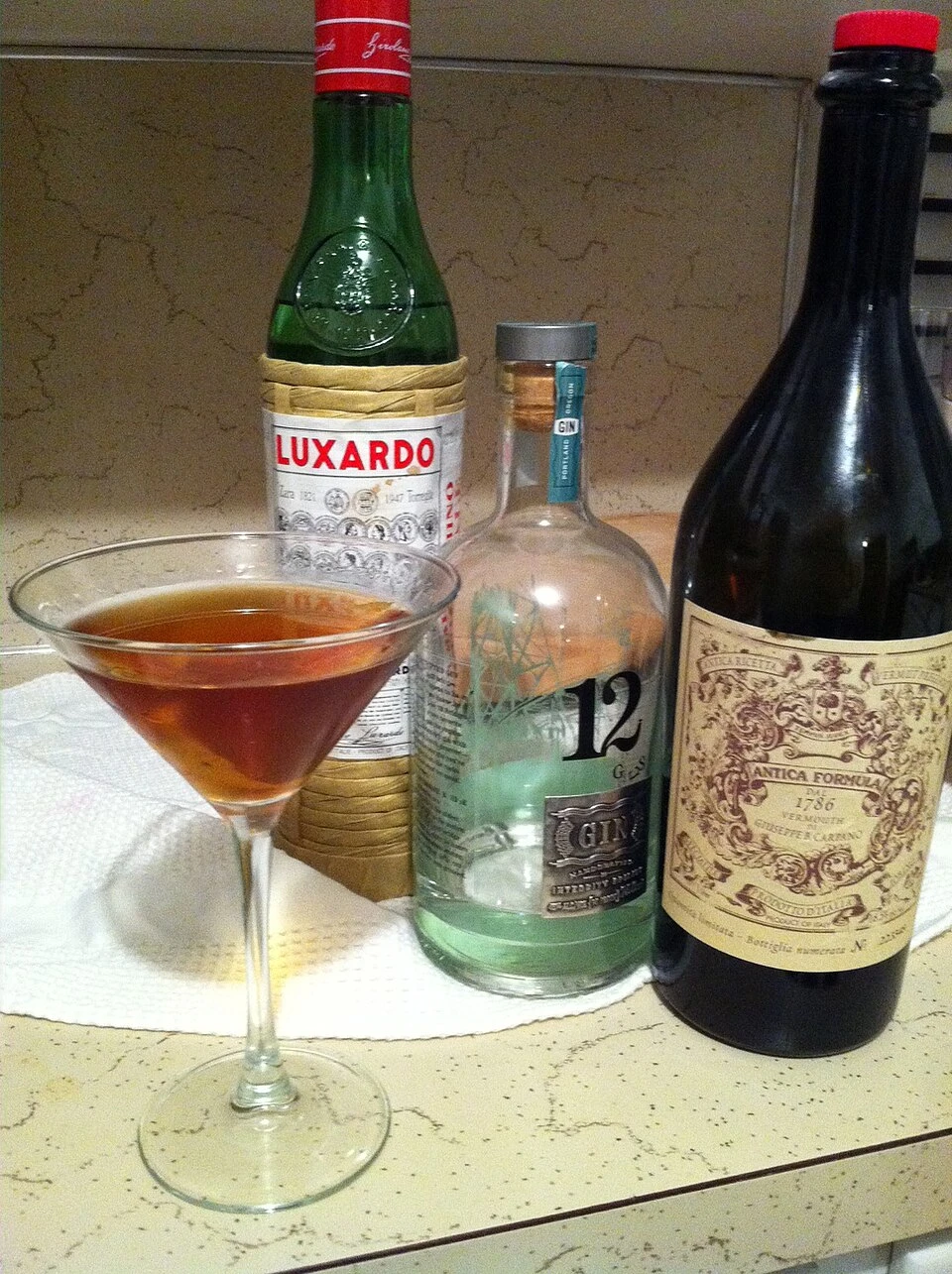
Use the following measurements for one Martinez cocktail. A jigger with both ounce and millilitre markings keeps the small quantity of maraschino under control.
- 1.5 oz (45 ml) Old Tom gin: Hayman's Old Tom at 41.4% ABV is rounded and citrusy. Ransom Old Tom at 44% ABV is maltier and oakier.
- 0.75 oz (22.5 ml) sweet vermouth: Cocchi Vermouth di Torino at 16% ABV gives cocoa and spice; Carpano Antica Formula at 16.5% ABV is richer and more vanilla-led.
- 0.25 oz (7.5 ml) maraschino liqueur: Luxardo Maraschino at 32% ABV supplies dry cherry, almond and herbal complexity.
- 2 dashes aromatic bitters: Angostura, at 44.7% ABV, adds concentrated baking spice. Orange bitters make a brighter alternative.
- 1 wide orange peel: Use a fresh, unwaxed orange when possible.
- Plenty of hard ice: Allow roughly 1.5 cups (350 ml by volume) for stirring, not just a few cubes.
Expect to pay approximately $30–$45 for a 750 ml bottle of good Old Tom gin in the US or £25–£35 for 700 ml in the UK, depending on retailer and tax. Vermouth commonly falls near $18–$30 or £15–£25. These are practical ranges, not fixed prices.
Vermouth is wine. Refrigerate it after opening and aim to use it within four to six weeks for the liveliest flavour. In my experience, tired vermouth is responsible for more disappointing cocktails than budget gin.
The US Alcohol and Tobacco Tax and Trade Bureau is the authoritative reference for federal alcohol labelling and standards. Bottle labels remain the best source for a product's actual ABV. Prefer faster drinks? Compare our five-minute vodka cocktails.
How to Make the Martinez Cocktail Step by Step
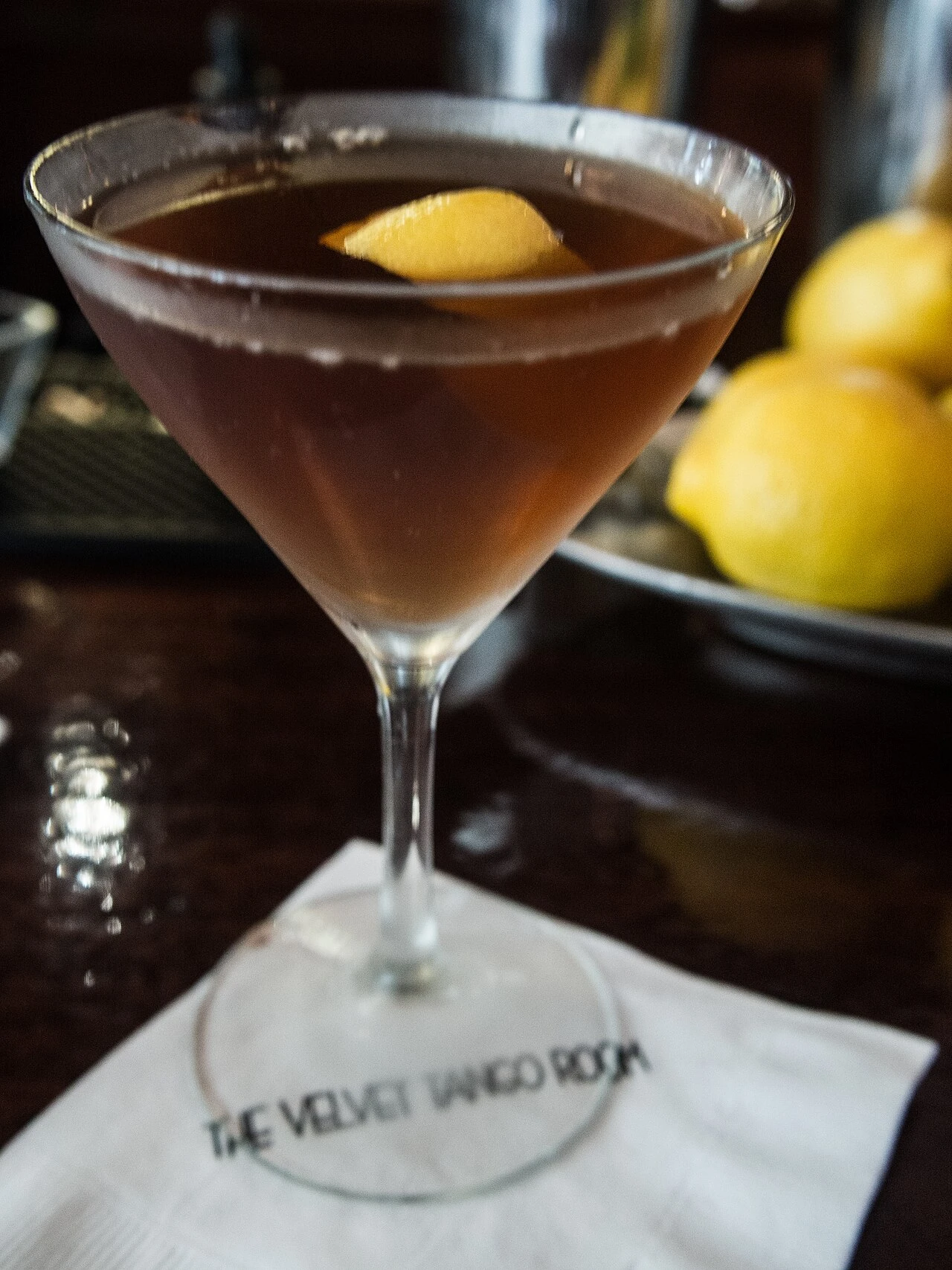
Cold glassware and accurate dilution separate a polished Martinez cocktail from a merely mixed one. Set out a mixing glass, barspoon, jigger, julep or Hawthorne strainer, and a 5–6 oz (150–180 ml) coupe or Nick and Nora glass.
- Chill the glass. Put it in a freezer at 0°F (-18°C) for at least 10 minutes, or fill it with ice and water while you mix.
- Measure the liquids. Add 1.5 oz (45 ml) Old Tom gin, 0.75 oz (22.5 ml) sweet vermouth and 0.25 oz (7.5 ml) maraschino to the mixing glass.
- Add bitters. Dash twice with the bottle held consistently. One person's dramatic dash can equal another person's three.
- Fill with ice. Add enough solid cubes to rise above the liquid. More cold ice gives you better control than a half-filled glass of wet, melting cubes.
- Stir. Rotate the ice smoothly for 20–30 seconds. Aim for roughly 25°F to 28°F (-4°C to -2°C), or stop when the mixing glass feels thoroughly frosted and the drink tastes integrated.
- Strain. Empty the serving glass if necessary, then strain the cocktail without ice.
- Garnish. Express a 2-inch (5 cm) orange peel over the surface, rub it lightly around the rim and place it in the glass.
After testing 20-, 25- and 35-second stirs, I found that about 25 seconds worked best with dense freezer ice. Smaller cubes may reach the same dilution sooner. Taste with a straw or clean spoon if you are unsure: sharp alcohol heat means stir a little longer; a thin finish means stop.
Want a simpler highball-style contrast? The Madras cocktail recipe uses an entirely different, juice-forward method.
Pro Tips for a Better Martinez Cocktail

First, taste your vermouth by itself. It should be lively, bittersweet and vinous. If it smells oxidised or tastes flat, no premium gin will rescue the Martinez cocktail. Write the opening date on the bottle and keep it refrigerated.
In my experience, Hayman's Old Tom plus Cocchi Vermouth di Torino is the most forgiving combination for a first attempt. The gin is soft enough to meet the vermouth, while Cocchi has sufficient bitterness to prevent the maraschino from becoming cloying. If you use assertive Carpano Antica, I would reduce it to 0.5 oz (15 ml) before adding more.
Control sweetness in tiny increments. A barspoon is roughly 0.17 oz (5 ml), so reducing the maraschino from 0.25 oz (7.5 ml) to one barspoon makes a noticeable difference. I'd skip cocktail cherries as a garnish unless you specifically want extra sweetness. Fresh orange oil is cleaner.
After testing both room-temperature and frozen glasses, the frozen coupe kept the drink focused for several minutes longer. Chill your bottles too if you make stirred cocktails frequently. Starting with gin and vermouth around 40°F (4°C) reduces the amount of melting required to reach serving temperature.
Do not obsess over achieving one laboratory-perfect dilution figure. Ice size, freezer temperature and stirring speed vary. Look for roughly 20% to 25% added water, a glossy texture and a finish that reveals herbs rather than raw ethanol.
Finally, pour modestly. This recipe begins with 2.5 oz (75 ml) of alcoholic ingredients and lands near 25%–27% ABV after typical dilution. For lighter entertaining, explore these low-alcohol cocktail recipes instead of trying to weaken a Martinez with excessive stirring.
Martinez Cocktail Variations Worth Trying

Once you understand the standard Martinez cocktail, change one variable at a time. You will learn more—and waste less good vermouth. Stir and strain each of these versions exactly as in the core recipe.
Dryer London Martinez
- 1.5 oz (45 ml) Tanqueray London Dry gin
- 0.75 oz (22.5 ml) Cocchi sweet vermouth
- 1 barspoon, about 0.17 oz (5 ml), Luxardo Maraschino
- 2 dashes orange bitters
This version is brisk, juniper-forward and ideal before dinner. The smaller liqueur measure prevents the sharper gin from feeling candied.
Historic-Style Vermouth-Forward Martinez
- 1 oz (30 ml) Old Tom gin
- 2 oz (60 ml) sweet vermouth
- 1 barspoon, about 0.17 oz (5 ml), maraschino
- 2 dashes aromatic bitters
Rich and wine-led, this nods to nineteenth-century proportions without claiming one definitive original recipe. Serve it very cold.
Perfect Martinez
- 1.5 oz (45 ml) Old Tom gin
- 0.375 oz (11 ml) sweet vermouth
- 0.375 oz (11 ml) dry vermouth
- 0.25 oz (7.5 ml) maraschino
- 2 dashes orange bitters
Splitting the vermouth produces a leaner, more herbal drink. Dolin Dry, usually 17.5% ABV, works particularly well.
Barrel-Rested Martinez
- 1.5 oz (45 ml) Ransom Old Tom gin
- 0.75 oz (22.5 ml) Carpano Antica
- 1 barspoon, about 0.17 oz (5 ml), maraschino
- 2 dashes Angostura bitters
This is the autumn version: malty, oaky and warmly spiced. It suits a speakeasy-themed evening or a cool Bonfire Night gathering. For a nostalgic party in another direction, browse these famous 1990s drinks.
How Gin, Vermouth and Bitters Change the Drink
The Martinez cocktail contains only a few ingredients, so changing one bottle can reshape the entire drink. Old Tom gin is not a single rigid style: some examples are lightly sweetened and citrus-led, while others include malt character or time in oak. A soft, unaged Old Tom produces the most accessible version. A maltier, barrel-influenced bottle gives the cocktail weight, spice and a finish that may remind you of genever or young whiskey.
London Dry gin creates a different balance. Its stronger juniper and typically drier profile make the Martinez feel closer to a modern Martini, although the sweet vermouth still supplies considerably more richness. If your chosen gin has an especially high ABV, begin with one barspoon of maraschino rather than the full 0.25 oz (7.5 ml). This keeps the alcohol, sweetness and cherry-pit character in proportion.
Sweet vermouth contributes more than sugar. It brings acidity, bitterness, herbs, spice and oxidised-wine complexity. A vanilla-rich vermouth makes the drink broad and luxurious, whereas a firmer, more bitter style keeps it energetic. Taste the vermouth cold before mixing. If it seems particularly sweet, use 0.5 oz to 0.75 oz (15–22.5 ml); if it is lean and herbal, the complete 0.75 oz measure may be essential.
Bitters act like seasoning. Aromatic bitters reinforce clove, cinnamon and darker spice, making them a natural match for Old Tom gin and rich vermouth. Orange bitters emphasise citrus peel and give London Dry versions a cleaner finish. You can also combine one dash of each. Avoid adding several extra dashes simply because the quantity looks small: excessive bitters can obscure the delicate maraschino and make the finish medicinal.
The orange twist is equally functional. Expressing the peel releases aromatic oil across the drink's surface, so citrus reaches your nose before the first sip. Cut the peel with as little white pith as practical, hold the coloured side toward the glass and squeeze it firmly over the centre. A lemon twist is acceptable for a sharper variation, but orange is usually more harmonious with sweet vermouth and baking-spice bitters.
Common Martinez Cocktail Mistakes to Avoid
Pouring maraschino freely is the fastest route to a sticky Martinez cocktail. Maraschino is not cherry juice; it is a potent, dry-edged liqueur with concentrated cherry-pit and herbal flavours. Measure 0.25 oz (7.5 ml), then reduce it to 0.17 oz (5 ml) if your vermouth is especially rich.
Using old vermouth creates a dull, cardboard-like middle. Refrigeration slows oxidation but does not stop it. Buy a 375 ml half-bottle if you only make cocktails occasionally. That can be better value than discarding half of a tired 750 ml bottle.
Choosing a mismatched gin also matters. A cucumber-heavy, floral or aggressively citrus contemporary gin can work, but it changes the drink substantially. Start with Old Tom or a classic London Dry. Establish your baseline first.
Stirring with too little ice chills slowly while dilution races ahead. Fill the mixing glass. Avoid hollow cubes that have sat at room temperature and already look wet; hard freezer ice gives a colder, silkier result.
Serving it warm exaggerates sweetness and alcohol. A room-temperature coupe can raise the cocktail's temperature surprisingly quickly. Chill the glass to around 32°F (0°C) or colder before straining, and serve immediately.
Confusing richness with imbalance is the subtler mistake. The Martinez should be fuller than a dry Martini, yet you should still identify gin, vermouth, bitters and orange separately. If all you taste is cherry sweetness, reduce the liqueur. If it is harsh, stir longer. If it is flat, replace the vermouth.
Let's be honest: accurate measuring is not joyless fussiness. It is what makes your second drink taste like your first.
Food Pairings, Glassware and Best Occasions
The Martinez cocktail works best as an aperitif because its bitterness, herbs and citrus oil prepare the palate. Pour it before a steak dinner, Christmas lunch or New Year's Eve meal rather than after a very sweet dessert. One small, cold serving feels special without dominating the table.
Pair it with salty, savoury bites. Castelvetrano olives, smoked almonds, mature Cheddar and Parmesan all meet the drink's botanical depth. For seafood, try smoked salmon blinis or crab toast with lemon. Charcuterie works too, particularly prosciutto and lightly spiced salami. I'd avoid intensely sugary sauces; they flatten the vermouth and make the gin seem hot.
A Nick and Nora glass is my first choice. Its narrower opening holds aromas while its upright sides reduce spills. A 5–6 oz (150–180 ml) coupe is elegant and widely available, typically costing $20–$40 or £18–£35 for a set of four. A small Martini glass works, but oversized 10 oz glasses make a correct portion look mean.
For summer, serve a drier London Gin variation before grilled fish. In autumn, the barrel-rested version pairs naturally with roast mushrooms and hard cheese. At a winter cocktail party, pre-batch the liquids and add 0.5 oz (15 ml) chilled water per serving; refrigerate the batch at 35°F to 40°F (2°C to 4°C), then pour 3 oz (90 ml) per guest.
A Martinez is unsuitable for a picnic cooler or casual all-day drinking because it is concentrated and best served immediately. Choose one of these portable picnic drinks for that occasion.
Practise responsible drinking: measure each serving, pace yourself and never drive after drinking. Evidence-based information is available from the US National Institute on Alcohol Abuse and Alcoholism and Drinkaware UK.
How to Batch and Store a Martinez Cocktail
Batching is useful when several guests want the same drink, but calculate the quantities before opening the bottles. For six servings, combine 9 oz (270 ml) Old Tom gin, 4.5 oz (135 ml) sweet vermouth, 1.5 oz (45 ml) maraschino liqueur and 12 consistent dashes of bitters. Add 3 oz (90 ml) cold filtered water to approximate the dilution normally produced by stirring.
Transfer the mixture to a clean, sealable 750 ml bottle and refrigerate it for at least two hours. The batch should be thoroughly cold before service; adding it to chilled glasses at refrigerator temperature preserves the intended concentration. Gently invert the sealed bottle once or twice before pouring, then measure about 3 oz (90 ml) into each frozen coupe or Nick and Nora glass.
Prepare orange peels shortly before guests arrive rather than hours in advance. Citrus oil is most fragrant immediately after cutting, and uncovered peels soon dry at the edges. Express one fresh peel over every serving. This small final step prevents a convenient batch from tasting flat or anonymous.
A refrigerated Martinez batch is best enjoyed the same day. The spirits remain stable, but vermouth gradually loses freshness after exposure to air. Do not leave the mixture at room temperature for extended periods, and return the sealed bottle to the refrigerator between rounds. Label it clearly, keep it away from children and never store a batched alcoholic drink in an unmarked soft-drink bottle.
Martinez Cocktail Quick Reference Cheat Sheet
Use this table when you want the essential Martinez cocktail details without rereading the full method. It gives one serving in US ounces and practical UK millilitres.
| Element | US measure | UK metric | Practical note |
|---|---|---|---|
| Old Tom gin | 1.5 oz | 45 ml | Hayman's creates a rounded classic |
| Sweet vermouth | 0.75 oz | 22.5 ml | Keep refrigerated after opening |
| Maraschino liqueur | 0.25 oz | 7.5 ml | Reduce to 5 ml for a drier drink |
| Aromatic bitters | 2 dashes | 2 dashes | Use Angostura or orange bitters |
| Stirring time | 20–30 seconds | 20–30 seconds | Adjust for ice size and temperature |
| Target temperature | 25°F–28°F | -4°C–-2°C | Strain into a frozen glass |
| Estimated served volume | About 3 oz | About 90 ml | Includes normal dilution |
| Estimated final strength | 25%–27% ABV | 25%–27% ABV | Varies by bottles and dilution |
The formula is flexible within limits. For a drier profile, use one barspoon—about 0.17 oz (5 ml)—of maraschino. For more historical richness, increase the vermouth, but keep tasting as you adjust. Always express the orange peel at the end; bottled orange flavour cannot reproduce the fresh aromatic oils floating across the surface.
Make one exactly as written before improvising. That first controlled version gives you a useful benchmark for comparing gins, vermouths and bitters later. Once the balance clicks, the Martinez cocktail becomes a reliable cold-weather aperitif and an elegant answer to the question, “What can I make besides a Martini?”
Ready to organise the bottles, glassware and tools behind better drinks? Download the free home bar starter checklist, choose a well-chilled glass and make your first Martinez cocktail tonight.
Ask AI about this article
Pick a prompt, copy it, or open ChatGPT with this article preloaded.
Frequently Asked Questions
What is a Martinez cocktail?
A Martinez cocktail is a stirred, spirit-forward drink made with gin, sweet vermouth, maraschino liqueur and bitters. It is richer and sweeter than a dry Martini but more botanical than a Manhattan. Old Tom gin is historically appropriate, although London Dry gin produces a sharper version. The cocktail is normally str.
What is the best gin for a Martinez cocktail?
Old Tom gin is the most characterful starting point. Hayman's Old Tom offers soft citrus and gentle sweetness, while Ransom Old Tom brings malt and oak notes. Choose London Dry, such as Tanqueray, if you want more juniper and a drier finish. Avoid heavily flavoured contemporary gins at first because their unusual botan.
Should a Martinez be shaken or stirred?
Stir it. The ingredients are clear and contain no citrus juice, egg or dairy requiring vigorous aeration. Stirring chills and dilutes the cocktail while preserving its silky appearance and dense texture. Use plenty of cold ice and stir for about 20 to 30 seconds. Shaking is not disastrous, but it produces more bubbles.
How strong is a Martinez cocktail?
Using 41.4% ABV gin, 16% ABV vermouth and 32% ABV maraschino, this recipe is roughly 25% to 27% ABV after normal stirring dilution. Exact strength depends on the bottles, ice and stirring time. That makes it substantially stronger than wine or beer, even though dilution softens its taste. One carefully measured serving.
What does a Martinez cocktail taste like?
Expect juniper, warm spice, herbs, citrus oil and a restrained cherry-almond note. Sweet vermouth gives the drink a rounded, wine-like middle, while bitters provide a dry, aromatic finish. Old Tom gin makes it mellow and lightly sweet; London Dry makes it brisker. A balanced Martinez should taste layered and silky, nev.
Comments 0
Login to Post comments