
The Turnbuckle: A Bitter Tiki Surprise
The Turnbuckle combines funky Jamaican rum, bittersweet Cynar and bright passion fruit. Learn the exact recipe, smart substitutions and expert techniques. The Turnbuckle is what ha.
The Turnbuckle is what happens when a tropical rum drink develops a fascinating bitter streak. Funky Jamaican rum meets artichoke-based Cynar, tart lemon, fragrant passion fruit and nutty orgeat; the result is vivid, layered and far more grown-up than its sunny appearance suggests.
Better still, you can make it in about five minutes. You need no blender and no obscure garnish to get the flavour right. If you already enjoy the bitter-fruit tension of classic drinks, browse these classic cocktails every home bartender should know, then clear a space for this modern outlier. Here is the exact recipe, why each ingredient matters and how to avoid turning a beautifully balanced drink into sweet tropical soup.
What Is The Turnbuckle, and Where Did It Begin?
The Turnbuckle is a modern tiki-style sour made with Cynar, Jamaican rum, lemon juice, passion fruit syrup and orgeat. The structure resembles a compact tropical punch: spirit, citrus and two sweeteners. Cynar changes everything. Its bittersweet herbal flavour prevents the fruit and almond from becoming cloying.
The cocktail is widely credited to Seattle bartender Jen Akin and dates to around 2018. That attribution matters because The Turnbuckle is sometimes presented with the hazy mythology attached to older tiki drinks. It is not a forgotten 1930s formula. It belongs to the modern craft-cocktail era, when bartenders began putting Italian amari into tropical builds.
Why the wrestling-flavoured name? A turnbuckle is the padded connection point where wrestling-ring ropes meet a post, but a definitive explanation for the drink’s name is not consistently documented. It is better to leave that detail open than manufacture a colourful barroom story.
In the glass, expect passion fruit first, then lemon and almond, followed by earthy caramel, herbs and Jamaican rum funk. Cynar is an Italian amaro commonly bottled at 16.5% ABV, while your chosen rum usually sits between 40% and 57% ABV. That contrast gives the drink depth without making it taste aggressively spirit-forward.
Here’s the thing: this is easily one of the best gateways from approachable tiki drinks into amaro cocktails. If your usual orders are Daiquiris or fruity rum punches, the sweetness feels familiar. The bitter finish does the teaching. Readers exploring brown spirits may find the same gradual progression useful in these whiskey cocktails for beginners.
The Turnbuckle Ingredients You Need
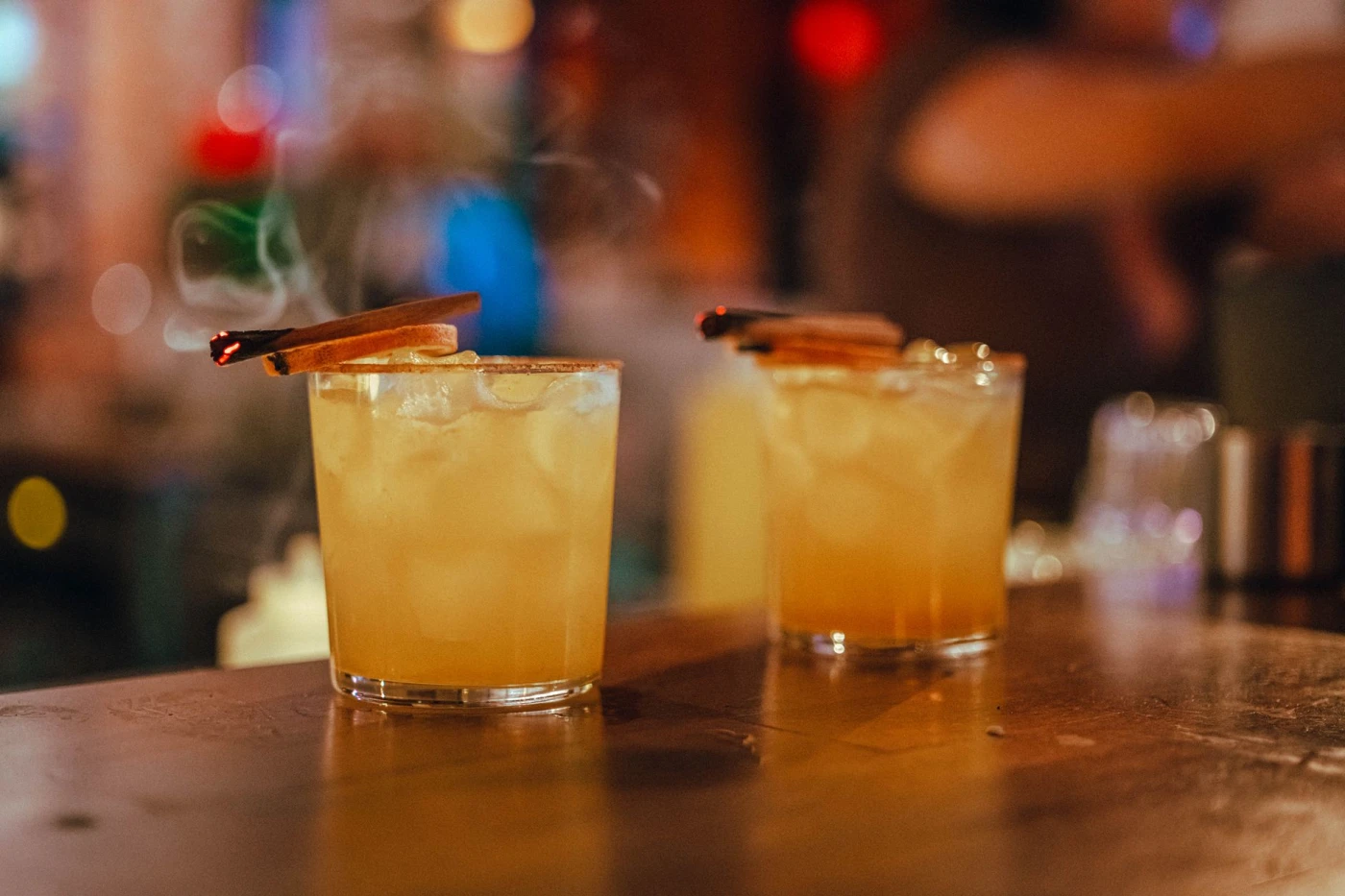
Measure every component. The Turnbuckle contains two sweeteners and a relatively small rum pour, so casual free-pouring can bury the drink’s bitter centre. For one serving, gather:
- 1 oz (30 ml) Cynar
- 3/4 oz (22.5 ml) Jamaican rum
- 3/4 oz (22.5 ml) freshly squeezed lemon juice
- 1/2 oz (15 ml) passion fruit syrup
- 1/4 oz (7.5 ml) orgeat
- About 1 1/2 cups (180 g) crushed ice, plus more to top
- 1 large mint sprig and 1 edible orchid, optional garnish
For rum, Appleton Estate 8 Year, 43% ABV, is my balanced choice. It commonly costs around $35–$45 in the US or £30–£40 in the UK. Appleton Estate Signature, 40% ABV, is usually less expensive at roughly $22–$28 or £24–£30. Smith & Cross, 57% ABV, brings emphatic ripe-banana and ester notes for approximately $30–$38 or £30–£38, but it also raises the finished drink’s strength.
Use the standard 16.5% ABV Cynar, not Cynar 70, unless you deliberately want a hotter variation. A 750 ml bottle often falls near $25–$33; a 700 ml UK bottle is commonly around £20–£27. Prices vary by retailer and tax.
BG Reynolds and Liber & Co. make dependable passion fruit syrups, while Giffard is widely available in Britain. Small Hand Foods orgeat has a pronounced almond character; Monin is easier to find but sweeter and simpler. Fresh lemon is non-negotiable in my view. Bottled juice tastes dull beside aromatic passion fruit. If speed matters more than tropical complexity, try one of these five-minute vodka cocktails another night.
How to Make The Turnbuckle Step by Step
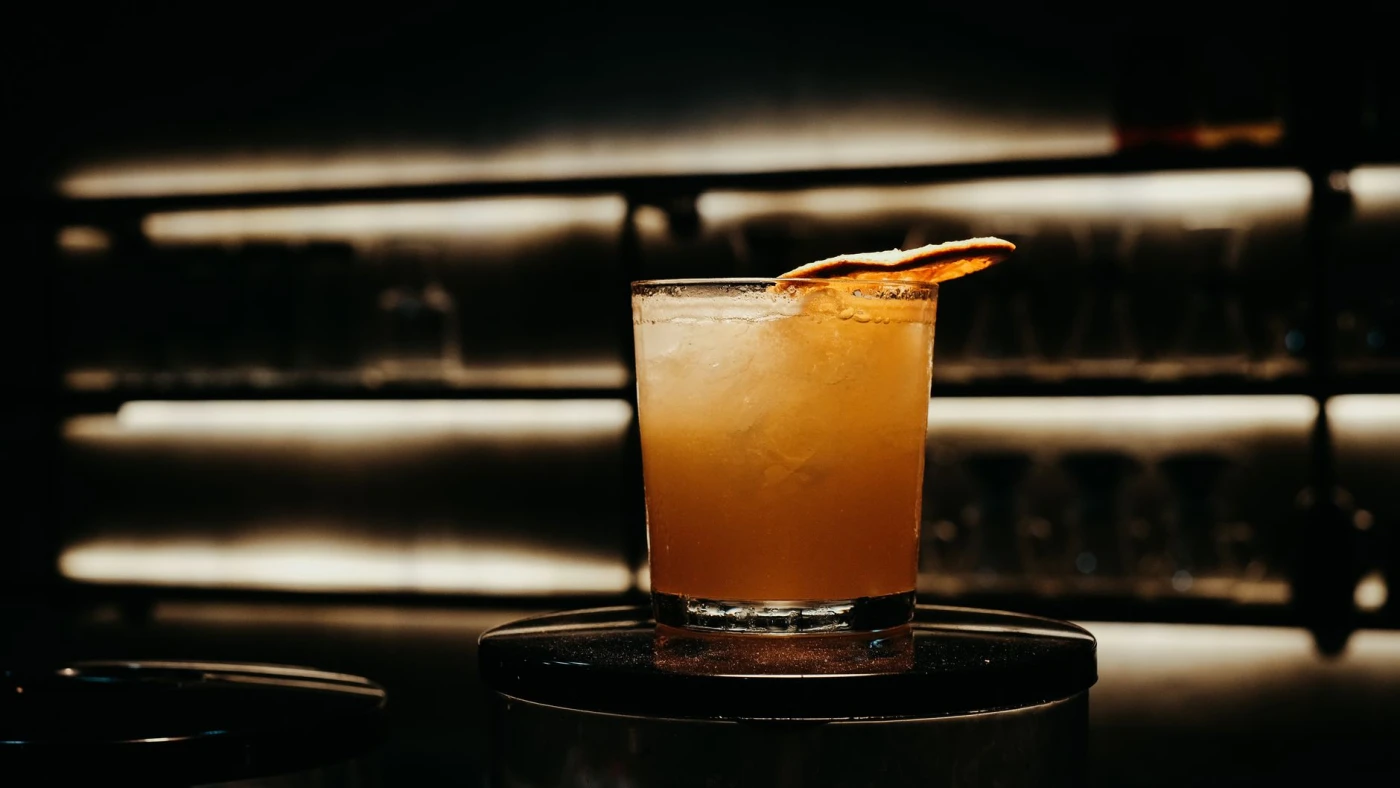
The classic service uses crushed ice and an unstrained pour. That means the ice used for shaking enters the glass, carrying the drink’s proper dilution and pleasingly frosty texture with it.
- Chill the glass. Put a double old-fashioned glass in the freezer for 10 minutes, aiming for roughly 41–45°F (5–7°C). A 10–12 oz (300–355 ml) tiki mug also works.
- Prepare the garnish. Slap the mint lightly between your palms to release its aroma. Keep any edible orchid away from the cutting board used for citrus.
- Measure the liquids. Add 1 oz (30 ml) Cynar, 3/4 oz (22.5 ml) Jamaican rum, 3/4 oz (22.5 ml) fresh lemon, 1/2 oz (15 ml) passion fruit syrup and 1/4 oz (7.5 ml) orgeat to a shaker.
- Add crushed ice. Fill the tin about three-quarters full. Shake hard for 8–10 seconds. A spindle mixer can flash-blend the mixture for about five seconds instead.
- Pour unstrained. Tip everything into the chilled glass. Do not fine-strain away the ice or texture.
- Finish the drink. Add a small mound of fresh crushed ice. Place the mint beside the straw and add an edible orchid only if you have one intended for food use.
Serve immediately. The Turnbuckle should arrive extremely cold, aromatic and slightly changing: bright and concentrated at first, then softer as the crushed ice melts.
After testing this style with both cubes and crushed ice, I strongly prefer crushed ice. Cubes leave the first sip too dense and syrupy. If you are learning broader shaking and balancing skills, the practical templates in the Madras cocktail guide offer an easier contrast.
Why The Turnbuckle Recipe Works
The Turnbuckle works because every ingredient performs more than one job. Cynar contributes bitterness, sweetness and a dark herbal character, so it behaves partly like a base spirit and partly like a modifier. Jamaican rum supplies alcohol and aromatic intensity, but its comparatively small measure prevents its esters from overwhelming the drink. Lemon creates the sharp edge needed to separate those dense flavours.
The two syrups are equally deliberate. Passion fruit syrup brings acidity as well as sugar, although the exact balance depends on the brand. Orgeat adds sweetness too, but its almond aroma and slightly creamy texture make the cocktail feel broader and more luxurious. Removing either syrup leaves a noticeable gap: without passion fruit, the drink loses its tropical lift; without orgeat, it becomes thinner and more angular.
Crushed ice completes that design. The recipe contains 3 1/4 oz (97.5 ml) of liquid before dilution, including substantial sugar and strongly flavoured ingredients. A brief shake with small ice pieces quickly chills and loosens the mixture. As the drink rests, continued dilution opens the rum and Cynar while gradually softening the lemon. The final sip should therefore be gentler than the first without tasting watery.
This changing balance is why an oversized glass can be a problem. Too much exposed ice melts quickly, especially outdoors, while too little ice leaves warm space around the drink. Pack a 10–12 oz (300–355 ml) vessel generously and keep the ice crown above the liquid. A metal straw or short reusable straw makes sipping easier without disturbing the aromatic mint.
For a useful tasting exercise, sample a drop of each ingredient separately before mixing. Then taste the completed cocktail immediately after pouring and again five minutes later. You should identify bright passion fruit and lemon at first, almond through the middle, and Cynar with rum funk in the finish. If one flavour dominates from beginning to end, adjust only that component on the next round rather than rewriting the entire recipe.
Pro Tips for a Better Turnbuckle Cocktail
In my experience, the biggest improvement comes from treating passion fruit syrup as a seasoning, not a generic sweetener. Brands differ enormously. Taste yours alone: if it resembles thick dessert sauce, reduce the first test drink by 1 teaspoon (5 ml). If it is sharp and fruit-led, use the full measure.
Control the orgeat too. Shake the bottle before measuring because almond solids can settle. Good orgeat should supply aroma, body and a gentle marzipan note. It should not turn The Turnbuckle into liquid confectionery. I’d skip an extra orgeat float, however attractive it looks online.
After testing Appleton Estate 8 Year against Smith & Cross, I find Appleton makes the more integrated first drink. Smith & Cross is excellent when you already enjoy Jamaican rum’s high-ester funk. Try a split pour—1/2 oz (15 ml) Appleton and 1/4 oz (7.5 ml) Smith & Cross—before committing to the stronger bottle alone.
Temperature matters. Start with refrigerated lemon and syrups around 39–45°F (4–7°C), especially in a warm summer kitchen. Colder ingredients need less ice melt to reach serving temperature, giving you more control over dilution.
Mint is functional, not merely decorative. Position it near the straw so your nose catches menthol and green aromas with every sip. No orchid? Use mint alone. A lemon wheel adds unnecessary juice, and a flaming garnish brings risk without helping the flavour.
Finally, taste with a teaspoon before pouring. Too sharp? Add no more than 1 teaspoon (5 ml) passion fruit syrup. Too sweet? Add 1 teaspoon (5 ml) lemon. Small corrections work. Dramatic ones rarely do. The same discipline separates balanced classics from the sugary relics discussed in this look at 1990s drinks.
Four Turnbuckle Variations Worth Trying
Change one variable at a time. That preserves the logic of The Turnbuckle and lets you understand what each substitution actually contributes.
The Softer Turnbuckle
- 1 oz (30 ml) Cynar
- 3/4 oz (22.5 ml) Appleton Estate Signature
- 3/4 oz (22.5 ml) lemon juice
- 1/2 oz (15 ml) passion fruit syrup
- 1/4 oz (7.5 ml) orgeat
This 40% ABV rum is approachable and relatively economical. Shake and serve exactly like the main recipe.
The High-Funk Turnbuckle
- 1 oz (30 ml) Cynar
- 1/2 oz (15 ml) Appleton Estate 8 Year
- 1/4 oz (7.5 ml) Smith & Cross
- 3/4 oz (22.5 ml) lemon juice
- 1/2 oz (15 ml) passion fruit syrup
- 1/4 oz (7.5 ml) orgeat
The split base delivers ripe fruit and hogo without letting 57% ABV rum dominate.
The Pineapple Variation
- 1 oz (30 ml) Cynar
- 3/4 oz (22.5 ml) Jamaican rum
- 1/2 oz (15 ml) lemon juice
- 1/4 oz (7.5 ml) pineapple juice
- 1/2 oz (15 ml) passion fruit syrup
- 1/4 oz (7.5 ml) orgeat
Shake hard. Pineapple creates a foamy cap and a rounder tropical profile, though the result is less bitter-forward.
The Long Turnbuckle
- 1 oz (30 ml) Cynar
- 3/4 oz (22.5 ml) Jamaican rum
- 3/4 oz (22.5 ml) lemon juice
- 1/2 oz (15 ml) passion fruit syrup
- 1/4 oz (7.5 ml) orgeat
- 2 oz (60 ml) chilled soda water
Shake everything except soda, pour over crushed ice, then top gently. It is longer and lighter per sip, though still a full alcoholic serving. For genuinely lower-strength choices, use recipes designed that way, such as these low-alcohol cocktails.
Common Turnbuckle Mistakes and Easy Fixes
Using a neutral rum is the first mistake. The Turnbuckle needs Jamaican character—ripe banana, molasses, citrus peel and a little fermented funk—to stand beside Cynar. A very light white rum produces alcohol but little structure. If that is all you own, wait until you can buy a characterful bottle.
Confusing passion fruit products causes even more trouble. Syrup, purée, nectar and liqueur are not interchangeable. Syrup supplies both flavour and sugar. Unsweetened purée needs added sweetener; nectar contains water; liqueur adds alcohol. Read the label and taste before measuring.
Over-pouring orgeat muffles Cynar’s herbs and lemon’s snap. Use 1/4 oz (7.5 ml), not a casual splash. Even a difference of 1/4 oz is significant in a drink with only 3 1/4 oz (97.5 ml) of liquid before dilution.
Using old lemon juice makes the finish seem muddy. Juice lemons shortly before mixing and refrigerate any short-term remainder. At room temperature, citrus aromatics fade quickly. Juice from yesterday may be safe when properly chilled, but it will not make your best cocktail.
Shaking with large cubes, then straining onto dry crushed ice is workable but changes the original texture. The cleaner method is to shake with crushed ice and pour unstrained. Do not shake for 20 seconds; the small ice pieces dilute rapidly.
Finally, avoid treating garnish as theatre. Use unsprayed mint and food-safe flowers. Florist orchids may have pesticide residues and are not automatically edible. Let’s be honest: a healthy mint crown looks better than a questionable flower. If you need drinks that travel without elaborate finishing, choose a purpose-built option from these portable picnic drinks.
Food Pairings, Seasons and Serving Occasions
The Turnbuckle shines before food or beside bold, salty dishes. Cynar’s bitterness wakes up the palate, while passion fruit and almond soothe chilli heat. Try it with jerk chicken wings, grilled prawns, coconut shrimp or sticky pork ribs. In Britain, it is unexpectedly good with spicy fish cakes; in the US, pair it with blackened fish tacos or a smoky backyard barbecue.
Rich fried foods are another strong match. The lemon cuts through fat, and the rum’s fruit notes complement browned crusts. I like it with plantain chips, salt cod fritters or halloumi skewers. I would avoid delicately dressed oysters and subtle white fish, which can disappear beneath Cynar and passion fruit.
When should you serve it? Late spring through early autumn feels natural, especially for a garden party, tiki night, wrestling watch party or small cocktail hour. Yet its dark herbal core also works for Halloween. The appearance says sunshine; the finish says autumn leaves. That tension is part of the fun.
For a party, pre-batch the rum, Cynar and syrups. Keep the mixture below 40°F (4°C), add lemon close to service and shake each drink separately. One standard 750 ml bottle of Cynar yields about 25 servings at 1 oz (30 ml) each, allowing for a little measuring loss.
The Turnbuckle tastes deceptively easy, so set out water and food and keep each guest to a measured serving pace. For responsible drinking, consult evidence-based guidance from the US National Institute on Alcohol Abuse and Alcoholism and Drinkaware in the UK. Alcohol strengths and labels can also be checked against information from the US Alcohol and Tobacco Tax and Trade Bureau.
How to Batch The Turnbuckle for a Small Party
For six servings, combine 6 oz (180 ml) Cynar, 4 1/2 oz (135 ml) Jamaican rum, 3 oz (90 ml) passion fruit syrup and 1 1/2 oz (45 ml) orgeat in a clean bottle or sealed jug. Refrigerate the base until thoroughly cold. Keep 4 1/2 oz (135 ml) fresh lemon juice in a separate covered container and use it the same day for the brightest flavour.
When guests are ready, measure 2 1/2 oz (75 ml) of the alcoholic syrup base and 3/4 oz (22.5 ml) lemon into a shaker for each drink. Add crushed ice, shake for 8–10 seconds and pour unstrained. Working one or two servings at a time gives more reliable chilling than trying to shake all six in an oversized container.
Do not multiply the crushed ice measurement and add it to the batch in advance. Ice begins diluting immediately, and a large container rarely stays cold enough to control that process. Pre-batching the shelf-stable ingredients saves most of the measuring time while preserving the fresh texture of an individually shaken cocktail.
Label the bottle clearly, keep it out of children’s reach and return it to the refrigerator between rounds. If the mixture separates slightly because of the orgeat, shake the sealed bottle gently before measuring. Discard any batch that has been left warm for an extended period or shows an unexpected change in aroma or appearance.
The Turnbuckle Quick Reference Cheat Sheet
Need the whole method at a glance? This table keeps the US and UK measures together. A UK bar measure is often 25 ml or 35 ml, so a small graduated jigger is more useful here than relying on a single pub-style measure.
| Component | US measure | UK metric measure | Purpose |
|---|---|---|---|
| Cynar | 1 oz | 30 ml | Bittersweet herbal base |
| Jamaican rum | 3/4 oz | 22.5 ml | Funk, fruit and strength |
| Fresh lemon juice | 3/4 oz | 22.5 ml | Acidity and freshness |
| Passion fruit syrup | 1/2 oz | 15 ml | Tropical fruit and sugar |
| Orgeat | 1/4 oz | 7.5 ml | Almond aroma and texture |
| Crushed ice | About 1 1/2 cups | About 180 g | Chilling and dilution |
| Glass | 10–12 fl oz | 300–355 ml | Room for the crushed-ice serve |
| Shake | 8–10 seconds | 8–10 seconds | Chill without overdiluting |
Expected strength: roughly 12–15% ABV after ordinary crushed-ice dilution, depending on whether your rum is 40%, 43% or 57% ABV. This is an estimate, not a laboratory measurement. Ice size, shake time and room temperature all affect the final number.
Expected cost per drink: approximately $3.50–$5.50 in the US or £3.25–£5 in the UK before garnish, based on mid-priced bottles. Local prices and measures vary.
The Turnbuckle rewards precision, but it is not precious. Measure accurately, use fresh citrus and choose rum with personality. That is the formula. If this bottle list revealed gaps in your setup, download the free home bar starter checklist. Then make The Turnbuckle once by the original proportions before deciding how you want to bend it.
Ask AI about this article
Pick a prompt, copy it, or open ChatGPT with this article preloaded.
Frequently Asked Questions
What is The Turnbuckle cocktail?
The Turnbuckle is a modern tiki-style cocktail built around Cynar and Jamaican rum rather than the usual large blend of rums and fruit juices. Lemon provides acidity, while passion fruit syrup and orgeat contribute tropical sweetness and almond depth. It tastes bittersweet, fruity, funky and refreshing, with considerab.
Who invented The Turnbuckle?
The drink is widely credited to bartender Jen Akin, who created it in Seattle around 2018. It should therefore be described as a contemporary cocktail, not a recovered Prohibition-era or mid-century tiki recipe. Published versions generally agree on Cynar, Jamaican rum, lemon, passion fruit syrup and orgeat, although o.
What is the best rum for The Turnbuckle?
A characterful Jamaican rum is the best fit. Appleton Estate 8 Year, at 43% ABV, gives a balanced result with orange peel and oak notes. Smith & Cross, at 57% ABV, produces a stronger, funkier drink and should be used carefully. If you are new to Jamaican rum, Appleton Estate Signature or 8 Year is the easier starting.
How strong is The Turnbuckle?
With 16.5% ABV Cynar and a Jamaican rum between 40% and 57% ABV, the undiluted mixture is approximately 15–18% ABV. Shaking with crushed ice usually brings the served drink to roughly 12–15% ABV, depending on rum and dilution. That is comparable to a robust glass of wine, although the cocktail’s sweet, refreshing flavo.
What glass should I use for The Turnbuckle?
A double old-fashioned glass holding about 10–12 oz (300–355 ml) is practical and traditional for the crushed-ice serve. A small tiki mug also works, provided it is not so large that the drink looks lost. Chill the vessel first, then pour the entire shaken mixture, ice included, into it and add a fresh crushed-ice cap.
Comments 0
Login to Post comments