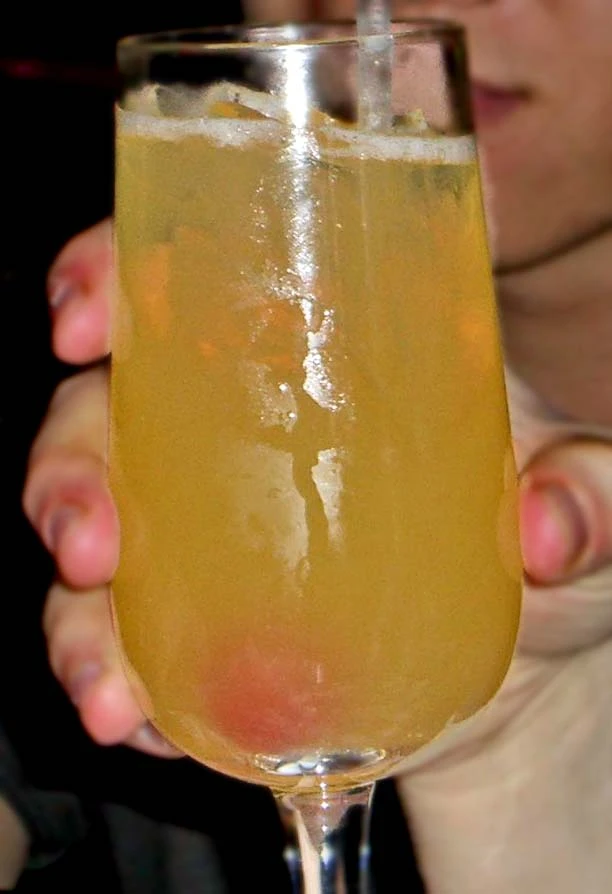

Whiskey Sour: The Classic Recipe That Always Works
Master a balanced Whiskey Sour with dual US and UK measurements, whiskey recommendations, egg-white technique, variations, and practical troubleshooting. A Whiskey Sour should be b.
A Whiskey Sour should be bright, silky and unmistakably whiskey-forward—not a sugary glass of fluorescent mixer. The dependable version needs only whiskey, fresh lemon juice, simple syrup and, if you want that beautiful foam, egg white.
Here’s the thing: balance matters more than expensive equipment. Once you understand the ratio and how dilution changes it, you can make a bar-quality sour in an ordinary kitchen. It is easily one of the best introductions to shaken whiskey drinks.
If you are building your repertoire, compare it with these whiskey cocktails for beginners. Below, you will find exact US and UK measurements, whiskey recommendations, a foolproof shaking method and fixes for the mistakes that flatten an otherwise excellent drink.
What Is a Whiskey Sour? A Short, Tangled History
A Whiskey Sour is a member of the classic sour family: a base spirit, citrus and sugar shaken together. The optional egg white does not make the drink sour or alcoholic; it supplies texture, a pale foam and a softer perception of the lemon’s acidity.
The broader formula is old. Sailors and drinkers had combined spirits, citrus and sugar long before cocktail manuals standardised recipes. Written nineteenth-century bartending guides helped turn the idea into a named drink, but claims about one definitive inventor should be treated cautiously. Cocktail history is rarely that tidy.
What survived is remarkably practical. Whiskey brings oak, vanilla, grain and spice. Lemon supplies freshness. Sugar joins those flavours while tempering the acid. Shaking chills the drink to roughly 25–30°F (-4 to -1°C) and adds water, which opens the whiskey and prevents the recipe from feeling aggressive.
American bars commonly build the cocktail with bourbon or rye. Bourbon generally creates a round, caramel-led version; rye gives you pepper, herbs and a leaner finish. In the UK, both American whiskeys are readily available, although prices and bottling strength can differ. Labels marked 90 proof in the US contain 45% ABV.
The drink also explains why sours appear among the classic cocktails every home bartender should know. You are learning a reusable structure, not merely memorising one recipe. Swap the spirit thoughtfully, retain the acid-and-sugar balance, and an entire cocktail family opens up.
Whiskey Sour Ingredients You Actually Need
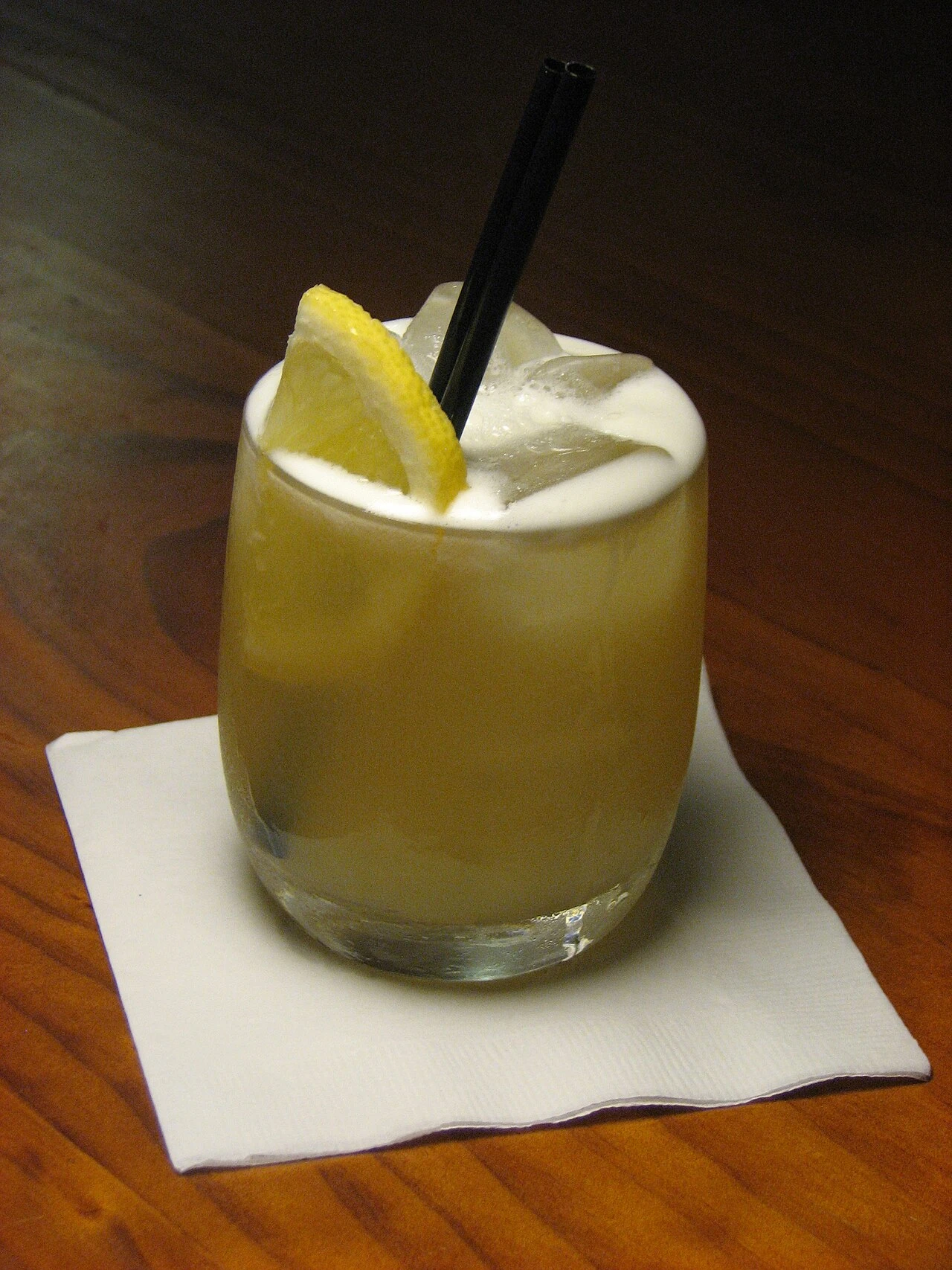
This recipe makes one drink. Use a 90–100 proof (45–50% ABV) whiskey if you want its character to survive the lemon, sugar and dilution.
- 2 oz (60 ml) bourbon or rye whiskey
- 3/4 oz (22.5 ml) freshly squeezed lemon juice
- 3/4 oz (22.5 ml) 1:1 simple syrup
- 1/2 oz (15 ml) pasteurised egg white, optional
- 2–3 dashes Angostura aromatic bitters, optional
- 1 orange peel or cocktail cherry, for garnish
- 1 large ice cube, plus cubed ice for shaking
For whiskey, Wild Turkey 101 usually delivers bold spice and caramel, while Buffalo Trace is softer and fruitier. Maker’s Mark leans sweet and wheated. Rittenhouse Rye gives a more assertive, peppery result. Typical shelf prices vary by location, but bottles in the roughly $25–$40 or £25–£40 range are entirely suitable. I’d skip a $90 limited release here; shaking masks the subtleties you paid for.
Make 1:1 syrup by combining equal volumes of granulated sugar and hot water, then stirring until clear. Cool it below 40°F (4°C) before use. Rich 2:1 syrup is twice as concentrated by volume, so substituting it ounce-for-ounce will oversweeten the drink.
Fresh lemon matters. One average lemon often yields about 1–1 1/2 oz (30–45 ml), although season and size change that figure. Strain out seeds and excess pulp.
Egg white is optional. Choose pasteurised carton egg white if raw-egg handling concerns you, and follow its storage label. Aquafaba—the liquid from unsalted chickpeas—is a useful alternative at 1/2 oz (15 ml), though its foam can taste slightly earthier. For a lighter evening menu, browse these low-alcohol cocktail recipes; a full-strength sour is not a low-ABV drink.
How to Make a Whiskey Sour Step by Step
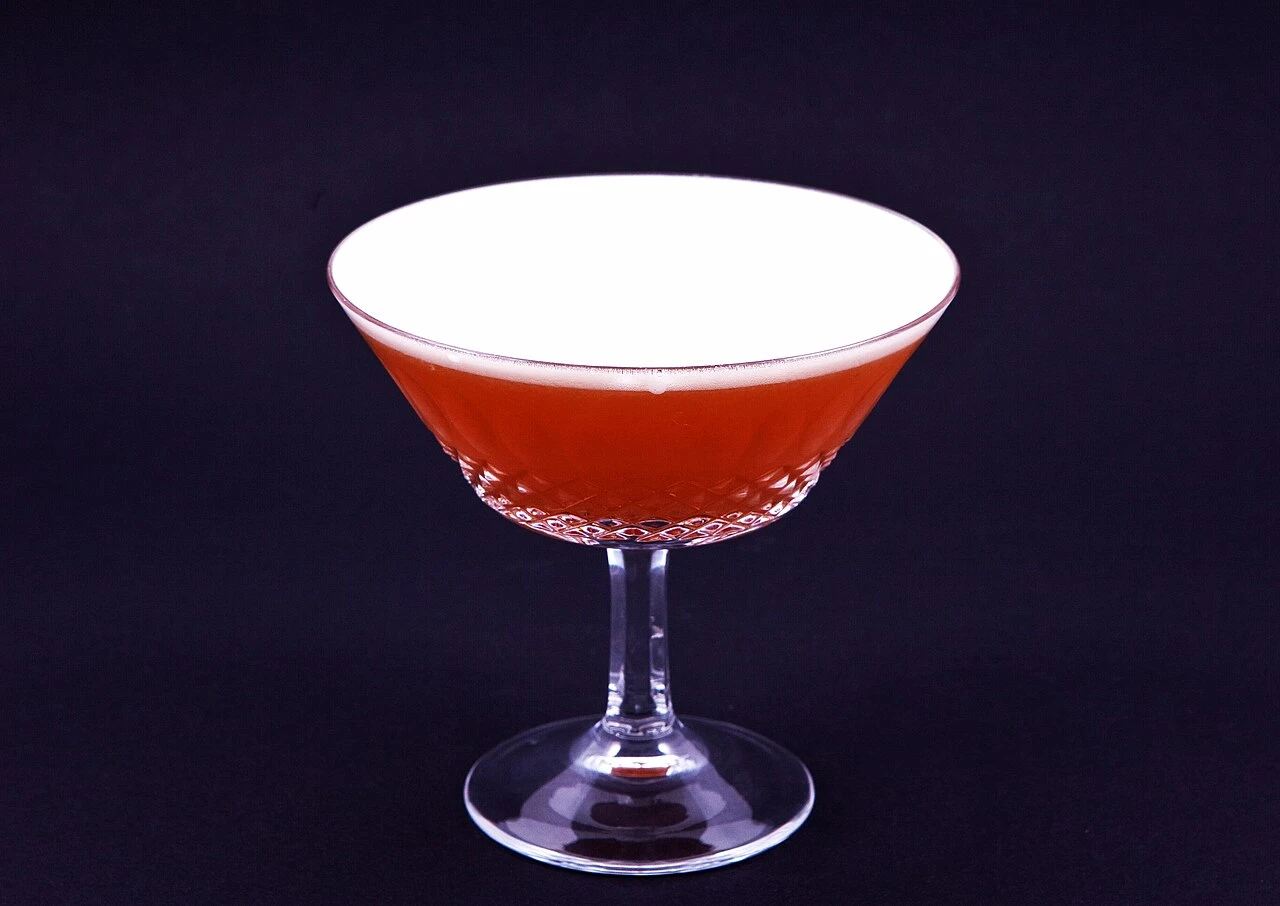
Set out a shaker, jigger, Hawthorne strainer and chilled rocks or coupe glass. No coupe? A small wine glass works. Measure carefully the first time; free-pouring makes it difficult to diagnose an unbalanced result.
- Chill the glass. Put it in the freezer for 10 minutes, or fill it with ice and water while you mix.
- Add the liquid ingredients. Pour 2 oz (60 ml) whiskey, 3/4 oz (22.5 ml) lemon juice, 3/4 oz (22.5 ml) simple syrup and the optional 1/2 oz (15 ml) egg white into an empty shaker.
- Dry-shake if using egg. Seal the shaker and shake without ice for 10–15 seconds. This aerates the proteins and begins building foam.
- Add ice and shake again. Fill the shaker about two-thirds with solid cubes. Shake hard for 12–15 seconds, until the metal exterior feels painfully cold.
- Strain. Discard the chilling ice. Fine-strain into a coupe for an up presentation, or into a rocks glass over one large fresh cube.
- Garnish. Add bitters across the foam, if desired, then finish with an expressed orange peel or a good cocktail cherry.
Without egg white, skip the dry shake and shake once with ice. After testing both methods, I find a two-part shake produces finer foam than simply adding extra shaking time at the end. A reverse dry shake—ice first, then a second shake after straining away the ice—can create an even taller head, but it is messier for beginners.
Your final volume will be greater than the measured ingredients because shaking adds water. That dilution is intentional. Taste a teaspoon before pouring: it should lead with lemon, broaden into whiskey and finish gently sweet. Want to practise a simpler mixed-drink technique too? The Madras cocktail recipe demonstrates a very different, built-in-the-glass approach.
My Best Whiskey Sour Tips and Expert Tricks
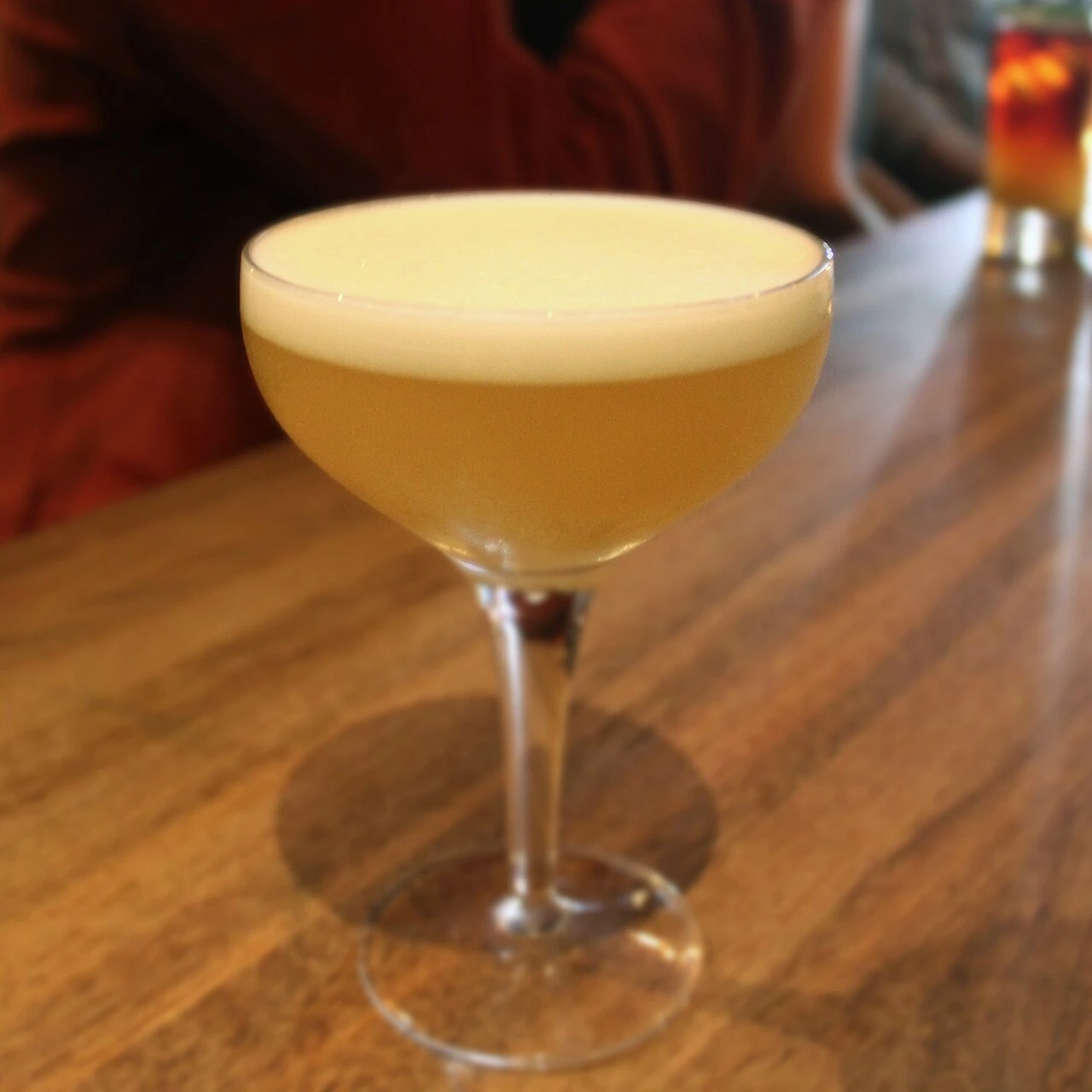
Start colder than you think. Keep lemon juice and syrup refrigerated, chill the serving glass and use hard freezer ice. Wet, half-melted cubes dilute quickly without providing the energetic agitation needed for fine foam.
In my experience, the most useful upgrade is stronger whiskey, not sweeter syrup. A 100-proof (50% ABV) bourbon such as Wild Turkey 101 retains its oak and spice after shaking. An 80-proof (40% ABV) bottle creates a gentler cocktail, but it can disappear if the lemon is especially sharp.
Taste the lemon. Its acidity changes with variety, ripeness and age. If it is fiercely acidic, begin with 2/3 oz (20 ml) juice or increase syrup by 1 teaspoon (5 ml). Make one small change. Shake briefly, then reassess.
After testing different ice loads, I prefer filling a standard two-piece shaker about two-thirds full. Two lonely cubes fracture and melt too fast; a shaker packed so tightly that nothing moves aerates poorly. Listen for the ice travelling from end to end.
For foam, keep fat away from your tools because even a greasy residue can weaken egg-white structure. Draw three Angostura drops across the finished head with a cocktail pick. It looks polished, yet the bitters also add clove and cinnamon aromas before your first sip.
Here’s another small trick: express an orange peel over the glass, wipe the coloured side around the rim once, then discard or tuck it beside the ice. This is easily one of the best low-effort aromatic upgrades. Avoid burying the drink under orange slices and neon cherries; garnish should frame the Whiskey Sour, not turn it into fruit salad.
Four Whiskey Sour Variations Worth Shaking
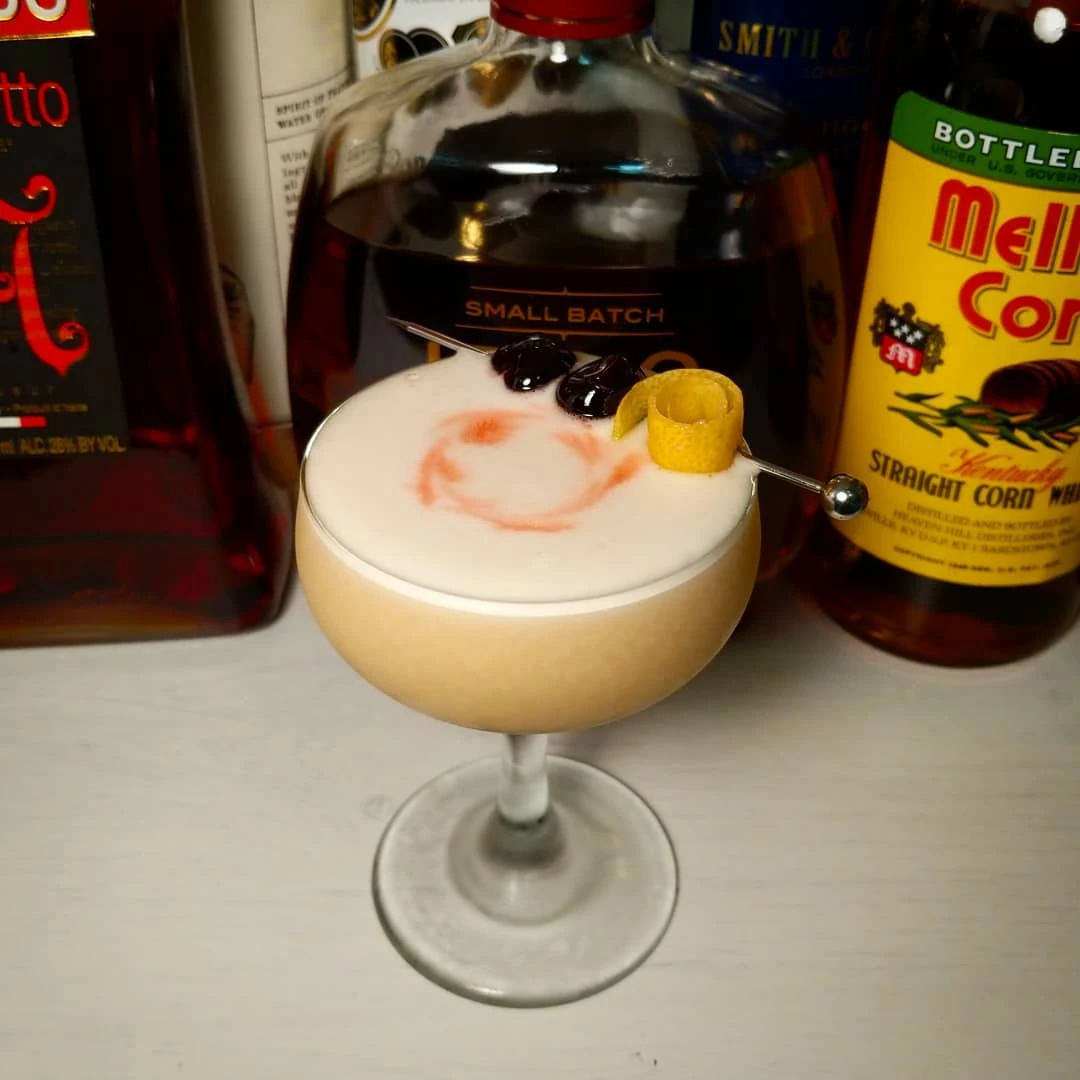
Once the standard drink tastes balanced, variations become much easier to judge. Keep the total citrus and sweetener near the original ratio, then change one flavour at a time.
New York Sour
- 2 oz (60 ml) bourbon or rye
- 3/4 oz (22.5 ml) lemon juice
- 3/4 oz (22.5 ml) simple syrup
- 1/2 oz (15 ml) dry red wine float
Shake the first three ingredients, strain over ice, then slowly pour wine across the back of a spoon. A fruity Shiraz or Malbec makes a dramatic layer; a dry claret-style blend is subtler.
Maple Rye Sour
- 2 oz (60 ml) rye whiskey
- 3/4 oz (22.5 ml) lemon juice
- 1/2 oz (15 ml) pure maple syrup
- 1/2 oz (15 ml) egg white, optional
This is my autumn pick. Rye prevents the maple from becoming heavy, while grated nutmeg gives a bonfire-night aroma. Do not use pancake-flavoured syrup.
Honey Ginger Sour
- 2 oz (60 ml) bourbon
- 3/4 oz (22.5 ml) lemon juice
- 3/4 oz (22.5 ml) cooled honey-ginger syrup
Combine equal volumes honey and warm water with sliced ginger, steep for 20 minutes, then strain and chill. It is excellent for Thanksgiving or a rainy UK evening.
Amaretto-Whiskey Sour
- 1 1/2 oz (45 ml) bourbon
- 1/2 oz (15 ml) amaretto
- 3/4 oz (22.5 ml) lemon juice
- 1/4 oz (7.5 ml) simple syrup
- 1/2 oz (15 ml) egg white, optional
Bourbon stops the almond liqueur from dominating. Let’s be honest: using only amaretto can become cloying. For more retro context, see these 1990s drinks and where they are now. If whiskey is not your guests’ preference, the fast options in these five-minute vodka cocktails provide an easy alternative.
Common Whiskey Sour Mistakes and Simple Fixes
Guessing the measurements is the most common failure. An extra 1/2 oz (15 ml) lemon can overwhelm the whiskey, while an enthusiastic syrup pour creates liquid pudding. Use a jigger, measuring spoons or a small kitchen scale until your eye is trained.
Using old citrus produces a flat, slightly bitter drink. Squeeze lemon shortly before mixing and refrigerate it below 40°F (4°C) if there is a delay. Bottled juice is convenient, but its acidity and flavour may differ enough that the recipe needs retesting.
Choosing delicate or very cheap whiskey creates opposite problems. A subtle single malt may lose its nuance, while a harsh bottom-shelf blend can remain hot after dilution. A dependable $25–$40 or £25–£40 bourbon or rye at 45–50% ABV occupies the useful middle ground.
Serving over spent shaker ice is another mistake. That cracked ice is already melting quickly. Strain onto a fresh 2-inch cube for slower dilution, or serve the drink up in a chilled coupe.
Making weak foam usually means insufficient aeration, too much egg white or greasy equipment. Use about 1/2 oz (15 ml), dry-shake for 10–15 seconds and keep the shaker meticulously clean. Never add egg to a shaker containing hot ingredients.
Ignoring dilution can make even a correct ratio taste fiery. Shake until the vessel is frosted and cold. Conversely, tiny wet cubes can water the cocktail down in seconds.
Finally, do not batch fresh citrus days ahead. It loses its lively aroma. For outdoor service, prepare the whiskey and syrup separately and add lemon on the day; these portable picnic drink ideas offer further make-ahead options.
How to Adjust a Whiskey Sour to Your Taste
The standard Whiskey Sour recipe is a reliable starting point, but it is not an unbreakable law. Lemons vary, whiskey styles differ and individual preferences matter. The useful skill is learning to identify which part of the drink needs changing instead of altering several ingredients at once.
Begin by tasting the cocktail after shaking but before serving. Take a small spoonful and let it warm in your mouth for a moment. If the first impression is sharply acidic and the whiskey disappears, add 1 teaspoon (5 ml) of simple syrup. Shake with a little fresh ice for about five seconds, then taste again. If the drink feels sugary, heavy or short on refreshment, add 1 teaspoon (5 ml) of lemon juice and repeat the brief shake.
A cocktail that tastes hot is not necessarily short on sugar. It may simply need more dilution. Add two or three ice cubes and shake for another five seconds before changing the recipe. If it tastes thin or watery, however, extra whiskey is the most direct correction. Add 1/4 oz (7.5 ml), shake briefly and reassess. These measured adjustments keep the drink predictable and prevent good ingredients from being wasted.
Your choice of whiskey also affects the apparent balance. A soft wheated bourbon can make the same quantity of syrup seem sweeter, while a spicy rye may make the finish feel drier. High-proof bourbon usually tolerates the equal lemon-and-syrup ratio well. With an 80-proof (40% ABV) whiskey, reducing both lemon and syrup to 2/3 oz (20 ml) can preserve more spirit character without changing the basic balance.
Texture deserves separate consideration. Egg white rounds the edges of the drink, so an egg-white Whiskey Sour may seem less acidic than an identical version made without it. Aquafaba has a similar effect, although brands and batches foam differently. Do not compensate automatically; taste the finished cocktail first.
Keep a short note of the whiskey, lemon and syrup measurements when you find a combination you like. Recording whether the drink was served up or over ice also helps, because continued melting changes the flavour. After two or three trials, you will have a house Whiskey Sour tailored to your bottle, your citrus and your preferred level of sweetness.
Food Pairings, Seasons and Serving Occasions
A Whiskey Sour works especially well before dinner because lemon wakes up the palate while whiskey provides enough richness to stand beside savoury snacks. Pair it with salted almonds, mature cheddar, devilled eggs or smoked salmon blinis. Acid cuts fat. Oak and vanilla echo browned, roasted flavours.
For a US game-day spread, try buffalo wings, pulled-pork sliders or crisp fried chicken. The drink’s sweetness cools chilli heat, and its acidity refreshes after each bite. In Britain, it is excellent with sausage rolls, Welsh rarebit or a sharp farmhouse Cheddar. I would avoid very delicate raw oysters; the whiskey can overpower them.
Season matters too. In spring, garnish with a thin lemon wheel and serve the cocktail up. For summer cookouts, use a large cube and keep the glass out of direct sun. Maple syrup, rye and nutmeg shift the drink naturally into autumn, while an orange peel and aromatic bitters make it feel right for Christmas gatherings.
Hosting several people? Pre-batch only the whiskey, syrup and lemon for the same evening, keeping the mixture refrigerated below 40°F (4°C). Measure 3 1/2 oz (105 ml) per guest before any optional egg white, then shake each serving with ice. Individual shaking controls dilution and gives every glass a fresh texture.
A standard recipe made with 90-proof (45% ABV) whiskey may land near 18–21% ABV after dilution, although ice, temperature and shaking time change the result. Serve one measured cocktail at a time, offer water and food, and never treat foam or sweetness as evidence that a drink is weak. For responsible drinking guidance, consult the US NIAAA or Drinkaware UK.
Whiskey Sour Quick Reference Cheat Sheet
Use this table when you want the recipe without rereading every technique note. The measures are practical bar equivalents: 3/4 US fl oz is approximately 22.5 ml, not the rounded 25 ml pour used by some UK venues.
| Component | US measure | UK metric measure | Purpose |
|---|---|---|---|
| Bourbon or rye | 2 oz | 60 ml | Base spirit |
| Fresh lemon juice | 3/4 oz | 22.5 ml | Acidity |
| 1:1 simple syrup | 3/4 oz | 22.5 ml | Sweetness and balance |
| Pasteurised egg white | 1/2 oz | 15 ml | Optional foam and texture |
| Dry shake | 10–15 seconds | 10–15 seconds | Aerates egg white |
| Ice shake | 12–15 seconds | 12–15 seconds | Chills and dilutes |
| Serving temperature | 25–30°F | -4 to -1°C | Cold at the first sip |
| Estimated final strength | 18–21% ABV | 18–21% ABV | Varies with dilution |
Bourbon is the easy crowd-pleaser; rye is the spicier option. Serve the Whiskey Sour up for a crisp, elegant presentation or over one large cube for slower drinking. Egg white is optional, but fresh lemon and measured dilution are not.
Remember that proof and ABV describe the bottled whiskey, while the finished cocktail is diluted by citrus, syrup, egg and melted ice. The US Alcohol and Tobacco Tax and Trade Bureau is an authoritative starting point for US alcohol labelling information.
Ready to make this Whiskey Sour part of a better-organised setup? Download the free home bar starter checklist, stock one versatile bourbon, fresh citrus and a reliable jigger, then shake your first glass while the ratios are fresh in your mind.
Ask AI about this article
Pick a prompt, copy it, or open ChatGPT with this article preloaded.
Frequently Asked Questions
What is a Whiskey Sour?
A Whiskey Sour is a shaken cocktail made from whiskey, fresh lemon juice and a sweetener, usually simple syrup. Egg white is optional but traditional in many modern bar versions because it adds foam and a smooth texture. The drink belongs to the sour family, which uses a base spirit balanced by citrus and sugar.
What is the best whiskey for a Whiskey Sour?
A 90–100 proof bourbon is the most forgiving choice because its vanilla, caramel and oak notes remain noticeable after shaking and dilution. Wild Turkey 101, Buffalo Trace and Maker's Mark all work well. Choose rye, such as Rittenhouse, when you want more spice and a drier finish. Expensive sipping whiskey is unnecessa.
Do you need egg white in a Whiskey Sour?
No. Whiskey, lemon and sugar are the structural essentials; egg white changes texture rather than defining the drink. Without it, the cocktail is brisk and refreshing. With approximately 1/2 oz (15 ml) pasteurised egg white, it becomes silkier and develops a creamy-looking head without tasting strongly of egg when prop.
How do you make a Whiskey Sour without a cocktail shaker?
Use a clean, sturdy screw-top jar with enough empty space for the liquid to move. Add the ingredients, seal it securely and shake first without ice if using egg white. Add ice, reseal and shake again. Strain through a small kitchen sieve into your glass. Never shake carbonated ingredients or hot liquids in a sealed jar.
Why is my Whiskey Sour too sour or too sweet?
Citrus varies naturally, while syrups can have different sugar concentrations. If the drink is too sour, add 1 teaspoon (5 ml) simple syrup and shake briefly. If it is too sweet, add 1 teaspoon (5 ml) lemon juice. Make small corrections: a few millilitres can noticeably alter a compact cocktail.
How strong is a Whiskey Sour?
Using 2 oz (60 ml) of 90-proof whiskey, a Whiskey Sour will commonly finish near 18–21% ABV after shaking, depending on ice dilution and whether egg white is included. That is only an estimate, not a laboratory measurement. Larger pours, higher-proof whiskey and a short shake can all produce a stronger drink.
Comments 0
Login to Post comments